Ena Muazin
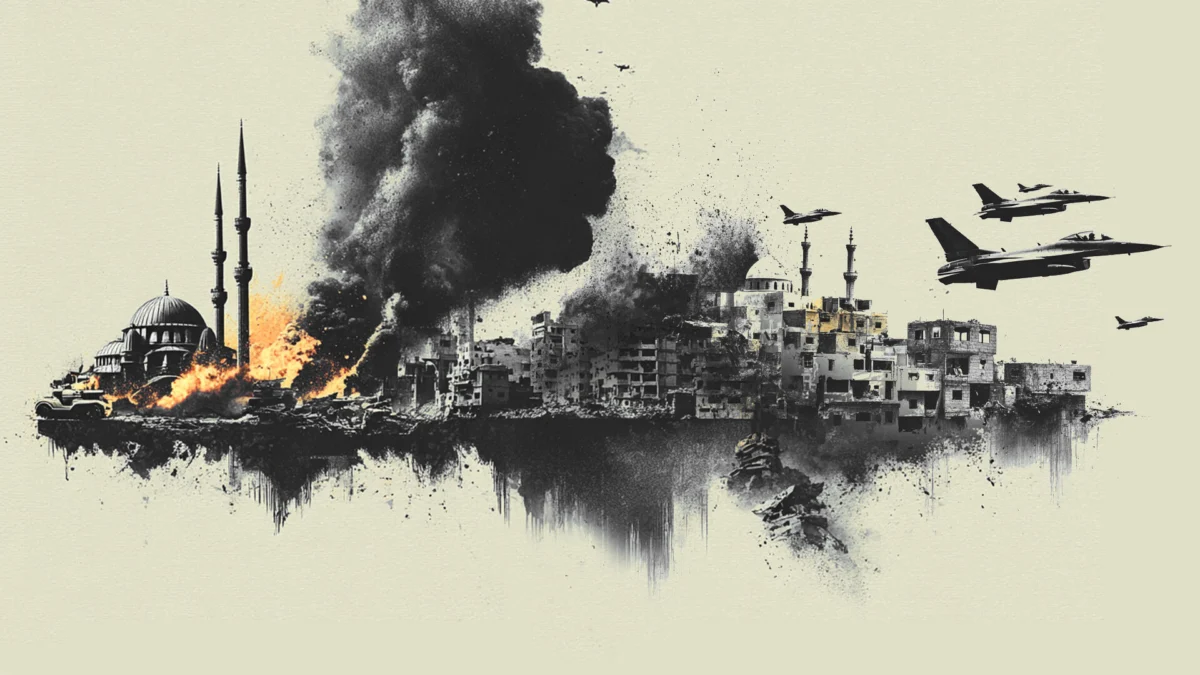
Frankfurt – The escalating geopolitical tensions and potential for conflict involving Iran are poised to cast a long shadow over the German economy, with economists forecasting a tangible rise in inflation rates in the coming months. Carsten Brzeski, Chief Economist at ING, anticipates that even under optimistic scenarios where the situation in Iran de-escalates, the substantial price hikes already observed in oil, gas, fertilizers, and a broad spectrum of other raw materials and products will inevitably translate into higher inflation figures within Germany’s economic data. This projection underscores the interconnectedness of global markets and the far-reaching consequences of regional instability.
Escalating Tensions and Their Economic Ripple Effects
The current situation surrounding Iran, characterized by heightened military posturing and diplomatic uncertainty, is not an isolated event. It represents a culmination of years of complex geopolitical dynamics, including but not limited to the withdrawal of the United States from the Joint Comprehensive Plan of Action (JCPOA) in 2018, subsequent sanctions imposed on Iran, and regional proxy conflicts. These factors have consistently placed a strain on global energy markets and supply chains, creating a volatile environment.
The recent intensification of these tensions, marked by specific incidents and heightened rhetoric, has injected a new level of apprehension. This apprehension directly impacts commodity markets, which are highly sensitive to perceived risks. The price of crude oil, a fundamental driver of global economic activity, has already shown significant volatility. For Germany, heavily reliant on imported energy and raw materials, this translates into a direct cost increase for a multitude of industries.
Oil and Gas: The Immediate Price Shock
The most immediate and noticeable impact of increased geopolitical risk in the Middle East is typically felt in the energy markets. Crude oil prices have historically surged during periods of heightened tension in the region, as traders price in the potential for supply disruptions. Even the mere threat of such disruptions can lead to speculative buying and a subsequent increase in prices.
Germany, while actively pursuing renewable energy sources, remains a significant importer of fossil fuels. A substantial portion of its oil and gas supply originates from regions susceptible to geopolitical instability. Consequently, any escalation of conflict in Iran or its immediate vicinity directly threatens the stability of these supply routes. Higher oil prices have a cascading effect, increasing transportation costs for goods, impacting manufacturing processes that rely on energy, and ultimately filtering down to consumer prices.
Data from Eurostat, the statistical office of the European Union, consistently highlights the significant contribution of energy prices to overall inflation. In recent years, energy costs have been a primary driver of inflation fluctuations across the Eurozone, with Germany being no exception. For instance, a sustained increase of 10% in oil prices can contribute several tenths of a percentage point to headline inflation. Given the current volatility, economists are closely monitoring the price of Brent crude, a global benchmark, which has seen significant upward movements in anticipation of potential supply shocks.
Fertilizer and Agricultural Inputs: A Threat to Food Security
Beyond energy, Iran and the surrounding region are also significant players in the global fertilizer market. The production of key fertilizers, such as ammonia and urea, relies heavily on natural gas as a feedstock. Therefore, disruptions in gas supply or increased gas prices directly impact fertilizer production costs.
Germany, like many other industrialized nations, imports a considerable amount of fertilizers. Higher fertilizer prices directly translate into increased costs for agricultural producers. This increase in input costs for farmers can lead to higher food prices for consumers. The ripple effect extends to the entire agricultural supply chain, from the cost of seeds and pesticides to the final price of produce, meat, and dairy products.
The Food and Agriculture Organization of the United Nations (FAO) has previously warned about the vulnerability of global food prices to energy market volatility and geopolitical instability. A sustained increase in fertilizer costs could exacerbate existing pressures on food affordability, particularly for lower-income households.
The Inflationary Spiral: From Raw Materials to Consumer Goods
The interconnectedness of the global economy means that price increases in raw materials like oil, gas, and fertilizers do not remain isolated. They trigger a broader inflationary spiral.
- Manufacturing: Industries that use oil derivatives, plastics, or energy-intensive processes will face higher production costs. This could include the automotive sector, chemical industries, and packaging manufacturers. These increased costs are often passed on to consumers through higher prices for finished goods.
- Transportation and Logistics: Higher fuel prices directly impact the cost of transporting goods by road, rail, and sea. This increases the price of virtually every product that needs to be moved from manufacturer to retailer.
- Consumer Goods: From the food on our tables to the clothes we wear, the cost of production and transportation is a significant factor. Even products that do not directly use oil or gas in their manufacturing process can be affected by increased energy costs throughout their supply chain.
Brzeski’s forecast suggests that these effects will become "very clearly noticeable" in the German economy. This implies a shift from a situation where inflation might be attributed to specific, isolated factors to a more generalized price increase across a wide range of goods and services.
Historical Precedents: Lessons from Past Shocks
History offers stark reminders of the economic consequences of major geopolitical disruptions in the Middle East. The oil crises of the 1970s, triggered by the Yom Kippur War and the Iranian Revolution, led to stagflation – a debilitating combination of high inflation and stagnant economic growth – in many Western economies. While today’s global economy is more diversified and less directly dependent on oil in some respects, the fundamental vulnerability of energy and commodity markets to supply disruptions remains a critical factor.
More recently, the instability in Iraq and the broader Middle East following the 2003 invasion contributed to sustained periods of elevated oil prices, impacting global economic recovery. Each instance underscores the importance of stable energy supplies for sustained economic prosperity.
Germany’s Economic Landscape: Vulnerabilities and Resilience
Germany, as the largest economy in Europe, plays a crucial role in global economic stability. However, its industrial base, while highly efficient, is also energy-intensive and reliant on imported raw materials. This makes it particularly susceptible to external shocks.
The German government and the European Central Bank (ECB) have been actively working to manage inflation. The ECB has implemented monetary policy tools, such as interest rate hikes, to curb rising prices. However, the effectiveness of these measures can be challenged when inflation is driven by supply-side shocks, such as those stemming from geopolitical events, rather than excess demand.
Official Responses and Market Reactions
While specific official statements from German government officials or the ECB directly addressing the economic fallout from the Iran conflict may be nascent, the general stance of policymakers is well-documented. They consistently emphasize the need for economic stability and the importance of diversification of energy sources.
In response to anticipated inflationary pressures, financial markets are likely to exhibit increased volatility. Investors may shift towards perceived safe-haven assets, and currency markets could see fluctuations. Central banks will be closely observing inflation data and economic indicators to calibrate their monetary policy responses.
The German Federation of Industries (BDI) and other industry associations are likely to voice concerns about the impact on competitiveness and the need for government support or policy adjustments to mitigate the economic damage. They will be advocating for measures to secure energy supplies and stabilize raw material costs.
Broader Implications and Future Outlook
The economic consequences of the Iran conflict are not confined to inflation alone. They can also impact:
- Economic Growth: Higher input costs and reduced consumer spending power due to inflation can dampen economic growth prospects. Businesses may postpone investment decisions due to uncertainty and rising costs.
- Trade Balances: For import-dependent economies like Germany, rising commodity prices can worsen trade balances.
- Geopolitical Risk Premium: The persistent presence of geopolitical risk in critical regions adds a "risk premium" to the prices of many commodities, even in the absence of immediate supply disruptions. This means that even when tensions temporarily subside, prices may not fully revert to pre-crisis levels.
Brzeski’s assessment, even under an "best-case scenario" of de-escalation, highlights the enduring nature of these economic impacts. This suggests that the German economy, and indeed the global economy, will need to adapt to a new reality where geopolitical stability in key regions is a prerequisite for sustained price stability and economic predictability.
The coming months will be critical in observing the full extent of these economic repercussions. Germany’s ability to navigate these challenges will depend on its continued commitment to energy diversification, its proactive engagement in diplomatic efforts to de-escalate regional tensions, and the adaptability of its businesses and consumers to a potentially more inflationary economic environment. The intricate web of global economics means that the repercussions of events far from its borders will continue to be felt keenly within the German Volkswirtschaft.