Gilang Muhammad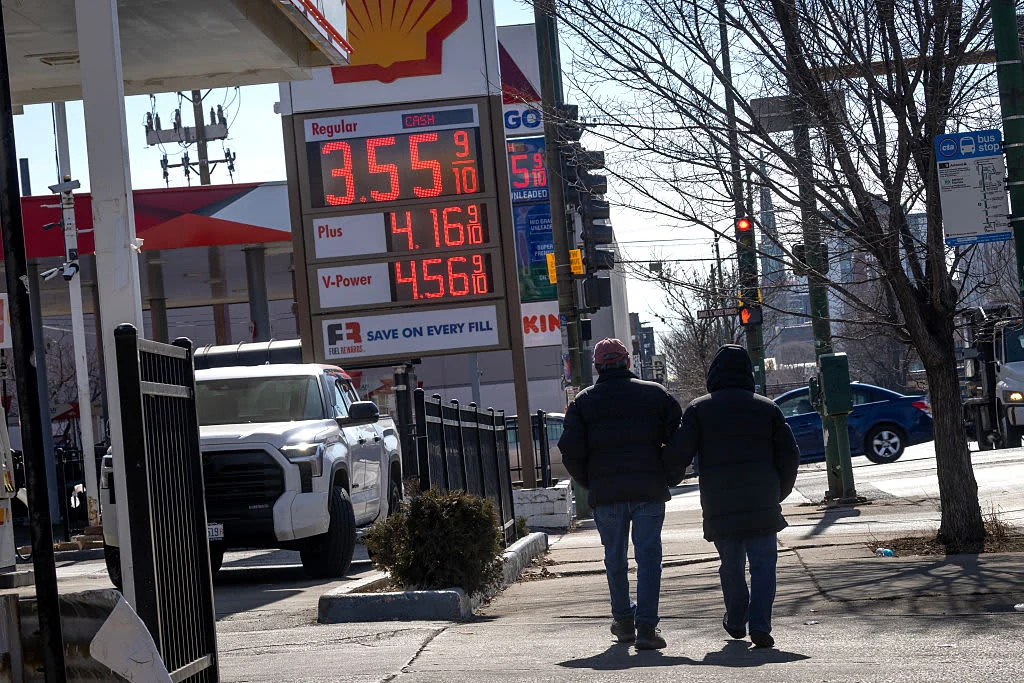
The reverberations of the recent U.S.-Israeli military actions against Iran, though geographically distant, have rapidly translated into tangible financial pressures for American consumers, manifesting as volatile markets, escalating borrowing costs, and a sharp increase in fuel prices. These immediate economic shocks are poised to exacerbate already fragile consumer sentiment and further elevate the cost of living as a dominant political issue in the lead-up to critical midterm elections.
The Geopolitical Catalyst: Strikes and Their Immediate Aftermath
The catalyst for this renewed economic unease stemmed from a series of U.S.-Israeli strikes on Iranian targets over the preceding weekend. While the specifics of these military engagements remain a subject of ongoing international discourse, their impact on global markets was swift and decisive. Geopolitical analysts had long warned that any significant escalation in the Middle East, a region pivotal to global energy supplies, could trigger widespread economic disruption. The immediate fallout saw a pronounced spike in crude oil prices, a knee-jerk reaction from investors wary of supply chain interruptions and a broader regional conflict that could choke vital shipping lanes, most notably the Strait of Hormuz, through which a significant portion of the world’s seaborne oil passes.
This sudden turn of events immediately put upward pressure on energy commodities, signaling potential inflationary headwinds for economies worldwide, particularly those heavily reliant on oil imports like the United States. The initial market response underscored the fragility of global supply chains and the sensitivity of financial instruments to geopolitical risk.
Energy Market Volatility: A Surge at the Pump
Perhaps the most immediate and visible impact on the average American has been the dramatic escalation in gasoline prices. According to data released by AAA, the national average for a gallon of regular unleaded gasoline surged to $3.25 on Thursday, marking an alarming 27-cent increase within a single week. This abrupt jump mirrors the swift ascent seen at the onset of Russia’s full-scale invasion of Ukraine in early 2022, an event that similarly sent shockwaves through global energy markets.
Further analysis by Bespoke Investment Group revealed that the 8.5% increase in gas prices over just three days represents the most significant short-term spike since Hurricane Katrina devastated the U.S. Gulf Coast in 2005, highlighting the severity and speed of the current price adjustment. The ripple effect extends beyond the pump, influencing logistics costs for businesses, transportation expenses for commuters, and the overall cost of goods and services, as higher fuel prices feed into the supply chain.
The upward trajectory is not expected to abate soon. Following Friday’s substantial jump in global oil prices, with U.S. crude oil futures breaking above $80 per barrel, gasoline futures trading in New York climbed an additional 2%. This indicates that consumers should brace for further increases in the coming days and weeks. This sudden reversal comes after a period of relative relief for motorists, as the average price of gasoline had fallen to its lowest level since 2021 late last year, offering a brief respite from the inflationary pressures that have characterized recent years. The current situation, therefore, feels like a double blow, erasing recent gains and reintroducing uncertainty.
Housing Market Repercussions: Rising Mortgage Rates and Affordability Concerns
The economic fallout from the Middle East tensions has not been confined to energy markets; it has also significantly impacted the housing sector, primarily through a sharp rise in mortgage rates. Data from Mortgage News Daily indicated that the popular 30-year fixed-rate mortgage jumped above 6.1% this week, reversing a recent trend that saw rates trading below 6% and hovering near multi-year lows.
This increase is directly correlated with the bond market’s reaction to the geopolitical developments. Mortgage rates broadly track the yield on the 10-year Treasury note, which climbed back above 4% this week in the wake of the attacks on Iran. The mechanism is straightforward: higher oil prices reignite concerns about inflation, prompting bond investors to demand higher yields to compensate for the erosion of future purchasing power. As Treasury yields rise, so do the costs of borrowing for other financial products, including mortgages.
For prospective homebuyers, this shift translates into significantly higher monthly payments, further eroding affordability in an already challenging housing market. Many potential buyers who were on the cusp of qualifying for loans or could afford specific price points may now find themselves priced out. This situation adds another layer of complexity to the broader housing crisis, where a shortage of inventory and sustained demand have kept home prices elevated across much of the nation. The prospect of sustained higher mortgage rates could cool the housing market, potentially leading to a slowdown in sales activity and a reevaluation of property values in some regions.
Stock Market Tremors: Investor Uncertainty and Recessionary Warnings

The financial markets have also experienced significant volatility, adding to the pervasive sense of uncertainty among consumers and investors alike. Major indices whipsawed throughout the week, reflecting investor apprehension regarding the potential economic ramifications of an escalating conflict.
On Thursday, the Dow Jones Industrial Average plummeted nearly 800 points, a direct reaction to U.S. crude oil prices breaking above $80 per barrel. This sharp decline reignited fears among investors about how a prolonged or intensified conflict could stifle global economic growth and corporate earnings. By week’s end, the blue-chip average had shed more than 2%, while the broader S&P 500 index saw a 0.7% decline. Specific sectors, such as airlines and transportation, which are heavily reliant on fuel, felt a more acute impact, while energy stocks often saw gains due to rising commodity prices.
The potential for a more severe economic downturn is a growing concern. Dan Niles, founder of Niles Investment Management, warned on CNBC’s "Power Lunch" that if U.S. crude prices were to climb above $100 per barrel, a global recession could ensue. However, Niles also expressed a cautious optimism, anticipating that the current conflict might be relatively short-lived, potentially lasting only about a month, which could mitigate the most severe long-term economic consequences. Despite this tempered outlook, the mere mention of a potential global recession underscores the gravity of the situation and its capacity to trigger widespread economic contraction.
Eroding Consumer Sentiment and the Political Dimension of Affordability
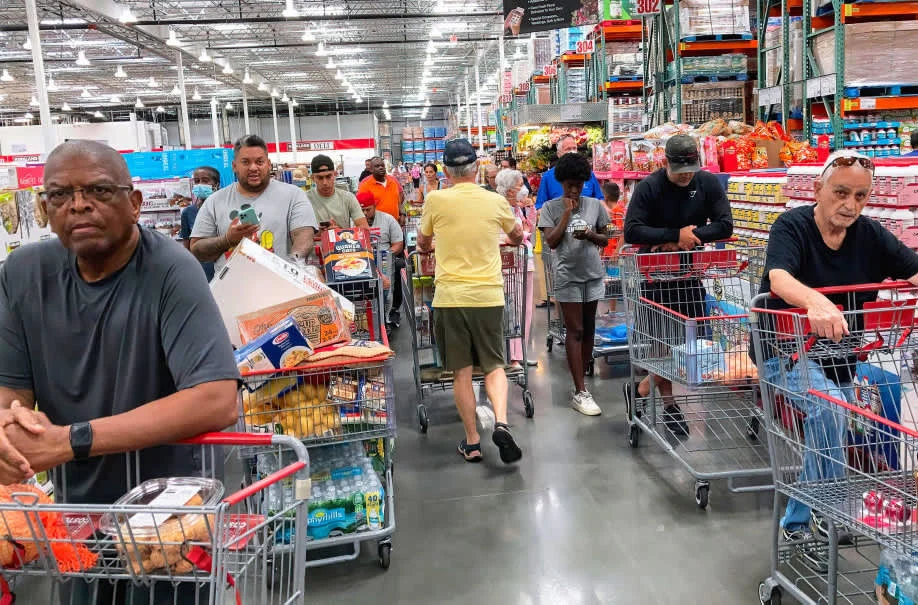
These multi-faceted economic ripple effects are intensifying the financial woes that have plagued many Americans since the runaway inflation experienced during the pandemic weakened their purchasing power and financial footing. Consumer sentiment, as meticulously tracked by the University of Michigan’s closely followed Surveys of Consumers, has tumbled to near-record lows in recent months. This decline reflects a confluence of factors, including persistent inflation, rising interest rates, and now, the added layer of geopolitical instability.
"Wars are never good for consumer sentiment," remarked Mark Brennan, an associate professor at New York University’s Stern School of Business. "They might be good for munitions, manufacturers and lobbyists and all these clowns, but not good for the average consumer." This sentiment encapsulates the widespread anxiety that permeates households grappling with the increasing cost of everyday necessities.
Even prior to the recent geopolitical flare-up, growing economic inequality and the stubbornly high cost of living had already propelled "affordability" into a leading political buzzword. With midterm elections on the horizon, the ability of Americans to manage their household budgets has become a central campaign issue. Voters are increasingly scrutinizing how economic policies and global events impact their daily lives, demanding solutions to the rising costs of housing, food, and energy. The current crisis adds another potent ingredient to this political cauldron, potentially influencing electoral outcomes as candidates contend with a populace increasingly ill at ease.
Potential Government and Central Bank Responses
In response to the escalating economic pressures, both the U.S. government and the Federal Reserve are likely closely monitoring the situation. The Energy Department might face increased calls to consider strategic petroleum reserve (SPR) releases, a tool previously employed to stabilize oil markets during times of crisis. However, as noted by some analysts, there has been no immediate discussion of an SPR release, indicating a cautious approach or an assessment that the current situation, while severe, has not yet reached a critical threshold demanding such intervention.
The Federal Reserve, already navigating a delicate balance between controlling inflation and sustaining economic growth, faces renewed challenges. Higher energy prices could reignite inflationary pressures, potentially complicating the Fed’s future interest rate decisions. Should inflation prove more persistent due to geopolitical factors, the central bank might be forced to adopt a more hawkish stance, potentially at the risk of stifling economic expansion. Conversely, an escalating conflict leading to a significant global slowdown could prompt a more dovish approach, highlighting the complex and often contradictory forces at play.
Long-Term Implications and Expert Perspectives
The broader implications of this renewed geopolitical instability extend beyond immediate price hikes and market fluctuations. A prolonged period of elevated energy costs could significantly impact global trade patterns, shift investment strategies, and accelerate the transition towards alternative energy sources as nations seek to reduce their reliance on volatile fossil fuel markets. Furthermore, sustained economic uncertainty could deter consumer spending and business investment, potentially slowing economic growth in the long run.
Economists are now reassessing their projections, factoring in the added layer of geopolitical risk. The consensus emerging is that the path to economic stability has become considerably more arduous. As Brennan aptly summarized, "Wars put everybody ill at ease. It’s hard to paint a rosy scenario coming out of any of this stuff." The intertwining of international conflict with domestic economic realities underscores the interconnectedness of the modern global system, where events thousands of miles away can have profound and immediate consequences on the financial well-being of ordinary citizens. The coming weeks will be critical in determining whether these economic ripples subside or evolve into a more substantial and enduring economic storm.
CNBC’s Sean Conlon, Pia Singh, and Diana Olick contributed reporting to this article.