Ena Muazin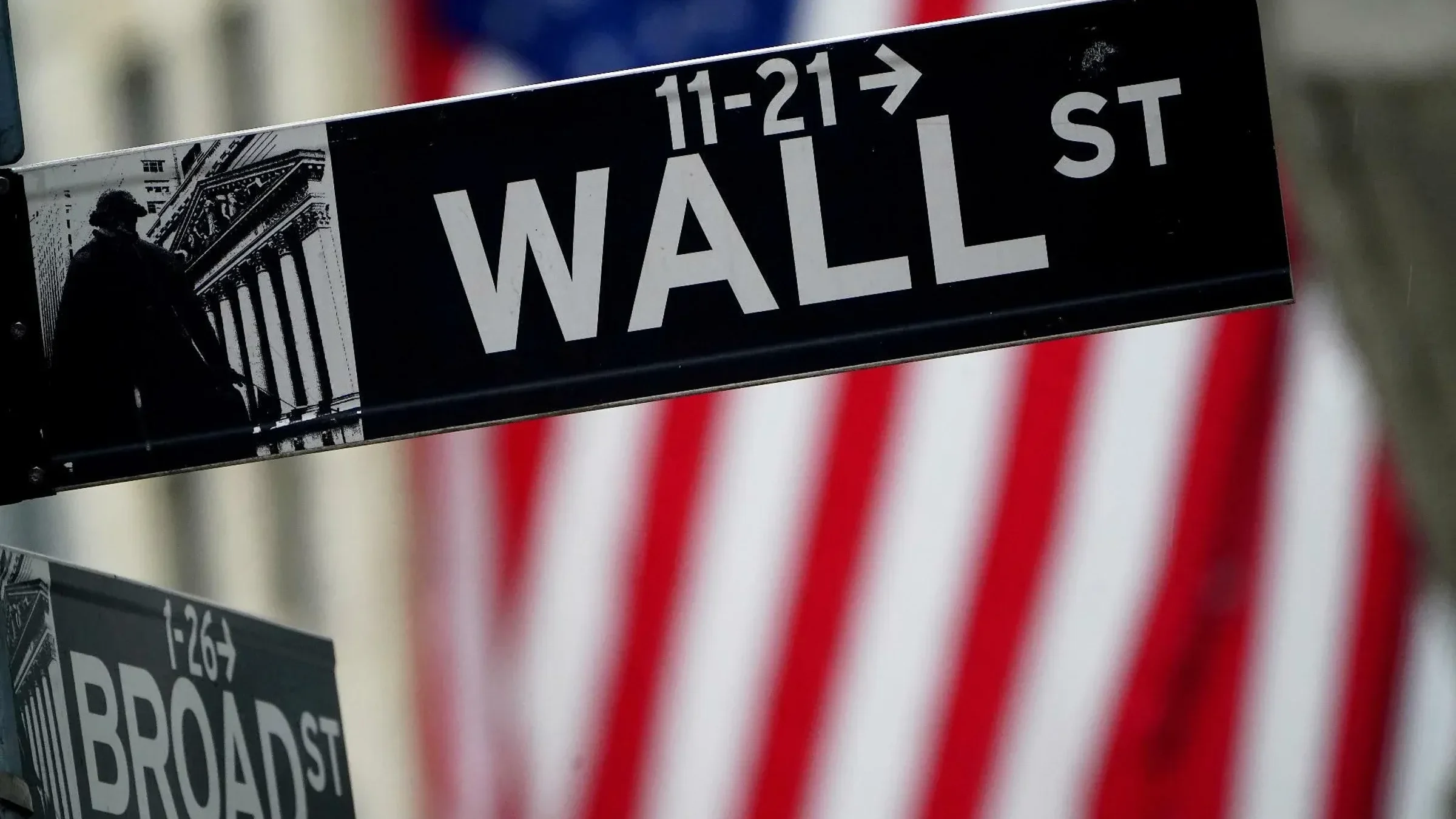
The global financial markets experienced a significant uplift on Monday, driven by an announcement from United States President Donald Trump that has been interpreted as a major step towards de-escalating tensions in the Middle East, particularly concerning Iran. Trump’s statement, disseminated through his social media platform, signaled a temporary pause in threatened military actions against Iran, leading to a palpable sense of optimism that translated into a tangible economic response. The price of crude oil saw a notable decline, while major stock indices on Wall Street registered substantial gains, reflecting a broad market consensus that the prospect of renewed conflict in the region had diminished.
The catalyst for this market reaction was President Trump’s declaration on Monday that the U.S. would suspend planned strikes on Iranian power plants for a period of five days. This decision, according to the President, stemmed from what he described as "productive" discussions held over the weekend with representatives of the Islamic Republic. The announcement followed a period of heightened rhetoric and escalating military posturing between the two nations, raising concerns about a potential wider conflict in the strategically vital Strait of Hormuz.
Background: A Precarious Standoff
The geopolitical climate surrounding Iran has been volatile for an extended period, marked by recurring points of friction between the United States and the Islamic Republic. The Trump administration has pursued a policy of "maximum pressure" against Iran, characterized by stringent economic sanctions and increased military presence in the region. This approach was largely a response to Iran’s nuclear program and its alleged destabilizing activities in the Middle East, including support for various militant groups.
In the days leading up to Trump’s announcement, the situation had intensified. President Trump had issued a stark ultimatum, demanding that Iran reopen the Strait of Hormuz within 48 hours. The Strait, a critical chokepoint for global oil shipments, has been a focal point of Iranian leverage and a constant concern for international maritime security. Iran, in response to the U.S. threats, had reportedly compiled a list of potential targets and issued counter-threats, including the possibility of mining sections of the Persian Gulf. This exchange of threats had pushed the region to a perceived precipice, with global markets bracing for the potential economic fallout of a military conflict.
Market Response: A Swift and Positive Reaction
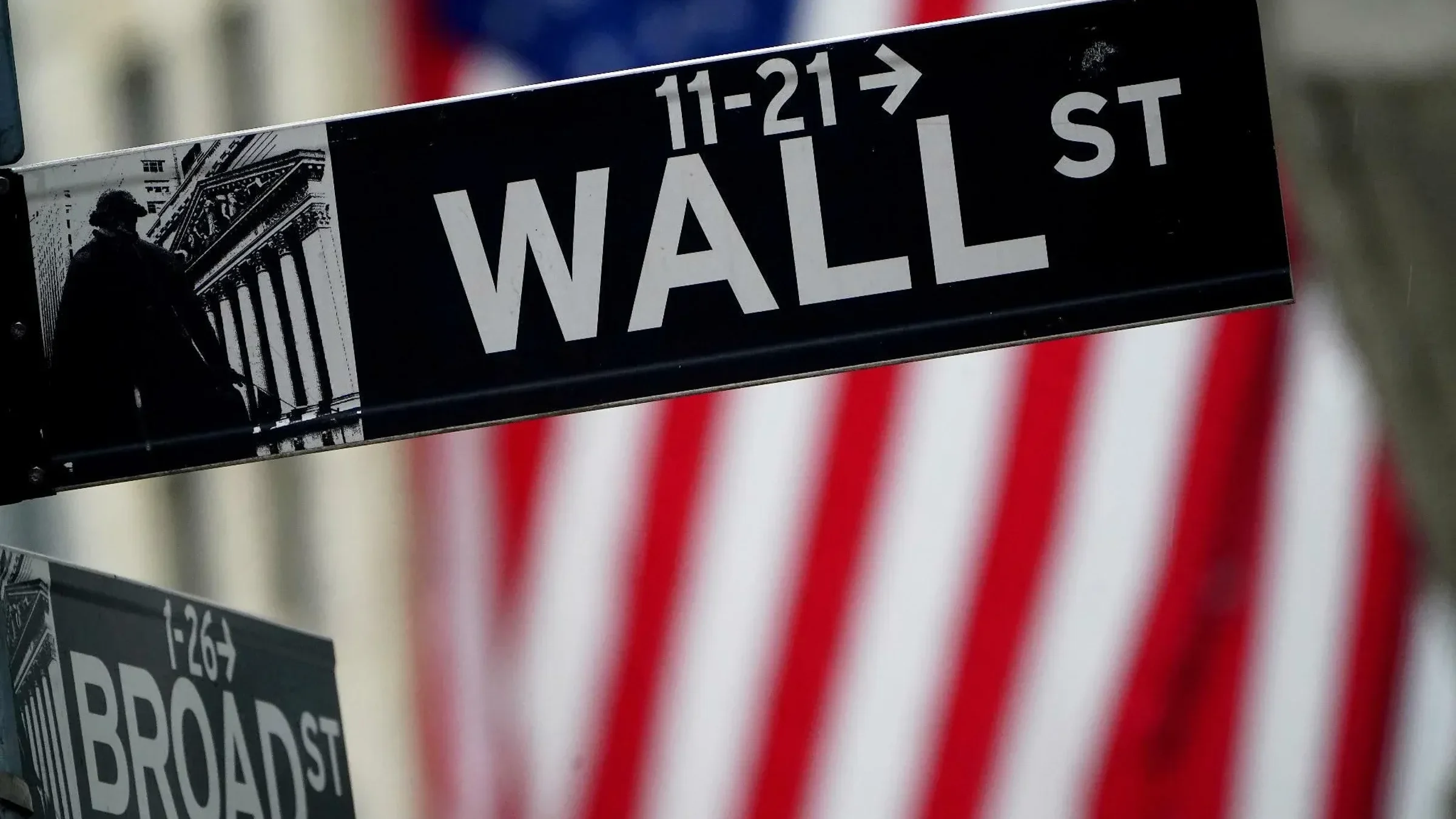
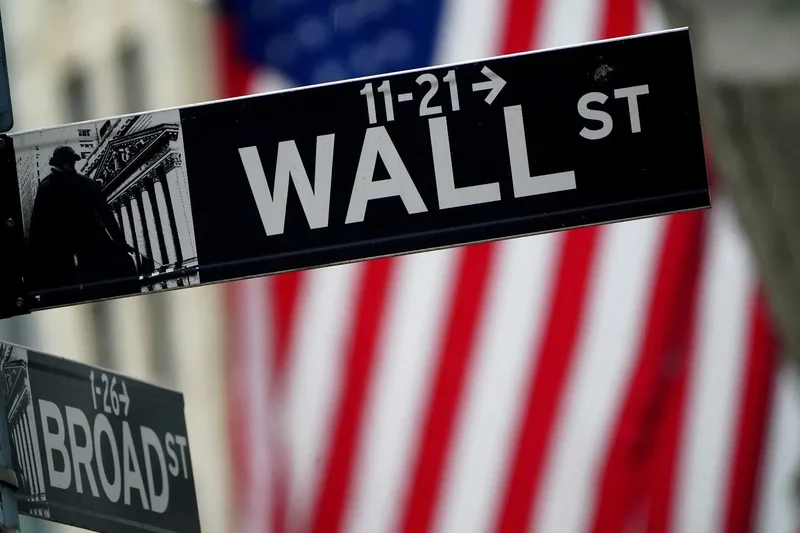
The immediate aftermath of Trump’s statement was a surge in financial markets. On Monday, shortly after the news broke, major U.S. stock indices experienced a significant uptick. The Dow Jones Industrial Average, the S&P 500, and the Nasdaq Composite all opened with robust gains. While some of these initial gains were pared back by midday trading, the indices continued to trade well into positive territory, indicating sustained investor confidence.
The energy sector, in particular, reacted to the news. The price of Brent crude oil, a global benchmark, fell by approximately 2% in early trading on Monday. This decline reflected the market’s assessment that the immediate risk of supply disruptions in the Persian Gulf had lessened. Lower oil prices typically benefit consumers and businesses by reducing transportation and energy costs, while also impacting the profitability of oil-producing companies.
The broader stock market rally was a clear indication of relief among investors. Geopolitical instability, especially in regions critical for global energy supply, often leads to market uncertainty and volatility. The prospect of a conflict involving Iran, a major oil producer, had been a significant overhang on global markets for weeks. Trump’s announcement, even if temporary, provided a much-needed reprieve, allowing investors to reassess risks and re-engage with equities.
Conflicting Narratives: Iran’s Denial
However, the narrative surrounding the "productive discussions" immediately encountered a significant challenge. Both the Iranian news agency Fars and the Speaker of the Iranian Parliament issued swift rebuttals to President Trump’s claims. According to these Iranian sources, there had been no negotiations whatsoever between Iranian officials and their U.S. counterparts over the weekend. This divergence in accounts raises questions about the basis of Trump’s statement and the potential for future misunderstandings.

The White House’s assertion of direct talks, countered by Iran’s explicit denial, creates a complex information landscape. It is possible that the "discussions" referred to by Trump were indirect, perhaps through intermediaries, or that the U.S. administration interpreted certain communications as more formal negotiations than they were perceived to be in Tehran. The discrepancy highlights the inherent difficulties in diplomatic communication, particularly between nations with strained relations.
Chronology of Escalation and De-escalation
To understand the significance of Monday’s events, it’s crucial to consider the recent timeline:

- Previous Week: U.S. stock markets closed significantly lower, with all three major indices experiencing losses ranging from 1% to 3%. This downturn was attributed, in part, to the escalating tensions with Iran.
- Friday: Reports indicated a growing concern among traders and analysts about the potential for military action in the Persian Gulf.
- Sunday: President Trump took to his social media platform, Truth Social, to issue a direct threat to Iran. He stated that if Iran did not release the Strait of Hormuz within 48 hours, the U.S. would proceed with the destruction of Iranian energy infrastructure. This was a significant escalation in rhetoric.
- Sunday (Later): Iran responded by publicizing a list of potential targets and issuing warnings about mining parts of the Persian Gulf, further increasing regional anxieties.
- Monday Morning: President Trump announced the suspension of planned strikes, citing "productive discussions." This announcement immediately triggered a positive market reaction.
- Monday (Midday): Iranian news agencies and parliamentary leadership denied that any such discussions had taken place, creating uncertainty and questioning the foundation of Trump’s de-escalation announcement.
Analyzing the Implications
The immediate implications of President Trump’s statement are primarily economic. The relief felt by global financial markets suggests that the threat of a disruptive conflict in the Persian Gulf was a significant factor contributing to market caution. The drop in oil prices, if sustained, could provide a boost to global economic growth by lowering input costs for businesses and increasing disposable income for consumers.
However, the conflicting narratives surrounding the "discussions" introduce an element of fragility to this optimism. If the U.S. claims of productive engagement are not substantiated by Iranian confirmation, the de-escalation could be short-lived. This situation underscores the importance of clear and verifiable communication in international relations, especially when dealing with high-stakes geopolitical issues.

The market’s positive reaction, while understandable, is also a reminder of how sensitive global economies are to geopolitical stability. The events of the past week demonstrate that even the threat of conflict can have significant economic consequences, and that any perceived movement towards resolution can lead to swift and substantial market adjustments.
Furthermore, the incident highlights the unconventional role that social media plays in modern diplomacy. President Trump’s use of Truth Social to announce critical foreign policy decisions has become a characteristic of his communication style, often bypassing traditional diplomatic channels. While this can lead to rapid dissemination of information, it also carries the risk of ambiguity and misinterpretation, as seen in this instance.
Future Outlook: Navigating Uncertainty

The coming days will be crucial in determining the long-term impact of this episode. The market will be closely watching for any further clarification or confirmation from both the U.S. and Iran regarding the nature of their interactions. The potential for a renewed escalation remains, particularly if the underlying issues that led to the standoff are not addressed through sustained diplomatic efforts.
For now, the financial markets have reacted positively to the perceived easing of tensions. The drop in oil prices and the rise in stock values represent a temporary respite from the anxieties of potential conflict. However, the underlying geopolitical dynamics in the Middle East remain complex and volatile, and the effectiveness of this de-escalation will depend on the ability of both sides to engage in genuine and transparent dialogue. The world will be observing to see if this moment of market euphoria can translate into lasting stability in a critical region.