Farhan Pambudi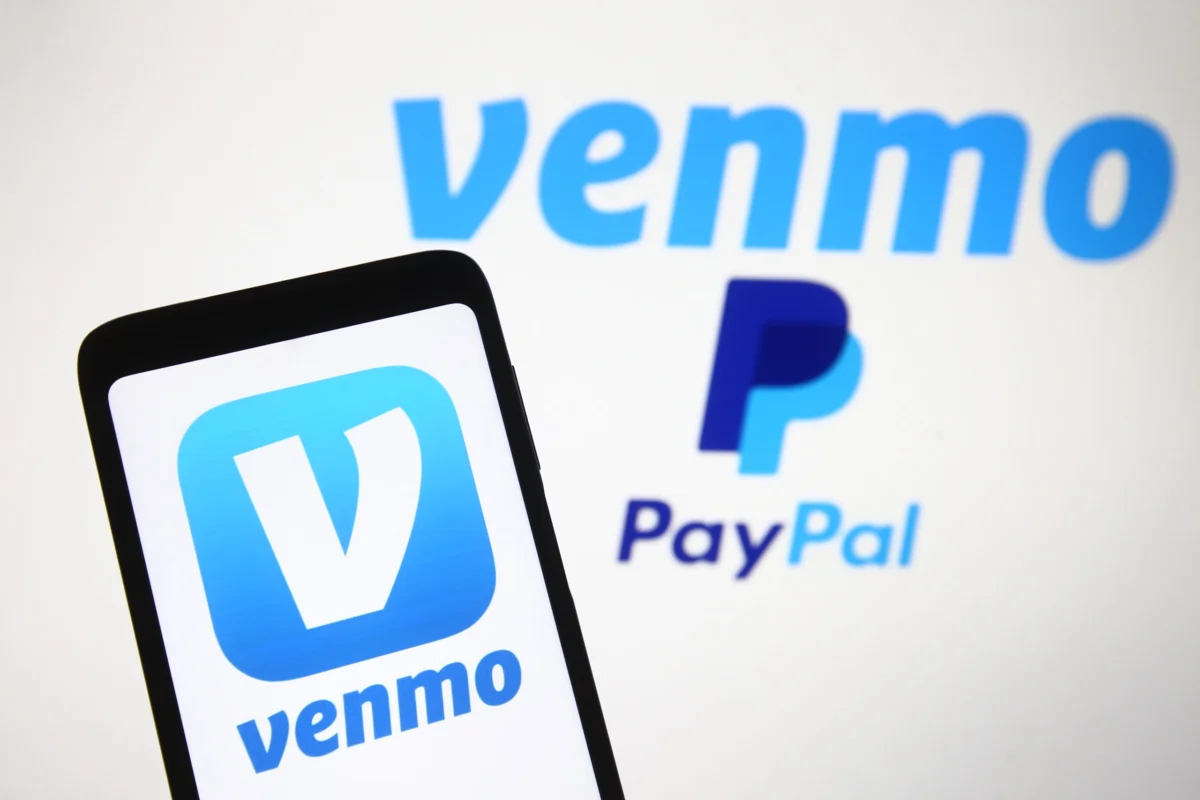
Reports indicating that the fintech giant Stripe may be pursuing a monumental acquisition of PayPal Holdings have been countered by new disclosures suggesting that no formal discussions are currently taking place. Following a week of intense market speculation triggered by a Bloomberg report, sources familiar with the matter told Semafor that the two payment titans are not engaged in active negotiations. This development comes at a critical juncture for PayPal, which is navigating a high-stakes leadership transition and fortifying its defenses against potential hostile takeover attempts or activist investor campaigns.
The initial wave of speculation began earlier this week when Bloomberg reported that Stripe had expressed interest in acquiring some or all of PayPal Holdings. Such a deal would have represented one of the largest consolidations in the history of the financial technology sector, bringing together PayPal’s massive consumer base and flagship products, including the ubiquitous Venmo, with Stripe’s sophisticated payment processing infrastructure. While Stripe declined to comment on the initial reports, the possibility of a merger sent ripples through the financial markets, prompting analysts to weigh the feasibility of such a massive integration.
However, the narrative shifted as additional details emerged regarding PayPal’s internal operations. According to unnamed sources cited by Semafor, PayPal has been working closely with investment bankers not to facilitate a sale, but to prepare for external threats. These preparations were reportedly initiated during the tenure of Alex Chriss, PayPal’s recently ousted CEO. The involvement of financial advisors suggests that the company is bracing for a possible activist investor campaign or a hostile takeover bid—a defensive posture often taken by legacy tech firms when their stock performance lags behind sector peers. With a new CEO scheduled to take the helm next week, the company appears to be in a state of strategic flux, prioritizing internal stability over a transformative exit.
A Chronology of the Acquisition Speculation
The timeline of the current situation highlights the volatility and rapid pace of the fintech news cycle. On February 24, 2026, reports surfaced that Stripe was "eyeing a deal" for PayPal. This news was particularly striking given the historical trajectories of the two companies. PayPal, a pioneer of the digital wallet era, has faced increasing pressure from newer, more agile competitors, while Stripe has maintained a dominant position in the developer-centric payment processing market.
By February 26, 2026, the narrative began to pivot. Semafor’s reporting indicated that despite the rumors of interest, there were no active talks between the leadership teams of the two organizations. Instead, the focus shifted toward PayPal’s defensive measures. The revelation that bankers were hired to defend against activist investors suggests that the company’s board of directors is concerned about maintaining control during its leadership transition.
The transition itself is a pivotal moment in the company’s history. Alex Chriss, who took the role of CEO with the intent of streamlining operations and revitalizing growth, has departed the company under circumstances that the market is still digesting. The incoming CEO, who remains unnamed in initial reports but is slated to begin their tenure next week, will inherit a company that is simultaneously a market leader and a target for structural reform.
Financial Context and Market Data
To understand why an acquisition of PayPal would be such a significant event, one must look at the sheer scale of the entities involved. As of early 2026, PayPal Holdings remains a cornerstone of global e-commerce. The company processes trillions of dollars in total payment volume (TPV) annually across its various platforms, which include PayPal, Venmo, Braintree, and Honey.
In its most recent fiscal reports, PayPal demonstrated a robust, albeit slowing, growth trajectory. While the company continues to generate significant free cash flow, its stock price has struggled to regain the heights seen during the e-commerce boom of the early 2020s. This valuation gap is often what attracts activist investors, who seek to force changes in management, divestitures of non-core assets, or a total sale of the company to unlock shareholder value.
Stripe, by contrast, has remained a private entity for the majority of its existence, despite frequent rumors of an impending initial public offering (IPO). Stripe’s valuation has fluctuated in the private markets, but it remains one of the most valuable startups in the world. An acquisition of PayPal by Stripe would have been an unconventional "reverse" move in some respects, given PayPal’s status as a public legacy incumbent and Stripe’s status as a private disruptor. However, Stripe’s expansion into enterprise services and its pursuit of a "financial operating system" for the internet would have been vastly accelerated by acquiring PayPal’s consumer-facing ecosystem.
Defensive Posturing and the Role of Activist Investors
The involvement of investment bankers to prepare for "activist campaigns" is a standard but serious defensive maneuver. In the corporate world, activist investors—such as Elliott Investment Management or Nelson Peltz’s Trian Fund Management—typically acquire a minority stake in a company and then lobby for significant changes. In PayPal’s case, an activist might argue for the spin-off of Venmo, which has a massive user base but has faced challenges in achieving full monetization parity with the core PayPal product.
A hostile takeover, while rarer in the high-cap tech space, occurs when an acquiring company goes directly to the target’s shareholders or fights to replace the board of directors after management rejects a merger proposal. By hiring bankers during Alex Chriss’s final months, PayPal leadership signaled that they viewed the company as vulnerable. The transition to a new CEO provides a window of opportunity for such external pressures to mount, as the new leader may not yet have the established mandate to rebuff aggressive shareholder demands.
Official Responses and Industry Silence
As is common in high-stakes corporate maneuvering, official communication has been sparse. Stripe has consistently declined to comment on the news of its purported interest in PayPal. This silence is often interpreted by market analysts in two ways: either as a sign that talks are in a sensitive, non-disclosure phase, or as a refusal to engage with unfounded rumors.
PayPal has also maintained a disciplined stance regarding the reports. The company did not respond to requests for comment from TechCrunch and other major outlets following the Semafor report. This lack of denial or confirmation leaves the market to rely on the accounts of "people familiar with the matter," a common practice in reporting on mergers and acquisitions where formal announcements are only made once a definitive agreement is reached.
The departure of Alex Chriss adds another layer of complexity to the company’s public relations strategy. With the CEO office in transition, the company’s board is likely prioritizing internal alignment and the onboarding of the new executive over addressing external market speculation.
Broader Implications for the Fintech Ecosystem
The potential—even if currently unrealized—for a Stripe-PayPal merger raises significant questions about the future of the fintech industry. If such a deal were to eventually move forward, it would likely face intense scrutiny from antitrust regulators in the United States and the European Union. Regulators have become increasingly wary of "killer acquisitions" or mergers that result in a market-dominating entity that could stifle competition in the digital payments space.
From a technological standpoint, the integration of PayPal and Stripe would represent a fusion of two different eras of the internet. PayPal was built on the foundations of the early web, focusing on consumer trust and peer-to-peer transfers. Stripe was built for the API economy, focusing on the infrastructure that allows businesses to accept payments with minimal friction. A unified entity would theoretically control the entire payment stack, from the consumer’s digital wallet to the merchant’s backend ledger.
However, the current reports suggest that PayPal is more focused on its own internal "Chapter 2." The incoming CEO will be tasked with proving that PayPal can innovate independently. This includes leveraging artificial intelligence to reduce fraud, expanding the utility of the PayPal USD (PYUSD) stablecoin, and further integrating Venmo into the retail checkout experience.
Conclusion and Future Outlook
While the immediate rumors of a Stripe-led acquisition of PayPal have been downplayed by recent reporting, the underlying factors that made the rumor plausible remain. PayPal is a company in transition, facing valuation pressures and leadership changes that naturally attract the attention of both competitors and activist investors. The defensive measures taken by the company during the transition from Alex Chriss to the new leadership suggest that the board is preparing for a period of external scrutiny.
As the new CEO begins their tenure next week, the financial community will be watching closely for any shifts in strategy. Whether PayPal remains an independent powerhouse or eventually becomes a piece of a larger consolidated fintech entity will depend on the new leadership’s ability to drive growth and satisfy a restless shareholder base. For now, the "talks" between Stripe and PayPal appear to be more a matter of market speculation than imminent corporate reality, but in the fast-moving world of global finance, the situation remains fluid.