Gilang Muhammad
As Kevin Warsh prepares to potentially assume the mantle of Federal Reserve Chair, presumably in May 2026, he faces an economic landscape fraught with peril, presenting a profound "Hobson’s choice" between combating persistent inflation and safeguarding a nascently fragile labor market. The former Federal Reserve governor and Treasury official is poised to inherit a "perfect storm" of brewing stagflationary pressures, a scenario widely considered a central banker’s worst nightmare. This complex environment demands a delicate balancing act, challenging the Fed’s core dual mandate of achieving both stable prices and maximum employment.
A Profile of the Next Federal Reserve Leader: Kevin Warsh’s Background and Philosophy
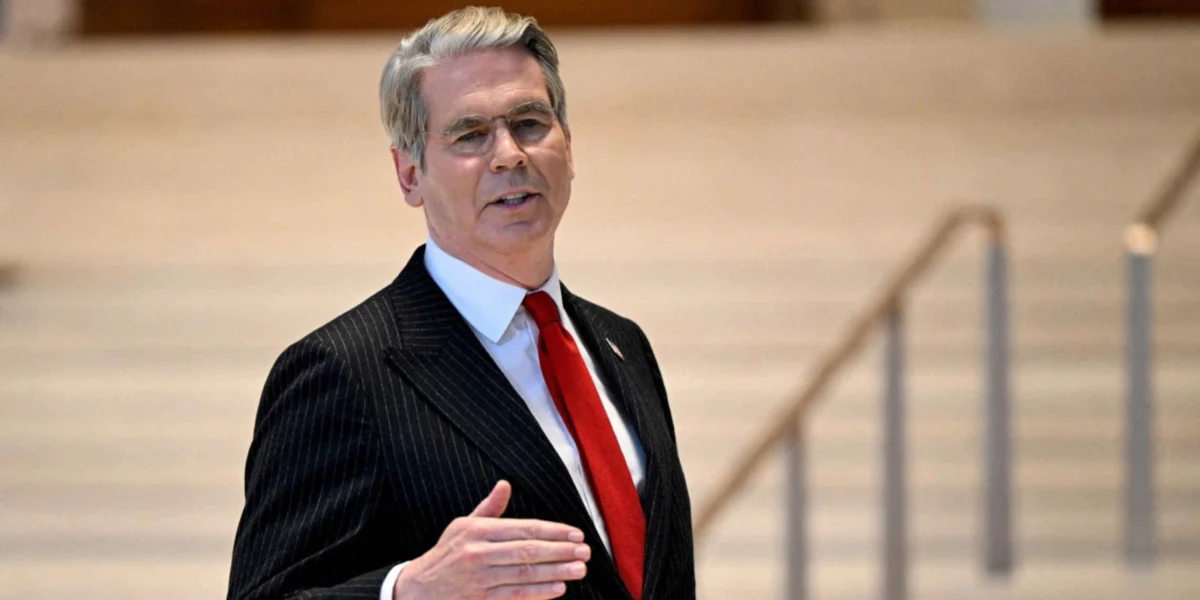
Kevin Warsh, an influential figure in economic policy circles, brings a distinctive blend of academic rigor and practical experience to the forefront of the nation’s central bank. Educated at Stanford University and Harvard Law School, Warsh served as a governor on the Federal Reserve Board from 2006 to 2011, making him the youngest governor in the Fed’s history at the time of his appointment. During his tenure, he played a critical role in the Fed’s response to the 2008 financial crisis, contributing to monetary policy decisions and the implementation of unconventional measures like quantitative easing. Prior to his Fed role, Warsh served as Special Assistant to the President for Economic Policy and Executive Secretary of the National Economic Council under President George W. Bush. His career trajectory also includes significant time in the private sector, notably at Morgan Stanley.
Warsh is often characterized as a pragmatic conservative with a keen understanding of financial markets. While generally perceived as more hawkish on inflation than some of his peers, advocating for disciplined monetary policy, he has also demonstrated adaptability in crisis. His selection by President Donald Trump is viewed by some as an attempt to usher in a period of more growth-oriented monetary policy, potentially aligning with the administration’s desire for lower interest rates. This background sets the stage for a leader who understands both the theoretical underpinnings and the practical implications of monetary policy decisions, but who now must navigate an unprecedented confluence of challenges.
The Geopolitical Undercurrent: Iran Conflict and Global Energy Markets
A significant destabilizing factor in the current economic equation is the ongoing geopolitical turmoil, specifically the Iran war, which has sent shockwaves through global energy markets. The conflict, escalating in late 2025 and early 2026, rapidly pushed benchmark U.S. crude oil prices briefly above $100 a barrel in March 2026. This dramatic surge marked a critical inflection point, raising immediate concerns about inflationary pressures. While prices subsequently slipped back after President Trump provided assurances of a swift resolution to the conflict, the incident highlighted the extreme vulnerability of the global economy to supply shocks from key energy-producing regions.
The direct and indirect consequences of such a spike are multifaceted. Beyond the immediate impact on fuel costs for consumers and businesses, elevated energy prices ripple through supply chains, increasing transportation costs for goods and raw materials. This can squeeze corporate profit margins or, more likely, be passed on to consumers in the form of higher prices for a vast array of products. The conflict also injected a significant degree of uncertainty into investment decisions and consumer confidence, further complicating the Fed’s assessment of economic stability. The duration and intensity of the conflict, and thus the sustained impact on energy prices, remain critical variables for Warsh’s impending term.
A Fragile Economic Landscape: Persistent Inflation and a Softening Labor Market
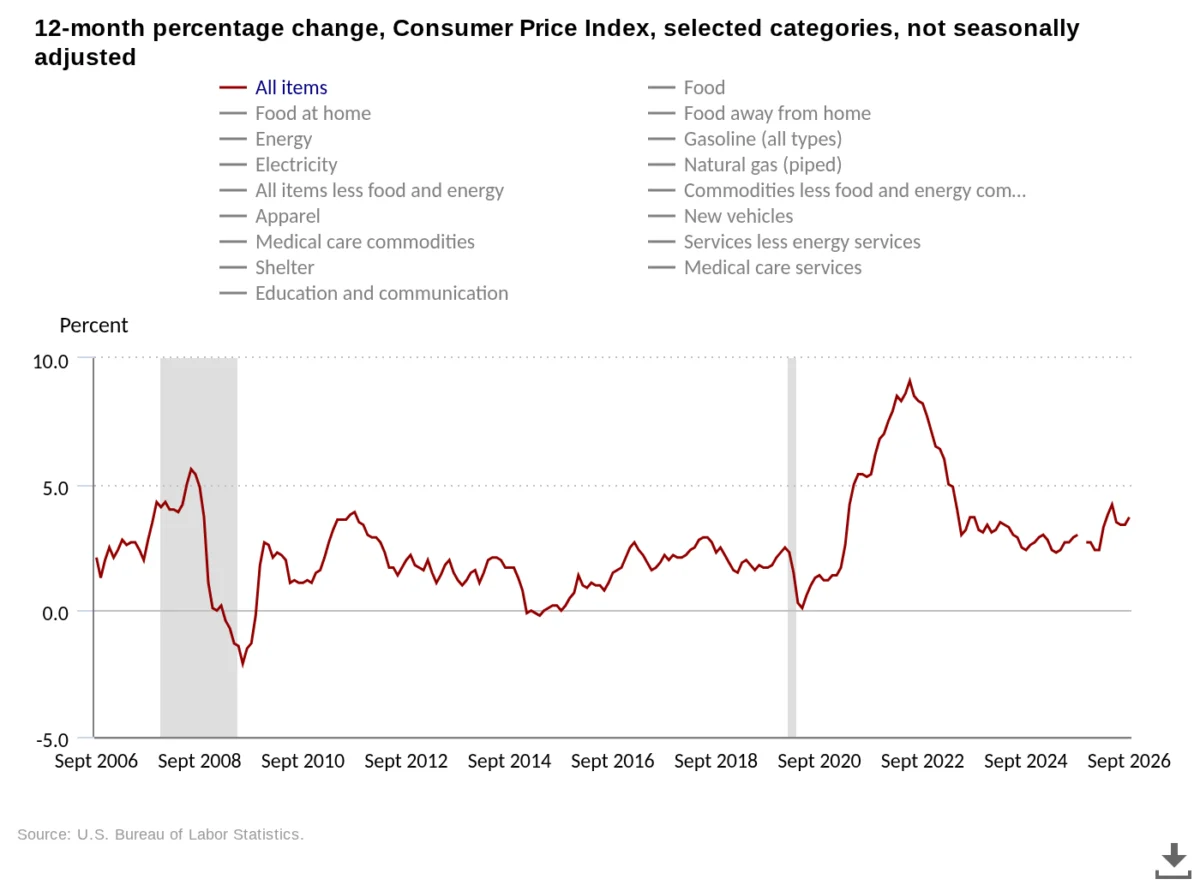
The confluence of events Warsh is set to inherit points to a precarious balance within the U.S. economy. On one hand, inflation, far from being "tamed" as the Trump administration contended prior to the war, has proven stubbornly persistent. The Personal Consumption Expenditures (PCE) price index, the Fed’s preferred inflation gauge, showed sticky readings through December 2025, suggesting underlying price pressures beyond transient factors.
This "sticky inflation" is exacerbated by rising manufacturing costs. Data from the Institute for Supply Management (ISM) revealed that its manufacturing price gauge hit a nearly four-year high in February 2026. Purchasing managers across U.S. factories reported continuous increases in input costs, partly fueled by the administration’s tariffs on imported goods. These tariffs, intended to protect domestic industries, inadvertently contributed to higher production costs for many American businesses, costs that are eventually absorbed by consumers. Moreover, the energy price spike has a direct impact on agricultural inputs, with urea fertilizer prices soaring by 15% since the fighting began. Such increases inevitably translate into higher food prices, threatening to broaden inflationary pressures beyond energy to essential household goods. Analysts like Troy Ludtka, senior U.S. economist at SMBC Nikko Securities, warn that if energy prices remain elevated, headline inflation could climb over 3%, placing significant strain on household budgets.
Simultaneously, the labor market, while not in outright collapse, is showing concerning signs of weakening. The February 2026 jobs report painted a "wobbly jobs picture," indicating a slowdown in hiring and potentially an uptick in unemployment. This softening is particularly troubling when juxtaposed with rising prices, creating a challenging environment for average Americans. Wage growth, a key indicator of labor market health, has become increasingly uneven. Bank of America data from February 2026 highlighted a stark divergence: after-tax wage growth for top earners increased by 4.2% annually, compared to a mere 0.6% for lower earners. This represents the widest gap in the data series going back to 2015, underscoring growing income inequality and placing disproportionate pressure on lower-income households struggling with escalating costs. Retail sales, another barometer of consumer health, were flat in December 2025, missing expectations and suggesting that consumer finances were already under pressure even before the latest energy shock.
The Specter of Stagflation: A Central Banker’s Worst Nightmare Revisited
The combination of high inflation and low economic growth, commonly known as stagflation, represents a truly dire scenario for any central bank. This economic phenomenon, last seen prominently in the 1970s, is a "Fed official’s worst nightmare" because it renders conventional monetary policy tools largely ineffective and forces an agonizing choice. Typically, central banks raise interest rates to combat inflation by dampening demand, or they lower rates to stimulate economic growth and job creation. In a stagflationary environment, doing one risks exacerbating the other. Raising rates to curb inflation could further stifle an already weakening economy and depress employment, while lowering rates to boost growth could ignite even higher inflation. The preferred third option – maintaining current rates to strike a balance – becomes virtually impossible when both inflation and unemployment are moving in undesirable directions.
The 1970s experience under then-Fed Chair Paul Volcker serves as a stark historical parallel and a cautionary tale. Volcker ultimately had to implement drastic interest rate hikes, pushing the economy into a severe recession, to break the back of entrenched inflation. The current environment, with spiraling energy costs, manufacturing price increases, and a softening labor market, evokes echoes of that challenging era, placing immense pressure on Warsh to find a solution that avoids similar economic pain while restoring stability.
Navigating the Dual Mandate: Policy Tools and Internal Divisions

The Federal Reserve’s statutory dual mandate – to promote maximum employment and stable prices – is already inherently challenging, as these objectives can often conflict. In the current environment, this conflict is amplified to an unprecedented degree. The Fed’s primary tool for managing the economy is the federal funds rate, which influences borrowing costs throughout the financial system. Raising rates cools an overheating economy and curbs inflation, while lowering rates stimulates borrowing, spending, and investment.
Warsh’s task is complicated by an already divided Federal Open Market Committee (FOMC), the Fed’s primary policymaking body. Minutes from January 2026 revealed significant disagreements among central bankers regarding the future path of monetary policy. Some members likely lean towards prioritizing inflation control, advocating for a hawkish stance even at the risk of further slowing growth. Others may emphasize the weakening labor market and consumer struggles, arguing for a more accommodative, dovish approach. Ludtka from SMBC Nikko Securities notes that this division is "only going to increase from here." While central bankers traditionally tend to "look through" temporary oil shocks, the scale and persistence of the current energy price surge, coupled with broader inflationary pressures, may force them to acknowledge longer-term disruptions.
Presidential Pressure and Fed Independence: A Recurring Tension
Adding another layer of complexity to Warsh’s challenge is the explicit and public pressure from President Donald Trump. The President has consistently advocated for substantially lower interest rates, arguing that inflation was no longer a significant threat to the economy prior to the recent conflict and that the Fed should continue the rate cuts it initiated in September 2025. This direct intervention by the executive branch into monetary policy creates a delicate situation for the incoming Fed Chair.
The independence of the Federal Reserve from political interference is a cornerstone of its credibility and effectiveness. It allows the central bank to make difficult, sometimes unpopular, decisions necessary for the long-term health of the economy, free from short-term political considerations. Historically, presidents have often voiced their preferences, but the current administration has been particularly vocal. Warsh will face intense scrutiny regarding his ability to resist political pressure while making decisions that are solely in the best interest of the nation’s economic stability, potentially alienating the very president who appointed him. The choices he makes will not only shape the economy but also define the institutional integrity of the Federal Reserve.
Consumer Resilience Under Strain: Uneven Spending and Growing Disparities
Despite the mounting challenges, one factor that has historically provided some resilience to the U.S. economy is the robust American consumer. Recent data from Bank of America showed consumer spending rising 3.2% in February 2026 from a year earlier, marking the biggest increase in over three years. This continued spending, however, masks a concerning underlying trend: its strength is increasingly concentrated among higher-income households. The widening gap in wage growth, where top earners see substantial increases while lower earners barely keep pace, underscores this disparity.
Monetary policy, while a powerful tool for managing aggregate demand and inflation, has proven to be an ineffective weapon against income inequality. The Fed’s actions often have broad-brush effects, and while a strong economy generally benefits all, specific policy levers are ill-suited to directly address wealth disparities. As lower-income households face the dual burden of stagnant wages and rising prices, their ability to sustain consumption will inevitably diminish, threatening the overall stability of consumer spending. If further signs emerge that these households are struggling with both higher prices and a weakening labor market, it could sway the Fed towards a more dovish stance, prioritizing support for employment and demand, even if it means tolerating slightly higher inflation in the short term.
Market Reactions and Future Trajectories: The Path Ahead for Interest Rates
Financial markets have been closely watching the unfolding economic narrative, with traders recalibrating their expectations for future interest rate movements. Following the oil price spike and persistent inflation concerns, market participants have pulled back expectations for rate cuts, anticipating the first move not until September 2026, and pushing a second potential cut well into 2027. This reflects a "hawkish" market response, where investors believe the Fed will prioritize inflation control and maintain higher rates for longer.
However, some economists argue that this market reaction "could be a mistake." Aditya Bhave, an economist at Bank of America, suggests that traders might be misreading the current situation by automatically assuming the Fed will prioritize inflation above all else. Given the signs of a weakening labor market and the struggles of lower-income consumers, the Fed, under Warsh, might be more inclined to "look through" a temporary oil spike and consider a path towards lower rates to support economic growth and employment. The critical determinant will be whether the Fed views the current inflationary pressures as transitory and supply-side driven, or as deeply entrenched and demand-driven. The choice will have profound implications for bond yields, equity markets, and the broader financial system.
Broader Implications: Domestic and Global Economic Outlook
The challenges facing Kevin Warsh extend beyond the immediate domestic concerns, casting a long shadow over the global economic outlook. A misstep in U.S. monetary policy could have far-reaching consequences. Domestically, an overly aggressive tightening could tip a fragile economy into recession, exacerbating unemployment and financial distress. Conversely, an overly dovish stance could allow inflation to become entrenched, eroding purchasing power and long-term economic stability.
Globally, U.S. monetary policy decisions ripple through international markets. Higher U.S. interest rates can attract capital flows, strengthening the dollar but potentially destabilizing emerging markets by increasing their debt burdens. Energy price volatility, fueled by geopolitical tensions, adds another layer of global risk, impacting inflation and growth across continents. Warsh’s leadership will be tested not only in his ability to navigate the domestic "perfect storm" but also in his capacity to coordinate with international central banks and maintain global financial stability during a period of heightened uncertainty.
Conclusion: A Defining Era for Federal Reserve Leadership
Kevin Warsh is poised to embark on one of the most challenging tenures in the Federal Reserve’s modern history. He inherits an economy caught between the persistent specter of inflation, fueled by geopolitical conflicts and domestic cost pressures, and a labor market showing concerning signs of fragility. His every decision will be scrutinized by markets, politicians, and the public, as he endeavors to uphold the Fed’s dual mandate under extraordinary circumstances. How Warsh confronts the "buzzsaw" of stagflation, manages internal committee divisions, and asserts the Fed’s independence amidst presidential pressure will not only define his legacy but also shape the trajectory of the U.S. and global economies for years to come. This era demands a leader with conviction, adaptability, and an unwavering commitment to the nation’s economic well-being.