Lina Wu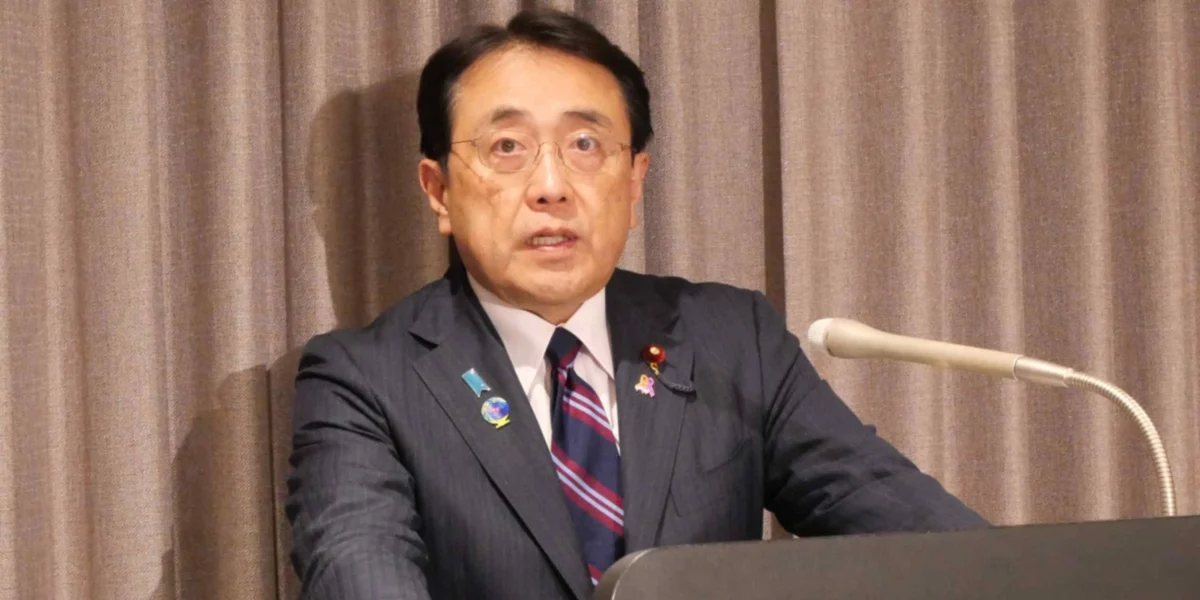
TOKYO – In a significant move to bolster economic security and technological advancement, Japan and the United States have formalized an agreement to establish a comprehensive framework for cooperation on critical minerals. This initiative, announced following an Indo-Pacific energy security meeting in Tokyo on March 15, 2026, aims to create robust and resilient supply chains for essential resources, with a particular focus on rare earth elements. The partnership underscores a shared commitment to diversifying sourcing, mitigating geopolitical risks, and ensuring uninterrupted access to minerals crucial for defense, renewable energy, and advanced manufacturing.
Strategic Imperative: The Growing Demand for Critical Minerals
The impetus behind this bilateral framework lies in the escalating global demand for critical minerals, which are indispensable for the development and production of a vast array of modern technologies. Rare earth elements, a group of 17 chemically similar metals, are vital components in everything from smartphones, electric vehicle motors, and wind turbines to advanced defense systems and medical imaging equipment. Their unique magnetic and conductive properties make them irreplaceable in many high-tech applications.
However, the supply chain for these minerals is heavily concentrated, with China currently dominating both the extraction and processing of a significant portion of the world’s rare earth supply. This concentration creates a vulnerability that has become increasingly apparent in recent years, prompting nations like Japan and the United States to seek greater supply chain security and independence. The COVID-19 pandemic and subsequent geopolitical tensions further highlighted the fragility of global supply networks, accelerating efforts to build more diversified and localized sourcing strategies.
Genesis of the Framework: A Timeline of Collaboration
The agreement marks the culmination of extensive diplomatic engagements and strategic planning between Tokyo and Washington. Discussions regarding enhanced cooperation on critical minerals have been ongoing for several years, gaining momentum through various bilateral and multilateral forums.
- Early 2020s: Initial dialogues emerge as concerns over supply chain vulnerabilities intensify, driven by China’s market dominance and its use of critical minerals as a geopolitical tool.
- 2023-2024: Joint working groups are established to identify areas of mutual interest and potential collaboration in mineral exploration, extraction, processing, and recycling. This period sees detailed assessments of each nation’s strengths and weaknesses in the critical minerals sector.
- Late 2024 – Early 2025: The conceptualization of a formal framework begins to take shape, focusing on shared principles of supply chain resilience, sustainable sourcing, and technological innovation.
- March 15, 2026: The framework is formally agreed upon in Tokyo, with Japanese industry minister Ryosei Akazawa addressing the press following an Indo-Pacific energy security meeting. This announcement signals a new era of strategic partnership.
Key Pillars of the New Framework
While specific operational details are still being finalized, the core tenets of the Japan-U.S. critical minerals cooperation framework are understood to encompass several key areas:
1. Diversified Sourcing and Exploration
A primary objective is to reduce reliance on any single supplier by actively seeking and developing new sources of critical minerals outside of concentrated geopolitical spheres. This will involve:
- Joint Investment in Exploration: Both nations will likely explore opportunities for joint ventures and investments in mineral exploration projects in geologically promising regions, including their own territories and friendly third countries.
- Support for Domestic Production: Encouraging and supporting domestic extraction and processing capabilities through financial incentives, regulatory streamlining, and technological assistance.
- Partnerships with Resource-Rich Nations: Engaging with countries that possess significant reserves of critical minerals but may lack the technological or financial capacity for large-scale extraction and processing, offering partnership opportunities.
2. Advanced Processing and Refining Capabilities
Beyond extraction, the framework will prioritize the development of sophisticated processing and refining capabilities. This is a critical bottleneck in the current global supply chain, as China also holds a dominant position in these downstream activities. The initiative aims to:
- Technology Transfer and R&D: Foster collaboration on research and development of innovative processing technologies that are more efficient, environmentally sustainable, and less reliant on hazardous chemicals.
- Building New Facilities: Support the establishment of new processing and refining facilities in both Japan and the U.S. through public-private partnerships and investment. This could include the development of modular processing plants or specialized facilities for specific rare earth elements.
- Circular Economy Approaches: Promote the development of robust recycling infrastructure and technologies for critical minerals from end-of-life products, creating a more sustainable and circular supply chain.
3. Supply Chain Resilience and Risk Management
The framework will incorporate measures to enhance the overall resilience of the critical minerals supply chain against disruptions, whether caused by geopolitical events, natural disasters, or trade disputes. This includes:
- Information Sharing and Early Warning Systems: Establishing mechanisms for sharing intelligence and data on potential supply chain risks and vulnerabilities.
- Strategic Stockpiling: Collaborating on strategies for maintaining strategic reserves of critical minerals to buffer against short-term supply shocks.
- Emergency Response Protocols: Developing joint protocols for responding to critical supply disruptions, including the potential for coordinated market interventions or the activation of alternative supply routes.
4. Sustainable and Ethical Sourcing Standards
Recognizing the environmental and social impacts of mineral extraction, the framework will emphasize the importance of sustainable and ethical sourcing practices. This includes:
- Environmental Impact Assessments: Promoting rigorous environmental impact assessments and best practices in mining and processing operations.
- Labor Rights and Community Engagement: Ensuring that operations adhere to international labor standards and engage responsibly with local communities.
- Traceability and Transparency: Developing systems to enhance the traceability and transparency of critical mineral supply chains, allowing consumers and industries to verify the origin and ethical sourcing of materials.
Data-Driven Context: The Global Critical Minerals Landscape
The urgency of this partnership is underscored by stark data points regarding the global supply of critical minerals. For instance, in 2023, China accounted for approximately 60% of the world’s rare earth mine production and an estimated 85% of the world’s rare earth processing capacity, according to figures from the U.S. Geological Survey and various industry analyses. This concentration means that disruptions in Chinese production or policy shifts can have immediate and far-reaching global consequences.
For Japan, the reliance is particularly acute. The nation is heavily dependent on imports for a wide range of critical minerals essential for its advanced manufacturing sector, including automotive, electronics, and renewable energy industries. For example, Japan imports virtually all of its rare earth elements, primarily from China. This dependency poses a significant strategic risk, as demonstrated by the 2010 export restrictions imposed by China, which temporarily disrupted global supplies and sent prices soaring.
The United States, while possessing some domestic reserves, also faces significant reliance on foreign sources for processed critical minerals. The Inflation Reduction Act of 2022, for example, includes provisions aimed at incentivizing domestic mining and processing of critical minerals for electric vehicle battery components, highlighting a similar drive for supply chain security in the U.S.
Official Responses and Reactions
Japanese industry minister Ryosei Akazawa, speaking at the March 15 news conference, emphasized the strategic importance of the agreement. "Ensuring a stable supply of critical minerals is not just an economic imperative; it is a matter of national security and technological sovereignty," Akazawa stated. "This framework with our close ally, the United States, will create a more secure and resilient supply chain, enabling our industries to innovate and thrive in the decades to come."
While specific statements from U.S. officials were not detailed in the initial announcement, it is understood that the U.S. Department of Commerce and the Department of State have been instrumental in driving this initiative. U.S. Secretary of Commerce Gina Raimondo has consistently highlighted the need to "reshore" critical mineral processing and reduce dependence on adversarial nations. This agreement aligns perfectly with those stated objectives.
Industry associations in both countries are expected to welcome the initiative. Representatives from the Japan Business Federation (Keidanren) and the U.S. Chamber of Commerce have previously expressed concerns about supply chain vulnerabilities and have advocated for government action to support diversification. This framework is likely to be seen as a positive step towards mitigating those risks and fostering greater investment in the critical minerals sector.
Broader Implications and Future Outlook
The Japan-U.S. critical minerals cooperation framework has several significant implications for the global geopolitical and economic landscape:
- Strengthening the Indo-Pacific Alliance: This partnership reinforces the strategic alignment between Japan and the U.S. in the Indo-Pacific region, signaling a united front in addressing shared economic and security challenges. It could also serve as a model for similar collaborations with other like-minded nations in the region.
- Diversifying Global Supply Chains: By actively seeking alternative sources and investing in processing capabilities outside of current dominant players, the framework contributes to a broader global effort to diversify critical mineral supply chains. This could lead to increased investment and development in countries with untapped mineral resources.
- Accelerating the Green Transition: The secure supply of rare earths and other critical minerals is fundamental to the global transition to renewable energy technologies, such as wind turbines and electric vehicles. This framework will help ensure that the pace of this transition is not hindered by supply constraints.
- Technological Advancement: Enhanced access to critical minerals will fuel innovation in sectors such as semiconductors, advanced batteries, and next-generation defense technologies, allowing both nations to maintain their competitive edge in the global market.
- Potential for New Trade Dynamics: The framework could lead to new trade flows and investment patterns, potentially reshaping existing commodity markets and creating new opportunities for resource-rich nations willing to engage in sustainable and ethical partnerships.
Looking ahead, the success of this framework will depend on its effective implementation, including sustained political will, significant investment, and robust coordination between governmental agencies and private sector entities in both countries. The joint effort to secure critical minerals represents a proactive and strategic approach to navigating the complexities of the 21st-century global economy and ensuring a more stable and prosperous future.