Lina Wu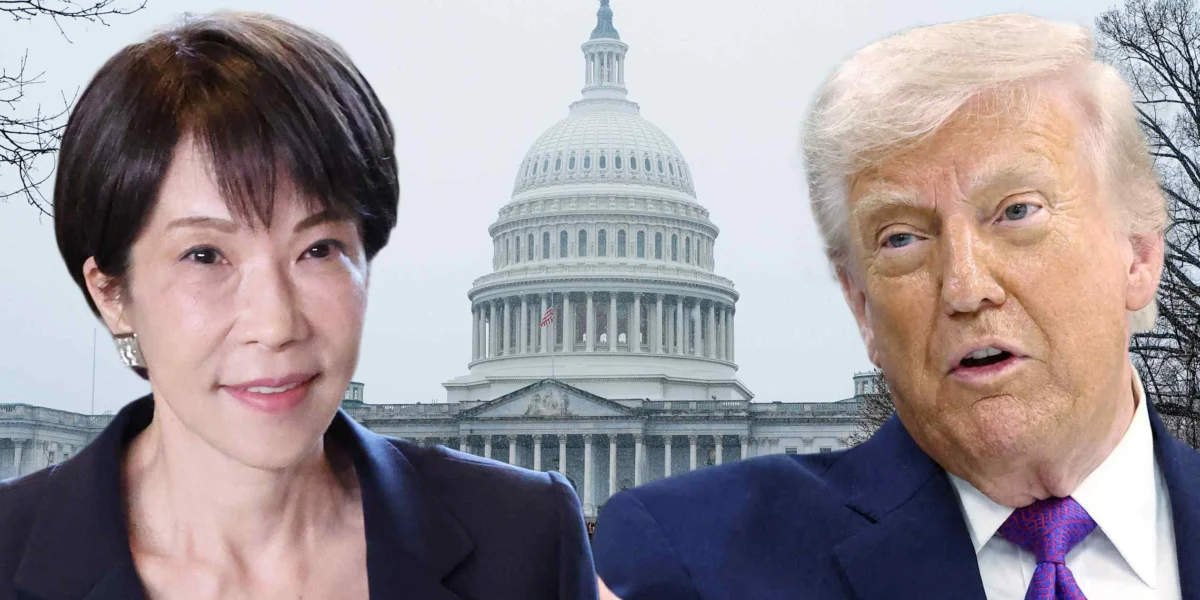
Japanese Prime Minister Sanae Takaichi is set to embark on a significant diplomatic mission to the United States for a high-stakes meeting with U.S. President Donald Trump. Scheduled for the week of March 15, 2026, this encounter arrives at a particularly delicate juncture in global geopolitics, with evolving regional dynamics and persistent economic uncertainties shaping the international agenda. The summit between the leaders of two of the world’s largest economies is anticipated to address a spectrum of critical issues, from bilateral trade relations and security cooperation to broader strategic alignments in the Indo-Pacific.

The timing of Prime Minister Takaichi’s visit is notable. Relations between the United States and several key Asian nations have undergone considerable shifts in recent years, influenced by evolving trade policies, regional security challenges, and the persistent specter of global economic volatility. Japan, as a cornerstone ally of the United States and a vital player in Asian stability, finds itself at the nexus of these complex interactions. The meeting with President Trump, whose administration has previously expressed a willingness to re-evaluate long-standing international agreements and alliances, presents an opportunity for Tokyo to articulate its strategic priorities and seek clarity on Washington’s future engagement in the region.
Background and Context

This meeting follows a period of intense diplomatic activity and strategic recalibration for both nations. The United States, under President Trump, has pursued an "America First" foreign policy, which has included a review of trade deals and a heightened focus on national security interests. This approach has led to renegotiations of existing trade agreements and a more assertive stance on global economic imbalances. Japan, meanwhile, has consistently advocated for a rules-based international order and multilateral cooperation, while also grappling with its own domestic economic challenges and an increasingly assertive regional environment.
The bilateral relationship between Japan and the United States is multifaceted, encompassing deep economic interdependence and a robust security alliance anchored by the U.S.-Japan Security Treaty. This treaty has been a cornerstone of regional security for decades, providing a framework for mutual defense and contributing to stability in the Indo-Pacific. However, recent years have seen discussions around the burden-sharing of defense costs and the future of U.S. military presence in the region, issues likely to be high on the agenda during Takaichi’s visit.

Economic ties between the two nations are also substantial. The U.S. is a major market for Japanese automobiles, electronics, and industrial goods, while Japan imports significant amounts of American agricultural products and services. Trade disputes and tariff concerns have periodically surfaced, necessitating ongoing dialogue to ensure a stable and mutually beneficial economic partnership. Prime Minister Takaichi’s administration has emphasized the importance of free and fair trade, and this meeting will likely see discussions aimed at solidifying economic cooperation and addressing any existing trade friction.
Furthermore, the broader geopolitical landscape in Asia presents a complex backdrop. Rising tensions in the South China Sea, North Korea’s nuclear and missile programs, and the economic and strategic rise of China are all factors that influence the security calculus of both Japan and the United States. Japan has consistently called for a peaceful resolution of disputes and adherence to international law, and its alliance with the U.S. remains a critical element of its security strategy. The meeting will therefore provide an opportunity for both leaders to coordinate their approaches to these pressing regional challenges.

Chronology of Key Developments Leading to the Meeting
The path to this high-level meeting has been shaped by a series of diplomatic engagements and evolving global events. While specific details of the planning are not publicly disclosed, the general trajectory of U.S.-Japan relations provides a framework for understanding the context.

- Early 2020s: Following a period of significant shifts in global trade dynamics and the U.S. administration’s re-evaluation of international partnerships, Japan has engaged in continuous dialogue with the U.S. on trade, security, and regional stability. This has included ministerial-level meetings and ongoing consultations between diplomatic and defense officials.
- Mid-2020s: The growing complexities in the Indo-Pacific, including heightened tensions in certain maritime areas and ongoing concerns regarding North Korea’s actions, have underscored the importance of strong U.S.-Japan coordination. Japan has consistently advocated for a robust and predictable U.S. presence in the region, while also enhancing its own defense capabilities.
- Late 2025 – Early 2026: Preparatory discussions for Prime Minister Takaichi’s visit likely intensified during this period. This would have involved extensive consultations between the Japanese Ministry of Foreign Affairs and the U.S. State Department, as well as engagements between economic and security advisors from both governments. The specific agenda would have been carefully curated to address the most pressing bilateral and regional issues.
- March 2026: The culmination of these efforts is Prime Minister Takaichi’s scheduled visit, representing a critical opportunity for direct engagement with President Trump at a pivotal moment.
Supporting Data and Economic Indicators
The economic partnership between Japan and the United States is a significant driver of their bilateral relationship. Understanding key economic indicators provides context for the discussions:

- Trade Volume: In 2025, bilateral trade between Japan and the U.S. was estimated to be in the hundreds of billions of dollars. The U.S. consistently ranks as one of Japan’s top trading partners, and vice versa. For instance, in 2025, U.S. exports to Japan totaled approximately $120 billion, while Japanese exports to the U.S. reached around $150 billion, according to preliminary estimates from trade organizations. This significant trade flow underscores the mutual reliance and the potential impact of any trade policy adjustments.
- Investment: U.S. foreign direct investment in Japan and Japanese investment in the U.S. are substantial, creating jobs and fostering innovation in both countries. Japanese companies are major employers in the U.S., particularly in the automotive and manufacturing sectors. Conversely, American companies have a strong presence in Japan’s technology and services industries.
- Key Sectors: Major Japanese exports to the U.S. include automobiles, machinery, and electrical equipment. U.S. exports to Japan are dominated by aircraft, agricultural products, medical equipment, and services. Discussions about market access and regulatory alignment in these sectors are likely to be central to trade talks.
- Economic Growth: Both economies have experienced varying growth rates in recent years. Japan has been focused on overcoming deflationary pressures and stimulating domestic demand, while the U.S. has seen fluctuations influenced by global economic trends and domestic policy decisions. The leaders will likely discuss strategies to foster robust and sustainable global economic growth.
Official Statements and Reactions
While official statements from both governments prior to the meeting are typically measured and diplomatic, the underlying concerns and aspirations can be inferred.

- From the Japanese Side: Prior to the visit, Japanese officials would likely emphasize the enduring strength of the U.S.-Japan alliance and the importance of close cooperation on shared security and economic interests. Statements would likely highlight Japan’s commitment to a free and open Indo-Pacific and its role in global economic stability. Prime Minister Takaichi’s administration has consistently stressed the need for predictable and rules-based international relations.
- From the U.S. Side: The U.S. administration would likely underscore the importance of its alliances in maintaining global security and prosperity. Statements might focus on the mutual benefits of the alliance, including burden-sharing and collective defense. President Trump’s administration has often highlighted the need for reciprocal trade relationships and a more equitable distribution of defense responsibilities.
Broader Impact and Implications
The meeting between Prime Minister Takaichi and President Trump carries significant implications for regional and global dynamics:

- Regional Security: A clear and coordinated approach to regional security challenges, such as those posed by North Korea and China’s growing assertiveness, would be a major positive outcome. Any divergence in strategic outlook could create uncertainty and embolden actors seeking to disrupt regional stability. The strength of the U.S.-Japan alliance is a critical factor in deterring potential aggression and maintaining peace.
- Trade Relations: The discussions on trade could lead to adjustments in bilateral trade policies, potentially impacting import/export dynamics for key sectors. A positive outcome could reinforce trade stability, while unresolved issues could lead to continued uncertainty or the imposition of new tariffs, impacting businesses and consumers in both nations.
- Global Economic Outlook: Given the economic weight of both countries, any agreements or disagreements stemming from the meeting could have ripple effects on global financial markets and economic growth trajectories. A commitment to robust economic cooperation could bolster confidence in the global economy.
- Diplomatic Signaling: The very act of the meeting, and the tenor of the discussions, will send important signals to other nations in the Indo-Pacific and beyond. A strong display of unity and shared purpose would reinforce the existing international order, while any perceived discord could lead to shifts in regional alliances and strategic calculations. Japan’s proactive diplomacy, exemplified by Prime Minister Takaichi’s visit, underscores its commitment to navigating these complex international waters and securing its national interests through engagement.
In conclusion, Prime Minister Sanae Takaichi’s upcoming visit to the United States for discussions with President Donald Trump is a pivotal moment for bilateral relations and for the broader geopolitical landscape of the Indo-Pacific. The summit is expected to delve into critical issues of trade, security, and regional stability, with outcomes that will resonate far beyond the two nations involved. The ability of both leaders to find common ground and articulate a clear vision for the future will be crucial in navigating the complexities of the current global order.