Gilang Muhammad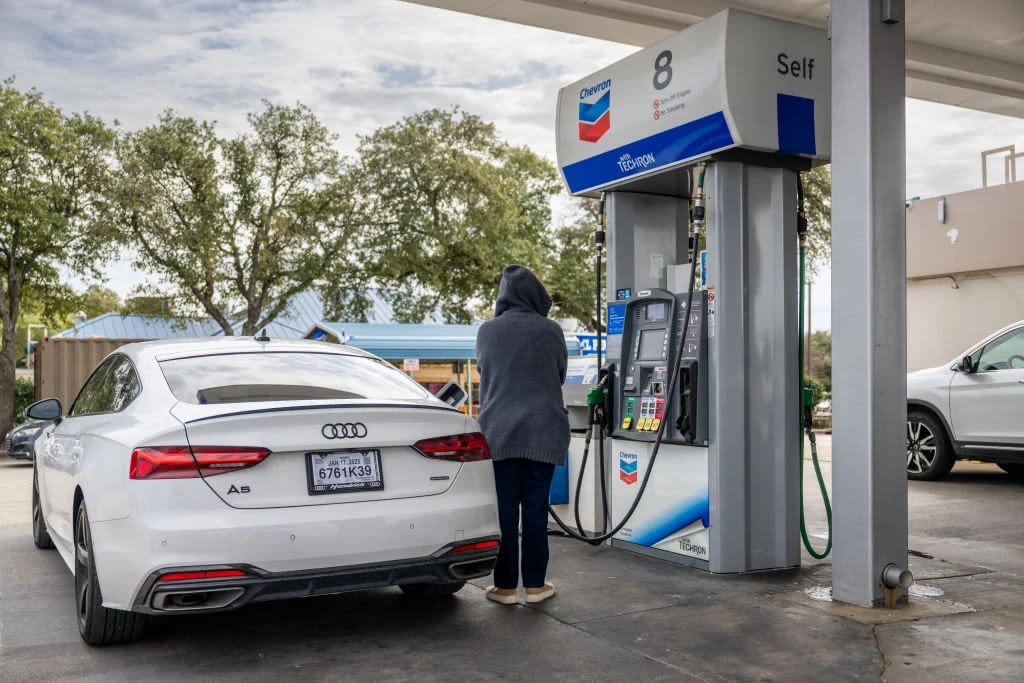
For more than a decade, Alvaro Bolainez has navigated the sprawling highways of Los Angeles, ferrying countless passengers in his SUV as a dedicated rideshare driver. Yet, in March 2026, he finds himself confronting a market anomaly unlike any he has witnessed, as gasoline prices surge with startling velocity, threatening the livelihoods of millions in the burgeoning gig economy. "It’s changing so quick," Bolainez remarked to CNBC, his voice tinged with incredulity. "It’s insane."
From Bolainez’s vantage point, the escalation at the pump has felt instantaneous, a dramatic "overnight" shift following the significant U.S.-Israeli military strikes on Iran. This geopolitical upheaval has sent ripples through global energy markets, directly impacting the operational costs for independent contractors like Bolainez. In response, he has strategically begun to eschew shorter, less profitable rides, prioritizing longer fares to ensure a sustainable income. As a veteran driver, he actively participates in a Facebook group, sharing hard-earned tips and strategies with fellow gig workers striving to navigate this volatile economic landscape.
Bolainez represents a vast network of Americans who rely on platform-based services for their income, from ride-hailing to food and parcel delivery. These roles, intrinsically linked to vehicle usage, render their practitioners acutely vulnerable to the rapid and dramatic spikes in oil prices. "We have no choice," Bolainez lamented, encapsulating the dilemma. "If we don’t drive, we won’t be able to afford to pay rent or pay bills." This sentiment underscores the precarious financial tightrope walked by many in the gig economy, where a sudden increase in a core operational expense can have immediate and severe consequences on their ability to meet basic living costs.
The Unfolding Crisis: Gas Prices Soar to Multi-Year Highs
The data paints a stark picture of the escalating crisis. The average price of unleaded gasoline across the United States experienced a staggering 22% increase over the past month, reaching approximately $3.59 per gallon by Thursday, according to figures released by AAA. This national average now stands at its highest point since May 2024, eclipsing nearly two years of price stability. The speed of this ascent has been particularly alarming to market analysts and consumers alike.
Financial research firm Bespoke Investment Group highlighted the intensity of the recent surge, noting that prices last week recorded their most significant three-day increase since Hurricane Katrina devastated New Orleans more than two decades ago in 2005. That historical comparison, recalling a period of severe energy infrastructure disruption, underscores the gravity of the current situation. Further emphasizing the unprecedented nature of this spike, Kevin Gordon of the Schwab Center for Financial Research reported that March 2026 has witnessed the steepest 10-day rise in gasoline prices on record.
These rapid fluctuations are more than just an inconvenience; they are a source of profound anxiety for those whose livelihoods are directly tied to fuel costs. Elizabeth Renter, a senior economist at the financial education platform NerdWallet, articulated this impact succinctly: "For a segment of gig workers, increasing gas prices are not only immediately painful, but also can sort of inject some fear in their day to day." This fear is rooted in the inherent instability of gig work, where income is variable and expenses are directly borne by the independent contractor.
Geopolitical Tensions Fueling Market Volatility
The primary catalyst for this sudden and sharp increase in fuel prices has been the escalating geopolitical tensions in the Middle East, specifically the U.S.-Israeli strikes on Iran. These military actions, initiated in early March 2026, have sent shockwaves through global crude oil markets. Iran, a significant oil producer and a nation strategically positioned along crucial shipping lanes, holds considerable sway over global energy supply. Fears of potential disruptions to oil production, export routes through the Strait of Hormuz, or broader regional conflict have led to a substantial risk premium being factored into crude oil prices.
Analysts point to the immediate aftermath of the strikes, which saw Brent crude futures—the international benchmark—jump by several dollars per barrel as traders reacted to the heightened uncertainty. While specific details of the strikes remain under tight security, the market’s perception of increased supply risk was sufficient to trigger a buying spree. This volatility is further compounded by the ongoing U.S.-Iran war, which has created an environment of unpredictability, with each military action or diplomatic maneuver having the potential to sway crude prices dramatically.
Adding to these supply-side concerns, the impending busy spring break travel period in the U.S. traditionally ushers in increased demand for gasoline. Simultaneously, refineries begin their annual transition from producing winter-blend gasoline to the more expensive summer-blend. Summer-blend gasoline, formulated to reduce evaporative emissions in warmer weather, requires different additives and a more complex refining process, typically leading to higher production costs. These seasonal factors, combined with the geopolitical crisis, create a "perfect storm" for price escalation at the pump.
Adapting to the New Normal: Driver Strategies and Company Responses
In the face of these climbing costs, gig workers across various platforms are racing to adapt. Adrian Mussio, a dedicated food courier for platforms like DoorDash and Uber Eats in Pennsylvania, exemplifies this proactive approach. She meticulously performs mental calculations for each delivery, weighing potential earnings against estimated fuel consumption to ensure maximum profitability. Mussio has also taken to reminding friends and customers that tips, always appreciated, now hold even greater significance for drivers grappling with elevated pump prices. Looking ahead, she has begun exploring online gig opportunities that do not require a vehicle, aiming to establish alternative income streams should fuel costs remain stubbornly high.
Beyond work-related adjustments, Mussio is also re-evaluating her personal habits, opting to walk for errands like trips to the convenience store to conserve fuel. When it comes time to fill her tank, she scours apps like Gasbuddy for the lowest prices in her vicinity and diligently redeems grocery store loyalty points for fuel credits whenever possible. "I believe we’re in this for a good while," Mussio stated, reflecting a widespread sentiment of long-term adjustment rather than short-term relief. "We have to adjust."

The surge in driver activity on fuel-saving platforms underscores this collective adaptation. Patrick De Haan, head of petroleum analysis at Gasbuddy, reported that the app’s daily active user count has more than doubled over the last week and a half in March 2026. Users are also spending over 30% more time on the app during this period, a clear indicator, according to De Haan, that consumers are increasingly preoccupied with and actively strategizing around fuel prices.
The immediate outlook offers little solace. With crude oil remaining volatile due to the ongoing U.S.-Iran conflict and seasonal demand increases, Gasbuddy’s De Haan projected on Wednesday that there is a roughly 55% chance of the national average gallon price reaching $4.00, a threshold that would represent a significant psychological and financial barrier for many.
Should prices fail to recede in the near future, many gig workers are either planning to implement their own policy changes or are actively advocating for the platforms they contract with to do so. Alvaro Bolainez, in his capacity as vice president of the advocacy group Rideshare Drivers United, has been vocal in calling for platforms to institute an additional gas surcharge. This policy precedent exists; several major gig companies, including Uber and Lyft, rolled out temporary gas surcharges in the wake of Russia’s full-scale invasion of Ukraine in 2022, when gas prices soared to all-time highs above $5 per gallon. That historical response demonstrates both the feasibility and the necessity of such measures during periods of extreme fuel cost volatility.
When contacted for comment, a DoorDash spokesperson affirmed that the food delivery platform offers a suite of discounts for its drivers, though specific details of these programs were not elaborated upon. However, Uber, Lyft, Instacart, and GrubHub did not respond to CNBC’s inquiries regarding resources or potential policy changes for their drivers, leaving many independent contractors feeling unheard and unsupported in a challenging economic climate.
Ashley Manka, a 33-year-old Texan who operates a one-person wash-and-fold laundry business, spends up to two hours behind the wheel each day for pickups and deliveries. She is now contemplating adding a $5 fee to longer-distance pickups to offset her elevated fuel costs. "Everybody wants to keep costs low," Manka expressed, highlighting the inherent tension between customer expectations and the driver’s rising expenses. "Whenever it’s out of your control, it just gets really frustrating."
The Precarious Reality of the Gig Economy
The current fuel crisis casts a harsh light on the inherent instability of gig work. While estimates of the app-based gig workforce’s size vary, credible studies, such as those cited by Goldman Sachs, project that between 2% and 4% of the U.S. population holds such roles. This platform-based workforce has shown robust growth, estimated between 5% and 8% annually in recent years, signaling its increasing importance in the American labor market.
However, data from ADP in 2024 revealed that temporary workers and independent contractors generally earn less per month than traditional employees, partly due to a lower average number of hours worked. Furthermore, a 2021 survey by the Pew Research Center indicated that gig platform workers are disproportionately people of color, individuals with lower incomes, and those under 30 years old. For these demographics, who often rely on gig work for primary or supplementary income, the price at the pump is merely the latest in a series of financial hurdles encountered over the past few years.
Since the pandemic, auto insurance prices have skyrocketed, and labor costs associated with vehicle repairs have similarly boomed, as noted by NerdWallet’s Elizabeth Renter. Additionally, the cost of car parts may have been inflated due to President Donald Trump’s tariff policies on numerous imported goods, adding another layer of expense for gig workers who are responsible for their vehicle maintenance.
Compared to the gas price shock of 2022, when many found alternative employment more readily, gig drivers in 2026 face a more challenging environment. Today’s labor market, while robust in some sectors, is relatively tighter for entry-level and flexible positions, making it harder for drivers to pivot to other job opportunities if gig work becomes economically unfeasible. Lindsey Cameron, an assistant professor of management at the University of Pennsylvania who specializes in the gig economy, points out a fundamental disadvantage: unlike other independent contractors, gig drivers using apps for work typically lack the ability to individually increase their rates to account for rising operational costs. "This type of work is deeply unstable," Cameron asserted. Rising gas prices for drivers "exacerbates their precarity."
Wider Economic Ripple Effects: From Truckers to Consumers
The challenges confronting gig drivers are a harbinger of broader economic impacts that will inevitably spread throughout the country. Shannon Hillock, a freight dispatcher based in South Dakota who works with owner-operators, sees the plight of truckers as a clear indicator of what’s to come. Hillock, whose family includes several truck drivers, helps independent truckers negotiate jobs with companies. However, the financial calculus for these essential workers has drastically shifted. Diesel prices have surged by more than 35% in 2026, significantly outpacing the 26% increase in unleaded gasoline over the same period, according to a CNBC analysis of AAA data.
"High fuel prices are one of the most detrimental parts of the equation," Hillock explained. "Your profits are being just sucked away at the fuel pump." Truckers, who often operate on razor-thin margins, are now facing immense pressure to hike their rates to absorb these soaring fuel costs. Gasbuddy’s De Haan predicts a 70% chance of diesel hitting $5 per gallon, a level that would severely strain the trucking industry.
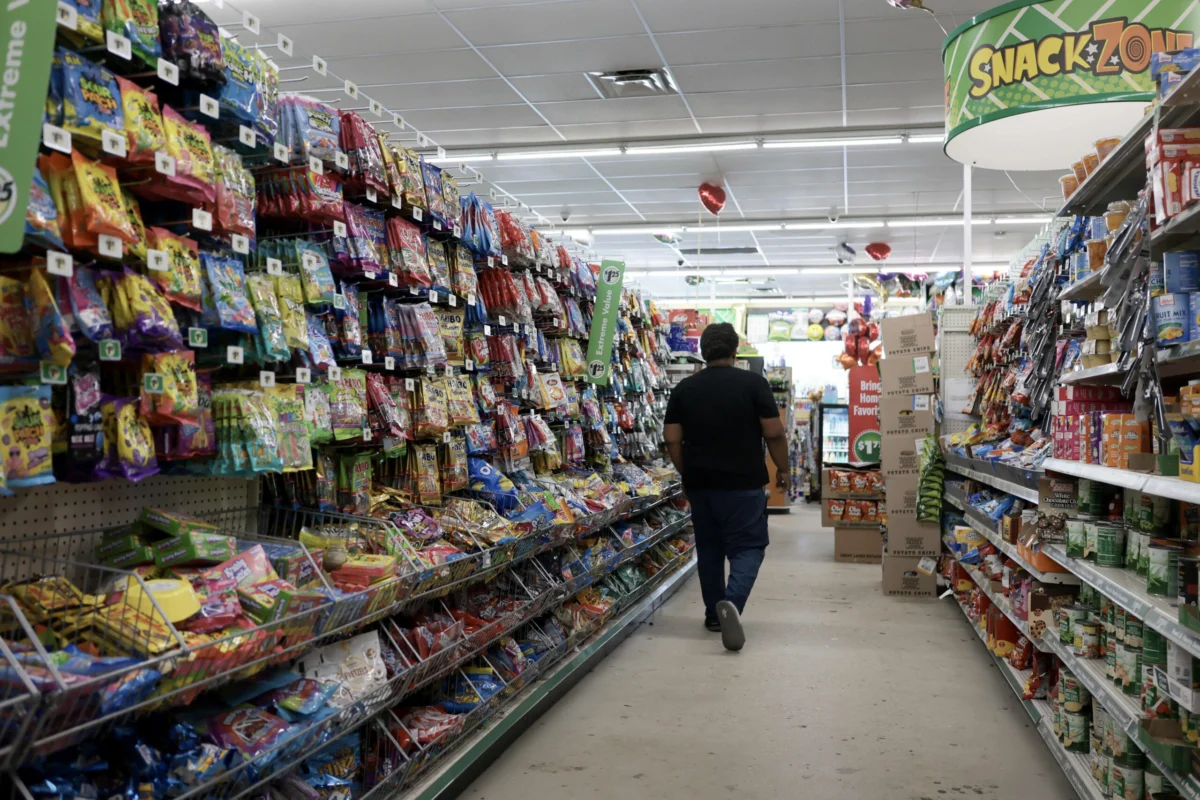
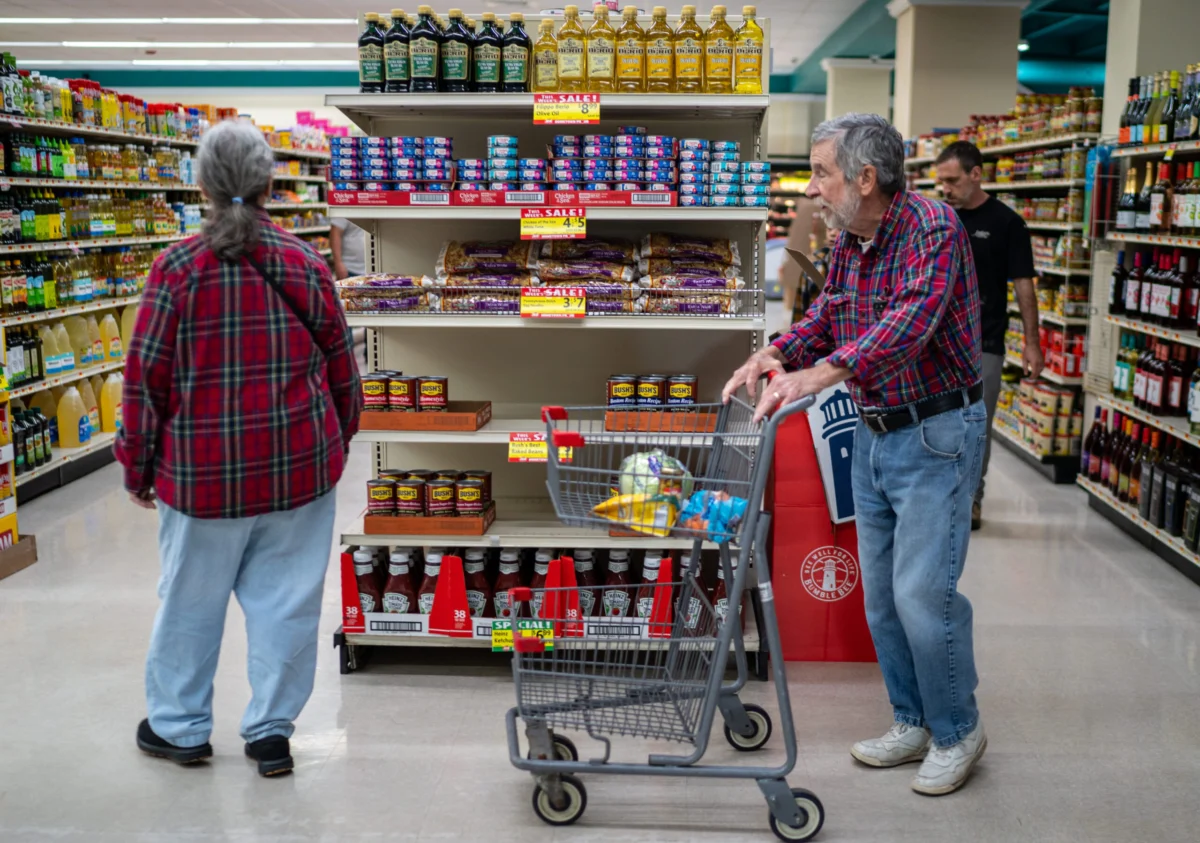
The consequences of this will not be confined to the transportation sector. Hillock forecasts that these increased operational costs for truckers will inevitably be passed down the supply chain, translating into higher price tags for consumers at grocery stores and retail aisles across the nation. Everything from fresh produce to manufactured goods relies on truck transport, making diesel prices a foundational component of consumer goods pricing.
"Truck drivers are facing the brunt of it," Hillock, 39, concluded, emphasizing the immediate burden on these critical workers. "But it is something that they are not going to shoulder alone. Every American is going to feel this." This impending inflationary pressure, stemming directly from geopolitical events and their impact on global energy markets, underscores the interconnectedness of the modern global economy and the far-reaching consequences of instability in key regions. As the spring of 2026 unfolds, the ripple effects of high fuel prices are set to become a defining economic challenge for households and businesses alike.