Lina Wu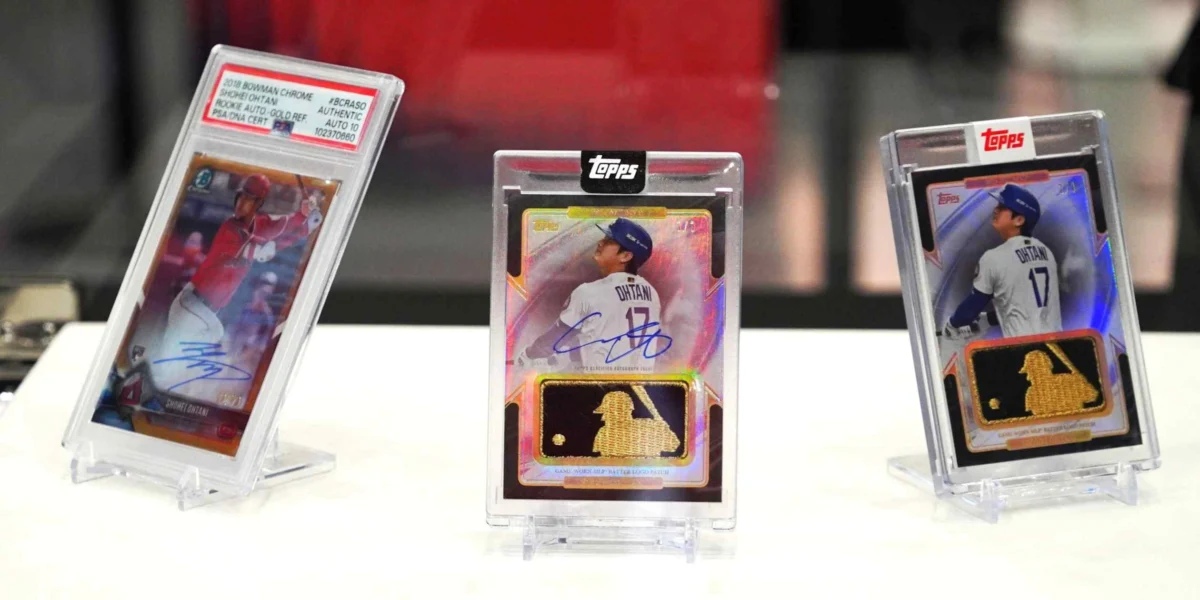
TOKYO — Amidst a global surge in the popularity and value of sports trading cards, U.S. collectibles giant Topps is strategically positioning itself for a significant expansion into the burgeoning Japanese market. This move comes as the industry witnesses an unprecedented wave of interest, driven by a confluence of factors including nostalgia, the digital age, and the stratospheric rise of superstar athletes like baseball icon Shohei Ohtani, whose collectibles have commanded astronomical prices. The company’s ambitious plans signal a deep-seated belief in the long-term potential of Japan as a key territory for sports memorabilia.
The Ohtani Effect: A Catalyst for Unprecedented Market Growth
The meteoric rise of Shohei Ohtani, the Japanese phenom who has redefined baseball with his dual-threat prowess, has undeniably played a pivotal role in the current fervor surrounding sports trading cards. His unique ability to excel as both a pitcher and a hitter has captivated fans worldwide, translating into an insatiable demand for his memorabilia. This demand has been particularly pronounced in Japan, where Ohtani is a national treasure.
The illustration of this phenomenon is starkly represented by the sale of a single baseball card: the Topps Chrome Gold Logoman Autograph Card of Shohei Ohtani. This highly coveted, limited-edition item, featuring Ohtani’s signature and a piece of a game-used jersey, fetched an astonishing $3 million at auction in 2025. This record-breaking sale is not an isolated incident but rather a powerful indicator of the immense financial value and cultural significance that elite sports trading cards have attained. It underscores the fact that these cards have transcended mere collectibles to become highly speculative assets, attracting both dedicated hobbyists and sophisticated investors.
The Ohtani effect extends beyond just the highest echelons of card collecting. His widespread appeal has introduced a new generation of fans to the hobby, many of whom are drawn to the excitement of acquiring cards featuring their favorite player. This has broadened the collector base and fueled demand across a wider spectrum of cards, from rare, autographed editions to more accessible base sets. The global reach of Ohtani’s fame means that this surge in interest is not confined to Japan but is a worldwide trend, with Topps seeking to capitalize on this momentum across all its key markets.
Topps’ Historical Roots and Global Ambitions
Topps, a company with a rich heritage dating back to 1938, has long been a dominant force in the sports trading card industry, particularly in the United States. For decades, its iconic baseball cards have been a staple for collectors, evoking memories of childhood summers and legendary athletes. However, the company has not rested on its laurels. In recent years, Topps has undergone significant strategic shifts, including its acquisition by Fanatics in 2022, a move designed to consolidate its position in the rapidly evolving sports and collectibles landscape.
The decision to aggressively target the Japanese market is a testament to Topps’ forward-thinking strategy and its recognition of Japan’s unique position within the global sports culture. Japan has a deeply ingrained appreciation for collectibles, a strong fan base for baseball, and a growing economy with a significant disposable income among its population. Furthermore, the country has a well-established network of hobby shops and a history of collecting various forms of memorabilia, from anime figures to traditional crafts, creating a fertile ground for sports cards.
Topps’ expansion into Japan is not merely about selling existing products. It suggests an intention to tailor its offerings to the specific tastes and preferences of Japanese consumers. This could involve the release of Japan-exclusive card sets, collaborations with Japanese artists or designers, or even the inclusion of popular Japanese sports beyond baseball, such as soccer or professional wrestling, in their product lines. The company’s history of innovation, from introducing bubble gum with cards to pioneering digital trading card platforms, suggests a willingness to adapt and evolve to meet market demands.
The Resurgence of the Trading Card Market: A Multifaceted Phenomenon
The current boom in sports trading cards is not solely attributable to one athlete or one company. It is a multifaceted phenomenon driven by several converging factors:
- Nostalgia and Millennial/Gen Z Appeal: Many individuals who collected cards in their youth are now adults with disposable income, rekindling their passion for the hobby. This nostalgic appeal is amplified by a new generation of younger collectors who are discovering the thrill of collecting through social media and online communities.
- The Digital Age and Online Platforms: The internet has revolutionized the trading card market. Online marketplaces like eBay, specialized auction houses, and dedicated trading card websites have made it easier than ever for collectors to buy, sell, and trade cards globally. Social media platforms, particularly YouTube and Instagram, have become hubs for card unboxings, reviews, and community building, further fueling interest.
- The "Alternative Asset" Appeal: In an era of economic uncertainty, some investors are viewing sports trading cards as a viable alternative asset class. The potential for significant returns, as demonstrated by the Ohtani card sale, has attracted individuals looking to diversify their investment portfolios. This has led to increased speculation and a focus on the investment potential of certain cards.
- Increased Accessibility and New Products: While rare cards command astronomical prices, Topps and other manufacturers have also focused on producing a wider range of products at different price points. This includes more affordable base sets, hobby boxes, and blaster boxes, making the hobby accessible to a broader audience. The introduction of new technologies and printing techniques has also led to more visually appealing and intricate card designs.
- The Influence of Pop Culture: The trading card market has also benefited from its integration into broader pop culture. Documentaries, podcasts, and even mainstream media coverage of high-value sales have brought the hobby into the public consciousness, demystifying it and attracting new participants.
A Chronology of Growth and Evolution
The trajectory of the sports trading card market, and Topps’ place within it, can be traced through several key periods:
- Early Days (Pre-WWII to 1980s): Topps establishes itself as the dominant force in baseball cards, often including bubble gum in its packs. This era sees the rise of iconic sets and the emergence of legendary players whose cards become highly sought after by collectors.
- The Boom and Bust of the Late 1980s and Early 1990s: An explosion in card production leads to market saturation and a subsequent crash in values for many common cards. This period highlights the importance of scarcity and condition in determining a card’s long-term value.
- The Digital Revolution (Late 1990s – Present): The advent of the internet and e-commerce platforms fundamentally changes how cards are bought and sold. Online communities and forums foster a new generation of collectors and traders.
- The Modern Era and Resurgence (2010s – Present): Driven by a confluence of factors including the rise of social media, renewed interest from adult collectors, and the emergence of new superstar athletes like Shohei Ohtani, the market experiences a dramatic resurgence. The value of rare and authenticated cards, particularly those featuring top talent, begins to climb rapidly.
- Strategic Acquisitions and Market Consolidation (Early 2020s): Major players in the sports industry, such as Fanatics, recognize the immense potential of the trading card market and make significant investments, including the acquisition of Topps. This signals a shift towards a more professionalized and investment-driven approach to the hobby.
- Global Expansion (Mid-2020s): Companies like Topps begin to aggressively pursue international markets, with a particular focus on Asia, recognizing the growing global demand for sports memorabilia.
Supporting Data and Market Trends
The financial scale of the sports trading card market is staggering and continues to grow. While precise figures are often proprietary, industry analysts consistently report double-digit year-over-year growth.
- Market Size: Estimates for the global sports trading card market vary, but many sources suggest it has reached tens of billions of dollars in annual sales, with a significant portion attributed to the secondary market (resales).
- Auction Records: Beyond the $3 million Ohtani card, numerous other sales have broken records. Vintage Mickey Mantle cards have consistently fetched seven-figure sums, and modern-era rookies of other star athletes have also seen substantial price increases. For instance, a LeBron James rookie card from 2003 sold for over $5.2 million in 2021.
- Investment Returns: While not guaranteed, the potential for substantial returns on investment for rare, well-preserved cards has attracted significant attention. This has led to increased professionalization in grading and authentication services, with companies like PSA (Professional Sports Authenticator) and BGS (Beckett Grading Services) playing a crucial role in establishing card condition and authenticity, which directly impacts value.
- Digital Integration: The growth of digital trading cards, offered by platforms like Topps’ own digital app and others, further diversifies the market and appeals to a tech-savvy demographic, often bridging the gap between physical and virtual collecting.
Official Responses and Industry Outlook
While Topps has not released detailed statements specifically about its Japanese market expansion strategy, its parent company, Fanatics, has been vocal about its commitment to growing the global collectibles business. Fanatics CEO Michael Rubin has repeatedly emphasized the company’s vision of integrating sports trading cards into a broader ecosystem of fan engagement and merchandise.
Industry observers anticipate that Topps’ expansion will likely involve:
- Partnerships: Collaborations with Japanese retailers, distributors, and potentially even sports leagues to ensure widespread product availability and visibility.
- Localized Marketing: Campaigns tailored to Japanese cultural nuances and fan preferences, leveraging local influencers and media channels.
- Product Innovation: Development of unique card designs, special inserts, and exclusive sets that resonate with the Japanese market, possibly incorporating elements of Japanese art or pop culture.
- Digital Integration: Expanding Topps’ digital trading card platform to Japan, potentially with localized content and features.
The broader implications of Topps’ move into Japan are significant. It signals a maturing global market for sports collectibles, where established Western brands are increasingly looking to Asia for growth. This could lead to increased competition among trading card manufacturers, potentially driving further innovation and a wider variety of products for consumers. It also suggests a growing recognition of Japan as a critical hub for sports fandom and a key market for high-value memorabilia.
Broader Impact and Future Implications
The expansion of a major player like Topps into the Japanese market has far-reaching implications:
- Increased Competition and Consumer Choice: The arrival of a dominant global brand like Topps is likely to intensify competition within the Japanese trading card market. This can benefit consumers by leading to a wider selection of products, potentially more competitive pricing, and increased innovation in card design and features. Japanese companies that have historically served the local market may face new challenges and opportunities to adapt.
- Elevated Status of Sports Collectibles: Topps’ investment underscores the growing legitimacy of sports trading cards as a serious collectible and investment category. This can further elevate the status of the hobby in Japan, attracting a broader demographic of collectors and investors, including those who may have previously viewed it as a niche interest.
- Cultural Exchange and Global Reach: The expansion facilitates a greater cultural exchange between the Western and Japanese sports memorabilia markets. It could lead to increased interest in Japanese baseball stars and athletes within the global market, and vice-versa. The success of this venture could pave the way for other international collectibles companies to explore similar expansion opportunities.
- Economic Impact: The growth of the trading card market has a tangible economic impact, creating jobs in manufacturing, distribution, retail, and authentication services. Topps’ expansion is likely to contribute to this economic activity within Japan.
- The Future of Collecting: Topps’ strategic moves, including its integration with Fanatics and its global expansion, signal a shift towards a more integrated and professionalized approach to the collectibles market. This may involve a greater emphasis on digital integration, fan engagement platforms, and potentially even the use of blockchain technology to verify authenticity and ownership, shaping the future of how sports memorabilia is collected and valued.
In conclusion, Topps’ ambitious foray into the Japanese market, propelled by the undeniable momentum of the global sports trading card boom and exemplified by the stratospheric success of Shohei Ohtani’s collectibles, represents a significant development in the industry. This strategic expansion is poised to reshape the competitive landscape, offer enhanced choices to Japanese consumers, and further solidify the position of sports trading cards as a prominent and dynamic global market. The coming years will undoubtedly reveal the full impact of this significant undertaking on both Topps and the broader collectibles ecosystem in Japan and beyond.