Lina Wu
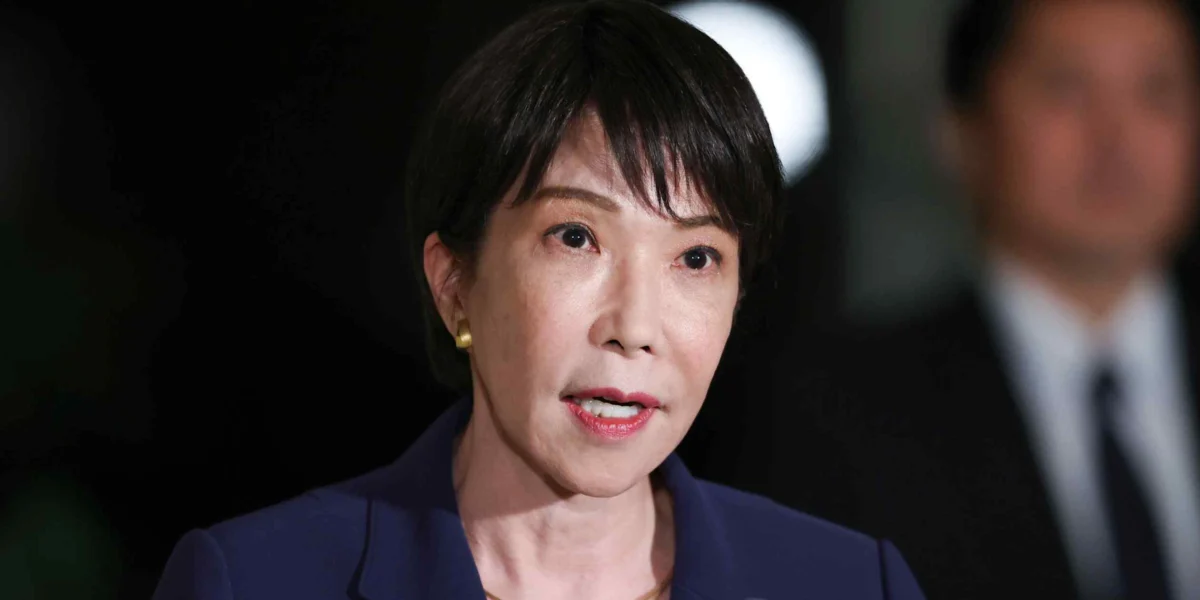
TOKYO – The cabinet of Japanese Prime Minister Sanae Takaichi has seen a slight decline in public approval, with a recent poll indicating support at 60%, a two-percentage-point drop from the previous month. This dip, while modest, coincides with growing public scrutiny surrounding the fundraising activities of the Education Minister, a development that 64% of respondents in the same survey identified as a significant concern. The latest monthly poll, jointly conducted by Nikkei and TV Tokyo, captures a snapshot of public sentiment as the administration navigates domestic policy and international relations.
A Shifting Public Mood: The Latest Poll Data
The Nikkei and TV Tokyo poll, conducted in late November 2026, surveyed 1,000 adult respondents across Japan. The results reveal a nuanced public opinion. While the Takaichi cabinet continues to command a majority approval rating, a figure that has remained above 50% since its inception in October 2025, the recent slippage suggests a potential erosion of public confidence, particularly in light of the ongoing controversies.
The poll further delved into specific areas of public concern. When asked about the perceived integrity of government officials, the fundraising practices of the Education Minister emerged as a salient issue. A substantial 64% of respondents expressed reservations, with many citing a lack of transparency and potential conflicts of interest. This figure represents a significant portion of the electorate, indicating that the issue is not confined to a vocal minority but resonates with a broader segment of the population.
Conversely, the poll also highlighted areas where the cabinet enjoys stronger public backing. For instance, the government’s handling of economic stimulus packages and its efforts to address demographic challenges, such as the declining birthrate and aging population, received more favorable ratings, generally hovering in the high 50s and low 60s. However, the Education Minister’s situation appears to be a notable exception, casting a shadow over otherwise stable approval levels.
The Education Minister’s Fundraising: A Growing Controversy
The controversy surrounding the Education Minister’s fundraising activities has been a developing story over the past few months. While the specifics of the allegations remain under investigation by parliamentary ethics committees, reports in the Japanese media have detailed allegations of improper solicitation of donations from companies and individuals with vested interests in the education sector. These include educational technology firms, private tutoring services, and foundations that receive government grants.
Critics argue that the minister’s actions, even if not explicitly illegal, create an appearance of impropriety and could potentially influence policy decisions in favor of donors. The opposition parties have seized upon these allegations, demanding a full and transparent investigation and calling for the minister’s resignation. They have pointed to a series of events where large donations were reportedly made shortly before or after the minister’s office announced favorable policy changes or allocated significant funding to specific educational initiatives.
Chronology of Events and Public Response
The timeline of the Education Minister’s fundraising concerns can be traced back to early autumn 2026. Initial reports, often attributed to anonymous sources within the ministry or political circles, began to surface in September. These early reports were largely dismissed by the ruling party as politically motivated attacks.
By October, however, the allegations gained more traction as opposition lawmakers began to raise questions in the Diet. Public awareness grew through detailed reporting by major Japanese newspapers and television news programs. This period saw the first discernible impact on public opinion polls, with a slight dip in the cabinet’s overall approval rating noted in the October survey.
The situation escalated in November with the formal establishment of a parliamentary inquiry. Witnesses were called, and documents were requested, further intensifying public scrutiny. It was during this month that the Nikkei and TV Tokyo poll was conducted, capturing the heightened public concern. The 64% figure highlighting dissatisfaction with the minister’s fundraising history is a direct reflection of this intensified scrutiny and the public’s demand for accountability.
Supporting Data and Precedents
To understand the significance of the current situation, it is useful to examine past instances of political fundraising controversies in Japan. Historically, such issues have led to significant political fallout, including cabinet reshuffles and, in some cases, the downfall of prime ministers. The Lockheed scandal in the 1970s, which involved allegations of bribery and influence peddling, is a stark reminder of how deeply public trust can be shaken by such revelations.
More recently, in the late 2010s, several high-profile politicians faced scrutiny over their fundraising practices, leading to public outcry and impacting election outcomes. These precedents underscore the sensitivity of the Japanese public to issues of political ethics and financial impropriety. The current allegations against the Education Minister, while perhaps not on the same scale as some historical scandals, tap into this deeply ingrained public expectation of clean governance.
Furthermore, comparative data from other developed nations suggests that transparency in political financing is a global concern. In many democracies, strict regulations are in place to govern campaign finance and lobbying activities. Japan, while having its own set of regulations, often faces debates about their adequacy and enforcement. The current controversy provides an opportunity to re-examine these regulations and their effectiveness in preventing the perception, if not the reality, of undue influence.
Official Responses and Political Ramifications
The Prime Minister’s office has, thus far, adopted a cautious approach. Prime Minister Takaichi has publicly stated her commitment to a thorough investigation and has urged patience until all facts are established. She has also reiterated her belief in the integrity of her cabinet ministers, while acknowledging the importance of public trust.
The Education Minister has consistently denied any wrongdoing, asserting that all donations were solicited and received in accordance with the law and that policy decisions are made solely on their merit for the betterment of Japan’s education system. However, the repeated questioning and the significant percentage of public disapproval suggest that these denials have not fully assuaged public concerns.
Opposition parties, meanwhile, have intensified their calls for accountability. They are using the issue to rally their supporters and to portray the ruling party as out of touch with public sentiment and potentially compromised. The upcoming legislative sessions are expected to be dominated by these discussions, potentially leading to gridlock on other important policy initiatives.
The political ramifications extend beyond the immediate controversy. The Takaichi administration, which has enjoyed relatively stable support, now faces a challenge that could test its resilience. A prolonged scandal or a perceived mishandling of the situation could lead to further erosion of public trust, impacting not only the cabinet’s approval ratings but also the ruling party’s prospects in future elections. There is also the possibility of a cabinet reshuffle if the pressure becomes unbearable, though such a move could be seen as an admission of guilt or a sign of instability.
Broader Impact and Implications for Policy
The controversy surrounding the Education Minister’s fundraising has implications that extend beyond the political sphere. Education is a sector that directly impacts the future of the nation, and public trust in the integrity of its leadership is paramount. If citizens perceive that policy decisions are being influenced by financial considerations rather than educational needs, it could undermine public confidence in the entire system.
This could lead to decreased parental engagement, skepticism towards educational reforms, and a general sense of disillusionment. For instance, if parents believe that certain programs or curriculum changes are being implemented due to the influence of donor companies, they may be less inclined to support them, regardless of their educational merit.
Moreover, the scandal could cast a pall over ongoing efforts to reform and modernize Japan’s education system. Initiatives aimed at fostering innovation, improving digital literacy, and addressing educational disparities might face increased public skepticism. The government’s ability to secure public buy-in for these crucial reforms could be significantly hampered.
On a national level, the perception of ethical lapses within government can damage Japan’s international reputation. In an era where transparency and good governance are increasingly valued by global investors and international partners, such controversies can raise concerns about the broader business and political environment.
The coming months will be critical in determining the long-term impact of this situation. The government’s response, the thoroughness of the investigation, and the public’s eventual judgment will all play a significant role in shaping the future of the Takaichi administration and the public’s perception of political integrity in Japan. The slight dip in approval ratings is a signal, and how it is heeded will likely define the trajectory of the current political landscape.