Gilang Muhammad
As the 2026 holiday season descends upon the United States, American households are confronting an unprecedented convergence of economic pressures, fundamentally reshaping long-held traditions of feasting, travel, and gift-giving. Soaring inflation, exacerbated by a volatile global energy market reeling from the conflict with Iran, has driven up the cost of nearly every consumer good and service, forcing families to make difficult budgetary decisions that were unthinkable just a few years prior. The festive spirit, typically synonymous with abundance and generosity, is now tinged with financial anxiety, as consumers like Amanda Brecht of Michigan illustrate, opting for scaled-back celebrations and scrutinizing every expenditure.
Brecht, a 30-year-old mother of three, exemplifies the national sentiment. Her Thanksgiving plans for 2026 have been drastically altered; high gasoline prices have precluded the traditional cross-state drive to visit extended family, leading to a more intimate gathering with just her immediate household. Furthermore, rising food costs necessitated a leaner menu, replacing a whole turkey with a more economical turkey breast and foregoing appetizers altogether. "Thanksgiving is definitely going to look different this year," Brecht remarked, echoing a sentiment of financial realism pervasive across the country. "Money doesn’t grow on trees. You can only do so much." This pervasive caution marks a holiday season where many are pinching pennies, paring back elaborate plans, and prioritizing necessities over traditional holiday splurges.
The Economic Headwinds: A 2026 Overview
The economic landscape leading into 2026 was already complex, characterized by a post-pandemic recovery grappling with persistent supply chain disruptions and an initial wave of inflationary pressures. However, a significant turning point occurred in late February 2026, when the United States initiated military action against Iran. This geopolitical escalation immediately sent shockwaves through global energy markets, particularly impacting oil prices, which had a cascading effect on transportation and manufacturing costs worldwide. The U.S. Bureau of Labor Statistics reported that the Consumer Price Index (CPI) reaccelerated sharply following the initial strikes, signaling a new, more intense phase of inflation.
This renewed inflationary surge quickly began to outpace wage growth, eroding the purchasing power of American households. The Federal Reserve, already navigating a delicate balance, found itself under renewed pressure to address the persistent price increases, with analysts speculating on potential interest rate adjustments to curb inflation without stifling economic growth. However, the unique nature of this inflation—driven partly by geopolitical conflict rather than solely demand-side factors—presented a formidable challenge for policymakers. Consumer confidence, which had seen some recovery, took a hit, with a CNBC Voter Poll in early November revealing that approximately three-fourths of participants rated the economy as poor or not good, reflecting widespread apprehension about the future. While some gauges of consumer confidence did regain ground closer to the holiday shopping season, the underlying financial stress remained palpable.
Thanksgiving Under Pressure: Food and Family Gatherings
The centerpiece of American holiday celebrations, the Thanksgiving feast, has become a focal point of these economic anxieties. Data from the Bureau of Labor Statistics indicates that average food prices have surged by approximately 24% over the last five years, with certain staples experiencing even more dramatic increases. Coffee and ground beef, for example, have climbed by more than 40% in the same period, even after some recent pullbacks from their peaks.
The annual survey by the American Farm Bureau Federation confirmed these trends, reporting that the cost of a classic Thanksgiving dinner for 10 people rose by 6% in 2026, reaching an average of $58.63. Faith Parum, the organization’s deputy chief economist, attributed this increase primarily to higher costs for labor and transportation, factors directly linked to broader inflationary pressures and energy prices. In response, major grocers like Walmart and Aldi have actively promoted "value-focused" Thanksgiving meal bundles, gaining traction on social media. Walmart’s offering, for instance, promised to feed 10 individuals for $35, including a turkey and ingredients for traditional sides such as mashed potatoes, green bean casserole, cranberries, marshmallow-topped sweet potatoes, and pumpkin pie.
However, some economists caution against viewing these bundles as a complete solution. Joe Bruseulas, chief economist at tax firm RSM, highlighted the underlying issue: "We’re missing the point here if all we’re doing is focusing on the fact that Walmart will sell you a homogeneous dinner meal at a discount," Bruseulas stated. "People feel horrible that they have to go to that because the price of everything has just risen so significantly over the past five years." This sentiment underscores a deeper frustration among consumers about the erosion of choice and the necessity of compromising on traditional holiday fare.
Beyond the immediate holiday meal, the broader implications of food inflation are starkly evident in the nation’s food assistance landscape. In 2026, millions of Americans experienced a significant reduction or loss of Supplemental Nutrition Assistance Program (SNAP) benefits due to policy changes included in President Donald Trump’s "big beautiful bill." This reduction in federal nutrition aid coincided precisely with escalating grocery prices, creating a perfect storm for vulnerable populations. As a direct consequence, food banks across the U.S. have reported an unprecedented surge in demand this year. The Salvation Army noted that some of its food pantries in October provided double or triple the amount of groceries compared to the same month in the previous year. Linda Nageotte, president and operations chief of Feeding America, expressed grave concerns, stating that "Far too many of them have empty shelves," highlighting the critical challenge of meeting the overwhelming need during a time of increased demand and reduced federal support. The image of empty shelves in a nation known for its agricultural abundance paints a sobering picture of the societal impact of these economic pressures.
The Cost of Connection: Travel and Energy Burdens
The conflict with Iran has had a profound and immediate impact on global energy prices, with significant ramifications for holiday travel and home heating costs. The Strait of Hormuz, a critical choke point for global oil shipments, became a focal point of geopolitical tensions, driving up the cost of crude oil and, consequently, refined products like gasoline and jet fuel.
For the first time since the pandemic-induced lockdowns of 2020, AAA reported a year-over-year decline in the number of Americans planning to travel at least 50 miles for the Thanksgiving holiday in 2026. Stacey Barber, a vice president at the auto association, directly attributed this pullback to the elevated fuel costs. While gas prices had receded slightly from their May peaks, they remained approximately 18% higher year-over-year in November and were on track to set a new record for the month. With about nine out of every 10 Thanksgiving travelers opting for road trips, these increased fuel expenses represented a substantial financial burden for millions.
Air travel presented an even steeper challenge. According to booking platform Hopper, roundtrip domestic airfare around Thanksgiving was about 31% higher than a year ago, with Christmas airfare seeing a 23% increase. Airlines pointed to rising jet fuel costs as the primary driver for these ticket price hikes. Hayley Berg, lead economist at Hopper, warned of a "significant shell shock when they see the price of traveling." This shock was particularly pronounced on routes previously serviced by budget carrier Spirit Airlines, which ceased operations in May 2026, removing a crucial low-cost option from the market. The pressure led many travelers to book holiday flights earlier than in previous years, a clear indication that price considerations were paramount.
Even choosing to stay home offered little financial respite. The National Energy Assistance Directors Association (NEADA) projected that the average American household would spend 7% more on home heating this winter, translating to an increase of approximately $66 and a total seasonal bill exceeding $1,000. This burden was not evenly distributed; heating oil, predominantly used in homes in the Northeast, witnessed a staggering 70% year-over-year price jump. While natural gas, the most common heating source in the U.S., remained relatively stable, regional disparities meant that some families faced exceptionally severe cost increases. Mark Wolfe, NEADA’s executive director, criticized the lack of expanded federal aid to address these higher energy bills, questioning why the government wasn’t providing more support given that "some of these increases are caused directly by the decision to go to war." While some states, like Massachusetts and New York, bolstered their home energy support programs, the federal response was perceived as insufficient.
Rethinking Holiday Gifting: Quality Over Quantity
The traditional spirit of holiday giving is also undergoing a transformation as consumers adopt a more cautious approach to spending. Bain & Company projected that retail sales during the crucial holiday season would grow by almost 5% in 2026, surpassing $1 trillion for the first time. However, the consulting firm clarified that the majority of this growth would be attributable to inflation-driven price increases rather than an actual increase in the volume of products purchased. This distinction highlights that consumers are paying more for the same or even fewer items.
Adding another layer of complexity, Citi reported that increased holiday spending would be predominantly driven by higher earners this year, a manifestation of the "K-shaped economy." This term describes a scenario where affluent Americans continue to spend robustly, while lower and middle-income households struggle and cut back. This widening gap in economic experience underscores the uneven impact of inflation across different demographic groups.
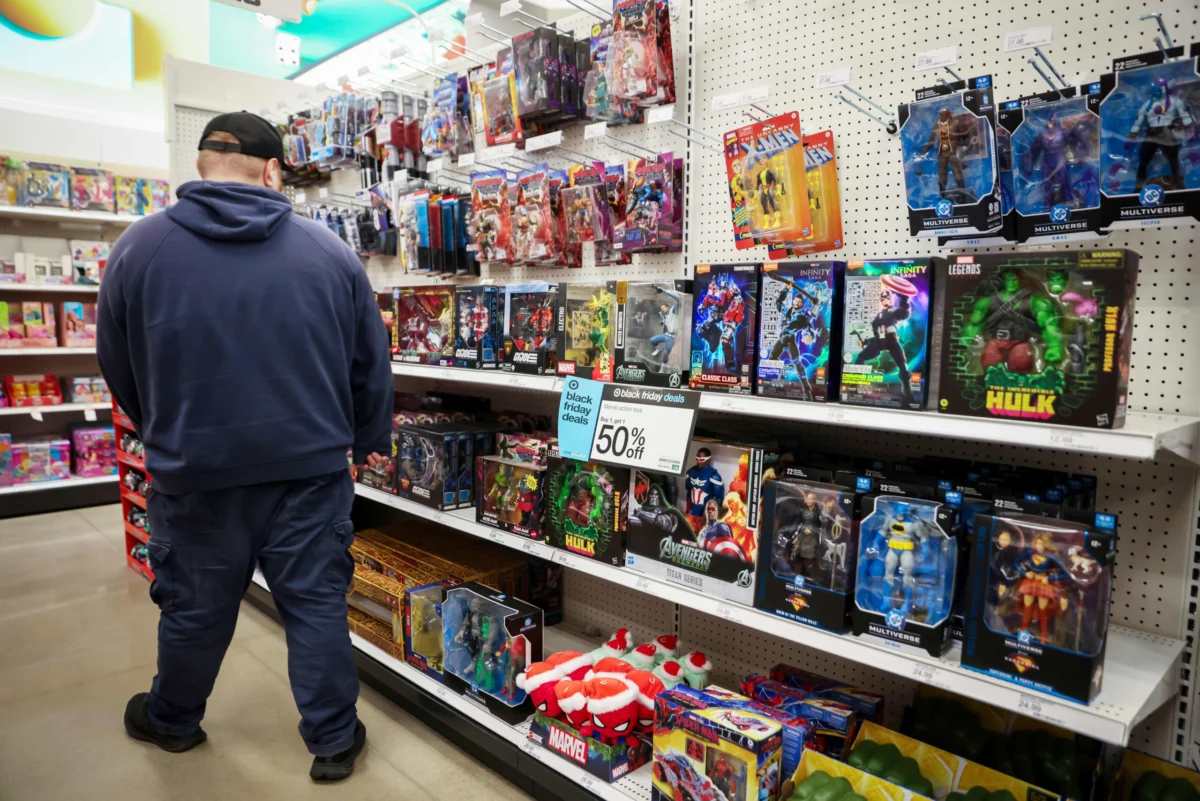
Specific gift categories have been particularly affected. Toy prices, for instance, climbed by over 9% in the past year, reaching their highest levels since 2019, according to the Bureau of Labor Statistics. Chris Byrne, an independent toy industry analyst, attributed these increases to elevated costs for transportation and plastic, a petrochemical derivative directly impacted by oil prices. Furthermore, the booming artificial intelligence sector has driven up the prices of essential chips that power gaming devices and other electronics, making tech gifts more expensive. Byrne observed that these pressures are prompting shoppers to prioritize the quality and longevity of gifts over sheer quantity. "The toy industry always reflects the culture at large," Byrne noted, adding, "As inflation is rising, people are being a little bit more cautious about what they’re buying."
Survey data reinforces this cautious sentiment. A Morning Consult survey found that only 16% of respondents planned to spend more in the 2026 holiday season than the previous year, with older individuals and those with lower earnings being more likely to report shrinking budgets. Some families are even foregoing gifts altogether; a poll from consulting firm TSG and the Electronic Transactions Association revealed that 5% of Americans did not plan to buy any presents in 2026, a significant three-percentage-point increase from the prior year. Wendy Cooper, a 56-year-old Atlanta resident, encapsulates this shift, setting a limit of one gift for each of her three adult children and actively scouring discount retailers like Five Below and thrift stores for budget-friendly presents for her teenage daughter. "It’s super stressful," Cooper admitted, articulating the difficult trade-offs many families face: "You have to weigh: Do you guys want lights on and a place to live? Or do you want gifts?"
The Financial Strain: Savings, Debt, and Outlook
The cumulative effect of persistent inflation and rising costs is placing immense financial strain on American households, compelling many to resort to measures that could have long-term consequences for their financial well-being. Reports indicate that consumers are increasingly raiding their savings accounts to cover daily expenses and holiday purchases, a trend that reverses the savings surge observed earlier in the decade. Concurrently, credit card debt is reaching new highs, as individuals lean on revolving credit to bridge the gap between their incomes and escalating costs. The TSG and Electronic Transactions Association survey found that approximately one-third of Americans expected to incur debt during the holiday season, representing a roughly 74% increase from 2025. This reliance on credit, often accompanied by high interest rates, risks trapping families in a cycle of debt that could take years to escape.
The erosion of purchasing power, where annual inflation rates consistently outpace wage growth, leaves consumers with less disposable income and a growing sense of financial insecurity. This disparity was clearly highlighted by the reacceleration of the Consumer Price Index following the U.S. strikes in Iran in late February. Economists caution that while consumers may continue to spend for the holidays, the burden of higher prices can further depress their economic outlooks, fostering a pervasive sense of pessimism that could dampen future spending and investment.
For individuals like Amanda Brecht, navigating this economic reality means constant vigilance and resourceful coping strategies. From her home in Northern Michigan, she has taken on additional work, delivering DoorDash orders in her spare time and listing clothes on resale platforms to accumulate funds for her children’s holiday gifts. She meticulously watches for discounts and plans to explore thrift stores for potential presents in the coming weeks. Despite these efforts, Brecht acknowledges the possibility of turning to credit cards for some holiday purchases, a difficult decision shared by many facing similar dilemmas. Her desperate hope for "good Black Friday deals" underscores the precarious position of many American families, who are doing everything in their power to make the holidays feel special without succumbing to overwhelming financial hardship.
Looking Ahead: Economic Forecasts and Societal Impact
The 2026 holiday season serves as a stark barometer of the economic challenges facing the United States. Economists are closely monitoring consumer behavior, credit usage, and inflationary trends to forecast the trajectory for the remainder of 2026 and into 2027. Concerns about a potential recession or prolonged period of stagflation—high inflation coupled with stagnant economic growth—remain prominent. The long-term implications for consumer spending habits, household savings rates, and overall economic stability are significant.
Beyond the numbers, the psychological toll of persistent economic uncertainty and the necessity of altering cherished traditions weigh heavily on American households. The stress of making difficult choices about food, travel, and gifts can impact mental well-being and family dynamics. The rising demand at food banks, coupled with the reduction in federal aid, highlights a growing social crisis that requires urgent attention and expanded support for vulnerable communities. As the nation grapples with the economic fallout of geopolitical conflicts and domestic inflationary pressures, the 2026 holiday season stands as a poignant reminder of the intricate connections between global events and the everyday realities of American families. The resilience and adaptability of consumers, alongside the imperative for thoughtful policy responses, will define the path forward in these challenging times.