Lina Wu
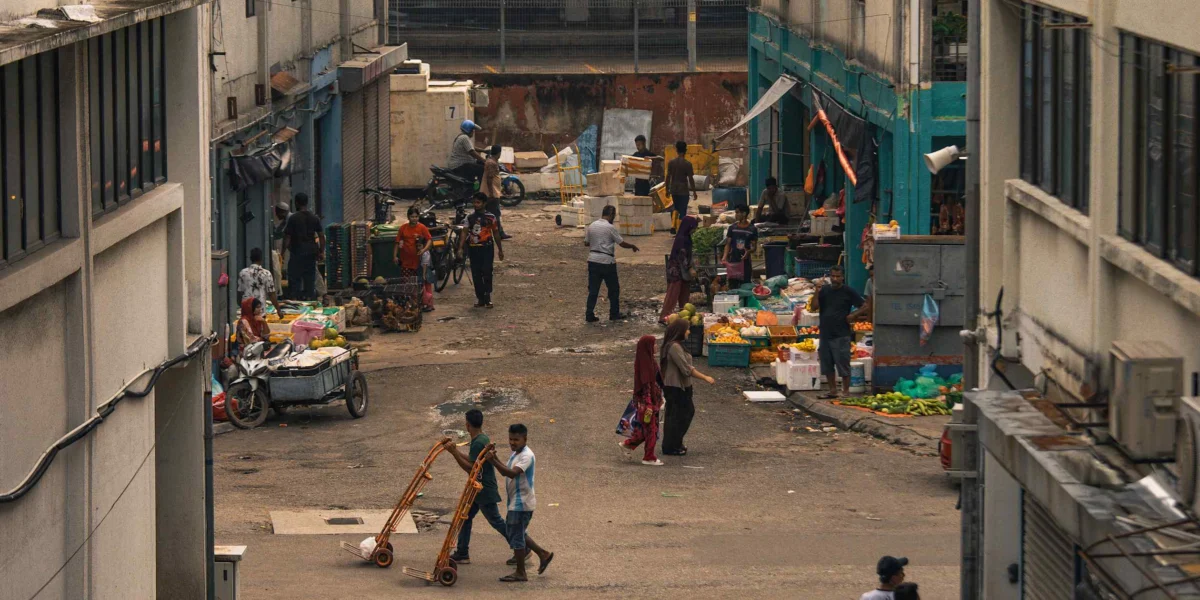
The abrupt dismissal, impacting not only the individual but a significant portion of the local Rohingya community, marks a concerning development in Malaysia’s complex relationship with its large refugee population. This incident, occurring at the bustling Pasar Borong Selayang, a wholesale market renowned for its vibrant trade and diverse workforce, underscores the precarious economic and social standing of ethnic Rohingya in the country. The decision by the unnamed employer, while not yet officially attributed to any governmental directive, has sent ripples of anxiety through the refugee community, raising questions about the sustainability of their livelihoods and their future in Malaysia.
The Selayang Market: A Hub of Activity and Vulnerability
Pasar Borong Selayang, located on the outskirts of Kuala Lumpur, is one of the largest wholesale markets in Malaysia. It serves as a critical distribution point for fruits, vegetables, and other produce, supplying countless retailers and businesses across the capital and beyond. The market’s operations rely heavily on a diverse and often informal labor force, with many of its employees being foreign workers, including refugees. For many Rohingya, who arrived in Malaysia fleeing persecution in Myanmar, the market has provided a crucial avenue for earning a living, contributing to the local economy, and supporting their families, both in Malaysia and those they have left behind.
The Rohingya, an ethnic Muslim minority group, have faced systematic discrimination and violence in their homeland of Myanmar for decades. Persecution intensified significantly in recent years, leading to mass displacement and a growing refugee crisis. Malaysia, not a signatory to the 1951 Refugee Convention, does not officially recognize refugees. Instead, it hosts a large population of asylum seekers and refugees registered with the United Nations High Commissioner for Refugees (UNHCR). While Malaysia has generally shown a degree of humanitarian tolerance, the legal status of refugees remains ambiguous, often leading to difficulties in formal employment and access to social services.
The Turning Point: A Sudden Shift in Employment
The incident involving the Rohingya man at the Selayang wholesale fruit store is not an isolated event, but rather a symptom of an increasingly challenging environment for refugees seeking work. According to reports from within the Rohingya community, the employer cited "new directives" and "concerns" as the reasons for ceasing the hiring of refugees. While the specifics of these directives remain unclear, they are widely perceived within the community as a response to heightened scrutiny or pressure.
This abrupt change in policy has immediate and severe consequences for the affected individuals. Many Rohingya refugees in Malaysia are entirely dependent on informal sector jobs like those found in wholesale markets. Without this income, they face immense hardship, struggling to afford basic necessities such as food, shelter, and healthcare. The psychological toll of such instability and the feeling of being unwelcome also contribute to their vulnerability.
A Chronology of Challenges
The situation for Rohingya refugees in Malaysia has been evolving for some time, marked by periods of relative stability interspersed with growing anxieties.
- Pre-2017: Small numbers of Rohingya began arriving in Malaysia, seeking refuge from persecution. They often found work in informal sectors, including agriculture and construction.
- 2017 onwards: Increased violence and persecution in Myanmar led to a significant surge in Rohingya arrivals in Malaysia. The UNHCR registration process became overwhelmed, and many asylum seekers faced challenges in obtaining official documentation.
- Early 2020s: Economic downturns and the lingering effects of the COVID-19 pandemic exacerbated employment challenges for all foreign workers, including refugees. Concerns about illegal immigration and the strain on national resources began to be voiced more prominently by some segments of Malaysian society and political discourse.
- Late 2023 – Early 2024: Reports emerged of increased enforcement actions against undocumented migrants, leading to heightened fear and caution among refugee communities. The incident at Pasar Borong Selayang appears to be a direct manifestation of these underlying tensions and pressures.
The decision by the fruit store employer at Pasar Borong Selayang, occurring in late October, signals a potential escalation of these pressures, translating into tangible job losses for the Rohingya.
Supporting Data and Broader Context
Malaysia is home to an estimated 200,000 Rohingya refugees, according to UNHCR figures. This makes it one of the largest host countries for this displaced population. While Malaysia has not signed the Refugee Convention, it has, for humanitarian reasons, allowed UNHCR to register and operate within its borders, providing a degree of protection and assistance.
However, the legal framework governing refugees in Malaysia is weak. Refugees are not legally permitted to work in formal sectors, pushing them into the informal economy where they are often exploited and lack labor protections. This precarious employment situation makes them highly susceptible to sudden job losses, especially when economic conditions worsen or when there is a perceived shift in government policy or public sentiment.
Furthermore, the Rohingya are often a focal point in discussions about national security and resource allocation. While many refugees contribute economically through their labor, they are sometimes portrayed as a burden on public services and a potential source of social friction. This narrative, amplified by certain political factions, can influence public opinion and create a climate of intolerance.
Reactions and Inferences from Related Parties
While specific official statements directly addressing the Selayang market incident may be scarce, the reactions of key stakeholders can be inferred from their general positions and past statements.
- Rohingya Community Leaders and Representatives: These individuals are likely to express deep concern and dismay over the job losses. They will undoubtedly advocate for the rights of refugees to work and earn a living, emphasizing their contributions to the Malaysian economy and their vulnerability without employment. They may appeal to the Malaysian government and UNHCR to intervene and ensure the protection of refugees’ livelihoods.
- UNHCR Malaysia: The UNHCR would likely reiterate its commitment to protecting refugees and ensuring their access to basic needs. They would probably highlight the importance of allowing refugees to work legally and safely, emphasizing that self-reliance through employment is crucial for their dignity and well-being. They may also engage with the Malaysian government to discuss policies that affect refugees’ ability to find work.
- Malaysian Government Agencies (e.g., Ministry of Home Affairs, Department of Immigration): Official responses from government bodies are often carefully worded. They may emphasize national security, border control, and the importance of adhering to existing immigration laws. While not directly addressing the Selayang incident, they might reiterate policies regarding foreign worker employment and the status of non-citizens. The government’s stance often reflects a delicate balance between humanitarian considerations and national interests.
- Employers and Business Associations: The employer at the fruit store, by terminating refugee employment, is acting within a context of perceived risk or pressure. Other employers in similar sectors might be observing this situation, potentially leading to a broader trend of reluctance to hire refugees, even if not explicitly mandated by law. Business associations might express concerns about labor shortages but also acknowledge the complexities of employing foreign nationals, including refugees.
Analysis of Implications: A Widening Precariousness
The implications of this development are multifaceted and potentially far-reaching:
- Increased Economic Hardship for Rohingya: The most immediate impact is on the daily lives of the affected Rohingya. Loss of income translates into food insecurity, difficulty paying rent, and limited access to essential services. This could lead to increased reliance on aid and charitable organizations, placing a further strain on limited resources.
- Erosion of Livelihood Pathways: If the trend of employers refusing to hire refugees continues, it will severely restrict the avenues through which the Rohingya can sustain themselves in Malaysia. This could push more individuals into destitution and potentially increase their vulnerability to exploitation, trafficking, and involvement in illicit activities out of desperation.
- Social and Psychological Impact: The feeling of being unwelcome and discriminated against can have a profound psychological impact on refugees, exacerbating trauma and mental health issues. It can also foster a sense of alienation and hinder their integration into the broader society, even in informal capacities.
- Potential for Social Unrest: While the Rohingya community is generally known for its resilience, sustained economic hardship and a lack of opportunities could, in extreme cases, lead to social unrest or increased desperation.
- Strained Relations with UNHCR and International Bodies: A continued tightening of employment opportunities for refugees could strain relations between Malaysia and UNHCR, as well as other international humanitarian organizations concerned with refugee welfare. These bodies may intensify their advocacy for policy changes that allow refugees to work legally.
- Impact on the Informal Economy: The Selayang market and similar informal economic hubs in Malaysia rely on a diverse labor pool. The exclusion of a significant segment of this labor force could, over time, have ripple effects on the efficiency and cost of goods in these markets.
Looking Ahead: The Need for Sustainable Solutions
The incident at Pasar Borong Selayang serves as a stark reminder of the ongoing challenges faced by Rohingya refugees in Malaysia. While Malaysia has provided refuge, the lack of a clear legal framework for refugees, coupled with economic pressures and evolving public sentiment, creates a volatile environment for their integration and self-sufficiency.
Moving forward, a more sustainable approach is crucial. This would involve:
- Policy Clarity and Legal Framework: Establishing a clearer policy framework for the employment of refugees, even within specific sectors or under strict guidelines, could provide much-needed security and dignity for the Rohingya.
- Enhanced UNHCR Support: Continued and strengthened support from UNHCR for both refugees and host communities, including vocational training and livelihood programs, can empower refugees to become more self-reliant.
- Public Awareness and Counter-Narratives: Efforts to foster greater understanding and empathy towards refugees within Malaysian society can help to counter negative stereotypes and promote a more inclusive environment.
- Dialogue Between Government and Stakeholders: Open dialogue between the Malaysian government, UNHCR, refugee representatives, and employers can help to identify practical solutions that address national concerns while upholding humanitarian principles.
The daily lives of individuals like the Rohingya man who lost his job at the Selayang market are deeply intertwined with these broader policy and societal dynamics. Their plight underscores the urgent need for a more humane and sustainable approach to refugee management, one that recognizes their contributions and ensures their fundamental right to a dignified life and livelihood. The future of thousands of displaced individuals in Malaysia hinges on the ability to find such solutions.