Farhan Pambudi
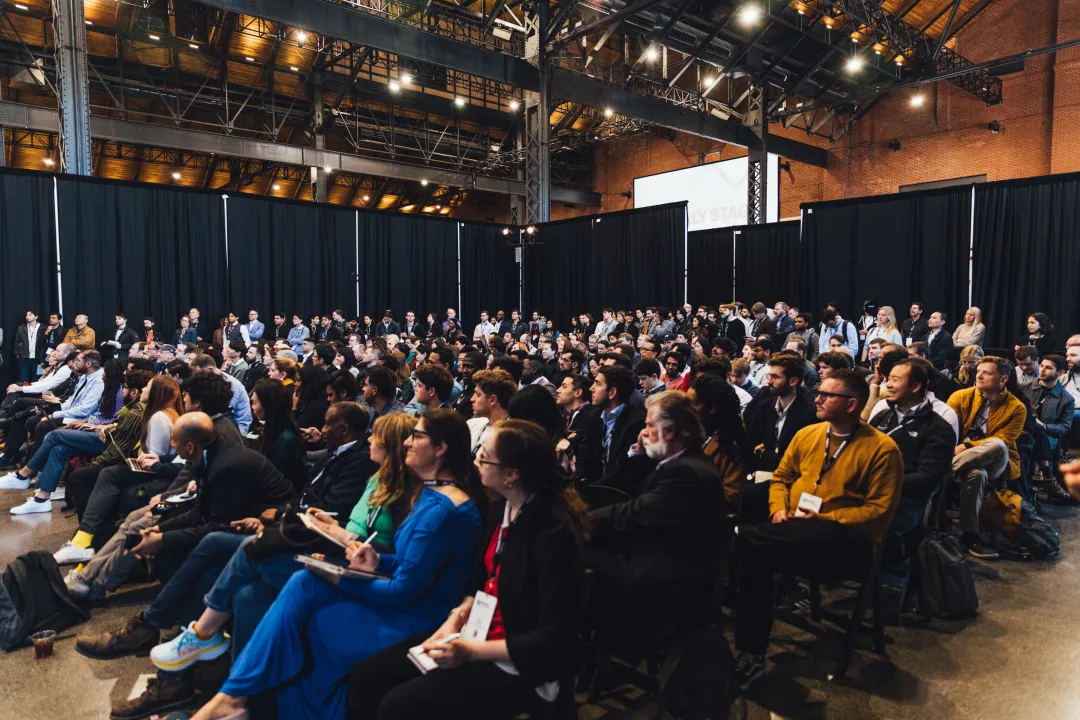
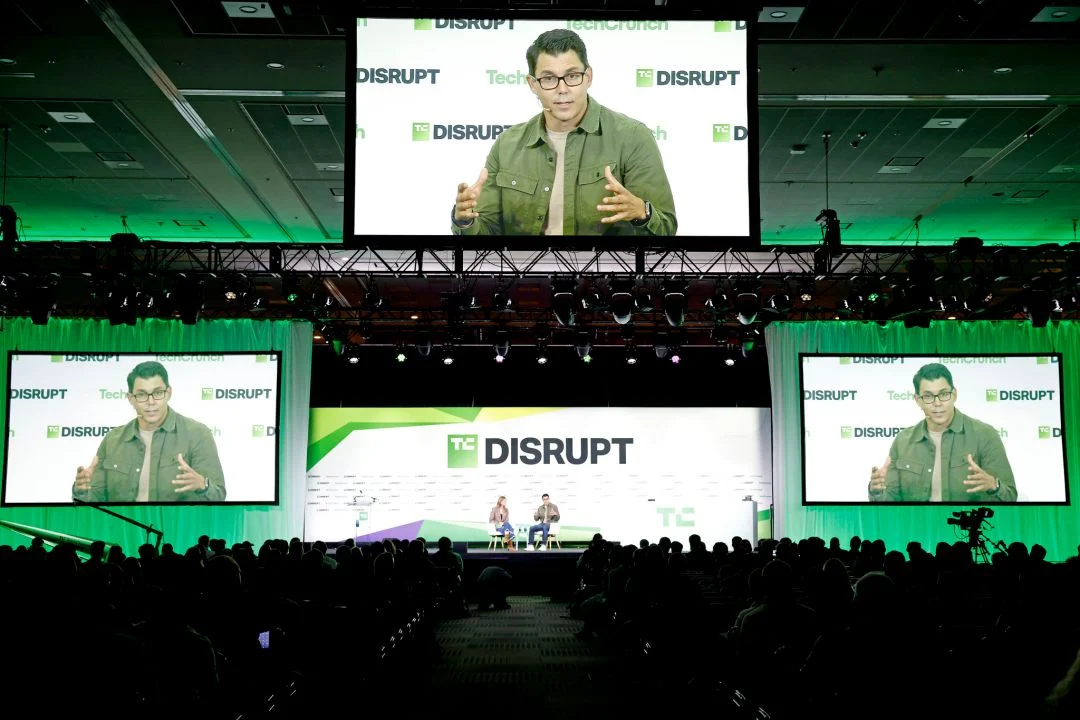
The TechCrunch Founder Summit 2026, presented by Fidelity Private Shares, is scheduled to commence in two days at the SoWa Power Station in Boston, marking a significant gathering for the East Coast’s burgeoning technology sector. On November 4, 2026, the event will assemble a diverse cohort of founders, venture capitalists, and operational experts to deliberate on the complexities of building and scaling high-growth enterprises from regional hubs. The summit serves as a critical juncture for the Boston startup community, offering a platform for peer-to-peer learning and strategic networking during a period of shifting dynamics in the global venture capital landscape. As the final countdown begins, the event also marks the last opportunity for participants to access early-registration pricing and group incentives before the transition to standard gate rates.
The selection of the SoWa Power Station—a historic industrial site transformed into an urban event space—reflects the summit’s focus on the intersection of established institutional strength and modern innovation. The one-day intensive program is designed to move beyond theoretical discussions, focusing instead on the "Boston Playbook"—a set of strategies tailored for founders who choose to build outside the traditional hegemony of Silicon Valley. By centering the dialogue on practical scaling insights, the summit aims to address the specific hurdles of the current fiscal environment, including capital efficiency, international market entry, and the retention of specialized talent.
Background and the Evolution of the Boston Tech Ecosystem
To understand the significance of the TechCrunch Founder Summit 2026, one must look at the trajectory of the Massachusetts innovation economy over the past decade. Historically recognized as a global leader in biotechnology and life sciences, Boston has successfully diversified its portfolio to include significant clusters in robotics, artificial intelligence, and enterprise software. According to recent venture capital data, Massachusetts consistently ranks among the top three states for total funding received, often competing directly with New York and California for leadership in series-stage investment.
The summit arrives at a time when the "decentralization" of tech talent has become a permanent fixture of the industry. While the San Francisco Bay Area remains a primary engine for venture activity, regional hubs like Boston have leveraged their proximity to world-class academic institutions, such as MIT and Harvard, to create a self-sustaining cycle of innovation. The 2026 summit is structured to reinforce this cycle, providing founders with the institutional knowledge required to navigate the transition from seed-stage experimentation to global operations without the necessity of relocation.

Chronology of Programming and Key Case Studies
The agenda for November 4 is structured into a series of high-impact modules, ranging from main-stage keynotes to intimate, problem-solving roundtables. The day is chronologically organized to facilitate a progression from broad strategic oversight to granular execution tactics.
A focal point of the morning session features Steve Fredette, the President, Co-founder, and Director of Toast. Fredette’s participation provides a comprehensive case study of a Boston-born company that achieved national prominence. Toast, a cloud-based restaurant management software provider, serves as a benchmark for regional scaling. The discussion will trace the company’s evolution from its early days of identifying niche customer pain points to its successful initial public offering (IPO) and subsequent expansion. For attendees, the Toast narrative serves as empirical evidence that the "Boston ecosystem" possesses the requisite infrastructure—legal, financial, and talent-based—to support decacorn-level valuations.
Following the mid-morning break, the focus shifts to the "Boston Founder Playbook," led by Chase Garbarino, CEO and Co-founder of HqO. Garbarino’s session is expected to address the geographic considerations of fundraising and team building. Having built HqO within the Boston corridor for over a decade, Garbarino will provide a comparative analysis of building in the Northeast versus the West Coast. This segment will specifically analyze how HqO raised substantial capital and expanded into international markets while maintaining its headquarters in Massachusetts. The session is designed to debunk myths regarding the limitations of regional venture hubs and provide a tactical roadmap for internationalization.
Supporting Data: The State of Regional Venture Capital
The 2026 summit takes place against a backdrop of stabilizing venture markets. Data from the first three quarters of 2026 suggests a renewed focus on "durable growth" rather than "growth at any cost." In the Boston area specifically, B2B SaaS and industrial tech have seen a 12% year-over-year increase in Series B and C funding rounds. This data point is critical for summit attendees, as it indicates a healthy appetite for mature startups that can demonstrate path-to-profitability.
Furthermore, the involvement of Fidelity Private Shares as a presenting sponsor highlights the increasing integration of traditional financial services with the startup lifecycle. Fidelity’s focus on cap table management and private market liquidity reflects a broader trend in 2026: the professionalization of early-stage operations. Founders are increasingly expected to maintain rigorous financial hygiene from day one, a topic that will be covered extensively during the summit’s afternoon breakout sessions.

Interactive Networking and Peer-to-Peer Learning
Recognizing that the value of professional summits often lies in the connections made between formal sessions, the TechCrunch Founder Summit 2026 has integrated "Braindate" networking into its core structure. This system allows participants to schedule targeted, small-group discussions based on specific challenges, such as navigating R&D tax credits or managing remote engineering teams across multiple time zones.
The afternoon schedule also features specialized roundtables. These are facilitated, interactive sessions where founders and venture capitalists discuss specific friction points in the scaling process. Unlike traditional panels, these roundtables require active participation, ensuring that the insights generated are grounded in the real-time challenges faced by the attendees. Topics slated for these sessions include:
- Navigating the 2027 regulatory environment for AI-driven startups.
- Bridge financing and the current state of the M&A market.
- Developing resilient supply chains for hardware-enabled SaaS.
In addition to the primary programming at the SoWa Power Station, a series of official side events will take place throughout the Boston startup hub. these events are intended to extend the summit’s reach, fostering a "neighborhood-wide" atmosphere of collaboration that involves local incubators, law firms, and university labs.
Official Perspectives and Broader Implications
While official statements from the organizers emphasize the logistical readiness of the event, the underlying sentiment among regional stakeholders is one of strategic optimism. Inferred reactions from the local tech community suggest that the summit is viewed as a validation of Boston’s maturity as a tech capital. Economic development officials have noted that events of this caliber are essential for maintaining the state’s competitive edge in attracting and retaining high-growth companies.
The broader implications of the TechCrunch Founder Summit 2026 extend beyond the immediate interests of the attendees. The event serves as a litmus test for the viability of the "hub-and-spoke" model of innovation. If founders can successfully demonstrate that global-scale companies can be built and managed from Boston, it provides a template for other emerging tech cities—such as Austin, Raleigh, and Seattle—to follow.

Analysis of the summit’s themes suggests a shift in the "founder archetype." The 2026 founder is increasingly portrayed as a pragmatic operator who prioritizes fundamental business metrics over speculative hype. This shift is reflected in the agenda’s emphasis on "practical scaling insights" and "moving the needle," phrases that signal a move toward more disciplined entrepreneurial practices.
Final Logistics and Participation Details
As the November 4 start date approaches, the organizers have confirmed that the venue is at near-capacity. The SoWa Power Station will open its doors early Wednesday morning, with registration beginning at 8:00 AM. The final window for securing passes at current rates closes at the end of the business day on November 3.
The summit represents more than a networking opportunity; it is a concentrated effort to document and disseminate the strategies that define the next generation of American industry. For the founders building in Boston and beyond, the insights gained at the TechCrunch Founder Summit 2026 may well dictate the trajectory of their enterprises through the remainder of the decade. By bringing together the disparate elements of the startup ecosystem—capital, talent, and experience—the event aims to ensure that the "playbook" for the future is written with clarity, precision, and a regional perspective that resonates globally.