Lina Wu
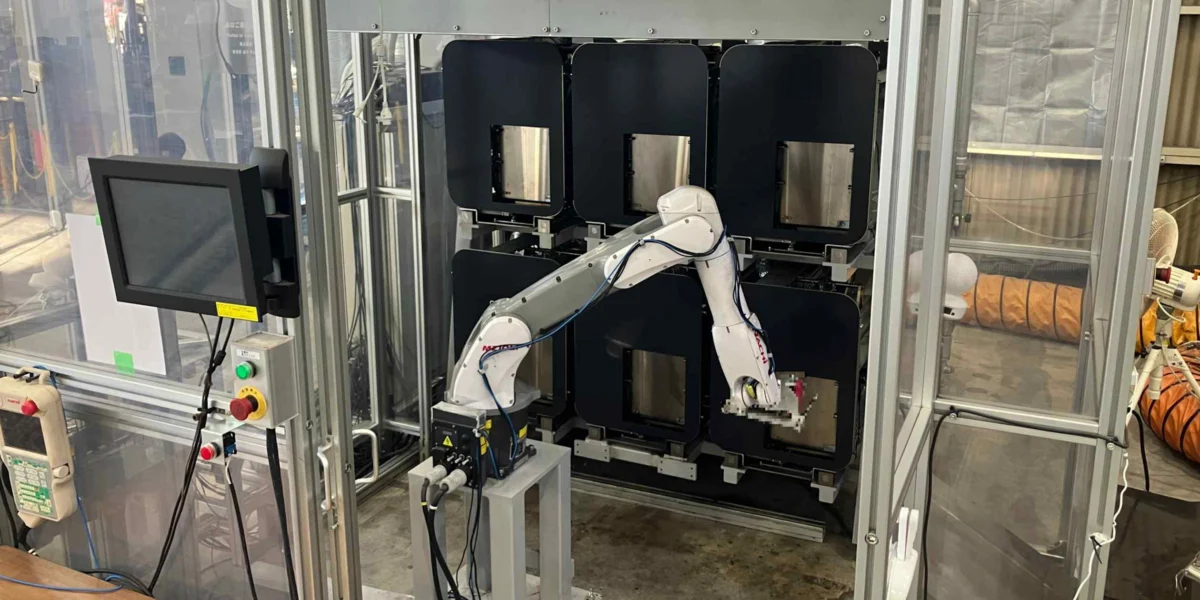
TOKYO — A significant investment has been made by a decarbonization agency backed by the Japanese government into U.S. startup Sun Metalon, with the express aim of accelerating the mass production of advanced equipment designed for metal recycling. This strategic infusion of capital, as revealed by Nikkei, signals Japan’s commitment to fostering innovative solutions for a circular economy and bolstering its position in the global fight against climate change. The investment is poised to unlock Sun Metalon’s potential to revolutionize the way industrial metal scrap is processed, ultimately contributing to a more sustainable steel industry.
Sun Metalon’s proprietary technology centers on a novel machine that utilizes high temperatures to purify metal scrap generated by factories. This process not only removes impurities but also transforms the raw material into briquettes, a standardized and more manageable form that is ideal for direct use in steelmaking. This innovation directly addresses a critical bottleneck in the current metal recycling infrastructure, which often struggles with the inconsistent quality and composition of scrap materials. By enabling the production of high-purity recycled inputs, Sun Metalon’s technology promises to reduce reliance on virgin resources and significantly lower the carbon footprint associated with steel production, a sector notoriously known for its substantial greenhouse gas emissions.
The context for this investment is deeply rooted in Japan’s ambitious climate goals. The nation has pledged to achieve carbon neutrality by 2050, a target that necessitates a fundamental shift in its industrial practices. The steel industry, in particular, is a cornerstone of the Japanese economy, but it is also one of its largest emitters of carbon dioxide. Traditional steelmaking, which relies heavily on iron ore and coal, is inherently carbon-intensive. The drive towards decarbonization thus demands innovative approaches that can reduce or eliminate these emissions. Metal recycling offers a compelling pathway, as producing steel from recycled materials can reduce energy consumption and CO2 emissions by as much as 75% compared to primary production. However, the efficiency and scalability of current recycling methods have limited their full potential.
Sun Metalon’s technology emerges as a potential game-changer in this landscape. The company’s process involves heating metal scrap to extreme temperatures, a method that effectively vaporizes or separates unwanted elements like zinc, oil, and paint. The remaining metal, now purified, is then compacted into dense briquettes. This transformation is crucial because it standardizes the feedstock for steel mills, allowing them to process recycled materials with greater predictability and efficiency. Without such purification, mixed metal scrap can introduce contaminants that degrade the quality of the final steel product or require additional, energy-intensive processing steps at the steel mill.
The investment from the Japanese government-backed agency, while not explicitly named in the initial report, is understood to be channelled through an entity dedicated to promoting green technologies and supporting the development of decarbonization solutions. Such agencies often play a vital role in bridging the gap between promising early-stage technologies and their commercial viability, providing not only financial backing but also strategic guidance and access to markets. For Sun Metalon, this partnership represents a critical juncture, enabling them to move beyond pilot-scale operations and establish the manufacturing capacity required for widespread adoption of their machines.
Background and Chronology of Support
While the specific timeline of negotiations and the exact amount of investment remain undisclosed, this move by Japan signifies a growing international recognition of Sun Metalon’s disruptive potential. The startup, likely founded within the last decade, has been working to refine its technology and demonstrate its effectiveness through pilot projects. The investment suggests that these demonstrations have met the stringent criteria of the Japanese decarbonization agency, likely involving rigorous technical validation and economic feasibility studies.
The Japanese government has been actively encouraging investment in circular economy solutions. Initiatives such as the "Green Growth Strategy" have identified decarbonization technologies, including those related to resource recycling and energy efficiency, as priority areas for development and deployment. This investment in Sun Metalon aligns perfectly with these strategic objectives. It is probable that the agency has been monitoring Sun Metalon’s progress for some time, evaluating its technological readiness and its capacity to scale. The decision to invest now indicates that the company has reached a maturity level where significant capital can be effectively deployed to accelerate its growth.
Supporting Data and the Environmental Imperative
The global demand for steel remains robust, driven by infrastructure development and manufacturing across various sectors. However, the environmental cost of primary steel production is substantial. The World Steel Association estimates that the steel industry is responsible for approximately 7-9% of global direct CO2 emissions. This makes any technology that can significantly increase the use of recycled steel a critical tool in achieving climate targets.
Current global steel production relies on a mix of primary (virgin ore) and secondary (recycled) materials. While recycling is already a significant contributor, its potential is often hampered by the challenges of scrap quality. Sun Metalon’s technology directly tackles this issue. By producing clean, standardized briquettes, it can increase the proportion of recycled content that steel mills can comfortably and economically utilize. For instance, if a steel mill currently uses 30% recycled content due to scrap quality issues, a technology that reliably purifies scrap could potentially enable them to increase this to 50% or even higher, leading to substantial reductions in CO2 emissions per ton of steel produced.
The economic implications are also noteworthy. While the initial investment in Sun Metalon’s machines might be significant, the long-term savings for steel producers could be substantial. Reduced reliance on volatile iron ore and coking coal prices, coupled with lower energy consumption and potential carbon taxes or credits, can improve profitability. Furthermore, the creation of a more robust domestic metal recycling infrastructure can enhance resource security and reduce dependence on imports.
Official Responses and Strategic Implications
While direct quotes from Sun Metalon or the investing agency are not yet available, the act of investment itself speaks volumes. For Sun Metalon, it provides the crucial capital infusion needed to transition from a technology developer to a manufacturing powerhouse. This will likely involve establishing or expanding production facilities, building out a sales and support network, and potentially securing further partnerships with major steel producers globally.
For Japan, this investment represents a strategic move on multiple fronts. Firstly, it supports its national climate agenda by fostering a key decarbonization technology. Secondly, it positions Japanese industrial expertise and capital at the forefront of a burgeoning global market for advanced recycling solutions. By backing Sun Metalon, Japan is not just investing in a company; it is investing in a sustainable future for a vital global industry and potentially creating export opportunities for its own companies involved in the supply chain or subsequent deployment of such technologies.
The broader implications of this investment extend beyond the immediate transaction. It signals a clear trend towards greater integration of advanced recycling technologies within industrial processes. As regulations around emissions tighten and the economic case for sustainability strengthens, companies like Sun Metalon are poised for significant growth. This Japanese backing could act as a catalyst, encouraging other governments and private investors to look more closely at similar innovations.
The focus on metal recycling is particularly pertinent given the finite nature of many raw materials. A truly circular economy requires not just the reuse of materials but also the efficient and effective upgrading of those materials to maintain their value and utility. Sun Metalon’s technology appears to be a significant step in this direction, addressing a critical need within the steel sector. The success of this venture could pave the way for similar innovations in other heavy industries that grapple with material impurities and the challenges of recycling.
In conclusion, the investment by Japan’s government-backed decarbonization agency in Sun Metalon is a pivotal development in the pursuit of sustainable industrial practices. It highlights a forward-looking approach to climate change, leveraging technological innovation to address the environmental challenges of a fundamental industry. The strategic infusion of capital is expected to accelerate the mass production of Sun Metalon’s advanced metal recycling equipment, marking a significant stride towards a more circular and less carbon-intensive future for steel production. This partnership underscores the growing global commitment to decarbonization and the critical role that innovative recycling technologies will play in achieving it.