Lina Wu
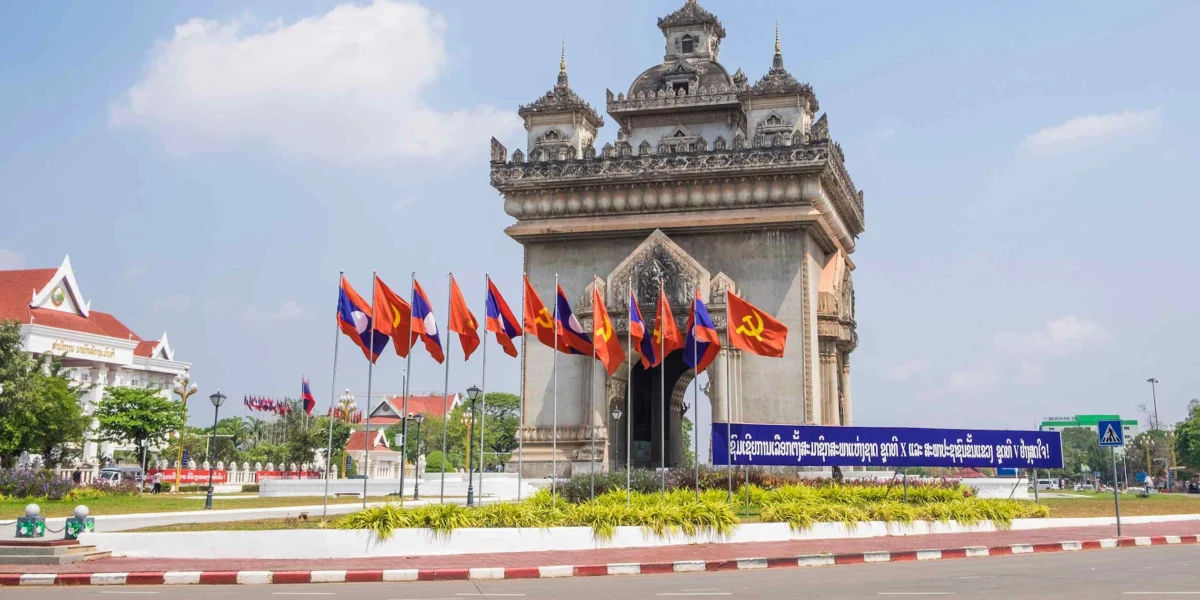
Laos is on the cusp of a significant economic and developmental milestone, preparing to officially graduate from its designation as a "least developed country" (LDC). This transition, anticipated following years of concerted effort and strategic planning, marks a pivotal moment for the Southeast Asian nation. However, as Vientiane steps into this new era, it faces the inherent challenges of building sustained economic resilience and enhancing national productivity. This development comes at a time when other nations, such as Nepal and Bangladesh, have recently been granted extensions to their LDC status, highlighting the complex and often arduous nature of this graduation process and the potential trade-offs involved.
The United Nations Committee for Development Policy (CDP) designates LDCs based on three criteria: per capita income, human assets, and economic and environmental vulnerability. Graduation typically requires a country to meet the threshold for per capita gross national income (GNI) for two consecutive triennial reviews, alongside improvements in its Human Assets Index and Economic and Environmental Vulnerability Index. For Laos, this signifies a substantial leap forward in its development trajectory, moving from a category of countries requiring significant international support to one capable of greater self-reliance.
Background and Context of Laos’s Graduation
Laos, a landlocked nation in Southeast Asia, has historically grappled with challenges common to LDCs, including limited infrastructure, a reliance on primary commodity exports, and a relatively small, developing industrial base. For decades, the country has benefited from preferential trade agreements, development assistance, and a range of other support mechanisms specifically designed for LDCs. These benefits have played a crucial role in facilitating its progress, particularly in areas such as poverty reduction, education, and healthcare.
The decision to graduate is not merely a symbolic one; it carries significant implications for Laos’s engagement with the global economy. While graduation is a testament to progress, it also means the phasing out of these LDC-specific advantages. This can include the loss of preferential market access to developed countries, reduced eligibility for certain development aid, and the potential for increased trade competition. Therefore, the period leading up to and immediately following graduation is critical for ensuring a smooth transition and mitigating any negative economic repercussions.
Laos’s journey towards graduation has been characterized by a strategic focus on economic diversification, investment in human capital, and efforts to improve its overall economic structure. Government initiatives have aimed at fostering sectors with higher growth potential, improving the business environment, and integrating more effectively into regional and global value chains. The success of these efforts will be tested as the country navigates the post-LDC landscape.
Key Challenges and Opportunities
The primary challenges facing Laos upon graduating from LDC status revolve around sustaining economic growth and ensuring that the benefits of development are broadly shared. Building economic resilience will be paramount, requiring the nation to diversify its export base beyond traditional commodities like minerals and agricultural products. This involves fostering higher value-added industries, such as manufacturing, services, and technology, which can create more stable and higher-paying employment opportunities.
Enhancing productivity across all sectors is another critical objective. This entails investing in technological advancements, improving management practices, and developing a skilled workforce capable of meeting the demands of a more competitive global market. Education and vocational training programs will need to be aligned with the evolving needs of the economy.
Furthermore, Laos will need to strengthen its institutional capacity and regulatory frameworks to effectively manage its trade relations and attract foreign direct investment. This includes ensuring transparency, promoting good governance, and developing robust legal systems that protect investments and facilitate business operations.
Despite these challenges, graduation also presents significant opportunities. It signals to the international community that Laos has achieved a level of development that allows for greater participation in the global economy as a peer. This can lead to increased investor confidence, enhanced access to international finance on potentially more favorable terms, and a stronger voice in international economic forums. The transition can also serve as a powerful motivator for continued reform and development, fostering a sense of national pride and achievement.
Comparative Context: Nepal and Bangladesh
The recent extensions granted to Nepal and Bangladesh for their LDC graduation provide valuable context for Laos’s own transition. Both nations were slated to graduate but faced significant hurdles in adapting to the post-LDC environment. Nepal, for instance, has expressed concerns about the impact on its trade, particularly its exports to the European Union under the "Everything But Arms" (EBA) initiative. The country is working to strengthen its trade capacity and diversify its export markets to offset the loss of preferential treatment.
Bangladesh, a major garment exporter, has also highlighted the potential challenges related to trade preferences and the need for continued support in areas like trade facilitation and industrial development. The extensions allow these countries additional time to implement reforms and build the necessary infrastructure and institutional capacity to compete more effectively in the global market without the safety net of LDC status.
This comparative perspective underscores the importance of proactive planning and robust support mechanisms for Laos as it navigates its own graduation. The lessons learned from Nepal and Bangladesh can inform Laos’s strategies for managing the transition, identifying potential pitfalls, and leveraging opportunities for sustained growth.
Upcoming Week in Asia: Key Developments
This week’s global economic calendar features several events that provide a broader context for regional development and emerging market trends, including Laos’s own progress.
Monday:
- Nepal Prime Minister Visits India: The visit of Nepal’s Prime Minister, Balendra Shah, to New Delhi for talks with Indian counterpart Narendra Modi is a significant diplomatic and economic event. This engagement is expected to focus on a substantial economic package for Nepal, potentially worth around $2 billion, which could include concessional loans for crucial infrastructure projects and grants for road development and flood reconstruction efforts. Such bilateral economic cooperation is vital for LDCs and graduating LDCs in strengthening their economic foundations and addressing developmental needs.
- CPTPP Meetings in Vietnam: Vietnam’s hosting of high-level meetings under the Comprehensive and Progressive Agreement for Trans-Pacific Partnership (CPTPP) highlights the ongoing efforts to deepen regional trade and investment ties. The participation of ministers from member economies, alongside representatives from the European Union and ASEAN, underscores the growing importance of these multilateral frameworks in shaping the future of trade in the Asia-Pacific region. Discussions on trade and investment cooperation are crucial for countries seeking to enhance their global economic integration, a key objective for graduating LDCs.
- Danantara Financial Report: The release of Indonesia’s Danantara sovereign wealth fund’s first annual report is a notable event for the Indonesian economy. The fund, established to oversee state-owned enterprises, is expected to provide insights into its performance and strategic direction. Delays attributed to audits by the Supreme Audit Agency highlight the rigorous oversight and accountability mechanisms being put in place, which are essential for building investor confidence in emerging markets.
- Data Releases: Economic indicators from Singapore (inflation), India (purchasing managers index), and Taiwan (unemployment) will offer snapshots of economic activity and potential inflationary pressures in these key Asian economies.
Tuesday:
- Laos LDC Graduation: The official marking of Laos’s graduation from LDC status is the focal point of the week. The nation’s reaffirmation of its commitment to strengthening economic resilience and ensuring a smooth transition will be closely watched by international development partners and investors. This day represents the culmination of years of effort and the beginning of a new chapter in Laos’s economic development.
- Earnings Reports: Xiaomi, the Chinese technology giant, is scheduled to release its earnings report, providing insights into the performance of the global consumer electronics market.
- Data Releases: Gross domestic product figures for Singapore, auto sales data from Thailand, and Purchasing Managers’ Index (PMI) data for Japan will offer further insights into regional economic trends.
Wednesday:
- Earnings Report: Shein, the fast-fashion e-commerce giant, will release its earnings, shedding light on the performance of the global online retail sector and its rapid growth trajectory.
Thursday:
- Tata Sons Board Meeting: A critical board meeting of Tata Sons, the parent company of India’s most prominent conglomerate, is anticipated amidst internal discussions regarding leadership and a potential initial public offering (IPO). The reported clashes between Noel Tata and other board members over the reappointment of Chair N. Chandrasekaran, who reportedly favors an IPO, signal potential shifts in corporate strategy and governance. Noel Tata’s reported proposal for a restructuring to bypass central bank listing mandates and a significant payment to SP Group, a major shareholder, underscores the complex financial and strategic decisions facing the conglomerate. Such internal dynamics within major corporations can have ripple effects on investor confidence and market sentiment.
- South Korea Monetary Policy Meeting: The Bank of Korea is set to hold its regular monetary policy meeting. Analysts widely predict an increase in the key interest rate to 3.25%, driven by robust growth forecasts buoyed by an ongoing export boom. This move reflects the central bank’s efforts to manage inflation and maintain economic stability in a period of strong economic performance.
- Data Releases: Manufacturing index data from Singapore and trade figures from Hong Kong will provide additional economic intelligence for the region.
Friday:
- Bank Indonesia Annual Meeting: Bank Indonesia’s annual meeting is a key event for understanding the economic outlook of Southeast Asia’s largest economy. The presentation of the central bank’s outlook, challenges, and policy priorities will be closely scrutinized by businesses and investors for signals regarding the government’s economic agenda. The scheduled address by Indonesian President Prabowo Subianto is particularly significant, as it will offer insights into the administration’s strategic direction for the nation’s economy.
- Earnings Report: Meituan, the Chinese e-commerce and delivery platform, will release its earnings, providing an update on the performance of China’s vast domestic consumer market.
- Data Releases: Trade data from the Philippines and GDP figures for Taiwan will offer further economic indicators for these economies.
Saturday:
- Taiwan Mayoral and County Elections: The upcoming local elections in Taiwan represent a significant political test for President Lai Ching-te’s administration and the main opposition parties. With nearly 20 million eligible voters, these elections will serve as a bellwether for public sentiment and political trends ahead of the presidential contest scheduled for just over a year later. The outcomes in key mayoral races, particularly in Taipei and New Taipei, which are traditional strongholds of the Kuomintang (KMT), are expected to be closely contested and could influence the broader political landscape.
Sunday:
- Data Release: Sri Lanka’s inflation figures will be released, providing an update on the ongoing economic recovery efforts in the island nation.
Implications of Laos’s Graduation
Laos’s graduation from LDC status is a watershed moment that signifies progress but also necessitates a strategic recalibration of its economic policies and international engagement. The loss of preferential trade access, while gradual, will require enhanced competitiveness and a more diversified export portfolio. This transition presents an opportunity for Laos to solidify its position as a developing nation capable of greater economic self-sufficiency and to attract a broader range of investments based on its merits rather than LDC-specific incentives. The nation’s success will hinge on its ability to implement structural reforms, invest in its human capital, and foster an environment conducive to sustainable and inclusive economic growth in the years to come. The path forward will demand continued commitment to development, strategic partnerships, and a proactive approach to navigating the complexities of the global economic arena.