Lina Wu
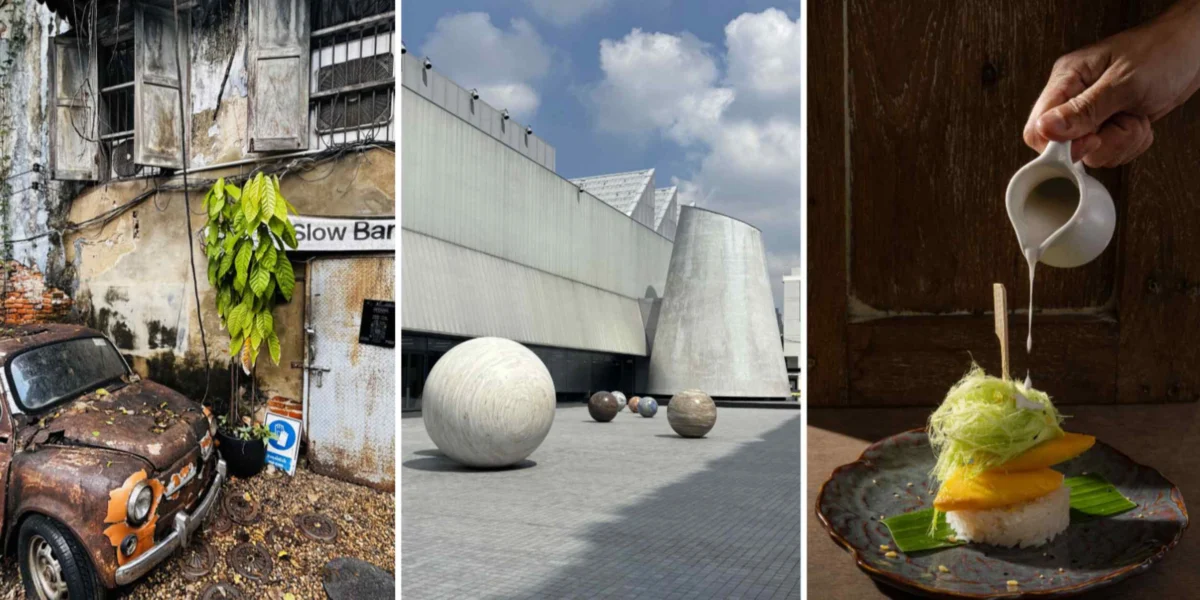
Bangkok, Thailand’s vibrant and sprawling capital, has once again proven its capacity to captivate and surprise its visitors, even those with a long history of engagement with the city. For many, the allure of Bangkok lies in its multifaceted identity, a dynamic blend of the ancient and the modern, the traditional and the avant-garde. This enduring fascination is fueled by an array of sensory experiences, from the tantalizing aromas of its world-renowned street food and the serene grandeur of its gilded temples to the bustling energy of its myriad markets and the restorative tranquility offered by its ubiquitous massage parlors. Beyond these established attractions, the true magic of Bangkok often unfolds in the quiet discovery of its older neighborhoods, where the narrative of time is visibly etched onto the landscape. Here, venerable shophouses, often bearing the patina of decades, stand in curious yet harmonious juxtaposition with sleek, contemporary cafes and cutting-edge art galleries, each visit offering a fresh perspective and revealing another layer of the city’s complex character. This constant evolution ensures that Bangkok remains a destination that consistently defies expectations and rewards deeper exploration.
Historical Tapestry and Urban Development
The narrative of Bangkok’s constant evolution is deeply rooted in its history as a crucial trading hub and its rapid development throughout the 20th and 21st centuries. Founded in 1782 by King Rama I, the city, then known as Krung Thep, quickly became the center of the Siamese kingdom. Its strategic location on the Chao Phraya River facilitated trade and attracted diverse populations, laying the groundwork for its cosmopolitan character. The early 20th century saw significant modernization efforts, including the introduction of Western-style infrastructure and urban planning, a trend that accelerated dramatically in the latter half of the century with Thailand’s economic boom. This period witnessed an unprecedented surge in construction, transforming the city’s skyline and its very fabric. The influx of foreign investment and the rise of a burgeoning middle class fueled the demand for modern housing, commercial spaces, and entertainment venues.
However, this rapid development did not erase the city’s historical memory. Instead, it created a unique urban mosaic. Older districts, such as Chinatown (Yaowarat) and the Banglamphu area, have managed to retain much of their traditional charm, characterized by narrow alleyways, traditional markets, and historic shophouses. These areas serve as living museums, offering a glimpse into Bangkok’s past while simultaneously adapting to the present. The juxtaposition of old and new is a defining characteristic of Bangkok’s urban landscape. Modern skyscrapers and shopping malls now stand alongside centuries-old temples and traditional wooden houses, creating a visually striking and culturally rich environment. This dynamic interplay between heritage and modernity is not merely aesthetic; it reflects the city’s ability to embrace progress while cherishing its roots.
The Enduring Appeal of Street Food and Markets
Bangkok’s reputation as a culinary capital is largely built upon its vibrant street food scene. This is not merely a matter of sustenance; it is a cultural phenomenon deeply embedded in the daily lives of its residents and a major draw for tourists. The sheer variety and accessibility of street food, from Pad Thai and Mango Sticky Rice to Som Tum and various grilled meats, offer an unparalleled gastronomic adventure. According to a 2019 report by the World Street Food Association, Bangkok consistently ranks among the top global cities for street food, with an estimated over 20,000 street food vendors operating across the city. These vendors are often custodians of family recipes passed down through generations, contributing to the authentic flavors and cultural heritage of the cuisine.
Complementing the street food are Bangkok’s dynamic markets, which serve as vital centers of commerce and social interaction. These range from the sprawling Chatuchak Weekend Market, one of the world’s largest outdoor markets attracting an estimated 200,000 visitors on a typical weekend, to the more specialized markets like the Pak Khlong Talat (Flower Market) and the Maeklong Railway Market, known for its unique location on active railway tracks. These markets offer a sensory overload of sights, sounds, and smells, showcasing everything from fresh produce and local handicrafts to fashion and antique goods. They provide an intimate glimpse into the local way of life and offer opportunities for unique cultural immersion. The constant churn of vendors and the sheer volume of goods available underscore the enduring importance of these traditional marketplaces in the contemporary urban economy.
The Rise of Contemporary Culture and Art
In parallel with its traditional offerings, Bangkok has witnessed a significant rise in its contemporary cultural and art scene. The city is now home to a burgeoning number of art galleries, independent cinemas, and performance spaces that showcase the work of local and international artists. Districts like Charoen Krung and Sukhumvit have become hubs for this creative energy, with former industrial buildings and shophouses being transformed into stylish galleries, independent bookstores, and trendy cafes. The Bangkok Art and Culture Centre (BACC), a prominent landmark, plays a crucial role in fostering this scene, hosting a diverse range of exhibitions, performances, and workshops.
The emergence of these new cultural spaces reflects a growing appreciation for contemporary art and design among both locals and expatriates. It also indicates a broader trend of urban regeneration, where creative industries are being leveraged to revitalize older areas of the city. This integration of new artistic endeavors into historic neighborhoods creates a fascinating dialogue between past and present, offering visitors a richer and more nuanced understanding of Bangkok’s evolving identity. The increasing number of international art fairs and cultural festivals held in Bangkok further solidifies its position as a significant player in the regional and global art landscape.
Addressing Urban Challenges and Future Trajectories
Despite its undeniable charm and dynamism, Bangkok, like many megacities, faces significant urban challenges. Traffic congestion remains a persistent issue, with an average commute time often exceeding an hour during peak periods, impacting productivity and quality of life. The city also grapples with environmental concerns, including air pollution, particularly during the dry season, and the ongoing threat of flooding due to its low-lying topography and rising sea levels.
In response, the Thai government and city authorities have been implementing various strategies. Investments in public transportation, including the expansion of the BTS Skytrain and MRT subway networks, aim to alleviate traffic congestion and promote sustainable mobility. For instance, the BTS network alone carries an average of over 750,000 passengers daily, with ongoing extensions planned. Efforts to improve air quality include stricter emissions standards for vehicles and industrial activities, alongside initiatives to increase green spaces within the city. The development of new infrastructure projects, such as elevated highways and improved drainage systems, is also underway to mitigate flood risks.
The city’s adaptability, however, remains its strongest asset. The continuous interplay between its rich history, its vibrant cultural offerings, and its proactive approach to urban development suggests that Bangkok will continue to surprise and enchant, offering new discoveries with each visit. The capacity of its residents to integrate the new with the old, to find innovation within tradition, and to embrace change while preserving identity, is the true engine of Bangkok’s enduring allure. As the city continues to grow and evolve, it offers a compelling case study in how a metropolis can balance rapid modernization with the preservation of its unique heritage, creating a living, breathing testament to the dynamism of urban life in Southeast Asia.