Lina Wu
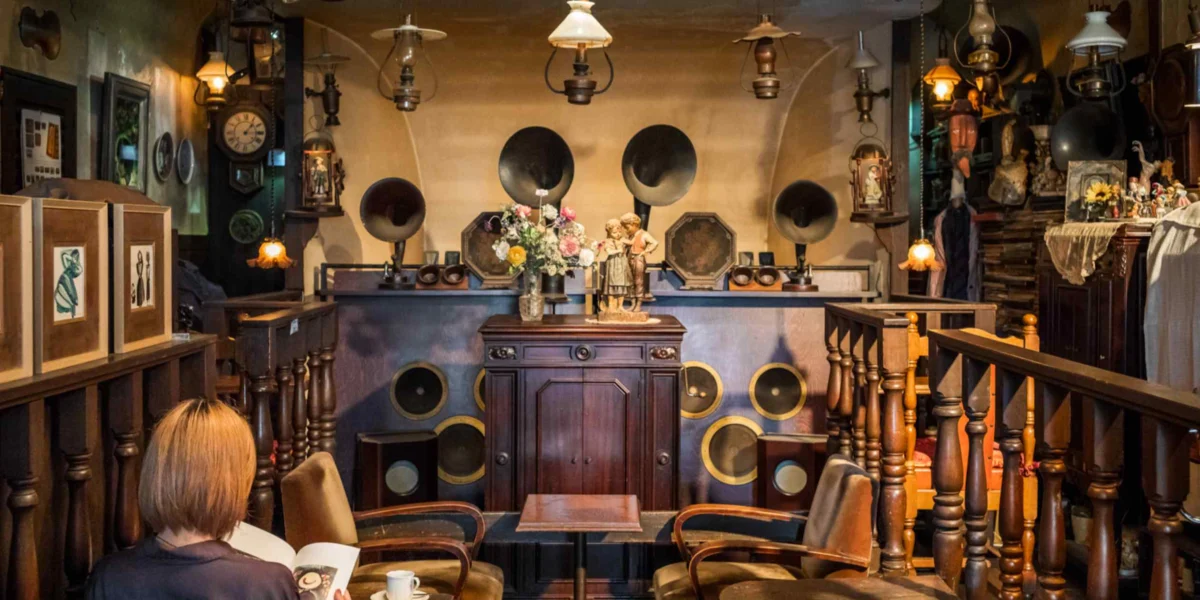
The concept of the listening bar, a burgeoning trend in urban centers worldwide, defies a singular, easily digestible definition. Yet, beneath the surface of its varied manifestations lies a unifying principle: an ardent devotion to music, experienced with an uncommon depth and focus. These establishments, often characterized by their dedicated audio systems and an atmosphere conducive to attentive sound appreciation, are carving out a distinct niche in the contemporary entertainment landscape. While some are adorned with walls completely enveloped in vinyl records, from floor to ceiling, others showcase vast collections of CDs meticulously arranged on expansive racks. The operational norms can range from hushed reverence, where patrons are politely discouraged from conversing over the music, to more relaxed environments that still prioritize an elevated auditory journey. A common thread, however, is the presence of substantial speaker systems, some of which are handcrafted, underscoring the commitment to sonic fidelity.
The Genesis and Evolution of the Listening Bar
The origins of the listening bar can be traced back to the mid-20th century, with early iterations often found in record stores or specialized cafes in Japan, where the concept has particularly flourished. These early spaces were designed to allow customers to sample records before purchase, fostering a more engaged way of discovering music. Over time, this idea evolved from a functional showroom into a dedicated social and cultural space. The advent of high-fidelity audio equipment and a growing appreciation for the nuances of analog sound in the late 20th and early 21st centuries provided fertile ground for the resurgence and diversification of listening bars.
The 1970s and 1980s saw a rise in "kissaten" (Japanese coffee shops) that incorporated listening areas, often featuring sophisticated sound systems. These were not just places to drink coffee; they were sanctuaries for music lovers. The emphasis was on creating an environment where the music could be heard as the artist intended, free from the distractions of typical bar or cafe chatter. This philosophy has carried forward into the modern listening bar.
Defining the Modern Listening Bar: Key Characteristics
While the visual aesthetics and specific musical genres may vary, several core characteristics define the contemporary listening bar:
- High-Quality Audio Systems: This is arguably the most critical element. Listening bars invest heavily in premium audio equipment, including high-fidelity turntables, amplifiers, preamplifiers, and meticulously chosen speakers. The goal is to reproduce music with clarity, warmth, and dynamic range, allowing listeners to discern subtle details and textures within the sound. This often involves a curated selection of vintage or bespoke audio gear, reflecting a deep understanding of acoustics and sound engineering. The size and power of these systems are often impressive, designed to fill the space with rich, immersive sound. For instance, some establishments might feature custom-built horn speakers, known for their efficiency and natural sound reproduction, or large, vintage Western Electric or Altec Lansing units, revered for their sonic characteristics.
- Curated Music Collections: The music selection is paramount. Listening bars typically feature extensive collections of vinyl records and/or CDs, spanning a diverse range of genres. The programming is often thoughtful, curated by knowledgeable DJs or staff who understand how to create a cohesive and engaging listening experience. The focus is not on playing popular hits, but on showcasing artists and albums that reward attentive listening. Genres can range from jazz, soul, and funk to classical, ambient, electronic, and obscure world music. The sheer volume of records, meticulously organized and maintained, is often a visual testament to this dedication. Some bars boast collections exceeding 10,000 LPs, representing decades of musical exploration.
- Atmosphere and Acoustics: The physical environment is carefully designed to enhance the listening experience. This includes acoustic treatment of the space to minimize echoes and unwanted reverberation, creating a controlled sound environment. Seating is often arranged to optimize sound projection and allow for comfortable, focused listening. Lighting is typically subdued, fostering a relaxed and intimate ambiance, encouraging patrons to settle in and absorb the music. The layout often prioritizes sightlines to the DJ booth or sound system, adding a visual element to the auditory experience.
- Focus on Attentive Listening: A defining characteristic is the culture of respectful listening. While not all listening bars enforce strict silence, there is a general expectation that patrons will minimize conversation that detracts from the music. This creates an environment where the audio experience is the primary focus, rather than background noise for social interaction. This ethos is often communicated through subtle cues, signage, or the establishment’s overall ambiance.
The Rise of the Listening Bar: A Global Phenomenon
While Japan has long been a stronghold for listening bars, the concept has gained significant traction in other global cities in recent years. New York City, London, Berlin, and Los Angeles are just a few examples of metropolises that have seen a proliferation of these venues. This growth can be attributed to several converging factors:
- The Vinyl Revival: The resurgence of vinyl record sales, which have seen consistent year-over-year growth for over a decade, has fueled interest in the analog listening experience. Data from the Recording Industry Association of America (RIAA) indicates that vinyl has become the fastest-growing physical format for music consumption. This renewed appreciation for the tactile and sonic qualities of vinyl has naturally led to a demand for spaces that celebrate it.
- A Desire for Authentic Experiences: In an increasingly digitized and often superficial world, consumers are seeking more authentic and immersive experiences. Listening bars offer a tangible and focused way to engage with music, providing an antidote to the passive, often fragmented consumption of music through streaming services. This desire for "slow culture" and mindful engagement is a significant driver.
- Technological Advancements and Accessibility: While many listening bars champion vintage analog equipment, advancements in digital audio technology and high-resolution streaming have also made it possible to achieve exceptional sound quality in these spaces. This has broadened the appeal and accessibility of high-fidelity audio.
- Community and Shared Passion: Listening bars cultivate a sense of community among music enthusiasts. They provide a common ground for people who share a deep appreciation for sound and sonic artistry. These venues often become hubs for like-minded individuals to connect, discover new music, and engage in shared cultural experiences.
Case Studies and Examples
Tokyo: As the birthplace of many of these establishments, Tokyo boasts an impressive array of listening bars, each with its unique character. Jazz Bar "Dub" in Shibuya, for example, is renowned for its extensive jazz vinyl collection and intimate atmosphere. Bar Martha in Shinjuku is another prominent venue, celebrated for its meticulously curated selection of rock and soul records. The Japanese approach often emphasizes precision in sound reproduction and a deep respect for the musical performance.
New York City: The Big Apple has seen a surge in listening bars, reflecting its vibrant music scene. Good Room in Brooklyn, while also a club, features dedicated listening sessions with high-quality sound systems. A Bar Called Alex offers a more intimate setting with a focus on rare vinyl. The trend here often blends the immersive audio experience with a more social, yet still music-centric, atmosphere.
London: London’s listening bar scene is equally dynamic. Spiritland is a prime example, functioning as a cafe, bar, and radio station, all centered around an exceptional sound system and a diverse musical program. The Record Player in Peckham offers a more relaxed, community-focused vibe with a passion for soulful tunes.
The Broader Impact and Future of Listening Bars
The rise of listening bars signifies a broader cultural shift towards valuing quality over quantity and prioritizing mindful consumption. These establishments are not merely places to drink or socialize; they are cultural institutions that champion the art of listening and the power of music to connect people.
Supporting Data and Trends:
- Vinyl Sales Growth: Global vinyl sales have consistently increased. For instance, in the US, vinyl sales have seen double-digit growth annually for the past decade, surpassing CD sales in revenue. This trend indicates a growing consumer base actively seeking physical music formats that are often central to listening bar experiences.
- Experiential Economy: Consumers are increasingly prioritizing experiences over material possessions. The listening bar taps directly into this trend, offering a unique and memorable experience centered around a shared passion. Market research consistently shows a growing allocation of consumer spending towards experiential purchases.
- Niche Market Appeal: While not a mainstream phenomenon like large concert venues, listening bars cater to a dedicated and growing niche market. This specialization allows for deeper engagement and fosters loyalty among patrons.
Analysis of Implications:
The success of listening bars suggests a growing demand for dedicated spaces that offer focused, high-fidelity audio experiences. This trend could influence the design of future entertainment venues and the way music is consumed in public spaces. It also highlights the enduring appeal of analog formats and the desire for a more tactile and engaging relationship with music. Furthermore, the communal aspect of these bars underscores the social and cultural significance of music appreciation. As technology continues to evolve, the listening bar concept may adapt, incorporating new advancements while retaining its core commitment to sonic excellence and attentive listening. The future may see a hybrid model emerge, blending the best of analog and digital audio, further enriching the immersive sound experience.
In conclusion, the listening bar, in its multifaceted existence, represents a profound appreciation for the art of sound. It is a testament to the enduring power of music to transcend mere background noise and become a deeply engaging, shared experience. As this trend continues to evolve, it offers a compelling glimpse into the future of how we connect with and celebrate the auditory world.