Ena Muazin
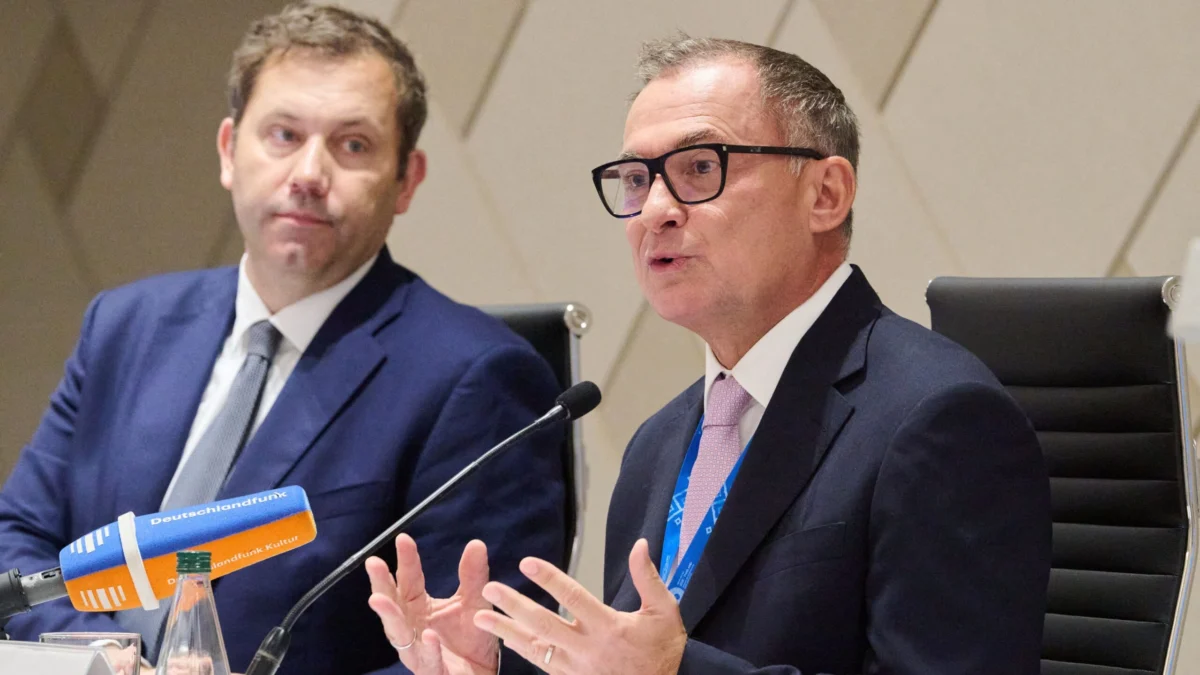
Bundesbank President Joachim Nagel has reportedly voiced his frustration regarding the perceived lack of backing from Berlin for his potential nomination to a leading position within the European Central Bank (ECB). This sentiment emerges as Germany faces a five-month vacancy in a crucial executive role at the Frankfurt-based institution, a situation amplified by the Bundesbank chief’s implied disappointment. The absence of a German representative on the ECB’s top governing body for this extended period underscores a significant shift in Germany’s influence within the eurozone’s monetary policy framework.
Germany’s Shifting Role in ECB Leadership
The departure of ECB Executive Board member Isabel Schnabel at the end of January 2027 creates a void that Germany will struggle to fill immediately. While the exact reasons for the Bundesbank’s apparent lack of robust advocacy for Nagel’s ascension remain undisclosed, the outcome suggests a strategic decision by the German government to forgo a direct bid for the ECB presidency. This marks a departure from previous ambitions and signals a potential recalibration of Germany’s approach to key European institutional appointments.
The Economist Intelligence Unit’s (EIU) recent economic outlook for the Eurozone anticipates a period of moderate growth, making the composition of the ECB’s decision-making body particularly significant. The EIU projects inflation to gradually decline towards the ECB’s 2% target by late 2027, a trajectory heavily influenced by monetary policy decisions. In this context, the absence of a strong German voice at the highest echelons of the ECB could have subtle but discernible impacts on policy debates and future economic strategies for the currency bloc.
Nagel’s Implicit Criticism and the Bundesbank’s Position
Sources close to discussions with investors suggest that Nagel, 60, has privately expressed his dissatisfaction with the limited support he has received from the German government for a potential move to the ECB’s executive board. This internal dissent, though not overtly publicized until recently, highlights a divergence of opinion between the Bundesbank’s leadership and the Chancellery regarding Germany’s representation at the highest level of European monetary policy.
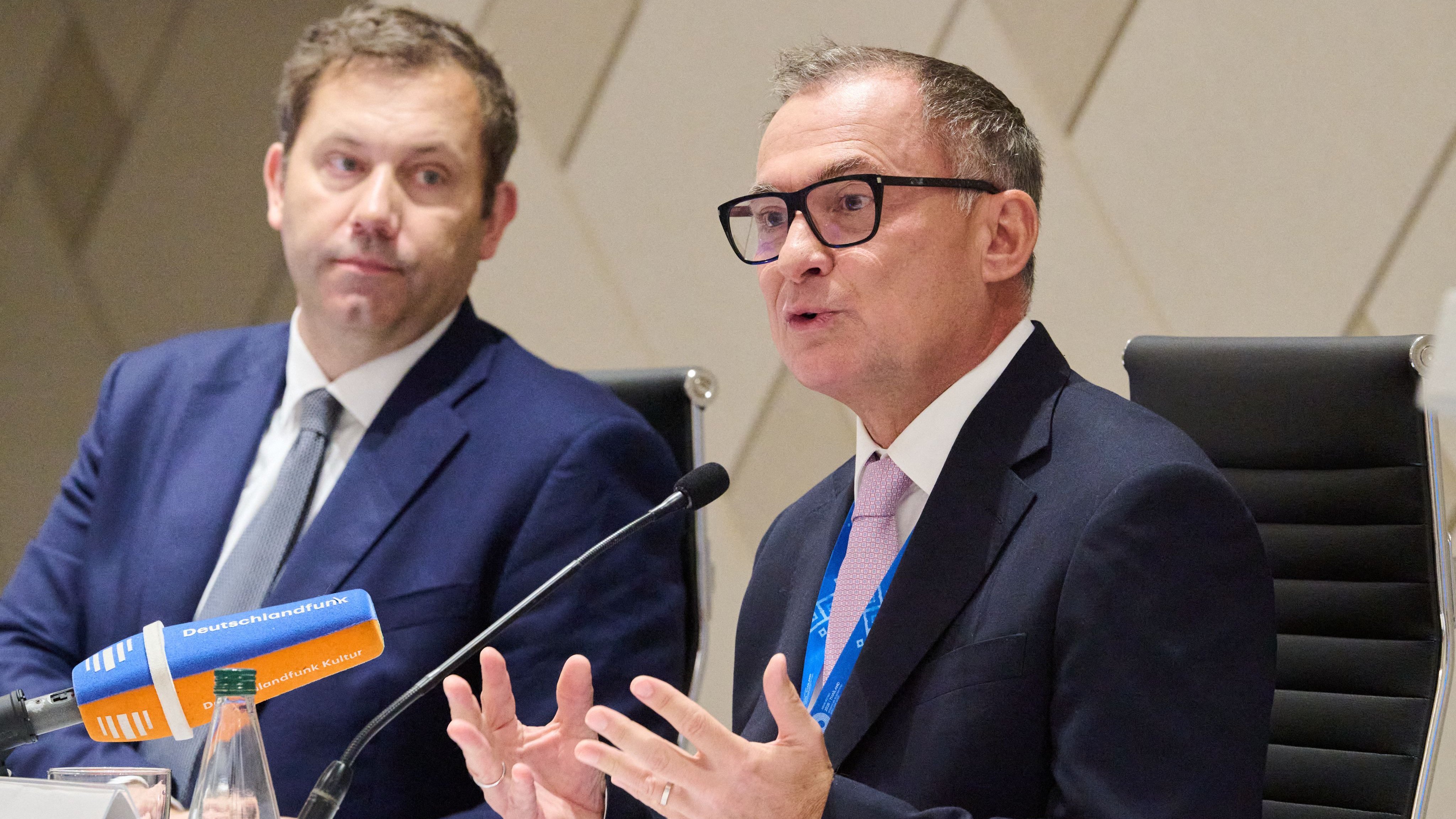
The Bundesbank, as Germany’s central bank, has historically played a pivotal role in shaping the ECB’s policies, often advocating for price stability and fiscal prudence. A leadership position for its president at the ECB would typically be seen as a natural progression, ensuring continuity in these core principles. The perceived lack of a concerted effort to secure such a position for Nagel is therefore a source of consternation within the institution.
Background: The Road to ECB Appointments
The process of appointing members to the ECB’s six-person Executive Board is a complex and politically charged affair. Nominees are typically put forward by national governments and then subject to scrutiny and approval by the European Parliament and the European Council. The presidency of the ECB, a separate role from an executive board member, is even more high-profile, with candidates often emerging from the ranks of national central bank governors or finance ministers.
Germany has a strong tradition of seeking influential positions within European institutions, reflecting its economic weight in the Eurozone. However, the landscape of European appointments is dynamic, influenced by a variety of factors including political alliances, regional representation, and the specific skill sets required for particular roles. In recent years, other member states have also sought to bolster their presence on the ECB’s board, intensifying the competition for these coveted positions.
Timeline of Key Developments
- Early January 2027: European Central Bank Executive Board member Isabel Schnabel is set to conclude her term. This departure creates an opening that Germany could have potentially filled.
- Late 2026/Early 2027: Reports emerge of Bundesbank President Joachim Nagel expressing private reservations about the level of governmental support for his ECB candidacy.
- Mid-January 2027: The German government’s decision to not pursue the ECB presidency for Nagel, or any other candidate, becomes apparent. This decision, coupled with the impending vacancy, solidifies Germany’s temporary absence from a key ECB role.
- Late January 2027: Nagel publicly alludes to his stance on the situation, confirming his awareness of the political dynamics surrounding ECB appointments.
Data and Economic Context
The Eurozone economy has been navigating a period of transition. Following a surge in inflation in 2022 and 2023, driven by energy price shocks and supply chain disruptions, the ECB has implemented a series of interest rate hikes. As of the most recent data available, headline inflation in the Eurozone stood at approximately 2.5% in December 2026, with core inflation, which excludes volatile energy and food prices, at around 3.0%. The ECB’s monetary policy decisions, guided by the Executive Board and the Governing Council, are crucial in steering inflation back towards the target.
The German economy, the largest in the Eurozone, has experienced a more subdued recovery. Recent GDP figures indicate growth rates of around 0.8% for 2026, reflecting ongoing challenges in certain industrial sectors and global economic headwinds. The Bundesbank, under Nagel’s leadership, has consistently emphasized the importance of fiscal discipline and structural reforms to enhance long-term economic resilience.

Broader Implications and Analysis
Germany’s absence from the ECB’s Executive Board, even if temporary, carries several potential implications:
- Reduced Influence on Monetary Policy: While national central bank governors retain a vote on the Governing Council, direct participation in the day-to-day deliberations and decision-making processes of the Executive Board is a significant channel for exerting influence. Germany’s lack of representation could mean its specific economic perspectives might be less directly articulated in the formative stages of policy proposals.
- Shifting Power Dynamics: The Eurozone’s institutional landscape is constantly evolving. The current situation might create opportunities for other member states to strengthen their positions and influence within the ECB, potentially leading to a more diverse range of policy perspectives.
- Signal to Financial Markets: The perceived lack of a strong German push for a key ECB role could be interpreted by financial markets as a signal of Germany’s evolving priorities or a strategic realignment in its European policy. While the ECB’s independence is paramount, the political context surrounding its appointments is always a factor investors monitor.
- Internal Bundesbank Morale: The reported discontent within the Bundesbank could affect morale and internal cohesion. The institution’s role as a guardian of price stability is deeply ingrained in its identity, and a perceived diminished influence at the European level may be viewed with concern by its staff.
Official Responses and Inferred Reactions
While official statements from the German government and the Bundesbank have been measured, the underlying sentiment suggests a complex political calculation. The Chancellery may have prioritized other domestic or international policy objectives over securing a specific appointment at the ECB, or perhaps deemed the chances of success for Nagel’s candidacy to be too low given the broader European political landscape.
The choice of a successor for Schnabel, an economist from Germany, by another member state would further underscore Germany’s temporary retreat from a leadership role. The appointment of Lars Brunnermeier, an economist from Denmark, to the ECB Executive Board, following Schnabel’s early departure, solidifies Germany’s absence from this critical body for the stipulated five months. This development confirms that Germany, after past unsuccessful attempts to secure the ECB presidency, has opted not to put forward a candidate for that top role this time around.
The Bundesbank, while outwardly maintaining its commitment to its mandate, is likely to be analyzing the strategic implications of this development. The institution’s focus will remain on contributing to sound monetary policy and financial stability within the Eurozone, regardless of its direct representation on the Executive Board. However, the internal discussions may revolve around how to best maintain its influence and voice its perspectives in the evolving European economic governance framework. The implications of this strategic positioning will likely unfold in the coming months and years as Germany navigates its role in the broader European project.