Farhan Pambudi
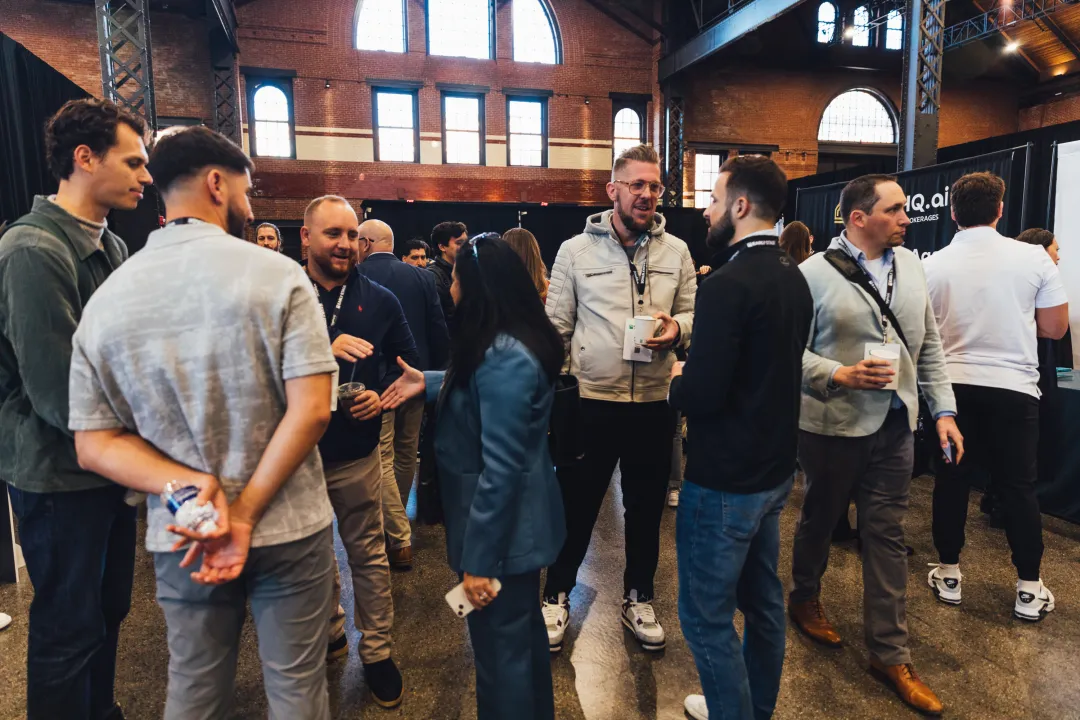
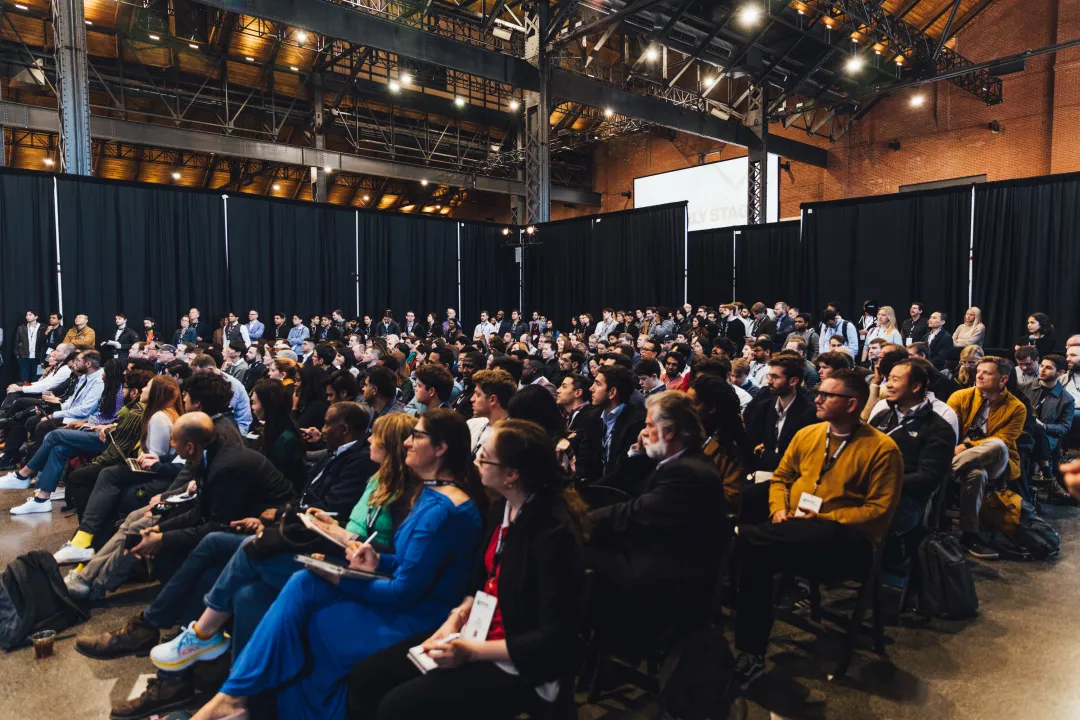
The TechCrunch Founder Summit 2026 is scheduled to convene on November 4 at the historic SoWa Power Station in Boston, marking a pivotal moment for entrepreneurs and venture capitalists to align on the evolving demands of the global technology market. This one-day intensive summit is designed to transcend the traditional conference model by offering a multi-modal learning environment that combines high-level strategic keynotes with granular, peer-led roundtables and live tactical demonstrations. As the venture capital landscape continues to shift toward a preference for capital efficiency and sustainable growth, the summit serves as a critical clearinghouse for the "playbooks" that will define the next generation of market leaders.
Strategic Objectives and the Boston Tech Context
The selection of Boston as the host city for the 2026 summit reflects the region’s burgeoning status as a primary hub for enterprise software, biotechnology, and robotics. Unlike the consumer-centric focus often found in Silicon Valley, the Boston ecosystem is characterized by deep-tech innovation and a robust connection to academic research institutions. By gathering at the SoWa Power Station—a venue that symbolizes the intersection of industrial heritage and modern innovation—attendees are positioned within a geographic center that prioritizes long-term value over short-term hype.
The summit’s primary objective is to address the "Series A Gap" and the "Scaling Crunch" that many founders face after their initial seed success. Data from recent venture reports suggests that while early-stage funding remains accessible for high-quality founders, the transition to institutional scaling requires a fundamentally different set of operational skills. The Founder Summit aims to bridge this knowledge gap through its bifurcated stage system: the Build Stage and the Impact Stage.

Chronology of the Summit: A Phased Approach to Growth
The event is structured to follow the logical progression of a startup’s lifecycle, moving from foundational mechanics in the morning to enterprise-level strategy in the afternoon.
Morning Sessions: The Mechanics of the Build Stage
The day begins with a focus on the "Build Stage," where the curriculum centers on the immediate decisions required to transform a product into a viable business. Hunter Worland of NEA is slated to open the discourse by addressing the critical shift from technology-led to distribution-led competitive advantages. In an era where AI has lowered the barrier to entry for software development, Worland argues that "distribution is the new moat."
Following this, Kristen Craft of Fidelity Private Shares will provide a data-driven overview of the 2026 fundraising climate. Her analysis is expected to highlight the shifting benchmarks for revenue multiples and the increasing importance of "clean" term sheets in a high-interest-rate environment. The morning concludes with Dave Balter of True Ventures, who will challenge founders to refine their narrative through the lens of investor psychology, focusing on whether a pitch earns the "next conversation" rather than just the initial check.
Mid-Day Integration: Tactical Roundtables and Peer Learning
Recognizing that the most profound insights often occur in smaller, specialized groups, the summit introduces a series of mid-day roundtables. These sessions are designed for active participation rather than passive observation. Key topics include:

- Vertical Entry Challenges: Chirag Shah of Define Ventures will lead a discussion on penetrating highly regulated or "difficult" industries such as healthcare and fintech.
- AI Reliability in the Enterprise: Shishir Tewari of Procore Technologies will move the AI conversation beyond theoretical potential to the practical application of reducing "hallucinations" through better enterprise context and data grounding.
- Global Customer Acquisition: Merve Kitapci of ADIN.AI will share strategies for landing major global accounts prior to a Series A round, a feat that has become a prerequisite for many top-tier investors.
Afternoon Sessions: Scaling and the Impact Stage
As the day progresses, the focus shifts to the "Impact Stage," where the conversation turns toward long-term sustainability. Steve Fredette, co-founder of Toast, will provide a case study on scaling one of Boston’s most significant tech success stories. His perspective is particularly valuable for founders navigating the transition from a "scrappy" startup to a publicly traded or enterprise-scale organization.
Rudina Seseri of Glasswing Ventures and Kent Bennett of Bessemer Venture Partners will tackle the nuances of product-market fit (PMF). Bennett’s session will specifically help founders differentiate between "false signals" of growth and true PMF, a distinction that can prevent the premature scaling that leads to high burn rates and eventual failure.
Live Pitching and Real-Time Investor Feedback
A centerpiece of the afternoon is the interactive session titled "So You Think You Can Pitch?" This live forum features founders presenting their business models to a panel of seasoned investors, including Simran Suri of Maveron and Chirag Shah. Unlike traditional pitch competitions, the focus here is on the "why" behind investor reactions. Attendees will witness firsthand where a story loses momentum and which specific metrics trigger investor confidence.
Market analysts suggest that this transparency is vital in 2026, as the "standard" pitch deck has evolved to include more rigorous data on unit economics and customer lifetime value (LTV). Observing these critiques in a live setting allows non-participating founders to calibrate their own presentations to meet the current institutional standard.

Intentional Networking via the Braindate Platform
To combat the "serendipity deficit" often found in large-scale events, the TechCrunch Founder Summit utilizes the Braindate networking platform. This system allows attendees to schedule specific, topic-based discussions with their peers. By moving away from "random" business card exchanges, the summit ensures that a founder struggling with a specific issue—such as international hiring or SOC2 compliance—can find and meet others who have already solved those problems.
The day concludes with a formal reception presented by Fidelity Private Shares. This final segment provides the social glue necessary to solidify the professional connections made during the intense daytime sessions. Historically, such receptions have been the birthplace of co-founder partnerships and significant investment leads.
Broader Economic Implications and the "Boston Playbook"
The summit also seeks to define the "Boston Founder Playbook," a concept championed by Chase Garbarino of HqO. This framework suggests that building an ambitious company outside the traditional Silicon Valley bubble requires a unique approach to talent retention and capital management. In 2026, as remote work and decentralized hubs become the norm, the "Boston Playbook" offers a template for founders worldwide who are building high-growth companies in emerging tech corridors.
Furthermore, the emphasis on AI’s impact on team size—led by Linden Tibbets of IFTTT—highlights a significant shift in the 2026 labor market. Founders are increasingly being asked to do more with less, utilizing AI agents to augment productivity. The summit’s exploration of "lean scaling" provides a roadmap for maintaining agility even as a company’s valuation grows.

Registration and Participation Details
The TechCrunch Founder Summit 2026 is an exclusive event with limited capacity to ensure the quality of the roundtable and networking experiences. Currently, registration offers significant incentives for early adopters and founding teams:
- Individual Passes: Founders can save up to $100 on standard registration fees.
- BOGO Offer: In a move to encourage co-founder alignment, purchasing one pass grants a second pass for free.
- Group Bundles: For larger leadership teams or investment firms bringing portfolio companies, discounts of up to 30% are available.
Passes include full access to the Build and Impact stages, participation in roundtables (subject to availability), access to the Braindate Networking Lounge, and the Expo Hall. Additionally, all attendees will receive post-event access to session materials and recordings, ensuring that the insights gained can be shared with their broader teams.
Conclusion: A Catalyst for the Next Innovation Cycle
As the tech industry moves deeper into the second half of the decade, the TechCrunch Founder Summit 2026 stands as a critical checkpoint. It is not merely an event for observation, but a tactical bootcamp designed to equip founders with the resilience and knowledge required to navigate a complex global economy. By focusing on the dual pillars of practical "build" mechanics and long-term "impact" strategies, the summit reinforces the idea that great companies are not just born of great ideas, but of disciplined execution and robust community support. Founders and investors alike are encouraged to join this high-stakes gathering in Boston to shape the future of the innovation economy.