Farhan Pambudi
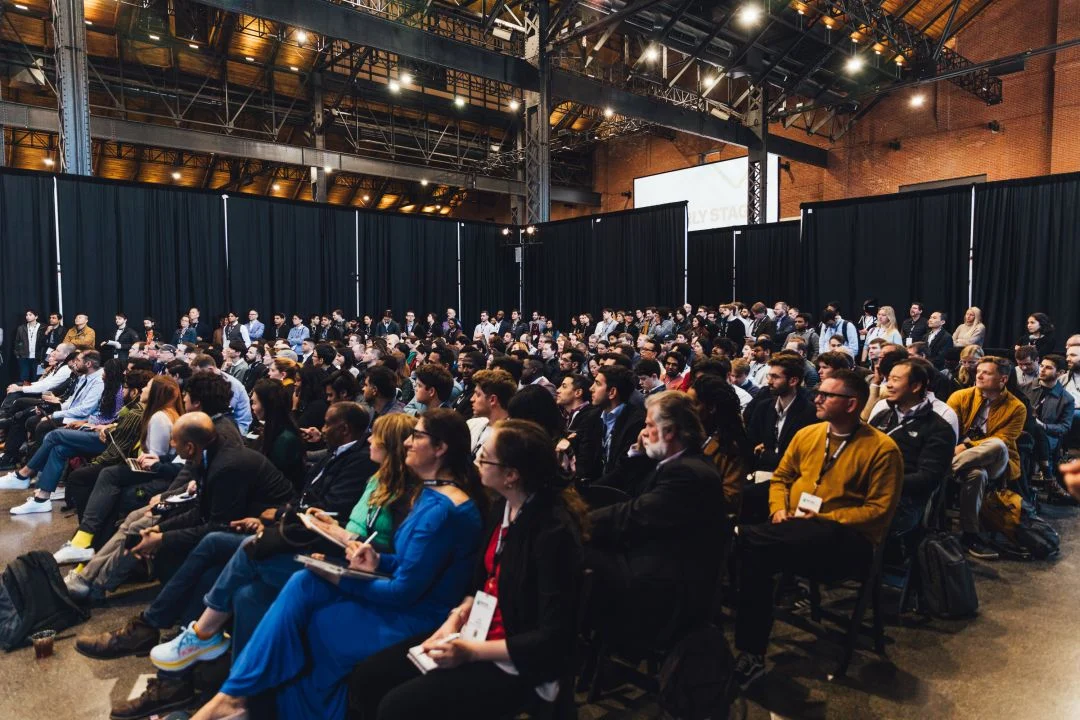
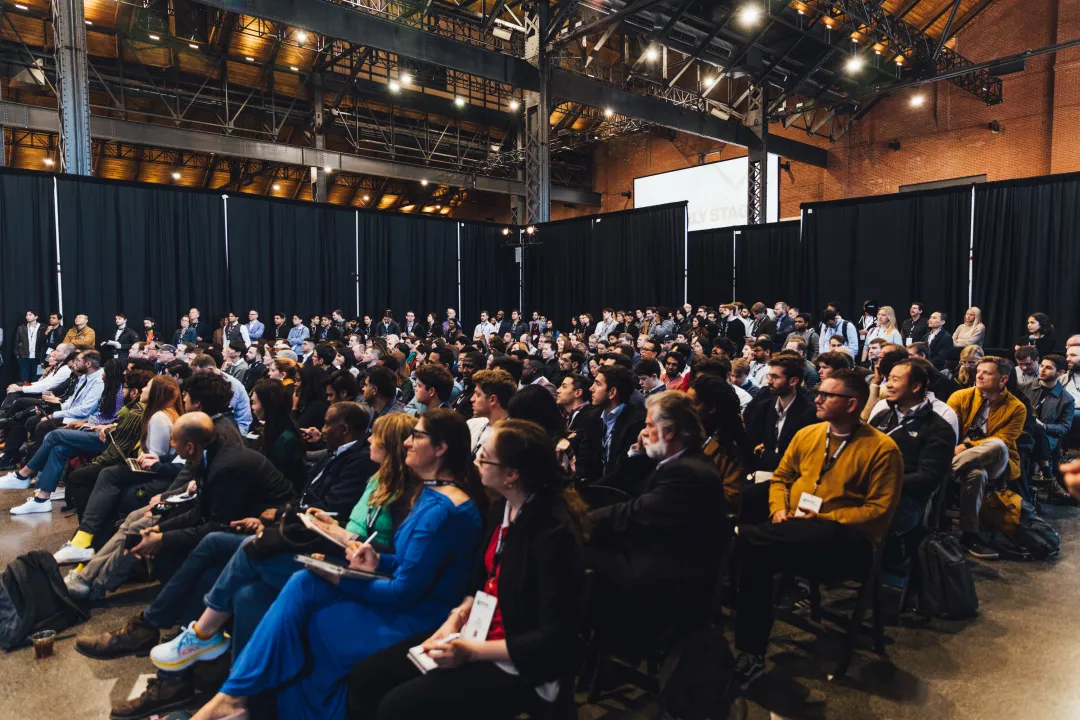
The TechCrunch Founder Summit 2026, presented in partnership with Fidelity Private Shares, is scheduled to convene on November 4 at the historic SoWa Power Station in Boston, marking a pivotal moment for the regional and international startup ecosystems. This high-level gathering is designed to bridge the gap between early-stage innovation and institutional scaling, bringing together an elite cohort of founders, venture capitalists, and operational experts. As the countdown to the event enters its final forty-eight hours, the summit stands as a critical forum for discussing the evolving dynamics of company building in a post-geographic tech landscape. With the final window for discounted registration closing, the event highlights Boston’s enduring status as a premier hub for deep tech, fintech, and enterprise software.
The summit arrives at a time when the "Silicon Valley or bust" mentality has significantly shifted. While the West Coast remains a formidable force in venture capital, the 2026 summit focuses on the "Boston and Beyond" narrative—a testament to the city’s ability to foster unicorns that maintain their roots in the Northeast while achieving global dominance. The venue itself, the SoWa Power Station, serves as a symbolic backdrop; once a massive power producer for the city’s transit system, it now serves as a literal and figurative powerhouse for the exchange of intellectual capital.
Strategic Scaling and the Boston Playbook
Central to the summit’s agenda are the practicalities of scaling a business in an environment where capital efficiency and sustainable growth have overtaken the "growth at all costs" models of previous decades. Two primary case studies will anchor the day’s discussions, featuring leaders from companies that have successfully navigated the transition from local startups to international incumbents.

Steve Fredette, the President, Co-founder, and Director of Toast, is set to provide a comprehensive post-mortem and roadmap of his company’s journey. Toast’s trajectory is frequently cited by market analysts as the gold standard for Boston-based scaling. Founded in 2011, the restaurant-technology platform successfully navigated the complexities of hardware-software integration, a notoriously difficult sector. Fredette’s session is expected to delve into the nuances of achieving product-market fit within a legacy industry and the strategic decisions involved in scaling a workforce while maintaining a distinct corporate culture. For many attendees, the Toast story serves as definitive proof that the Boston ecosystem provides all the necessary ingredients—talent, capital, and mentorship—to build a multi-billion-dollar enterprise without relocating to the Pacific Time Zone.
Complementing this is the perspective of Chase Garbarino, CEO and Co-founder of HqO. Garbarino’s narrative focuses on the "Boston Founder Playbook," specifically addressing the strategic advantages of building in a city known for its proximity to world-class academic institutions like MIT and Harvard. HqO, a leader in the real estate experience (PropTech) category, has raised significant venture capital and expanded into international markets, including major European hubs, all while remaining headquartered in Boston. Garbarino is expected to challenge the traditional startup playbook, offering a critical analysis of how geography influences fundraising, talent acquisition, and long-term viability.
The Economic Context: Boston’s Venture Landscape in 2026
To understand the significance of the Founder Summit, one must look at the data driving the Massachusetts innovation economy. Historically, Boston has consistently ranked among the top three venture capital markets in the United States, often competing with New York for the second-place spot behind the San Francisco Bay Area. According to recent venture activity reports, the Greater Boston area continues to see robust investment in "hard tech" sectors, including biotechnology, robotics, and climate tech—industries that require the specialized labor pool found in the city’s university corridors.
In 2025 and leading into 2026, venture capital deployment in the region has remained resilient despite global macroeconomic fluctuations. Analysts point to a "flight to quality," where investors are increasingly gravitating toward founders who demonstrate a clear path to profitability and a deep understanding of their vertical markets. The TechCrunch Founder Summit is positioned as the primary filter for this quality, providing a venue where high-conviction founders can engage directly with the limited partners and venture firms that manage the region’s dry powder.

Networking Mechanics: Beyond the Stage
The 2026 summit departs from the traditional lecture-heavy conference format by prioritizing interactive, peer-to-peer engagement. A cornerstone of this approach is the "Braindate" networking system. This platform allows attendees to bypass the awkwardness of traditional "mixer" environments by scheduling targeted, topic-specific conversations. Whether a founder is looking for advice on Series B term sheets or an operator is seeking strategies for international compliance, the Braindate system facilitates high-signal connections based on shared challenges rather than superficial networking.
Furthermore, the summit features specialized roundtable sessions. These are facilitated by scaling experts and are designed to be interactive, allowing for a two-way flow of information between the moderator and the participants. These sessions often tackle the "unspoken" aspects of founder life, such as board management, mental health in the C-suite, and the complexities of secondary share sales. By fostering a "closed-door" atmosphere, these roundtables encourage a level of transparency rarely seen in public-facing tech events.
Chronology of the Summit and Key Deadlines
The lead-up to the November 4 event has followed a rigorous timeline of community engagement and curation.
- Early 2026: TechCrunch and Fidelity Private Shares initiated a call for speakers, focusing on founders who had navigated the 2024-2025 market corrections.
- Summer 2026: The agenda was finalized to include a heavy emphasis on AI integration and the "New Office" economy, reflecting current market trends.
- September 2026: Side event partnerships were announced, expanding the summit’s footprint across the Seaport and Kendall Square districts.
- November 2 (Today): The final 48-hour countdown begins. This is the last opportunity for participants to secure passes at current rates before the "at-door" pricing takes effect.
- November 4: Doors open at SoWa Power Station. The day begins with keynote addresses, followed by a midday transition to breakout roundtables and Braindate sessions.
The urgency regarding ticket sales is not merely a marketing tactic but a reflection of the event’s capacity constraints. The SoWa Power Station, while expansive, has a strict occupancy limit to ensure the quality of the interactive sessions. Organizers have noted that group discounts and early-bird tiers are set to expire tonight, marking the final phase of the registration cycle.

Official Perspectives and Broader Implications
While official statements from Fidelity Private Shares emphasize the importance of "equipping founders with the tools for long-term equity management," the broader implication of the summit is the strengthening of the regional "moat." By centralizing these conversations in Boston, TechCrunch is reinforcing the idea that the city is not just a place where research happens, but where commercialization and global scaling are mastered.
Industry analysts suggest that summits like these are vital for "ecosystem density." In tech hubs, density refers to the frequency of high-value interactions between different stakeholders. When a founder from a seed-stage startup can sit at a roundtable with a co-founder of a multi-billion-dollar company like Toast, the "knowledge transfer" accelerates the entire region’s growth. This collaborative spirit is a hallmark of the Boston tech scene, which often prides itself on a more academic and collegial atmosphere compared to the hyper-competitive nature of Silicon Valley.
Conclusion: The Path Forward for Attendees
As the tech industry looks toward 2027, the insights garnered at the TechCrunch Founder Summit 2026 will likely serve as a blueprint for many participating startups. The transition from a "founder" to a "CEO" of a scaling enterprise is a fraught process, and the summit is explicitly designed to provide the mentorship and peer support necessary for that evolution.
For the founders building in Boston and those traveling from across the globe to attend, the event represents more than just a series of talks. it is an opportunity to tap into a concentrated reservoir of operational wisdom and venture interest. With the SoWa Power Station prepared to host the next generation of industry leaders on November 4, the message is clear: the future of global technology is being built, scaled, and sustained in the heart of Boston. Participants are encouraged to finalize their registrations immediately to ensure their place in these critical conversations and to take advantage of the final hours of discounted access.