Gilang Muhammad
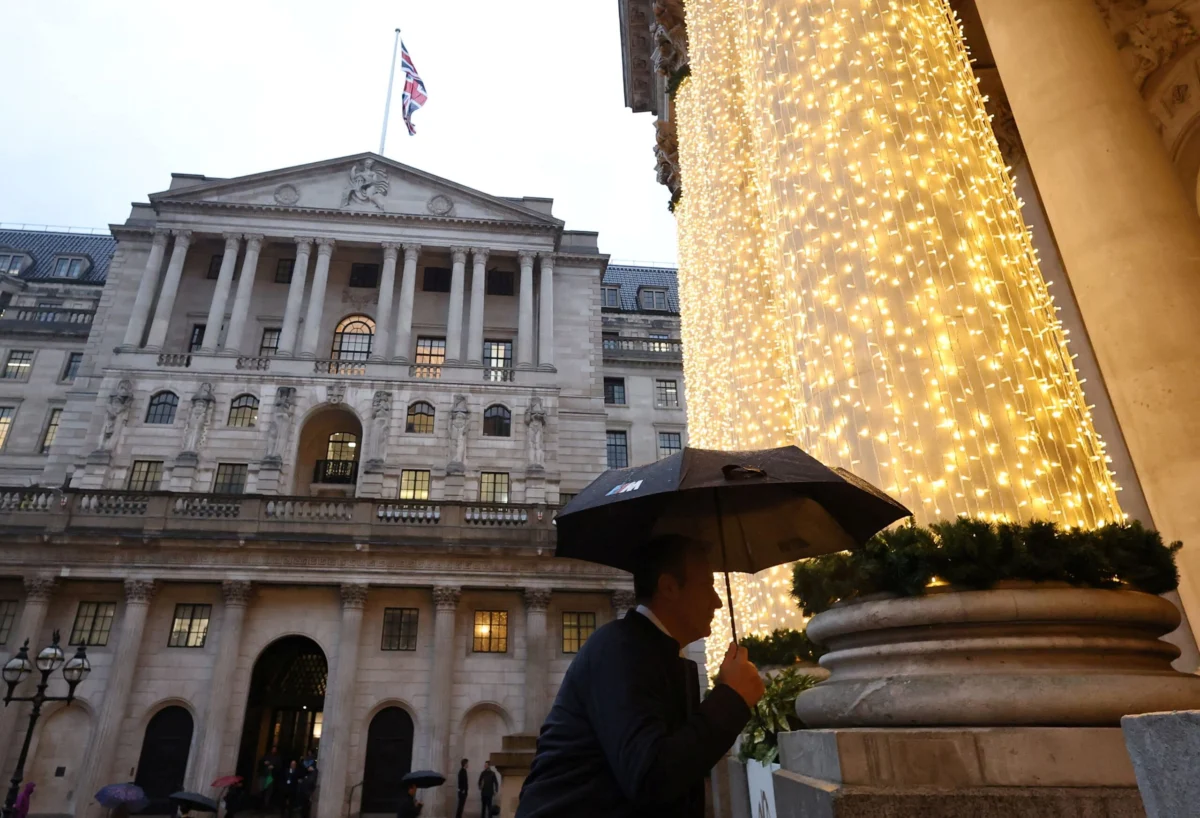
The Bank of England on Thursday announced its first interest rate hike in over three years, raising its benchmark rate by 25 basis points to 4%. This widely anticipated move marks a significant shift in the UK’s monetary policy landscape, coming as the nation grapples with persistent inflationary pressures exacerbated by geopolitical tensions in the Middle East. The decision places the UK central bank as the last major global monetary authority to embark on a tightening cycle since the onset of the conflict involving the U.S., Israel, and Iran approximately eight months prior.
The Monetary Policy Committee (MPC) voted overwhelmingly, 8-1, in favor of the quarter-point increase. The lone dissenting member advocated for a more aggressive tightening, proposing a 50-basis point hike that would have pushed the key interest rate to 4.25%. This internal divergence underscores the complexities and differing perspectives within the committee regarding the appropriate pace and scale of monetary intervention in the current economic climate.
In a statement accompanying the decision, the MPC explicitly cited the protracted conflict in the Middle East, now in its ninth month, as a critical factor. "Global energy prices have continued to rise from an already elevated level," the committee noted, highlighting the direct impact on the UK economy. Policymakers revised their inflation forecasts, now anticipating that UK inflation will climb to "about 5%" by the middle of 2027. However, they projected a subsequent decline, attributing it to the fading impact of rising energy prices on 12-month inflation rates and the anticipated efficacy of the now-restrictive monetary policy in curbing price pressures.
Ahead of the announcement, financial markets had largely priced in the rate hike, with LSEG data indicating a more than 99% probability. Traders were also signaling a one-in-four chance of a further rate increase before the end of the year, specifically in December, reflecting heightened expectations for continued monetary tightening.
The Genesis of a Rate Hike: A Chronology of Economic Challenges
The Bank of England’s decision did not materialize in a vacuum but is the culmination of a series of economic developments and geopolitical shifts that have profoundly reshaped the global and domestic financial outlook. For over three years, the UK economy benefited from historically low interest rates, a policy stance largely maintained to support recovery from the economic shock of the COVID-19 pandemic and the uncertainties surrounding Brexit. The last rate adjustment occurred in August 2023, preceding the current tightening cycle.
However, the global economic landscape began to shift dramatically in late 2026 and early 2027. Supply chain disruptions, robust post-pandemic demand, and the lingering effects of fiscal stimulus measures in major economies contributed to a gradual build-up of inflationary pressures worldwide. Initially, central banks, including the Bank of England, characterized these pressures as "transitory," expecting them to dissipate as supply normalized.

The narrative fundamentally changed with the escalation of the conflict in the Middle East. What began as regional tensions intensified significantly approximately eight months ago, involving key oil-producing nations and transit routes. This geopolitical tremor sent immediate shockwaves through global energy markets, driving up crude oil and natural gas prices to multi-year highs. For the UK, a net energy importer, this translated directly into higher costs for businesses and consumers, fueling domestic inflation.
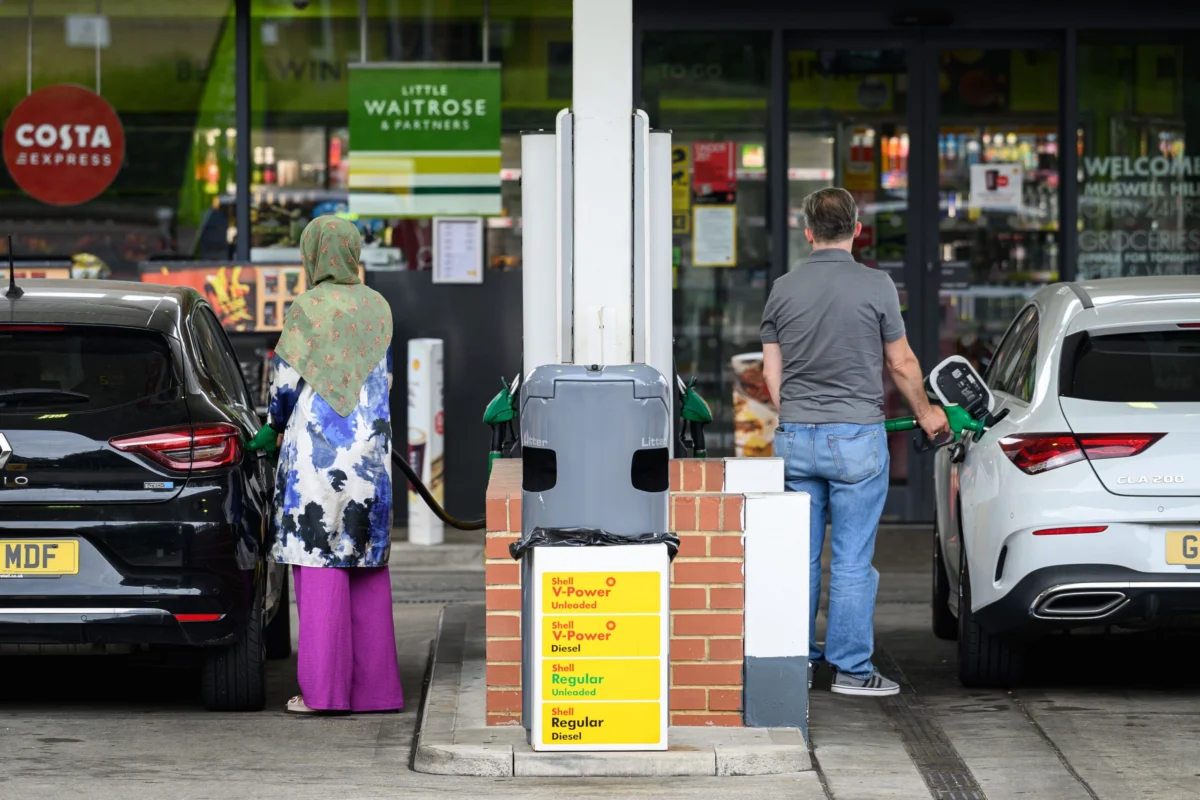
Data released earlier this month underscored the severity of the situation, showing that the UK’s annual inflation rate had jumped to 3.5% in September. This increase was primarily driven by the surging cost of motor fuels, a direct consequence of the elevated global oil prices. The vulnerability of the UK economy to external energy shocks, such as those precipitated by the ongoing conflict, became starkly apparent. This recent surge in inflation, coupled with the persistent geopolitical risks, solidified the MPC’s conviction that decisive action was required. The 25-basis point hike marks a definitive end to an era of exceptionally loose monetary policy, signaling the Bank’s commitment to prioritizing price stability, even at the risk of potentially dampening economic growth.
The Iran War Intensifies Inflationary Pressure
Bank of England Governor Andrew Bailey had previously telegraphed the Bank’s concerns regarding the geopolitical situation. In the November Monetary Policy Report, Bailey warned that without "real progress towards settling the conflict in the Middle East… risks to energy prices, and so to inflation, are to the upside." He further elaborated on the potential for more aggressive action, stating, "Without news which softens the risks to inflationary pressures, I can see the argument for a further increase in rates and thereafter taking a more conditional approach, dependent on the evidence on energy prices and inflation dynamics." This statement foreshadowed the Bank’s current hawkish stance and its willingness to continue raising rates if inflationary pressures persist.
The UK’s unique position as a net energy importer renders its economy particularly susceptible to global energy price fluctuations. Unlike energy-rich nations that might benefit from higher commodity prices, the UK faces increased import costs, which feed directly into domestic consumer prices for fuel, heating, and goods manufactured using energy-intensive processes. The protracted "Iran war," as referenced by the MPC, has disrupted supply chains, raised insurance costs for shipping, and introduced significant uncertainty into the global oil and gas markets, contributing to sustained price volatility.
Catherine L. Mann, the MPC’s most hawkish member, provided a detailed rationale for her dissenting vote in favor of a 50-basis point hike. Her argument centered on what she termed "non-linear inflation risks," suggesting that the conventional models might underestimate the speed and intensity with which inflation can accelerate in certain economic conditions. Mann emphasized the concept of "second-round effects," where initial price shocks lead to widespread wage demands and price increases across various sectors, creating a self-perpetuating inflationary spiral.
"My recent votes to increase Bank Rate by 25 basis points represented a ‘down payment’ to lean against second-round effects, reinforce credibility, and uphold ‘good policy’," Mann stated in the MPC’s policy statement. She argued that the economy had crossed a critical "statistical threshold into a high inflation-tight labour market regime where the asymmetric behavioural responses of households and firms support more robust second-round effects." Furthermore, Mann suggested that "a different research approach estimates that the economy may well have breached the policy credibility threshold, which worsens the policy trade-off." From her perspective, "From a risk management and credibility perspective, a 50-basis point hike in Bank Rate is ‘good policy’," implying that a more decisive move was necessary to anchor inflation expectations and prevent a more severe, prolonged inflationary period.
Supporting Data and Economic Indicators
The Bank of England’s decision is supported by a range of economic indicators that collectively paint a picture of an economy under significant inflationary strain.

- Consumer Price Index (CPI): The September CPI reading of 3.5% marked a notable acceleration from previous months, moving further away from the Bank’s 2% target. Analysts had expected a more modest increase, highlighting the unexpected stickiness of inflation. Core CPI, which strips out volatile energy and food prices, also showed upward pressure, suggesting broader price increases beyond just energy.
- Producer Price Index (PPI): Input prices for producers have surged by an estimated 12% year-on-year, reflecting the higher costs of raw materials and energy for businesses. Output prices, what producers charge, have also risen by approximately 8%, indicating that these costs are being passed on to consumers.
- Wage Growth: Average weekly earnings have shown robust growth, estimated at 5.5% year-on-year, particularly in the private sector. While beneficial for workers, this strong wage growth contributes to concerns about a wage-price spiral, especially in a tight labor market where unemployment hovers around 3.8%.
- Energy Prices: The benchmark Brent crude oil price has seen an increase of over 30% since the start of the Middle East conflict, crossing the $110 per barrel mark at its peak before settling slightly lower. UK natural gas futures have similarly spiked, increasing by more than 40% in recent months, impacting household energy bills and industrial costs.
- Inflation Expectations: Surveys of businesses and consumers indicate a rise in medium-term inflation expectations, which the Bank views as particularly concerning. If individuals and firms expect higher inflation, they are more likely to demand higher wages and raise prices, respectively, making the Bank’s job harder.
- UK Economic Growth: Despite the inflationary pressures, the UK economy has shown resilience, with GDP growth estimated at 0.3% in the last quarter, slightly above expectations. This relatively robust growth provides the Bank with some leeway to tighten monetary policy without immediately tipping the economy into recession, though the risk remains.
Official Responses and Market Reactions
The financial markets reacted swiftly to the Bank of England’s announcement, reflecting the impact of the rate hike on various asset classes.
- Gilt Yields: Yields on UK government bonds, known as gilts, had been on an upward trend prior to the policy announcement and continued to edge higher. The yield on the benchmark 10-year gilt was last seen 2 basis points higher at 5.1546%, while the 2-year gilt yield, more sensitive to immediate interest rate expectations, rose by 4 basis points to trade at 4.782%. Rising gilt yields indicate increased borrowing costs for the UK government and can influence mortgage rates and corporate debt.
- British Pound: The British pound, which had recently hit a post-Brexit high against major currencies, remained largely flat against both the U.S. dollar and the euro on Thursday afternoon. This muted reaction suggests that the rate hike was largely priced in by currency traders, and that other factors, such as broader global economic sentiment and the relative strength of other currencies, were also at play.
- Equity Markets: The FTSE 100, London’s primary stock index, experienced some volatility following the announcement, with interest-rate sensitive sectors like housing and retail showing minor declines, while banking stocks, which typically benefit from higher rates, saw modest gains.
Beyond the immediate market movements, analysts offered diverse perspectives on the implications of the Bank’s decision. Scott Gardner, Investment Strategist at JPMorgan Personal Investing, described the November hike as "hugely symbolic." He highlighted the dramatic shift in policy outlook, stating, "This is a a 180-degree turn from the start of the year when many believed interest rates would come down as UK inflation had been mostly tamed."
Gardner also emphasized the ongoing uncertainty. "The path ahead remains uncertain with much depending not only on how oil trades but also on natural gas prices which have risen sharply over the past few months." He echoed the Bank’s concerns about second-round effects, noting, "Worryingly, there are tentative signs of second round inflation effects in the UK economy as we have seen an acceleration in goods and services inflation." He concluded by underscoring the delicate balance the Bank must strike: "The Bank will be wary of this but also conscious of being too aggressive with rate hikes which could stunt the positive UK economic growth we’ve seen of late."
Broader Impact and Implications
The Bank of England’s decision carries significant implications for various segments of the UK economy and society.
- Households and Mortgage Holders: The rate hike will inevitably translate into higher borrowing costs for millions of households. Those on variable-rate mortgages or those whose fixed-rate deals are expiring will face increased monthly payments, further squeezing household budgets already strained by the cost-of-living crisis. This could lead to a slowdown in the housing market as affordability deteriorates.
- Businesses and Investment: Higher interest rates increase the cost of capital for businesses, potentially dampening investment and expansion plans. Small and medium-sized enterprises (SMEs) are particularly vulnerable to increased borrowing costs, which could impede job creation and economic growth. Larger corporations may also face challenges in financing new projects or refinancing existing debt.
- Government Borrowing: The UK government’s debt servicing costs will rise as interest rates increase, putting additional pressure on public finances. With a substantial national debt, even a small increase in rates can add billions to the annual budget, potentially requiring difficult choices regarding public spending or taxation.
- Economic Growth vs. Inflation Control: The Bank faces a precarious balancing act. While rate hikes are essential to curb inflation, overly aggressive tightening could stifle economic growth, potentially pushing the UK into a recession. The MPC’s projections for inflation to fall by mid-2027 depend on the delicate interplay of fading energy price impacts and the restrictive monetary policy successfully bearing down on demand without causing a severe economic contraction.
- International Standing: The BoE’s belated entry into the global tightening cycle, following the Federal Reserve and the European Central Bank, highlights the unique challenges faced by the UK economy. Its reliance on energy imports and specific labor market dynamics have shaped its policy response. The continued stability of the pound and the attractiveness of UK assets will depend on the market’s confidence in the Bank’s ability to navigate these turbulent waters.
- Long-Term Credibility: The Bank’s credibility hinges on its ability to bring inflation back to its 2% target. Failure to do so could de-anchor inflation expectations, making future policy interventions less effective and potentially leading to a more persistent high-inflation environment. The current policy actions are a testament to the Bank’s commitment to upholding its mandate for price stability.
In conclusion, the Bank of England’s decision to raise interest rates to 4% marks a pivotal moment for the UK economy. Driven by a confluence of persistent domestic inflation and escalating geopolitical risks in the Middle East, this move signals a firm commitment to battling price pressures. While essential for long-term economic stability, the path ahead remains fraught with challenges, as policymakers must carefully calibrate further actions to avoid stifling fragile economic growth while ensuring inflation is brought under control. The eyes of the financial world will remain firmly fixed on London, awaiting the next chapter in this unfolding economic narrative.