Lina Wu
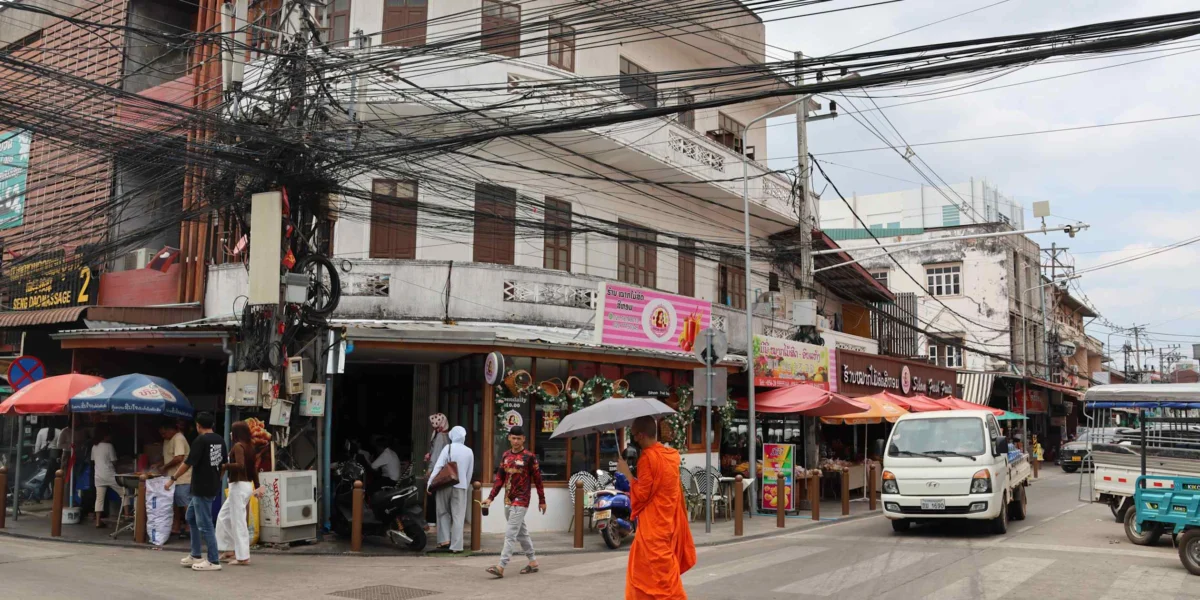
The suggestion of a two-day sojourn in Vientiane, the capital of Laos, might initially conjure images of a rushed, superficial glimpse into a nation often perceived as a well-kept secret. However, this compact duration, when strategically planned, offers a surprisingly rich and immersive experience, allowing visitors to absorb the city’s unique blend of spiritual tranquility, revolutionary echoes, and a laid-back riverside rhythm. Vientiane, unlike many Southeast Asian capitals, eschews the frenetic pace of urban development for a more measured existence, a characteristic that becomes increasingly apparent and appreciated within the span of a weekend. The city’s geographical position on the Mekong River, a vital artery for the region, imbues it with a distinct character, fostering a connection to nature and a slower tempo of life.
The Allure of the Golden Stupa and Spiritual Sanctuaries
Central to any Vientiane itinerary is the iconic Pha That Luang, a magnificent golden stupa that stands as a symbol of Laos’s Buddhist faith and national sovereignty. Constructed in the 16th century, though its origins are believed to date back to the 3rd century AD with a smaller stupa built by Indian missionaries, Pha That Luang has undergone numerous reconstructions and renovations. The current structure, largely a 1930s and later restoration, gleams with gold leaf, reflecting the sunlight and exuding an aura of profound peace. The stupa’s tiered design, representing the seven stages of Buddhist enlightenment, is an architectural marvel, surrounded by smaller temples and monastic buildings that offer quiet corners for contemplation.
Beyond Pha That Luang, Vientiane is dotted with numerous other Buddhist temples, each possessing its own unique history and aesthetic. Wat Sisaket, the oldest surviving temple in Vientiane, dating back to 1818, is particularly noteworthy. Its cloistered walkways are lined with thousands of Buddha images, some dating back centuries, creating a captivating mosaic of religious devotion. The temple’s distinctive five-tiered roof, a style reminiscent of Siamese architecture, further distinguishes it. Another significant site is Wat Xieng Khuan, often referred to as the Buddha Park, located on the outskirts of the city. This unconventional park, created in 1958 by a Buddhist-Hindu shaman, features an eclectic collection of stone sculptures depicting Buddhist and Hindu deities, mythical creatures, and scenes from everyday life, offering a surreal and thought-provoking artistic landscape. The juxtaposition of these spiritual sites, from the grandeur of Pha That Luang to the more intimate and idiosyncratic Wat Xieng Khuan, provides a comprehensive understanding of Laos’s deeply ingrained Buddhist traditions and their artistic interpretations.
Echoes of Revolution and Colonial Past
Vientiane’s narrative is not solely defined by its spiritual heritage; it is also a repository of Laos’s complex political history, marked by periods of French colonial rule and the revolutionary struggles of the mid-20th century. The Patuxai, or Victory Gate, stands as a powerful testament to this period. Built between 1957 and 1968, it was inspired by the Arc de Triomphe in Paris but is adorned with traditional Lao motifs, including the mythical Naga serpent. The monument commemorates Laos’s independence from France and its victory over the occupying forces. Visitors can climb to the top of the Patuxai for panoramic views of the city, a vantage point that offers a stark contrast between the emerging urban landscape and the enduring tranquility of the surrounding areas.
The Lao Revolutionary Museum, while small, provides a concise yet impactful overview of the country’s struggle for independence and the establishment of the Lao People’s Democratic Republic in 1975. Exhibits detail the Indochina Wars, the role of the Pathet Lao, and the subsequent socialist transformation of the nation. Understanding this historical context is crucial for appreciating the current political and social fabric of Vientiane and Laos as a whole. The legacy of French colonialism is also subtly present in the city’s architecture, with some administrative buildings and villas retaining a distinct European influence, a reminder of a bygone era that has shaped the nation’s development.
Riverside Charm and Culinary Delights
The Mekong River is the lifeblood of Vientiane, and its riverside promenade offers a quintessential experience of the city’s relaxed atmosphere. As the sun begins its descent, the riverbank comes alive with locals and visitors alike, drawn to the myriad of open-air restaurants and bars that line the water’s edge. These establishments offer an opportunity to savor Lao cuisine, characterized by its fresh ingredients, subtle flavors, and often a hint of spice. Dishes like laap (a minced meat salad), tam mak hoong (spicy green papaya salad), and various grilled river fish are popular choices, best enjoyed with sticky rice, a staple of Lao meals. The gentle breeze from the Mekong, coupled with the vibrant hues of the sunset reflecting on the water, creates an idyllic setting for an evening meal.
The Vientiane night market, which unfolds along the Mekong’s bank each evening, is another focal point for sensory engagement. Here, a diverse array of handicrafts, textiles, silver jewelry, and local produce are on display. It’s an ideal place to practice your bargaining skills and pick up unique souvenirs, all while immersing yourself in the lively, yet unhurried, ambiance. The market also offers an opportunity to sample local street food, from grilled meats and savory crepes to sweet coconut pancakes, further enriching the culinary exploration.
A Chronology of Vientiane’s Development
The historical trajectory of Vientiane reveals a city shaped by shifting powers and evolving identities. While legends suggest its founding in the late 9th century, the city rose to prominence as the capital of the Lan Xang kingdom in the 16th century, during which the original Pha That Luang is believed to have been constructed. This period marked Vientiane as a significant center of Theravada Buddhism.
16th Century: Founding of the Lan Xang Kingdom with Vientiane as its capital. Construction of the first Pha That Luang.
18th Century: Following the fragmentation of Lan Xang, Vientiane experienced periods of Siamese and Vietnamese influence, leading to its decline and destruction by Siamese forces in 1827.
1893: Vientiane becomes the administrative capital of French Laos under the French protectorate. This era saw the construction of many of the colonial-style buildings that still exist today and the laying out of the city’s urban plan.
Mid-20th Century: Vientiane was a focal point during the Indochina Wars, experiencing significant political upheaval and conflict. The construction of the Patuxai began during this period.
1975: The establishment of the Lao People’s Democratic Republic, with Vientiane as its capital, marked a new chapter in the nation’s history. This led to significant political and economic changes.
Late 20th and Early 21st Century: Vientiane has experienced gradual modernization, with infrastructure development and an increase in tourism, while still striving to maintain its characteristic tranquility.
This timeline underscores Vientiane’s resilience and its capacity to adapt while retaining its core cultural identity. The city’s development has been a gradual process, avoiding the rapid, often chaotic, urbanization seen in some of its neighboring capitals.
Supporting Data and Demographics
Vientiane’s population is estimated to be around 966,000 as of 2023, making it the largest urban center in Laos. However, compared to other Southeast Asian capitals like Bangkok (over 10 million) or Hanoi (over 8 million), Vientiane remains remarkably uncrowded. This lower population density contributes significantly to its peaceful ambiance. The dominant religion is Theravada Buddhism, with an estimated 95% of the population adhering to its practices, which is visually evident in the ubiquitous presence of temples and monks. The Lao Kip (LAK) is the official currency, though the Thai Baht and US Dollar are also widely accepted in tourist areas. The city’s economy is increasingly diversified, with tourism, government administration, and trade being key sectors.
Official Responses and Tourism Initiatives
The Lao government, through the Ministry of Information, Culture and Tourism, has been actively promoting Vientiane as a destination that offers a unique blend of cultural heritage, natural beauty, and a peaceful travel experience. Initiatives have focused on enhancing tourism infrastructure, preserving historical sites, and developing sustainable tourism practices. In recent years, there has been a concerted effort to showcase Vientiane’s "slow city" appeal, attracting travelers seeking an escape from the hustle and bustle of more developed tourist hubs. The development of riverside promenades and the promotion of cultural festivals are part of a broader strategy to leverage the city’s inherent charm.
Broader Impact and Implications
The enduring appeal of Vientiane, even with a limited timeframe, lies in its ability to offer a respite from the relentless pace of modern life. Its quiet charm, spiritual depth, and historical resonance provide a compelling counterpoint to the often overwhelming experiences found in larger metropolitan areas. For travelers, a two-day visit allows for a focused exploration of its key attractions, leaving them with a lasting impression of a capital city that has managed to preserve its unique identity.
The implications of Vientiane’s approach to urban development are significant. It suggests that economic progress and modernization do not necessarily have to come at the expense of cultural heritage and environmental preservation. The city serves as a case study for other rapidly developing nations, demonstrating that a slower, more considered approach can lead to a more sustainable and rewarding quality of life for its residents and a more authentic experience for its visitors. The continued preservation of its riverside tranquility and its rich cultural tapestry suggests that Vientiane is poised to remain a cherished destination for those seeking a more profound and peaceful journey in Southeast Asia. The city’s ability to offer both spiritual solace and a glimpse into a complex history within such a compact duration is a testament to its enduring allure.