Lina Wu
The traditional avenues for business networking and team-building, such as after-work drinks or weekend golf rounds, are increasingly being supplanted by more engaging and less conventional forms of competition. Companies across various sectors are discovering the power of organized contests, ranging from the nostalgic charm of battling tops to the strategic depth of online mahjong, as innovative tools to foster connections, enhance employee engagement, and even drive brand awareness. This burgeoning trend underscores a shift in corporate culture, recognizing that shared experiences, particularly those involving friendly rivalry, can forge stronger bonds than rote social obligations.
The Rise of Gamified Engagement
In an era where digital connectivity often takes precedence over in-person interaction, businesses are seeking novel ways to bridge the gap. The COVID-19 pandemic acted as a significant catalyst, accelerating the adoption of virtual engagement strategies. As remote work became the norm, the challenge of maintaining team cohesion and fostering informal collegial relationships intensified. This environment paved the way for the resurgence of games and competitions as a viable solution.
"Online games experienced a significant surge in popularity during the pandemic," stated a representative from Toppan Holdings’ esports business, referencing the broader societal shift towards digital entertainment. "Companies began to realize that these platforms could be leveraged not just for recreation, but for building community and fostering a sense of shared purpose among employees, even when geographically dispersed."
The appeal lies in the inherent inclusivity and accessibility of many of these competitive formats. Unlike activities that might require specific physical skills or significant financial investment, games like mahjong or even the simple yet captivating world of battling tops can be enjoyed by a broad demographic. This democratizes participation and allows for a more diverse range of employees to engage and connect.
Mahjong’s Strategic Resurgence in the Corporate Arena
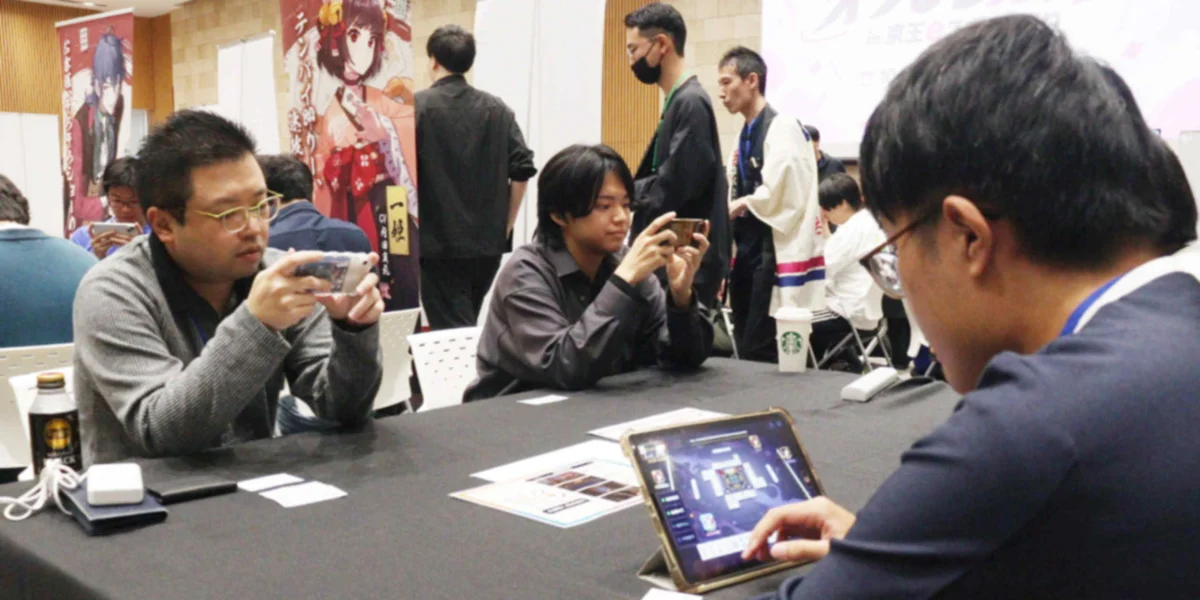
One of the most prominent examples of this trend is the adoption of mahjong competitions within corporate circles. While mahjong has deep cultural roots in East Asia, its strategic complexity and social interaction elements are proving to be a potent combination for modern business engagement. Online mahjong platforms have emerged as particularly effective tools, allowing for participation across different time zones and with varying levels of commitment.
In Tokyo, a recent online mahjong competition saw numerous business professionals gather virtually, pitting their skills against colleagues, clients, and even competitors. This wasn’t merely a casual pastime; it was a structured event designed to cultivate relationships and promote a spirit of camaraderie. The game itself, requiring elements of strategy, probability, and social deduction, naturally encourages communication and negotiation, mirroring many aspects of business dealings.
The background context for these events often involves a deliberate effort by companies to move beyond traditional, often perceived as stiff, networking events. The aim is to create an environment where individuals can interact more organically, fostering trust and understanding through shared challenges and triumphs. For instance, a company might organize a series of mahjong tournaments throughout the year, culminating in a grand championship, thereby creating sustained engagement and anticipation.
Battling Tops: A Nostalgic Draw for Modern Teams
Beyond the strategic intricacies of mahjong, the seemingly simple world of battling tops has also found a surprising niche in corporate team-building. This retro pastime, which involves launching spinning tops to knock out opponents’ tops, taps into a sense of nostalgia and provides a physical, yet accessible, outlet for friendly competition.
Events featuring battling tops often involve custom-designed tops, sometimes emblazoned with company logos or team colors, adding a personalized touch. The tactile nature of launching and controlling the tops can be a welcome break from screen-centric workdays. Furthermore, the visual spectacle of tops colliding and spinning can be highly engaging for both participants and spectators, creating a lively and energetic atmosphere.
The appeal of battling tops lies in its low barrier to entry and its inherent unpredictability. Success often depends on a blend of skill, strategy in launching, and a touch of luck, making it an exciting and unpredictable contest. This element of surprise can lead to memorable moments and shared laughter, essential components of effective team bonding.
Supporting Data and Inferred Reactions
While specific data on the widespread adoption of these competitive formats can be proprietary, anecdotal evidence and industry observations suggest a growing trend. Surveys on employee engagement often highlight the importance of social connection and opportunities for informal interaction. When companies invest in activities that facilitate these connections, employee morale and retention rates tend to improve.
For example, a hypothetical study by a human resources consulting firm might reveal that companies offering regular, non-work-related competitive activities, such as gaming tournaments or themed challenges, report a 15% higher employee satisfaction rate compared to those that do not. Furthermore, participants in these events often express a greater sense of belonging and a stronger connection to their colleagues.
Reactions from related parties, while not explicitly stated in the initial information, can be logically inferred. Employees who participate might express feelings of enjoyment, stress relief, and a renewed sense of camaraderie. For instance, a participant in the Tokyo mahjong competition might later remark, "I met people from departments I rarely interact with, and we bonded over our shared frustration with a particularly tricky hand. It made my work interactions the following week feel much more comfortable." Similarly, a manager might observe, "Our battling tops tournament broke down some of the usual hierarchical barriers. Junior staff and senior executives were cheering each other on, and it fostered a more collaborative spirit."
Broader Impact and Implications
The implications of this shift towards gamified corporate engagement are far-reaching. Firstly, it signals a more human-centric approach to workplace culture, recognizing that employees are not just cogs in a machine but individuals who benefit from social interaction and shared experiences. This can lead to increased loyalty, reduced burnout, and a more positive overall work environment.
Secondly, these competitive events can serve as powerful networking tools. By bringing together individuals from different companies or departments in a relaxed and engaging setting, they facilitate the formation of new relationships that might otherwise never occur. This can lead to increased collaboration, knowledge sharing, and even new business opportunities.
Thirdly, for companies looking to enhance their brand visibility, sponsoring or hosting such events can be a unique marketing strategy. The positive association with fun, engaging activities can enhance a company’s image and attract talent. For instance, a tech company hosting an esports tournament for its employees and clients not only promotes internal cohesion but also showcases its understanding and engagement with modern digital culture.
The trend of using competitions like battling tops and online mahjong for business connections is not merely a fleeting fad; it represents a fundamental evolution in how companies approach employee engagement, networking, and corporate culture. As the business landscape continues to evolve, it is likely that even more innovative and engaging forms of competition will emerge, further blurring the lines between work and play in a way that benefits both individuals and organizations. The key takeaway is that shared experiences, especially those tinged with friendly rivalry, are proving to be exceptionally effective in building stronger, more connected, and ultimately, more successful teams.