Farhan Pambudi
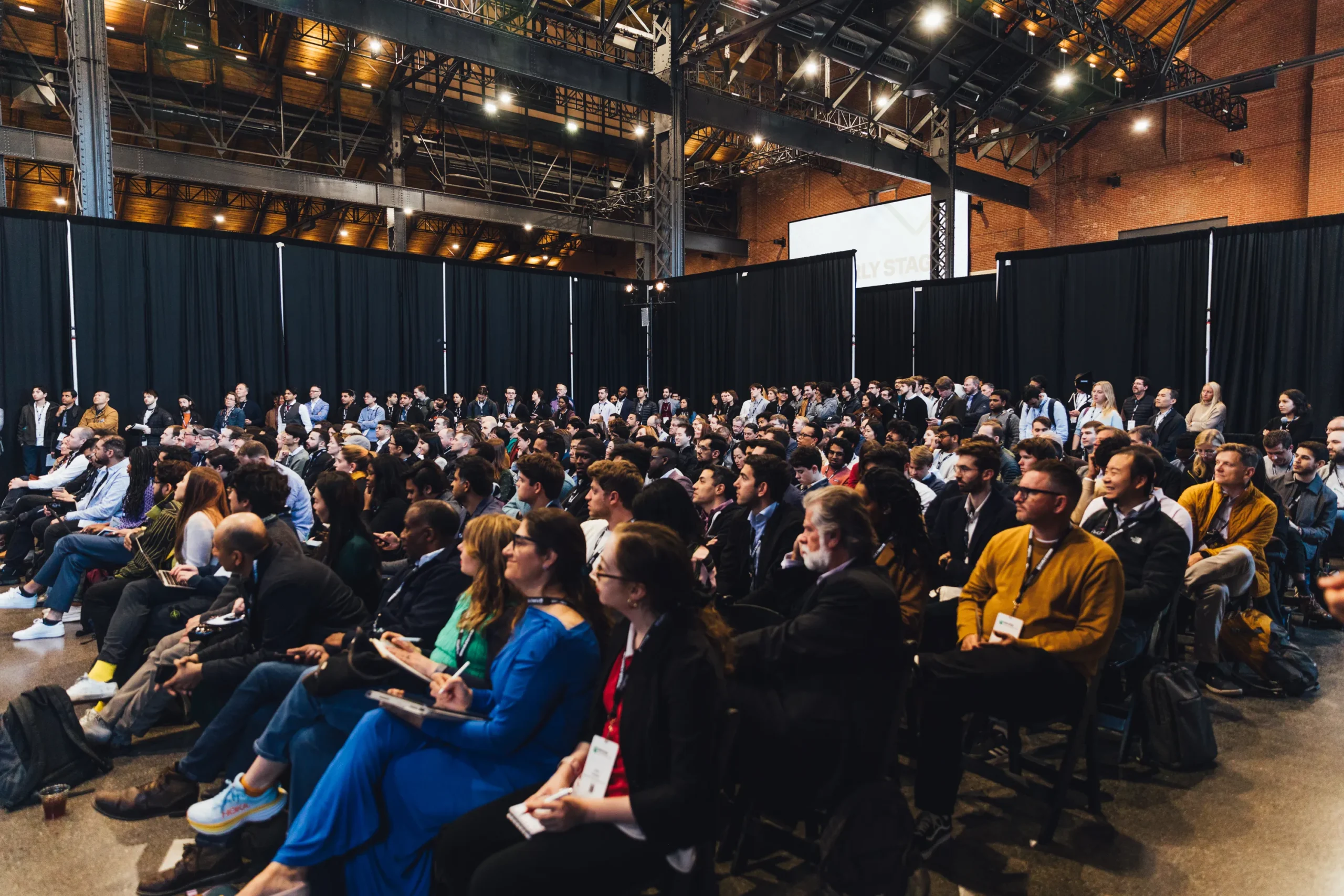
The TechCrunch Founder Summit is scheduled to convene on November 4, 2026, at the SoWa Power Station in Boston, marking a pivotal moment for the regional and international startup ecosystem. As the final seven-day countdown begins, the event is positioned as a high-intensity "bootcamp" designed to bridge the gap between early-stage conceptualization and sustainable enterprise scaling. With ticket discounts of up to $100 set to expire shortly, the summit expects to draw a diverse cohort of first-time founders, serial entrepreneurs, and high-net-worth investors. The gathering arrives at a critical juncture for the technology sector, as the industry navigates a complex macroeconomic environment characterized by shifting venture capital priorities and the rapid integration of artificial intelligence into core business models.
The Strategic Importance of the Boston Venue
The selection of Boston’s SoWa Power Station as the host venue is a calculated move reflecting the city’s status as a global epicenter for deep tech, biotechnology, and enterprise software. Historically, Boston has served as a primary hub for academic-led innovation, bolstered by its proximity to institutions such as the Massachusetts Institute of Technology (MIT) and Harvard University. By hosting the Founder Summit in this location, TechCrunch aligns the event with a local economy that consistently ranks among the top three in the United States for venture capital investment.
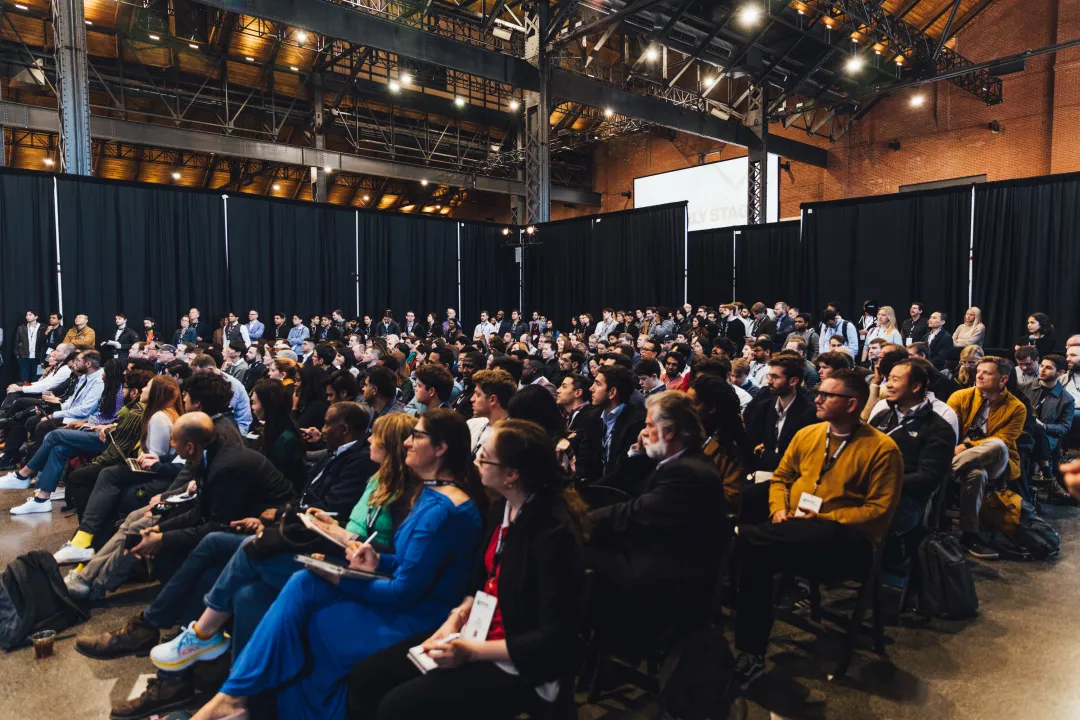
The SoWa Power Station, a masterfully restored 19th-century architectural landmark, provides a symbolic backdrop for the event. Once the world’s largest power plant of its kind, the venue now serves as a center for cultural and corporate exchange, mirroring the summit’s goal of generating "power" for new businesses through information and networking. The logistical layout of the summit will utilize the venue’s expansive industrial spaces to accommodate two dedicated Q&A breakout stages and two interactive roundtable rooms, ensuring a balance between large-scale presentations and intimate, high-value discussions.
Chronology of the TechCrunch Event Series
The 2026 Founder Summit represents an evolution of TechCrunch’s long-standing commitment to the startup lifecycle. While the flagship "TechCrunch Disrupt" remains a global stage for product launches and the "Startup Battlefield" competition, the Founder Summit series was developed to address a specific market need: actionable, mid-level mentorship for those who have already moved past the ideation phase.

- Early 2020s: TechCrunch identifies a "mentorship gap" where founders have access to capital but lack the operational knowledge to manage rapid scaling.
- 2023-2024: The introduction of more localized, niche summits allows for specialized tracks in AI, SaaS, and hardware.
- Late 2025: The announcement of the 2026 Boston Summit generates significant interest due to the city’s resilient performance during the 2024-2025 market correction.
- November 4, 2026: The summit officially opens, focusing on the "Founder 101" fundamentals reimagined for a post-AI-revolution economy.
Data-Driven Insights into the Startup Landscape
The necessity of such a summit is underscored by recent data regarding startup longevity and the current state of venture capital. According to 2025 industry reports, while the volume of seed-stage funding remained steady, the "Series A crunch" intensified, with only approximately 18% of seed-funded startups successfully raising a follow-on round within 18 months. This statistical reality highlights the importance of the summit’s focus on "actionable strategies" rather than generic inspiration.
Furthermore, the 2026 fiscal year has seen a marked shift in investor sentiment. Venture capitalists are increasingly prioritizing "capital efficiency" and "path to profitability" over "unencumbered growth." Data from the first three quarters of 2026 suggests that startups with founders who have undergone formal mentorship or participated in high-level networking summits are 35% more likely to secure bridge funding during volatile market periods. The TechCrunch Founder Summit aims to provide this competitive edge through direct access to leaders in venture capital and enterprise technology.
Core Pillars of the 2026 Agenda
The summit’s curriculum is structured around four primary pillars of startup survival and growth:
1. Capital Acquisition and Investor Relations
In an era where the cost of capital has risen, understanding the nuances of the "next funding round" is vital. Sessions led by experienced investors will dissect the current expectations for pitch decks, valuation metrics, and the importance of strategic alignment between a founder and their board of directors.
2. Operational Scaling and Unit Economics
The transition from a small team to a medium-sized enterprise often leads to operational friction. The summit features experts who have navigated these "growing pains," offering insights into talent acquisition, corporate culture, and the optimization of unit economics to ensure that scaling does not lead to financial insolvency.

3. Artificial Intelligence and Technical Integration
As AI moves from a buzzword to a fundamental infrastructure component, the summit provides a platform for enterprise technology leaders to discuss the practicalities of AI integration. This includes data privacy concerns, the ethical implications of automated decision-making, and the use of AI to streamline internal workflows.
4. Pressure-Testing and Strategy Refinement
The interactive roundtable sessions are designed to allow founders to present their current challenges to a peer group and a moderator. This "pressure-testing" environment is intended to identify flaws in business models before they are exposed to the broader market or potential investors.
Expert Voices and Inferred Market Reactions
The lineup of speakers for the November 4 event includes a cross-section of the most influential figures in the modern tech economy. While specific session transcripts are reserved for attendees, the presence of leaders from diverse sectors—ranging from generative AI specialists to veteran venture capitalists—indicates a holistic approach to company building.
Market analysts suggest that the high registration rates for the Boston summit reflect a broader trend of "founder resilience." Following the fluctuations of the mid-2020s, there is a renewed demand for "candid conversations" that go beyond the polished narratives often found in public relations releases. Industry insiders anticipate that the reactions following the summit will focus on the value of "no-nonsense" advice, with many attendees likely to implement strategic pivots based on the feedback received during the roundtable sessions.
Broader Impact on the Tech Ecosystem
The implications of the TechCrunch Founder Summit extend beyond the individual success of its attendees. By concentrating a high volume of intellectual and financial capital in Boston for a single day, the event acts as a catalyst for regional economic development. Local service providers, from legal firms specializing in intellectual property to recruitment agencies focusing on tech talent, view the summit as a primary lead-generation event.

On a global scale, the summit serves as a barometer for the health of the startup ecosystem. The themes that emerge from the Q&A stages often dictate the editorial direction of tech journalism and the investment theses of major firms for the following year. If the 2026 summit focuses heavily on "sustainable scaling," it is a strong indicator that the industry is moving toward a more mature, less speculative phase of development.
The "Countdown" Factor and Ticket Accessibility
The final seven-day window for discounted registration is a standard but effective tactical approach to event management, ensuring a surge in final-week registrations that allows organizers to finalize logistical requirements. However, the $100 savings also serves a broader purpose of accessibility. By lowering the barrier to entry, TechCrunch ensures a more diverse range of participants, including those from bootstrapped startups who may be more sensitive to the costs of professional development.
The "Founder 101" branding of the summit is particularly relevant for this demographic. While seasoned founders attend for the high-level networking, first-time entrepreneurs attend for the foundational knowledge that is often overlooked in the rush to launch. The ability to "learn what it really takes to build a successful company" from those who have already achieved it remains the summit’s primary value proposition.
Conclusion and Future Outlook
As the doors of the SoWa Power Station prepare to open on November 4, the TechCrunch Founder Summit 2026 stands as a testament to the enduring importance of human connection in a digital-first industry. In an environment where information is abundant but wisdom is scarce, the summit offers a curated experience designed to filter out the noise and provide founders with the signal they need to navigate the complexities of the modern business world.
The success of the Boston event will likely influence the trajectory of TechCrunch’s summit series into 2027 and beyond. As startups continue to face new challenges—from regulatory shifts in AI to the evolving landscape of global trade—the need for a centralized forum for "practical insights and candid conversations" will only increase. For the founders gathering in Boston, the summit is not merely an event, but a strategic investment in the future of their enterprises. Participants are encouraged to finalize their registrations and prepare for a day of rigorous intellectual exchange that could define the next chapter of their professional journeys.