Farhan Pambudi
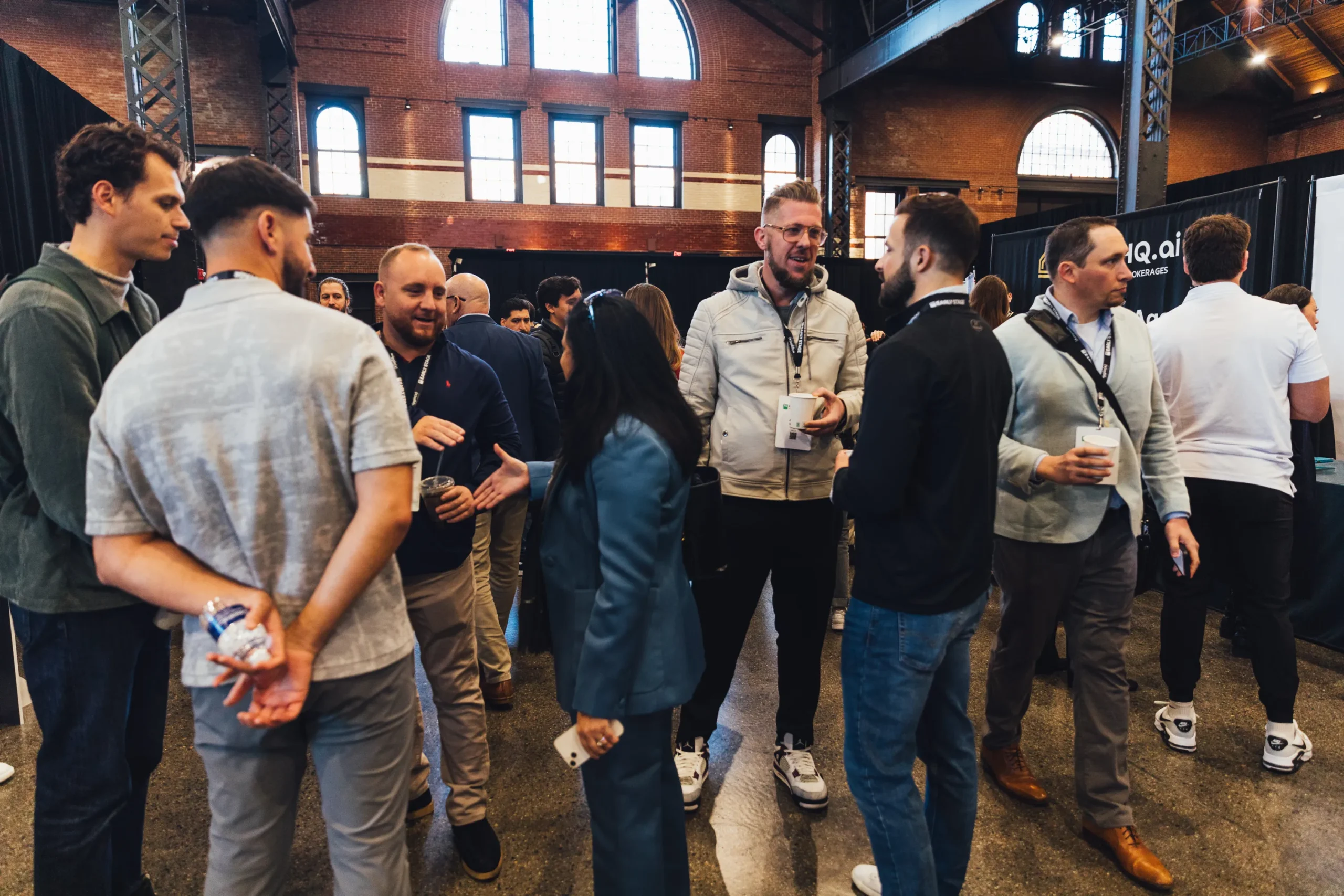
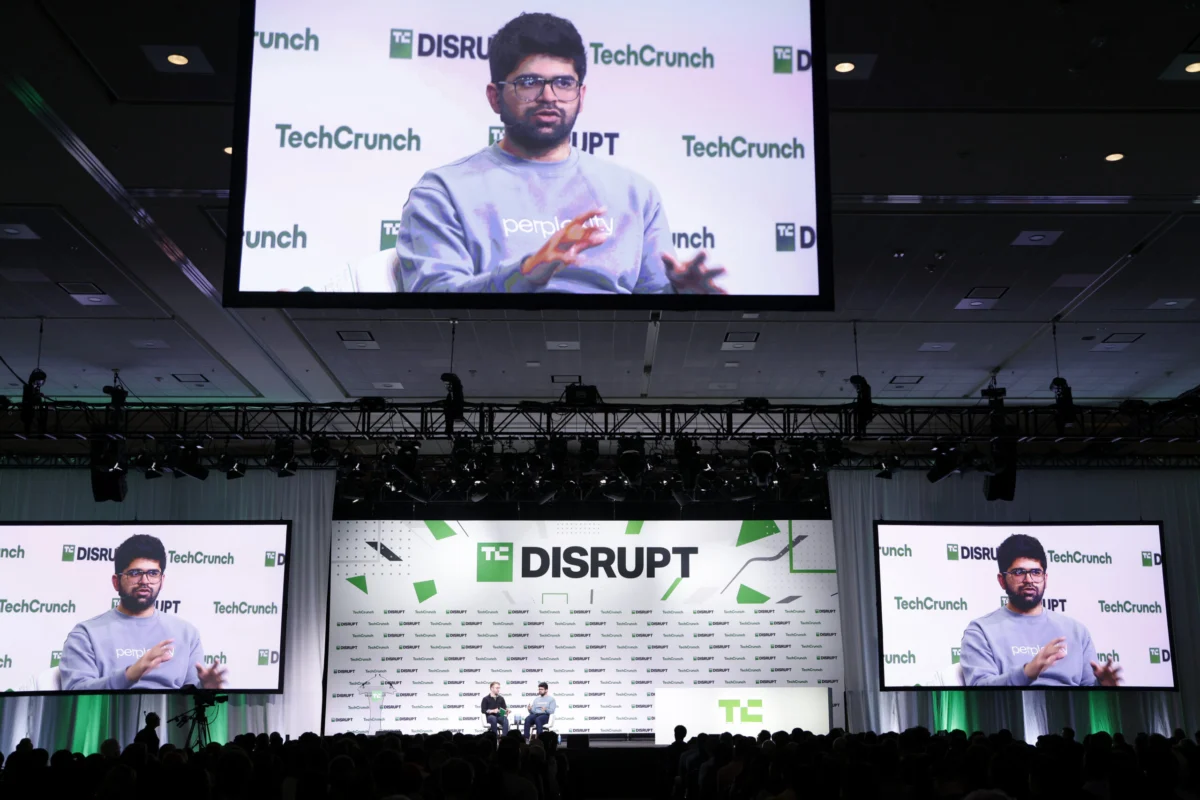
The tech industry is preparing for a high-stakes gathering of innovators and capital allocators as the TechCrunch Founder Summit 2026 prepares to open its doors on November 4 at the historic SoWa Power Station in Boston. This intensive one-day event is designed to bridge the gap between theoretical business strategy and the gritty, practical realities of scaling a startup in the current economic climate. By bringing together a curated group of founders, venture capitalists, and industry experts, the summit aims to provide a roadmap for navigating the complexities of company building, from the initial seed stage to late-stage expansion.
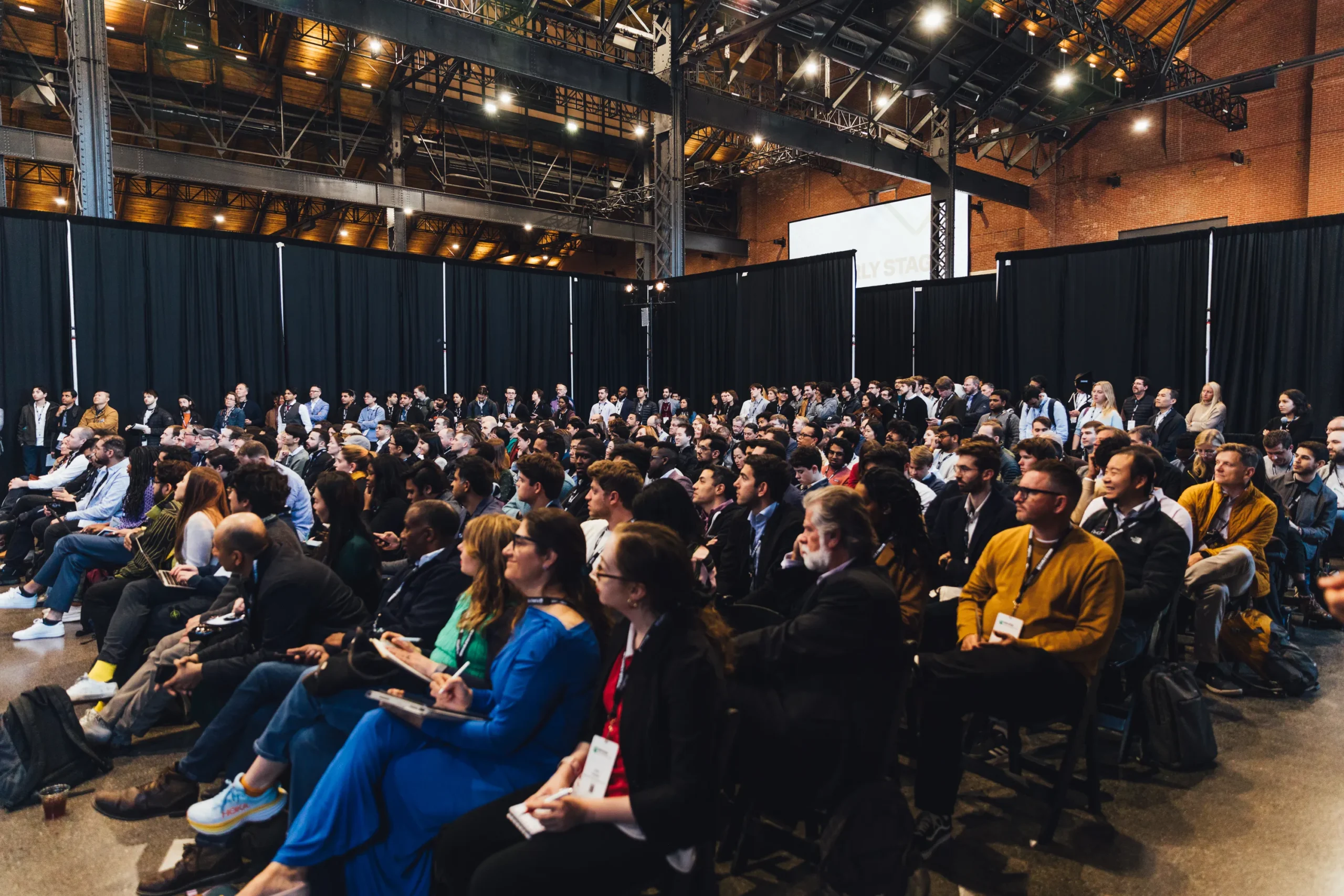
The choice of Boston as the host city underscores the region’s burgeoning status as a global hub for deep tech, biotechnology, and enterprise software. Unlike the broader, more generalized tech conferences, the Founder Summit is structured as an "all-day founder bootcamp," prioritizing candid conversations and tactical workshops over traditional keynote speeches. The event’s format is intentionally varied, incorporating live pitching, small-group roundtables, and structured networking sessions to accommodate different learning styles and professional needs.
A Chronological Approach to the Startup Lifecycle
The summit is organized into distinct tracks that mirror the evolution of a startup. The morning sessions begin with the Build Stage, which focuses on the foundational decisions that determine a company’s trajectory. These sessions are designed for founders who are currently in the process of shaping their products and testing market assumptions. The curriculum covers the mechanics of distribution, the nuances of modern fundraising, and the challenges of assembling a high-performance team.
Following the foundational workshops, the event transitions to the Impact Stage. This track is designed for companies that have achieved initial traction and are now facing the pressures of rapid scaling. The discussions here move away from the "how-to" of building and toward the "why" and "when" of expansion. Topics include managing enterprise relationships, navigating product-market fit at scale, and the psychological transitions required of a founder as they become a CEO.

The day concludes with a series of interactive sessions, including the "So You Think You Can Pitch?" competition and a closing reception. This chronological progression ensures that attendees can follow a logical narrative of growth, gaining insights that are relevant regardless of their current stage of development.
The Build Stage: Tactical Lessons for Early Momentum
The Build Stage serves as the summit’s engine room, focusing on the immediate hurdles of the early-stage founder. Hunter Worland of NEA is scheduled to open the stage with a critical analysis of distribution as a competitive advantage. In an era where technological barriers are frequently lowered by advancements in artificial intelligence and open-source frameworks, Worland argues that the ability to reach and retain customers is often more valuable than the underlying technology itself.
Complementing this perspective, Kristen Craft of Fidelity Private Shares will provide a data-driven overview of the 2026 fundraising environment. Her session is expected to address the shifting priorities of venture capitalists, who have increasingly moved toward rewarding capital efficiency and sustainable unit economics over unbridled growth. For founders preparing for their next raise, this session offers a rare glimpse into the internal metrics currently favored by top-tier institutional investors.
Tactical execution remains a core theme of the Build Stage. Dave Balter of True Ventures and Edisyl will lead a session focused on the art of the pitch, specifically addressing whether a founder’s narrative is compelling enough to earn a second meeting. This stage is not merely about inspiration; it is about providing founders with a toolkit they can use to refine their operations the moment they return to their offices.
The Impact Stage: Scaling and Long-Term Strategy
As startups move beyond the initial building phase, the challenges they face become more institutional and complex. The Impact Stage is dedicated to these mid-to-late-stage concerns. Steve Fredette, the co-founder and president of Toast, will share insights from his experience scaling one of Boston’s most significant success stories. His perspective is particularly relevant for founders looking to build "un-Silicon Valley" companies—enterprises that are grounded in regional strengths and focused on solving industry-specific problems.

Rudina Seseri, founder and managing partner of Glasswing Ventures, will address the critical tension between scaling and sustainability. Her session, "When to Hit the Brakes," challenges the conventional wisdom that growth should always be the primary objective. Seseri will explore how over-scaling can lead to organizational rot and why protecting the core business is sometimes the most aggressive move a founder can make.
Furthermore, Kent Bennett of Bessemer Venture Partners will provide a framework for evaluating product-market fit before committing to large-scale expansion. This analytical approach is designed to help founders identify false signals of success that can lead to premature scaling. Rounding out the stage, Chase Garbarino of HqO will present the "Boston Founder Playbook," offering a strategic look at how to leverage the local ecosystem’s unique combination of academic talent, corporate partners, and venture capital.
Deep-Dive Roundtables and Specialized Problem Solving
Recognizing that many of the most significant hurdles in business are highly specific, the Founder Summit includes a series of roundtables. These smaller, more intimate sessions allow for direct interaction between speakers and attendees, fostering a collaborative environment where founders can bring their specific business challenges to the table.
Key roundtable topics for 2026 include:
- Navigating Difficult Verticals: Chirag Shah of Define Ventures will lead a discussion on entering highly regulated or traditionally resistant industries.
- Enterprise AI Implementation: Shishir Tewari of Procore Technologies will move the AI conversation beyond the hype, focusing on the practicalities of reducing "hallucinations" and integrating AI within an enterprise context.
- Global Enterprise Sales: Merve Kitapci of ADIN.AI will share strategies for landing major global customers before reaching a Series A milestone.
- Defining New Markets: Andy Tang of Draper Associates will discuss the unique challenges of building a company in a space that doesn’t yet have a defined category or name.
- The Lean AI Team: Linden Tibbets of IFTTT will explore how generative AI is redefining team structures, allowing smaller groups to achieve what previously required dozens of employees.
These roundtables are designed to be participatory, ensuring that the knowledge shared is not just theoretical but applicable to the actual businesses represented in the room.

Live Pitch Testing and the "Braindate" Ecosystem
One of the most anticipated segments of the day is "So You Think You Can Pitch?" This live competition allows selected founders to present their business models to a panel of seasoned investors, including Dave Balter, Chirag Shah, and Simran Suri of Maveron. The value of this session extends beyond the participating founders; for the audience, it provides a transparent look at the investor mindset. Observing which questions are asked and where narratives falter offers a "live lab" environment for anyone looking to sharpen their own communication skills.
In addition to the formal sessions, the summit features a Networking Lounge powered by Braindate. This platform allows attendees to schedule intentional, one-on-one or small-group conversations centered on specific topics. By moving away from the serendipity of traditional "hallway tracks," Braindate ensures that founders can find peers who are grappling with the exact same technical or strategic issues. This structured networking is intended to turn the day’s content into actionable relationships.
Analysis: The Broader Impact on the 2026 Startup Landscape
The TechCrunch Founder Summit arrives at a pivotal moment for the technology sector. In 2026, the industry is navigating the long-term implications of the AI revolution and a more disciplined capital market. Events like this serve a dual purpose: they provide immediate educational value to individual founders, and they strengthen the connective tissue of the broader ecosystem.
By focusing on Boston, the summit highlights the ongoing decentralization of tech innovation. While the Bay Area remains a powerhouse, hubs like Boston offer a different model of success—one often characterized by deeper ties to traditional industries and a focus on "hard tech." The "Boston Founder Playbook" discussed at the event is likely to influence how founders in other emerging hubs, from Austin to Berlin, think about regional growth.
Furthermore, the emphasis on "Impact" and "Build" stages suggests a maturation of the startup discourse. There is a clear shift toward operational excellence and leadership development, reflecting a realization that the skills required to start a company are fundamentally different from those required to lead one through a period of sustained growth.

Participation and Logistics
The TechCrunch Founder Summit 2026 will conclude with a reception presented by Fidelity Private Shares, providing a final opportunity for attendees to solidify the connections made throughout the day. Registration for the event remains open, with various incentives available for early registrants and groups. Current passes include access to all stages, roundtables, the Expo Hall, and post-event session materials.
As the tech world converges on the SoWa Power Station this November, the focus will be squarely on the practicalities of progress. For the founders in attendance, the goal is clear: to leave with the insights and relationships necessary to ensure their companies are among the success stories of the next decade.