Ena Muazin
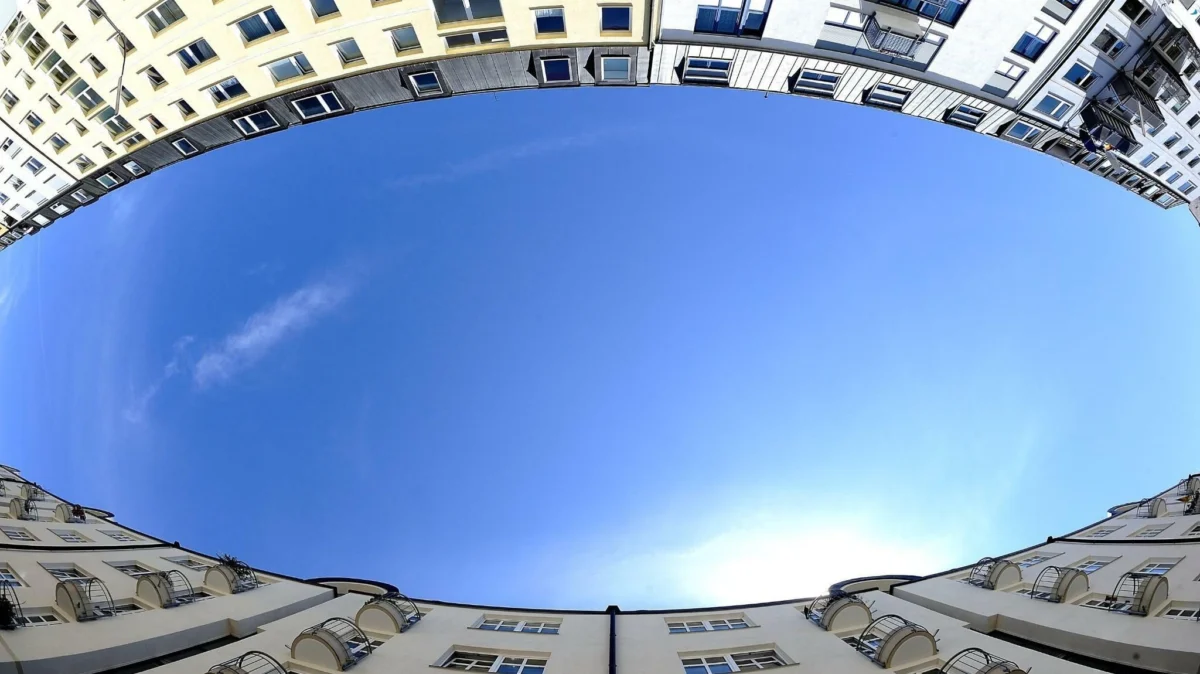
Neue Zahlen des Verbands deutscher Pfandbriefbanken zeigen, wo die Mieten in den Metropolen im dritten Quartal 2026 am stärksten zulegen – und warum sich Kaufpreise anders entwickeln.
Frankfurt. The upward trend on the German rental market continues unabated, with new rental agreements seeing a nationwide increase of 3.5 percent in the third quarter of 2023 compared to the same period last year. This data, released by the Association of German Pfandbrief Banks (VDP) on Tuesday, paints a clear picture for apartment seekers: relief is not on the immediate horizon. The report, which analyzes the VDP’s current real estate price index, highlights a significant divergence in market dynamics, with rental prices for new contracts rising sharply while purchase prices for residential properties are largely stagnating.
This stark contrast between the rental and sales markets is a defining characteristic of the current German real estate landscape. While potential buyers might find opportunities for stable or even slightly declining purchase prices, those looking to rent are facing increasing financial pressure. This situation has significant implications for housing affordability, urban development, and broader economic planning across the country.
Rental Market Dynamics: A Continued Surge
The VDP’s latest figures reveal a consistent pattern of rental price growth. The 3.5 percent nationwide increase in the third quarter of 2023 signifies a sustained upward trajectory that has been observed over several reporting periods. This growth is not uniform across all cities, however. Certain metropolitan areas are experiencing particularly pronounced rent hikes, placing an immense burden on residents and exacerbating existing housing shortages.
While the VDP report does not provide an exhaustive list of all cities with the highest rent increases in this specific quarter, historical data and ongoing market analyses consistently point to major economic hubs as hotspots for rising rental costs. These typically include cities like Munich, Berlin, Frankfurt, Hamburg, and Stuttgart. Factors contributing to this concentrated growth include high population density, a robust job market attracting new residents, and a persistent undersupply of available rental units.
For instance, in cities like Munich, already known for its high cost of living, rental prices have been on a relentless climb for years. The demand for housing significantly outstrips the supply, creating a landlord’s market where asking rents can be set at premium levels. Similarly, Berlin, despite its efforts to expand housing stock, continues to grapple with a surge in demand driven by its status as a major cultural and economic center, leading to substantial rent increases, particularly for newly concluded contracts.
Stagnating Purchase Prices: A Different Story
In stark contrast to the rental market, the VDP’s index indicates a significant slowdown, and in many cases, stagnation in purchase prices for residential properties. This trend suggests a cooling of the property market for buyers, a development that has several underlying causes.
One of the primary drivers behind the stable purchase prices is the significant increase in interest rates by the European Central Bank (ECB). Higher interest rates translate directly into more expensive mortgages, reducing the purchasing power of potential buyers. This makes it harder for individuals to secure financing for a property, thereby dampening demand. As demand wanes, sellers are often forced to keep their prices steady or even consider reductions to attract buyers.
Furthermore, the general economic climate, marked by inflation and concerns about economic growth, also plays a role. Prospective buyers may be adopting a more cautious approach, delaying significant financial commitments like purchasing a home until the economic outlook becomes more certain. This hesitancy further contributes to the softening of demand in the sales market.
Background and Context: The German Housing Market Landscape
Germany’s housing market has been a subject of intense debate and policy focus for years. Historically, it has been characterized by a strong demand for rental properties, with a significant portion of the population preferring to rent rather than own. This cultural preference, coupled with robust population growth and increasing urbanization, has put consistent pressure on the rental market.
The VDP, as the leading association for the German mortgage and real estate financing industry, plays a crucial role in monitoring and analyzing these market trends. Its real estate price index, compiled from data on a wide range of property transactions across Germany, provides a reliable barometer of market developments. The association’s reports are closely watched by policymakers, industry professionals, and the public alike.
The current situation, where rents are rising while purchase prices are falling or stagnating, is not entirely unprecedented but represents a significant shift in market equilibrium. For a long time, both rental and purchase prices moved in a similar upward direction, driven by low interest rates and high demand. The recent divergence is largely a consequence of the ECB’s monetary policy tightening to combat inflation.
Timeline of Key Developments

- Early 2022: The European Central Bank begins to signal a shift in monetary policy, moving away from the era of ultra-low interest rates.
- Mid-2022 onwards: The ECB initiates a series of interest rate hikes to combat rising inflation. This marks a significant turning point for the real estate market, making mortgages more expensive.
- Late 2022 – Early 2023: The impact of higher interest rates begins to be felt more broadly. Demand for property starts to cool, and purchase prices show signs of leveling off or declining in some regions.
- Throughout 2023: Rental price growth continues to accelerate, driven by sustained demand and a persistent shortage of affordable housing. The VDP’s quarterly reports consistently show increases in rental costs for new contracts.
- Third Quarter 2023: The VDP releases data indicating a 3.5 percent nationwide increase in rents for new leases, highlighting the ongoing disparity with the stagnating sales market.
Data Supporting the Trend
The VDP’s Immobilienpreisindex is a key source of data for understanding these market shifts. The index aggregates transaction data from a wide range of residential properties, including single-family homes, semi-detached houses, and condominiums, across all federal states. It provides a granular view of price developments in both the rental and sales segments.
Beyond the VDP’s figures, other indicators corroborate this trend. For example, reports from real estate portals and industry associations frequently highlight a significant increase in rental inquiries and a decrease in property listings suitable for purchase within budget constraints. The average number of days a property stays on the market for sale has also reportedly increased in many areas, indicating a slower sales pace.
Statements and Reactions from Related Parties

The current market conditions have drawn reactions from various stakeholders. Housing associations and tenant advocacy groups have voiced strong concerns about the escalating cost of living and the increasing difficulty for many to find affordable housing. They often call for more government intervention to control rent increases and boost the construction of social housing.
"The continuous rise in rents, especially in major cities, is becoming unsustainable for a growing number of households," stated a spokesperson for a prominent tenant association. "We are seeing a situation where even middle-income earners are struggling to afford decent housing, forcing them to make difficult choices or even leave urban centers altogether."
On the other hand, real estate developers and some industry representatives point to the challenges in building new housing, citing high construction costs, bureaucratic hurdles, and the need for attractive investment conditions. While acknowledging the rental price increases, they often emphasize the need for a balanced market that encourages both renting and owning.
"The current interest rate environment has certainly shifted the dynamics of the sales market," commented a representative from a real estate developer. "However, the fundamental undersupply of housing persists, which will continue to put upward pressure on rents. Addressing this requires a multifaceted approach, including streamlining approval processes for new construction and incentivizing investment in rental properties."

Broader Impact and Implications
The divergence between rising rents and stagnating purchase prices has far-reaching implications for the German economy and society:
- Housing Affordability Crisis: The most immediate impact is on housing affordability. As rents climb, a larger portion of household income is consumed by housing costs, leaving less for other essential expenses, savings, or investments. This can disproportionately affect lower- and middle-income groups, as well as young people and families.
- Urban Development and Social Cohesion: The increasing cost of living in major cities could lead to a “brain drain” in reverse, with skilled workers potentially seeking more affordable locations. This can hinder urban economic growth and alter the social fabric of cities, potentially leading to greater segregation.
- Investment Landscape: The current market conditions create different investment opportunities. While purchasing property for capital appreciation may be less attractive in the short term, rental properties might still offer attractive yields due to rising rents, provided financing costs are manageable. However, investors need to carefully consider the risks associated with a potentially volatile rental market and regulatory interventions.
- Economic Policy Challenges: Policymakers face the complex task of balancing the needs of renters with the stability of the real estate market. Measures to control rent increases, such as stricter rent control regulations, could be considered, but these might also deter new construction and investment. Conversely, measures to stimulate the sales market, such as subsidies or tax incentives for buyers, could be explored, but these might not address the core issue of rental affordability.
- Shifting Homeownership Aspirations: The persistent rise in rents and the increasing cost of mortgages might lead to a further shift away from homeownership aspirations for a segment of the population. For some, renting may become a more viable long-term housing solution, especially if purchase prices remain out of reach due to high financing costs.
Analysis of the Divergence
The current market situation can be understood as a recalibration driven by monetary policy. For years, ultra-low interest rates made borrowing cheap, fueling demand for both rentals and property purchases. This led to a synchronized rise in both rental and sales prices. The subsequent rapid increase in interest rates has fundamentally altered the equation for buyers. The cost of acquiring property has risen dramatically, making it a less attractive proposition for many.

Rentals, on the other hand, are less directly impacted by immediate interest rate fluctuations. While developers’ financing costs might increase, leading to higher construction costs that are eventually passed on, the demand for rental housing remains strong due to demographic factors, a preference for flexibility, and the financial barriers to homeownership. This sustained demand, coupled with a limited supply, creates the conditions for continued rent increases.
The VDP’s findings serve as a crucial indicator of these diverging trends. As the association continues to monitor these developments, its reports will be essential for understanding the ongoing evolution of the German real estate market and informing future policy decisions aimed at ensuring housing affordability and market stability. The coming quarters will likely reveal whether this divergence is a temporary adjustment or a more fundamental shift in the dynamics of Germany’s housing landscape.