Farhan Pambudi
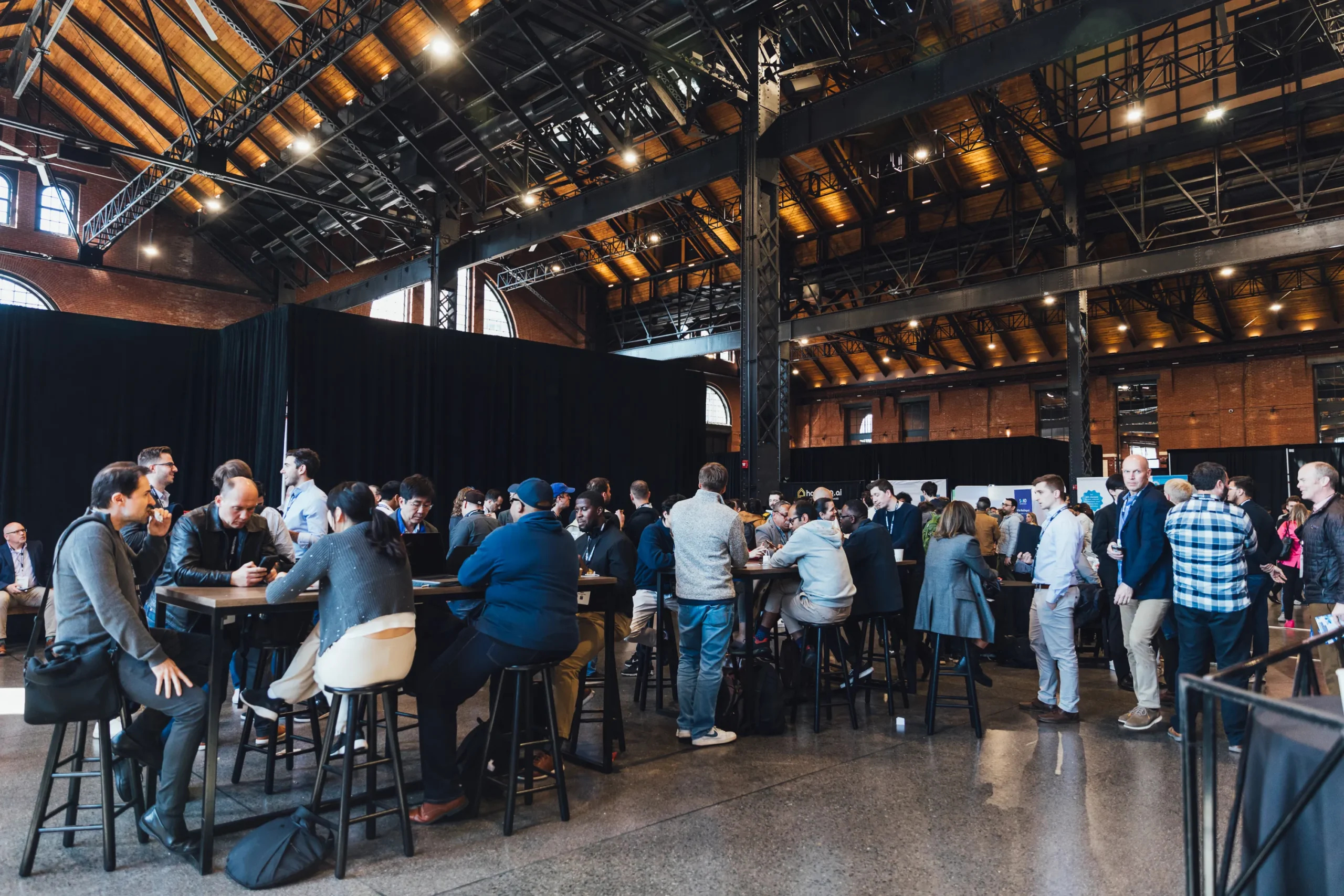
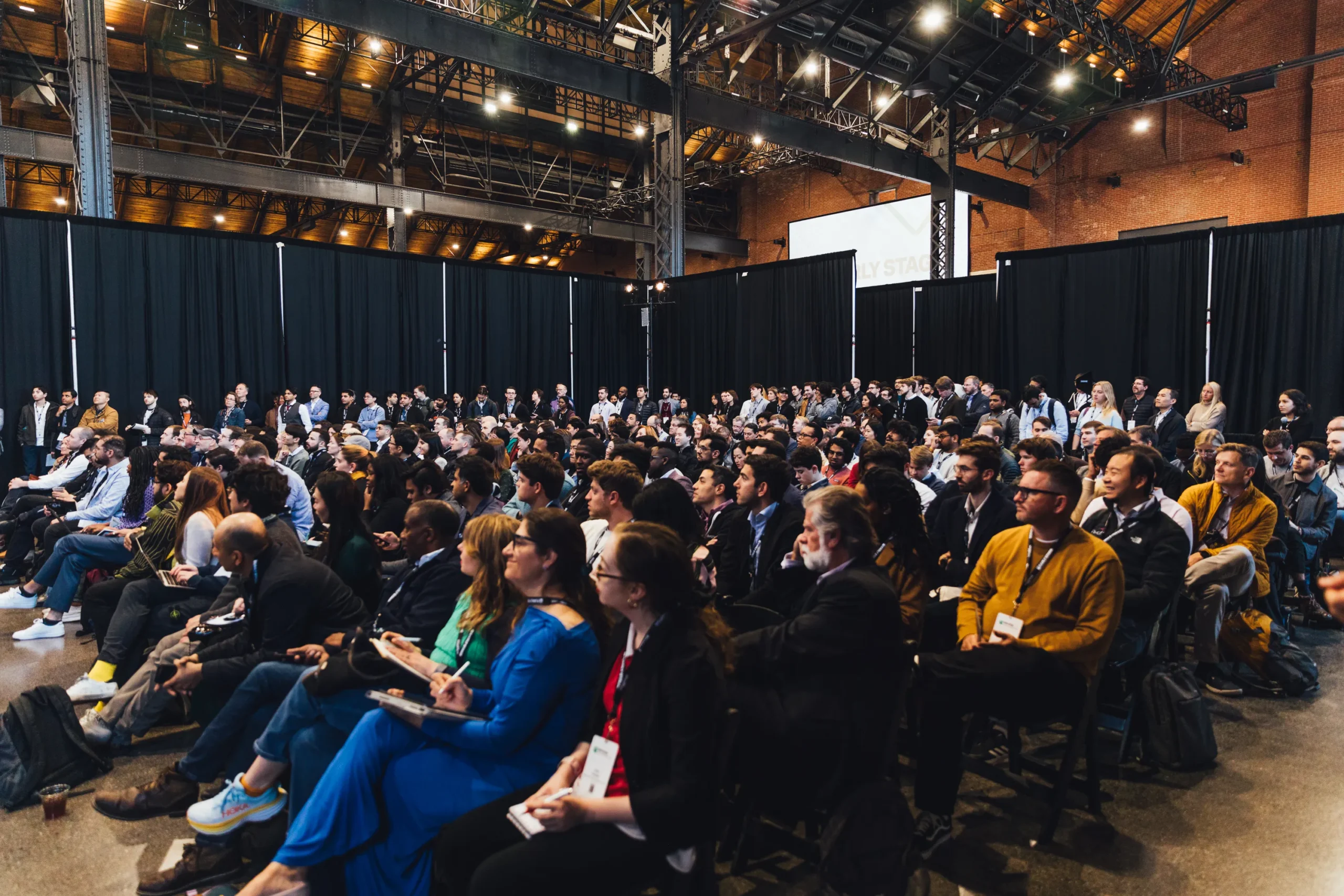
The innovation ecosystem is preparing for a significant gathering of minds as the TechCrunch Founder Summit 2026 is officially scheduled to take place on November 4 at the SoWa Power Station in Boston. This event represents a pivot toward more intentional, high-utility professional gatherings, moving away from the sprawling, generalized format of traditional tech conferences. By focusing on the specific needs of early-to-mid-stage founders, investors, and high-level operators, the summit aims to address the most pressing challenges in the current venture landscape: sustainable scaling, capital efficiency, and the nuances of product-market fit.
Central to the 2026 summit is a partnership with Braindate, a networking technology designed to replace the haphazard "hallway track" with curated, topic-driven conversations. As the venture capital environment remains selective, the ability for founders to connect with the specific peers or investors who hold the keys to their immediate problems has become a primary driver of event value. The Boston event is structured to facilitate these connections through both one-on-one sessions and collaborative small-group roundtables, ensuring that every interaction is predicated on a shared objective or a specific inquiry.
Strategic Context: The Boston Innovation Landscape
The selection of Boston as the host city for the 2026 Founder Summit is a strategic acknowledgement of the region’s enduring status as a global hub for deep tech, life sciences, and enterprise software. According to recent venture activity reports, the Boston metropolitan area consistently ranks among the top three regions in the United States for total capital invested, often rivaling Silicon Valley in sectors such as biotechnology, robotics, and advanced materials.
By positioning the event at the SoWa Power Station—a historic venue that once powered the city’s transit system and has since been transformed into a premier industrial-chic event space—TechCrunch is signaling a commitment to the regional ecosystem. This move provides a platform for New England’s robust academic-to-commercial pipeline, drawing from the proximity of institutions like MIT and Harvard, while also attracting a global cohort of founders looking to tap into the East Coast’s unique concentration of talent and institutional capital.

The Networking Architecture: Braindate Integration
In an era where "event fatigue" is a common complaint among executives, the Founder Summit is utilizing the Braindate platform to ensure time spent on-site yields a measurable return on investment. The technology allows attendees to browse a "market" of topics posted by fellow participants. Instead of traditional networking, which often relies on social extroversion and luck, Braindate enables a marketplace of knowledge.
A founder struggling with Series B term sheets can specifically seek out an operator who has recently closed a similar round. Conversely, an investor looking for insights into the logistics of scaling an enterprise sales team can join a roundtable led by a veteran of the SaaS industry. This "networking with a purpose" approach is designed to eliminate the friction of cold introductions and focuses the day’s activities on problem-solving.
Programming and Stage Analysis: Build and Impact
The summit’s agenda is bifurcated into two primary tracks: the Build Stage and the Impact Stage. This structure reflects the dual reality of modern entrepreneurship—the need for rigorous tactical execution and the necessity of understanding a company’s broader influence on the market and society.
The Build Stage: Tactical Excellence
The Build Stage is dedicated to the mechanics of company construction. Key topics include:
- Scaling Architecture: Moving beyond the initial core team to a structured organization without losing the "founder spirit."
- Capital Strategy: Navigating the shift from growth-at-all-costs to a focus on unit economics and profitability.
- Sales and Distribution: Strategies for landing enterprise-level customers before a massive sales organization is in place.
The Impact Stage: Vision and Sustainability
The Impact Stage addresses the macro-level shifts affecting the tech industry. This includes:

- Regulatory Navigation: How emerging startups can stay ahead of changing data privacy and AI governance laws.
- Market Resilience: Building companies that can withstand macroeconomic volatility and shifting consumer sentiment.
- Corporate Governance: The evolution of board dynamics and the role of founders in the long-term stewardship of their brands.
Featured Speakers and Industry Perspectives
The 2026 speaker lineup features a blend of seasoned venture capitalists and founders who have successfully navigated the complexities of the public and private markets.
Kent Bennett, a Partner at Bessemer Venture Partners, is slated to discuss the nuances of product-market fit. Bennett’s perspective is particularly relevant in a market where the definition of "fit" has tightened significantly. His analysis often centers on the data-driven indicators that suggest a startup is truly ready to pour capital into growth versus when it should continue to iterate on its core offering.
Dave Balter of True Ventures and Edisyl will provide insights into the fundraising process. Balter, known for his deep understanding of both the founder’s journey and the investor’s criteria, will unpack the elements of a pitch that go beyond the deck. His session is expected to focus on the "next conversation"—the psychological and strategic elements that convince an investor to move from interest to due diligence.
Steve Fredette, the co-founder of Toast, brings a local success story to the stage. Having scaled Toast from a Boston startup into a dominant player in the restaurant technology space, Fredette’s insights into navigating changing market conditions and scaling operations are highly anticipated. His presence serves as a case study for the regional ecosystem’s ability to produce world-class technology leaders.
Event Chronology and Access
The TechCrunch Founder Summit 2026 is a single-day, intensive event. The schedule is designed to maximize the density of information and interaction:

- 08:00 AM – 09:30 AM: Registration and Preliminary Braindate Scheduling.
- 09:30 AM – 12:30 PM: Concurrent sessions on the Build and Impact stages, interspersed with interactive roundtables.
- 12:30 PM – 01:30 PM: Networking Lunch and Expo Hall Exploration.
- 01:30 PM – 04:30 PM: Deep-dive workshops, live pitch evaluations, and curated 1:1 meetings.
- 04:30 PM – 06:00 PM: Closing Keynote and Post-Event Reception.
To encourage collaborative attendance, TechCrunch has implemented a strategic ticket pricing model. Current passes are available with a "Buy One, Get One Free" offer, allowing founders to bring a co-founder, a key operator, or a partner at no additional cost. This initiative recognizes that the decisions made at the summit often require consensus among a startup’s leadership team.
Broader Implications for the Tech Sector
The focus of the Founder Summit 2026 mirrors a broader trend in the technology sector toward "quality over quantity." As the exuberance of the early 2020s has been replaced by a more disciplined approach to venture building, events must also evolve. The emphasis on peer-to-peer learning and specific problem-solving suggests that the industry is entering a more mature phase, where the sharing of "hard-earned lessons" is valued over general networking.
Furthermore, the integration of scaling solutions and service providers within the Expo Hall indicates a shift toward a more integrated ecosystem. Founders are no longer just looking for capital; they are looking for the infrastructure—legal, technical, and operational—that allows them to deploy that capital effectively.
Conclusion: A Pivot Toward Practicality
The TechCrunch Founder Summit 2026 stands as a barometer for the health and direction of the startup world. By choosing Boston—a city defined by its intellectual rigor and industrial history—and by prioritizing intentional networking through Braindate, the event organizers are betting on a future where the most successful founders are those who are best connected to actionable intelligence.
As the doors open on November 4 at the SoWa Power Station, the goal is clear: to move beyond the surface-level hype of the tech industry and provide a venue for the difficult, necessary conversations that drive genuine innovation. For the founders and investors in attendance, the value of the summit will not be measured by the number of business cards collected, but by the clarity of the answers found to the questions that keep them up at night.