Lina Wu
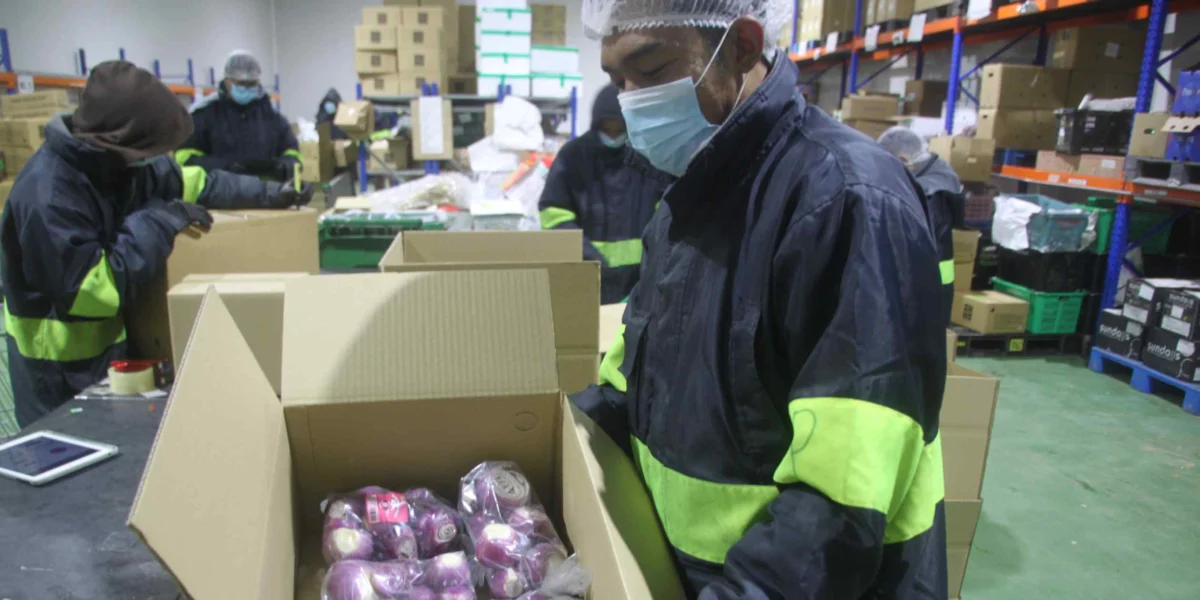
Japan-linked startups are aggressively expanding their cold chain distribution networks for fresh foods across Southeast Asia, aiming to establish direct links from producers to consumers. This strategic pivot, driven by a desire to capture higher profit margins and respond to evolving consumer demands, is drawing significant interest and partnership offers from major logistics and trading conglomerates. The push for efficiency and transparency in the food supply chain is reshaping how fresh produce reaches tables in one of the world’s most dynamic economic regions.

The Rise of Direct-to-Producer Models
The traditional food distribution model in Southeast Asia has often been characterized by multiple intermediaries, leading to increased costs, reduced shelf life for perishable goods, and a lack of transparency regarding product origin and quality. Startups like Secai Marche are at the forefront of disrupting this established system. By leveraging advanced cold chain logistics, which involve maintaining specific temperature-controlled environments throughout the supply chain, these companies are enabling the direct transfer of produce from farms to distribution hubs and subsequently to consumers or businesses.
This farm-to-table approach offers several compelling advantages. For producers, it can mean fairer prices and a more predictable market for their goods. For distributors, the elimination of several layers of middlemen translates into significantly higher profit margins. Crucially, for consumers, it promises fresher, higher-quality produce with a clearer understanding of its provenance. This direct model also allows for more precise demand forecasting, reducing food waste and improving inventory management, which are critical challenges in the highly perishable food sector.

Secai Marche: A Pioneer in Cold Chain Innovation
Secai Marche, a key player in this burgeoning sector, exemplifies the strategies being employed. The company operates sophisticated warehouses equipped with distinct temperature zones, a crucial element for preserving the integrity of a wide variety of fresh foods. These specialized facilities are designed to handle everything from delicate leafy greens that require chilling to fruits that may need slightly different temperature and humidity controls. The ability to maintain these precise conditions is paramount in preventing spoilage and maintaining the nutritional value and aesthetic appeal of the produce.
The company’s expansion into Southeast Asia is a strategic move, recognizing the region’s rapidly growing middle class, increasing disposable incomes, and a burgeoning demand for high-quality, safe, and traceable food products. As urbanization accelerates and consumer preferences shift towards healthier and more sustainable food options, the demand for direct sourcing and efficient cold chain solutions is poised for exponential growth.

Strategic Partnerships and Investment Interest
The success and potential of these farm-to-table distribution models are not going unnoticed. Major logistics companies and established trading houses, which have historically operated with different business models, are actively seeking partnerships with these agile startups. These collaborations offer mutual benefits. For the startups, partnerships provide access to established infrastructure, extensive logistical networks, and capital for further expansion. For the larger corporations, it’s an opportunity to tap into innovative technologies, gain a foothold in the rapidly growing direct-to-consumer fresh food market, and enhance their own supply chain efficiencies.
The appeal for these established players lies in the startups’ ability to leverage technology, such as data analytics for demand forecasting and sophisticated inventory management systems, to optimize operations. These are areas where traditional logistics companies, while possessing significant physical assets, may have lagged in adopting cutting-edge solutions. The integration of these new capabilities allows for a more responsive and resilient supply chain, capable of adapting to fluctuating market demands and unforeseen disruptions.

Background and Chronology of the Trend
The genesis of this trend can be traced back to a growing global awareness of food security, sustainability, and the ethical implications of food production and distribution. In Japan, a country with a deep-rooted appreciation for high-quality produce and a sophisticated agricultural sector, there has long been an interest in optimizing the path from farm to table. However, the expansion into Southeast Asia marks a significant shift in geographical focus and market strategy.
Early 2020s: Initial exploration and pilot projects by Japanese startups into Southeast Asian markets, testing the viability of direct sourcing and cold chain logistics in diverse regulatory and logistical environments. This period was characterized by building foundational relationships with local farmers and understanding regional consumer preferences.

Mid-2020s: Increased investment and scaling of operations. Companies like Secai Marche begin to establish more robust warehouse infrastructure and expand their service areas within key Southeast Asian cities. The focus shifts from mere testing to establishing scalable business models.
Late 2020s (Present): Maturation of the business model, leading to significant partnership interest from larger logistics and trading firms. This phase is marked by the formalization of strategic alliances, joint ventures, and potential acquisition talks, signaling a significant industry shift and the potential for widespread adoption of these advanced distribution methods. The growing demand for transparency and quality in food, amplified by events such as the COVID-19 pandemic which highlighted supply chain vulnerabilities, has accelerated this trend. Consumers are increasingly willing to pay a premium for food that is not only fresh but also ethically sourced and produced with minimal environmental impact.

Supporting Data and Market Potential
The market for fresh food distribution in Southeast Asia is substantial and growing. The region’s population is projected to exceed 700 million people by 2030, with a significant portion residing in urban centers where demand for convenient access to high-quality food is concentrated. The Association of Southeast Asian Nations (ASEAN) agricultural sector is a significant contributor to the global food supply, yet its internal distribution networks often present opportunities for improvement.
- Market Size: The Southeast Asian fresh food market is estimated to be worth hundreds of billions of dollars annually, with significant growth projected in the coming decade. This growth is fueled by rising incomes, urbanization, and a heightened awareness of health and wellness.
- E-commerce Growth: The rapid expansion of e-commerce platforms in Southeast Asia has created a fertile ground for direct-to-consumer food delivery services. Consumers are increasingly comfortable purchasing groceries online, creating a direct channel for these startups to reach their target audience.
- Cold Chain Investment: Global investment in cold chain logistics is on the rise, with Southeast Asia identified as a key growth region. Reports indicate that the cold chain market in Asia Pacific is expected to grow at a compound annual growth rate (CAGR) of over 8% in the next five years, highlighting the strategic importance of infrastructure development in this sector.
- Food Waste Reduction: Globally, approximately one-third of all food produced for human consumption is lost or wasted. By shortening the supply chain and improving storage conditions, these direct distribution models can significantly contribute to reducing food waste, a critical sustainability objective.
Broader Impact and Implications
The expansion of Japan-linked startups into the Southeast Asian food distribution landscape carries significant implications for various stakeholders.

- For Consumers: The primary beneficiaries are consumers, who stand to gain access to fresher, potentially more nutritious, and traceable food products. The increased competition and efficiency within the supply chain could also lead to more stable pricing for high-quality produce.
- For Farmers: Local farmers, particularly small to medium-sized enterprises, can find new avenues for market access and potentially receive better returns for their produce. This can lead to increased investment in farming practices and improvements in crop quality.
- For the Environment: By optimizing logistics and reducing food waste, these initiatives contribute to a more sustainable food system. Shorter supply chains also mean reduced transportation emissions.
- For Regional Economies: The growth of these startups creates new employment opportunities in logistics, technology, and retail sectors. It also fosters innovation and can encourage other regional players to adopt similar advanced distribution strategies, leading to a modernization of the entire food industry.
- For Established Players: Traditional food distributors and retailers will face increased pressure to adapt. Those that fail to embrace new technologies and direct sourcing models may find themselves at a competitive disadvantage. This could spur further consolidation or strategic shifts within the existing industry structure.
The strategic investments and operational expansions by Japan-linked startups in Southeast Asia signal a transformative phase for food distribution in the region. By prioritizing direct sourcing and advanced cold chain logistics, these companies are not only optimizing their own profit margins but are also laying the groundwork for a more efficient, transparent, and sustainable food ecosystem that benefits producers and consumers alike. The ongoing interest from major logistics and trading firms underscores the profound impact and future potential of this innovative approach.