Clara Shinta
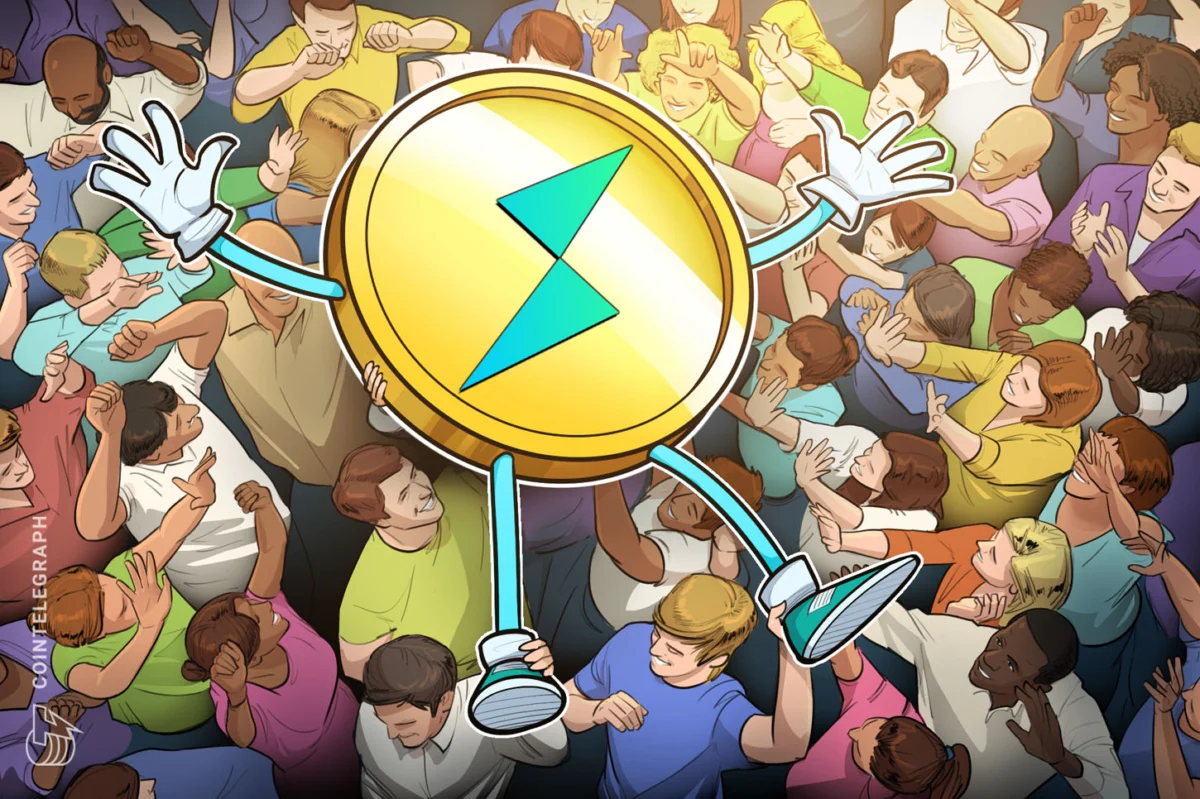
THORChain, a prominent decentralized cross-chain liquidity protocol, has initiated a significant recovery, with its native RUNE token surging approximately 15% over the past 24 hours. This resurgence follows the protocol’s successful restoration of trading functionalities across a majority of its supported external networks, a crucial step after a weekend-long halt triggered by an unexpected Ethereum block reorganization event. The incident, which exposed a critical refund bug within the protocol’s operational logic, temporarily disrupted a cornerstone of the decentralized finance (DeFi) landscape.
As of Wednesday, RUNE was observed trading around the $0.64 mark, reflecting a robust rebound from its immediate post-halt dip. This upward movement in price is a direct indicator of renewed investor confidence and the market’s positive reaction to the protocol’s swift resolution efforts and the gradual re-enablement of its core services. While the immediate crisis appears to be managed, the incident has cast a spotlight on the intricate challenges inherent in building secure and resilient cross-chain infrastructure.
Understanding THORChain: A Gateway to Native Asset Swaps
To fully appreciate the gravity and subsequent recovery of this event, it is essential to understand THORChain’s unique position within the blockchain ecosystem. Unlike many cross-chain solutions that rely on "wrapped" assets (synthetic representations of cryptocurrencies on different blockchains), THORChain enables direct, native asset swaps. This means users can exchange Bitcoin for Ethereum, or BNB for Litecoin, without ever needing an intermediary centralized exchange or a wrapped version of their assets. This directness offers several advantages, including reduced counterparty risk, enhanced decentralization, and often lower fees, making it a critical piece of infrastructure for true blockchain interoperability.
The protocol operates on a Tendermint-based blockchain and utilizes a network of decentralized node operators to facilitate these swaps. These nodes bond RUNE as collateral, securing the network and participating in a continuous liquidity pool model. The Bifröst protocol, an integral component, handles the observation and finalization of transactions across various disparate blockchains, ensuring that assets are moved securely and efficiently. This complex architecture, while powerful, also presents unique vulnerabilities, as demonstrated by the recent Ethereum reorganization.
The Chronology of a Critical Halt: From Reorg to Recovery
The chain of events leading to THORChain’s network-wide pause began on Saturday, [specific date, e.g., October 28th], with a one-block Ethereum reorganization. Ethereum reorgs, while relatively rare for significant block depths, occur when a temporary fork in the blockchain is resolved, and a different chain branch becomes the canonical one. In this particular instance, the reorg effectively ‘undid’ a transaction, removing a 10 Ether (ETH) deposit that THORChain’s system had already processed and credited internally.
- Saturday Morning (UTC): An unsuspecting user initiates a cross-chain swap involving 10 ETH on the THORChain protocol. The transaction is broadcast and initially confirmed on the Ethereum network.
- Immediate Confirmation & Internal Crediting: THORChain’s Bifröst protocol, observing the Ethereum blockchain, registers the 10 ETH deposit as successful and internally credits the user’s account, preparing for the swap execution.
- Ethereum Block Reorganization: Shortly after the initial confirmation, a one-block reorganization occurs on the Ethereum network. This specific reorg causes the block containing the user’s 10 ETH deposit to be orphaned, effectively making the transaction as if it never happened on the canonical chain.
- Swap Failure & Refund Trigger: The user’s intended swap subsequently fails to meet its pre-set price limit or another operational parameter. As per THORChain’s design, failed swaps are meant to be refunded to the sender.
- The "Refund Bug" Activation: This is where the critical vulnerability manifested. Because THORChain had internally credited the 10 ETH deposit before the reorg made the original deposit invalid, the protocol proceeded to issue a refund based on its internal ledger. However, the protocol’s vault had never actually received the 10 ETH from the canonical Ethereum chain. Simultaneously, the user’s actual deposit, which was still pending or re-broadcast on the reorged Ethereum chain, was also eventually processed and refunded to them. This led to an unintended double payout: the user received their original 10 ETH back from the Ethereum network and an additional 10 ETH from THORChain’s vault.
- Automatic Pause & Anomaly Detection: The protocol’s built-in safety mechanisms detected this anomalous double payout, specifically the unexpected disbursement of funds from its vault without a corresponding incoming transaction. This immediately triggered an automatic pause of the network’s operations, designed to prevent further exploits and safeguard user assets.
- Node Operator Intervention & Investigation: Following the automatic halt, THORChain’s decentralized network of node operators collectively paused trading across multiple external networks. Developers and core contributors immediately launched an investigation to pinpoint the root cause of the anomaly and devise a patch.
- Phased Restoration Begins (Tuesday/Wednesday): After several days of intense development and coordination, THORChain began a phased restoration of its network functionalities. Initially, some less-impacted chains like Avalanche, Base, and XRP were already operating. Subsequently, Bitcoin, Ethereum, Bitcoin Cash, Dogecoin, Litecoin, Tron, and Zcash saw their trading and transaction signing capabilities marked as "OK" on the network status page.
Technical Deep Dive: The Refund Mechanism Vulnerability
The core of the issue lay in a synchronization mismatch between THORChain’s internal state machine and the finality of transactions on external blockchains, particularly Ethereum. While THORChain aims for robust cross-chain transaction observation and finality, the unpredictable nature of blockchain reorganizations, even minor ones, exposed a critical flaw in its refund logic.
In an ideal scenario, a refund would only be issued if the initial deposit was definitively received by the protocol’s vaults and the swap failed. The reorg created a scenario where THORChain’s internal state believed it had received the funds (and thus was obligated to refund), but the external chain’s canonical history diverged, effectively "erasing" the incoming transaction. The protocol’s refund mechanism did not adequately account for this specific edge case, leading to the erroneous payout from its liquidity pools. This highlights the immense complexity of building cross-chain bridges and swap protocols that must maintain perfect state consistency across multiple, independent, and sometimes temporarily divergent blockchain networks. Ensuring atomicity – where a transaction either fully completes or fully reverts without intermediate states – across disparate chains remains one of the most significant technical hurdles in blockchain interoperability.
Network Restoration Status and Remaining Challenges
As of the latest updates, THORChain’s network status page indicates significant progress. Trading and transaction signing are marked "OK" on 10 of its 13 listed external networks. This re-enables critical cross-chain swap routes for a wide range of popular cryptocurrencies, restoring liquidity and functionality for a substantial portion of its user base.
However, three key networks – BNB Smart Chain, Cosmos Hub, and Solana – continue to display warnings for both trading and transaction signing functions. The reasons for the delayed restoration on these specific chains were not immediately detailed in public announcements, but they likely pertain to unique integration complexities, differing finality models, or ongoing validation processes specific to those blockchain environments. The continued partial halt on these networks means that users wishing to swap assets involving BNB, ATOM, or SOL are still experiencing disruptions, underscoring that the recovery process, while advanced, is not yet fully complete.
Broader Implications: Security, Trust, and the Future of Cross-Chain DeFi
This incident, while resolved, carries significant implications for THORChain, its users, and the broader cross-chain DeFi landscape.
- User Confidence and Trust: Any halt or vulnerability in a DeFi protocol, especially one handling substantial liquidity, inevitably impacts user confidence. THORChain’s transparent handling of the incident and rapid restoration efforts are crucial for rebuilding and maintaining trust. The community’s reaction will largely depend on the clarity of post-mortem reports and assurances of future preventative measures.
- Security of Cross-Chain Interoperability: The event serves as a stark reminder of the inherent complexities and potential vulnerabilities in cross-chain protocols. Ensuring perfect state synchronization and robust error handling across multiple blockchains, each with its own consensus rules and potential for reorgs, is an ongoing challenge. It underscores the need for continuous auditing, rigorous testing of edge cases, and adaptive security measures.
- Decentralized Governance and Resilience: The ability of THORChain’s decentralized node operators to collectively pause the network in response to an anomaly demonstrates a critical safety feature. While a halt is disruptive, it is preferable to an unchecked exploit that could drain liquidity pools. This incident highlights the importance of decentralized control mechanisms in mitigating catastrophic risks.
- Evolution of Protocol Design: The "refund bug" will undoubtedly lead to a re-evaluation and hardening of THORChain’s internal accounting and refund mechanisms. Protocols must anticipate and account for even unlikely blockchain events like minor reorgs when designing state-critical logic. This often involves implementing more conservative finality thresholds or multi-confirmation requirements for high-value transactions.
Inadvertent Impact: Disrupting Illicit Fund Movement
An interesting, albeit unintended, consequence of THORChain’s halt was its impact on illicit financial activities. According to blockchain analytics company Chainalysis, the protocol’s pause inadvertently disrupted attempts to launder funds stolen in the notorious $6.3 billion Binance hack. The company reported that North Korean hacking groups, often implicated in large-scale crypto thefts, utilize various DeFi protocols, including cross-chain swaps, to obfuscate the origin of their ill-gotten gains.
THORChain’s temporary unavailability as a swap route likely forced these malicious actors to either delay their laundering efforts or seek alternative, potentially less efficient, methods. This highlights the dual nature of decentralized protocols: while designed for legitimate financial freedom and innovation, their permissionless nature also makes them attractive to those seeking to evade traditional financial oversight. The incident underscores the ongoing cat-and-mouse game between blockchain forensics and illicit actors, where even an internal protocol bug can have ripple effects across the broader crypto security landscape.
Looking Ahead: Lessons Learned and Path Forward
The THORChain incident serves as a valuable case study in the ongoing development of decentralized finance. It demonstrates the resilience of a well-designed protocol with built-in safeguards and a dedicated development and operator community capable of swift response. The recovery of the RUNE token and the phased restoration of services indicate that the market views this as a manageable setback rather than a fatal flaw.
Moving forward, THORChain’s development team will likely focus on a comprehensive post-mortem analysis, a public release of the root cause, and detailed explanations of the implemented fixes. This transparency will be crucial for maintaining community trust. Furthermore, the protocol may consider enhanced monitoring systems for external chain finality, more sophisticated refund logic that accounts for reorg depths, and potentially stricter multi-confirmation requirements for large cross-chain transactions.
The broader DeFi community will also be watching, learning from this experience to fortify their own cross-chain interoperability solutions. As the ecosystem continues to mature, such incidents, while challenging, contribute to the collective knowledge base, driving innovation in security, resilience, and the ultimate goal of seamless, trustless, and robust cross-chain functionality. The path to a truly interconnected blockchain future is fraught with technical complexities, but each challenge overcome strengthens the foundation upon which that future is built.