Lina Wu
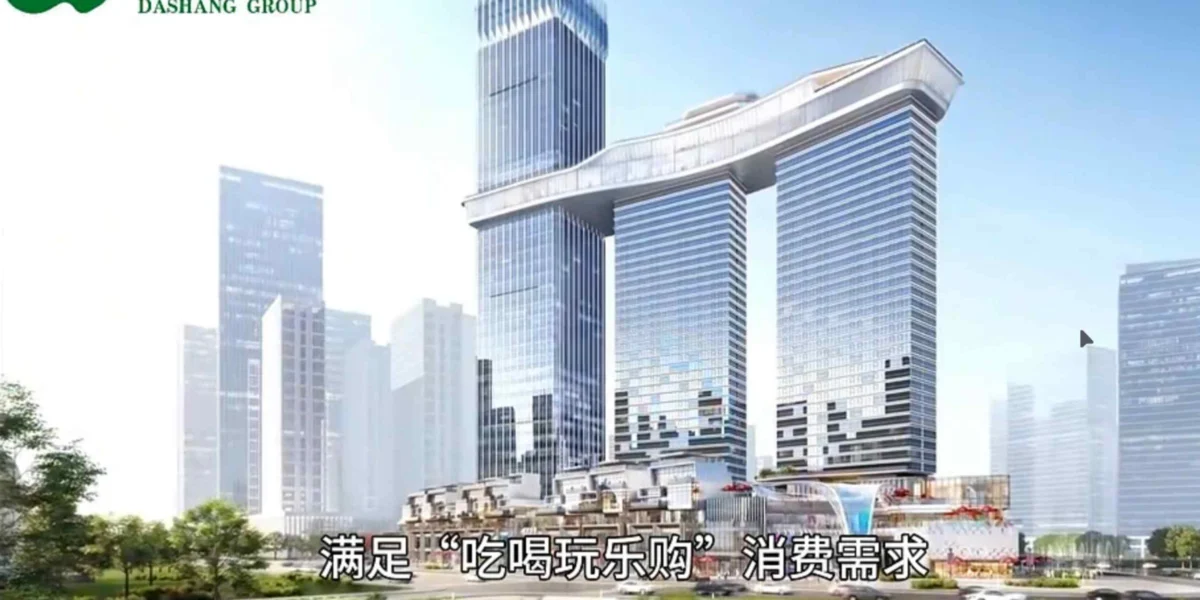
Construction has commenced on an expansive commercial and entertainment complex in the bustling coastal city of Dalian, China, a project poised to significantly reshape the retail and leisure landscape of Northeast China. Promotional materials accompanying the groundbreaking ceremony explicitly state the development’s ambition to "meet all consumer needs from eating and drinking to entertainment and shopping," signaling a comprehensive approach to attracting and retaining consumers in an increasingly competitive market. The initiative, spearheaded by yet-to-be-fully-identified developers, represents a substantial investment in Dalian’s economic future and its aspiration to solidify its position as a premier regional hub.
A Strategic Undertaking in a Pivotal Location
The choice of Dalian as the site for this ambitious development is strategically significant. Located on the Liaodong Peninsula, Dalian boasts a rich history as a key port city and a vital economic gateway for Northeast China. Its strategic position has historically facilitated trade and cultural exchange, and in recent years, the city has been a focal point for revitalization efforts aimed at boosting its economic dynamism. The proposed complex is situated in a prime area, reportedly with excellent transportation links and proximity to both established residential districts and emerging commercial zones. This advantageous location is expected to ensure high foot traffic and accessibility for a broad demographic of consumers.
The project’s scale is reportedly immense, with preliminary reports suggesting a total development area that will encompass a vast array of retail outlets, dining establishments, entertainment venues, and potentially even residential or hospitality components. While specific details regarding the exact size and the full spectrum of planned facilities remain under wraps, the overarching theme is one of integration and comprehensiveness, aiming to create a one-stop destination for a wide range of consumer activities. This holistic approach mirrors global trends in urban development, where mixed-use complexes are increasingly favored for their ability to foster vibrant community spaces and drive economic activity.
The Genesis of a Mega-Project: A Timeline of Development
While the current groundbreaking marks the physical commencement of construction, the conceptualization and planning phases for such a large-scale project would have spanned several years. Discussions and feasibility studies likely began as early as 2022 or 2023, following Dalian’s continued economic recovery and its inclusion in broader national development strategies for Northeast China.
Early 2022 – 2023: Initial planning and conceptualization. Developers and city officials would have engaged in preliminary discussions, site assessments, and market research to gauge the viability of such a substantial investment. This phase would have involved identifying potential land parcels and assessing their suitability based on infrastructure, accessibility, and market demand.
Late 2023 – Mid 2024: Feasibility studies and preliminary design. Detailed market analysis, environmental impact assessments, and preliminary architectural designs would have been undertaken. This period would also have involved securing initial funding and engaging with regulatory bodies for approvals. Discussions with potential anchor tenants, including major retail brands and entertainment providers, may have also begun.
Late 2024 – Early 2025: Securing final approvals and financing. This crucial stage would involve obtaining all necessary permits from local and provincial government authorities, as well as finalizing major financial commitments from investors. Public consultations or environmental impact review processes may have been conducted during this period.
Late 2025 – Early 2026: Detailed design and contractor selection. With approvals in hand, detailed architectural and engineering plans would have been finalized. Bidding processes for construction contracts would have been initiated, selecting the firms responsible for the physical construction of the complex.
October 2026: Groundbreaking ceremony. The official commencement of construction, marked by the recent event, signifies the transition from planning to execution. This event often serves as a public declaration of intent and a catalyst for further investor confidence.
Projected Completion: While a definitive timeline for completion has not been released, large-scale commercial complexes of this magnitude typically take anywhere from three to five years to construct. Therefore, the Dalian mega-complex could potentially see its grand opening in late 2029 or 2030.
Supporting Data and Market Dynamics
The investment in a complex of this scale is not without its underlying economic rationale. Dalian’s demographic profile and economic trajectory present a compelling case for such a development. The city boasts a population of over 7 million people, with a significant proportion belonging to the middle and upper-middle classes who represent a growing consumer base with increasing disposable income. Data from China’s National Bureau of Statistics indicates a steady rise in per capita disposable income in Liaoning Province, of which Dalian is a major city, particularly in recent years, signaling a robust demand for quality retail and entertainment experiences.
Furthermore, Dalian’s status as a major tourist destination, both domestically and internationally, further bolsters the case for a comprehensive entertainment and shopping hub. The city attracts millions of visitors annually, drawn by its coastal scenery, historical sites, and burgeoning cultural scene. A well-developed commercial complex would cater not only to local residents but also to this significant influx of tourists, providing them with a centralized location for leisure and retail activities.
The existing retail landscape in Dalian, while developed, may have room for a more integrated and modern offering. While the city has several existing shopping malls and commercial districts, the proposed complex aims to differentiate itself through its sheer scale and its promise of a seamless blend of dining, entertainment, and shopping. This "experiential retail" model, which emphasizes creating engaging and memorable experiences for consumers beyond mere transactions, is a growing trend globally and within China. Success in this area will depend on the developers’ ability to attract a diverse mix of international and domestic brands, as well as innovative entertainment concepts.
Official Responses and Stakeholder Reactions
While specific official statements from the developers themselves have been limited to the promotional tagline, the commencement of construction on such a significant project typically involves close collaboration with local and provincial government bodies. It is highly probable that Dalian’s municipal government, and potentially the provincial government of Liaoning, have provided significant support and approvals for this venture. Such large-scale developments are often viewed as key drivers of economic growth, job creation, and urban modernization, aligning with national and regional development strategies.
One can infer that city officials would have expressed optimism regarding the project’s potential to enhance Dalian’s appeal as a commercial and tourist destination. Statements from relevant government agencies might highlight the anticipated economic benefits, including increased tax revenues, job opportunities during construction and operation, and a boost to Dalian’s overall competitiveness within Northeast China. The city’s commitment to improving infrastructure, such as transportation networks and utilities, would likely be emphasized as a prerequisite for the successful realization of such a complex.
Reactions from existing businesses in Dalian are likely to be mixed. While some may view the new complex as a positive development that will attract more consumers to the city, others, particularly smaller independent retailers or entertainment venues, might express concerns about increased competition. However, the developers’ stated aim to "meet all consumer needs" suggests a broad appeal that could potentially draw new crowds to the city, benefiting the wider retail ecosystem. The success of the complex will hinge on its ability to offer unique value propositions that complement, rather than simply cannibalize, existing offerings.
Broader Impact and Implications for Northeast China
The Dalian mega-complex represents more than just a new shopping mall; it symbolizes a broader ambition for regional economic resurgence. Northeast China, historically an industrial heartland, has been undergoing a period of economic transition, seeking to diversify its economy and attract new investment. Developments like this can serve as powerful catalysts for such transformation.
Economic Diversification: By focusing on consumer-centric industries like retail and entertainment, the project contributes to Dalian’s efforts to move beyond its traditional industrial base. This diversification can create a more resilient and dynamic local economy.
Job Creation: The construction phase alone will generate thousands of temporary jobs. Upon completion, the complex will require a substantial workforce for its operation, encompassing roles in retail, hospitality, management, security, and entertainment, providing significant employment opportunities for local residents.
Regional Hub Status: The success of this complex could elevate Dalian’s status as a premier destination for commerce and leisure not only within Liaoning Province but also across Northeast China. This could attract further investment in related sectors and bolster Dalian’s position as a regional economic engine.
Consumer Experience Enhancement: The promise of a comprehensive, integrated consumer experience could set new benchmarks for retail and entertainment offerings in the region, potentially driving innovation and improvements across the sector.
Challenges and Considerations:
However, the project also faces potential challenges. Intense competition within the Chinese retail market is a significant factor. The developers will need to meticulously curate a tenant mix that offers genuine novelty and appeal. Furthermore, the long-term success will depend on adapting to evolving consumer preferences and the ongoing digital transformation of retail. Ensuring sustainable operational practices and maintaining a positive environmental footprint will also be crucial. The project’s impact on existing urban infrastructure, such as traffic flow and public utilities, will require careful management and potential upgrades.
In conclusion, the groundbreaking of Dalian’s massive commercial complex marks a significant moment in the city’s development and the broader economic narrative of Northeast China. Its success, predicated on fulfilling its ambitious promise to cater to a wide spectrum of consumer needs, could herald a new era of economic dynamism and enhanced lifestyle offerings for the region. The coming years will reveal whether this ambitious undertaking can truly redefine the consumer landscape as envisioned by its developers.