Lina Wu
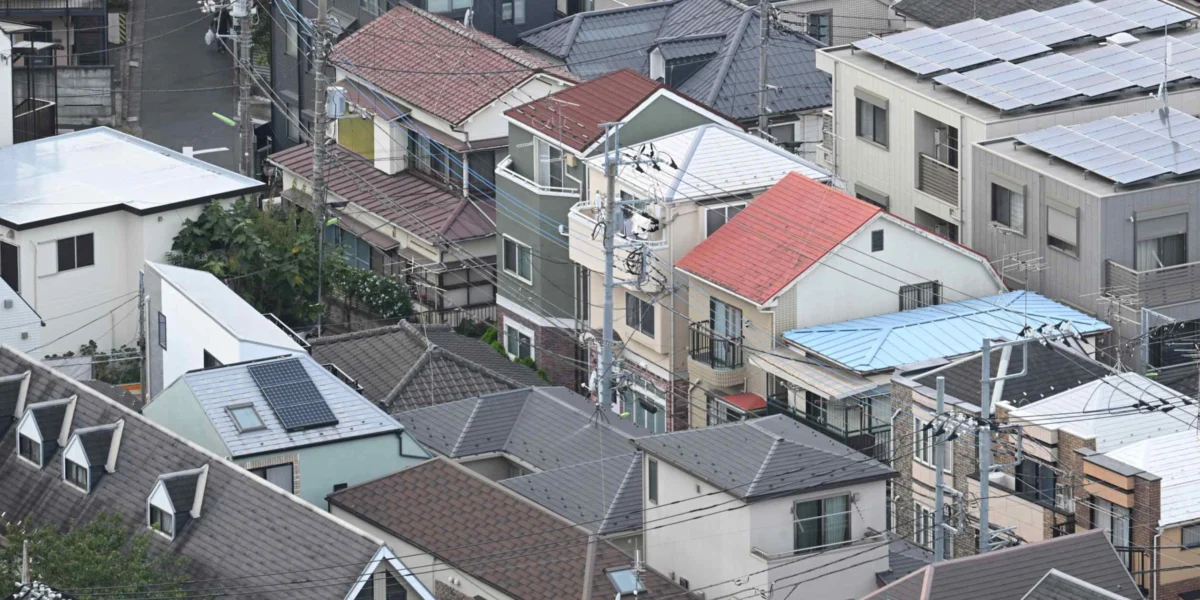
TOKYO — The Japanese government is actively exploring the implementation of a new tax regime targeting income generated from real estate rental and parking lot businesses operated within Japan by overseas residents. This proposed measure stems from a growing concern over what is perceived as an inequitable tax landscape, exacerbated by the increasing number of foreign individuals and entities acquiring Japanese property for rental purposes. The move signifies a significant policy consideration aimed at ensuring tax fairness and potentially bolstering government revenue in an evolving property market.

The Rise of Foreign Property Ownership and Rental Income
Recent years have witnessed a discernible uptick in foreign investment in Japanese real estate. This trend is not solely driven by individuals seeking residential properties or vacation homes; a substantial portion of this investment is directed towards acquiring properties with the explicit intention of generating rental income. This includes residential units, commercial spaces, and even parking lots, which are particularly in demand in densely populated urban areas. The allure for foreign investors often lies in Japan’s relatively stable property market, attractive yields in certain segments, and the potential for capital appreciation.
However, this surge in foreign-owned rental businesses has presented a challenge for the Japanese tax authorities. While Japanese residents operating similar businesses are subject to income tax on their earnings, overseas residents have, in many instances, been able to circumvent these obligations, leading to a perceived imbalance in the tax burden. This situation has prompted calls for a more comprehensive and equitable approach to taxation.

Background and Rationale for the Proposed Tax
The consideration of taxing overseas residents’ rental income is rooted in the principle of territorial taxation, where income earned within a country’s borders is typically subject to its tax laws. Historically, enforcement and collection mechanisms for foreign-based entities operating in Japan have been complex. This complexity, coupled with the increasing sophistication of international investment structures, has created loopholes that some foreign property owners have exploited.
The rationale behind the proposed tax is multifaceted. Primarily, it seeks to rectify what is seen as an unfair advantage enjoyed by foreign investors over their domestic counterparts. By bringing rental income earned by overseas residents under the Japanese tax umbrella, the government aims to level the playing field and ensure that all businesses contributing to the Japanese economy also contribute to its tax base.

Furthermore, the measure is expected to generate additional revenue for the Japanese government. As the real estate sector, particularly the rental market, continues to grow, the potential tax yield from this segment of foreign investment could be substantial. This revenue could then be allocated towards public services, infrastructure development, or other national priorities.
Potential Chronology of Policy Development
While the exact timeline for the implementation of such a tax is not yet finalized, the government’s current consideration suggests a process that would likely involve several stages:

- Initial Policy Review and Discussion: The concept has been under discussion within relevant government ministries, including the Ministry of Finance and the Ministry of Land, Infrastructure, Transport and Tourism, for some time. This phase involves assessing the legal framework, potential economic impacts, and administrative feasibility.
- Public Consultation and Stakeholder Engagement: Before any definitive policy is enacted, it is customary for the Japanese government to engage in public consultations. This would involve seeking input from industry associations, real estate professionals, legal experts, and potentially representatives of foreign investor groups.
- Legislative Proposal and Parliamentary Approval: If the policy moves forward, a formal legislative proposal would be drafted and submitted to the National Diet for debate and approval. This process can take several months to over a year, depending on the complexity of the legislation and parliamentary schedules.
- Implementation and Enforcement: Following legislative approval, detailed regulations and enforcement mechanisms would be established. This would likely involve collaboration with international tax authorities to ensure effective collection and prevent evasion.
Given the current stage of "consideration," it is plausible that a formal proposal could emerge within the next one to two years, with potential implementation following thereafter.
Supporting Data and Market Trends
To understand the significance of this policy consideration, it is helpful to examine relevant market data:

- Foreign Direct Investment in Real Estate: While specific, up-to-the-minute figures for foreign investment solely in rental properties are often aggregated with broader real estate investments, trends in foreign direct investment (FDI) into Japan’s real estate sector provide an indicator. Reports from organizations like the Japan External Trade Organization (JETRO) have highlighted growing interest from overseas investors in Japanese property.
- Rental Yields: In major Japanese cities like Tokyo, Osaka, and Fukuoka, rental yields for apartments and commercial spaces can range from 3% to 7%, depending on the location, property type, and market conditions. These attractive yields are a significant draw for investors seeking passive income.
- Growth in the Rental Market: The demand for rental properties in Japan remains robust, driven by urbanization, a significant population of young professionals, and a cultural preference for renting in certain demographics. This sustained demand underpins the profitability of rental businesses.
- Cross-Border Transactions: The increasing ease of cross-border transactions, facilitated by online platforms and international real estate agencies, has made it simpler for foreigners to acquire and manage properties in Japan from afar.
The increasing volume of these transactions, many of which are aimed at generating rental income, underscores the growing need for the Japanese government to address the associated tax implications.
Potential Reactions from Related Parties
The proposed tax measure is likely to elicit varied responses from different stakeholders:

- Japanese Real Estate Industry: Domestic real estate developers, agents, and property management companies might welcome the move, as it could create a more competitive and equitable market. If foreign investors face similar tax obligations, it could reduce any perceived disadvantage for domestic businesses.
- Foreign Investors: Overseas individuals and entities currently benefiting from what could be considered tax loopholes would likely express concern. They might argue that the proposed tax could increase their operational costs, potentially impacting investment decisions. Some might also point to the complexities of international tax compliance.
- Tax Experts and Legal Professionals: These groups would be instrumental in advising on the technical aspects of the tax implementation, including definitions of taxable income, residency status, and potential double taxation treaties. They may also highlight the administrative challenges in enforcing such a tax.
- Japanese Government Ministries: Beyond the Ministry of Finance, other ministries such as the Ministry of Land, Infrastructure, Transport and Tourism would be involved in assessing the impact on the broader real estate market and ensuring that the tax does not unduly stifle legitimate foreign investment that contributes to economic growth.
Analysis of Implications and Broader Impact
The introduction of a tax on overseas residents’ rental income could have several significant implications:
- Increased Tax Revenue: As mentioned, a primary implication is the potential for increased tax revenue for the Japanese government, which could bolster public finances.
- Market Rebalancing: By leveling the tax playing field, the measure could lead to a more balanced competitive landscape within the Japanese real estate market. This might encourage more strategic and less tax-driven investment decisions.
- Administrative Complexity: Enforcing a tax on income earned by non-residents can be administratively complex. The Japanese tax authorities would need to develop robust mechanisms for identification, assessment, and collection, potentially requiring international cooperation.
- Investment Flow Adjustments: While the goal is not to deter all foreign investment, such a tax could lead some overseas investors to re-evaluate their strategies. Investors focused purely on maximizing rental income might face reduced profitability, potentially leading to a shift towards other types of investments or a reassessment of their Japanese property portfolios.
- Reinforcement of Tax Principles: The move would reinforce the principle that income generated within a nation’s borders should contribute to that nation’s tax base, regardless of the investor’s residency. This aligns with international taxation norms.
- Potential for Tax Treaties and Agreements: The implementation of such a tax might necessitate further review and potential renegotiation of existing double taxation treaties between Japan and various countries to avoid unintended consequences for legitimate investors.
In conclusion, Japan’s consideration of taxing rental and parking lot income earned by overseas residents represents a strategic policy shift aimed at ensuring tax equity and potentially enhancing government revenue. As the foreign property ownership trend continues, this proposed measure reflects the government’s commitment to adapting its fiscal policies to a dynamic global investment landscape. The success of this initiative will hinge on careful implementation, effective enforcement, and ongoing dialogue with all relevant stakeholders to ensure a fair and sustainable outcome for both the Japanese economy and international investors.