Lina Wu
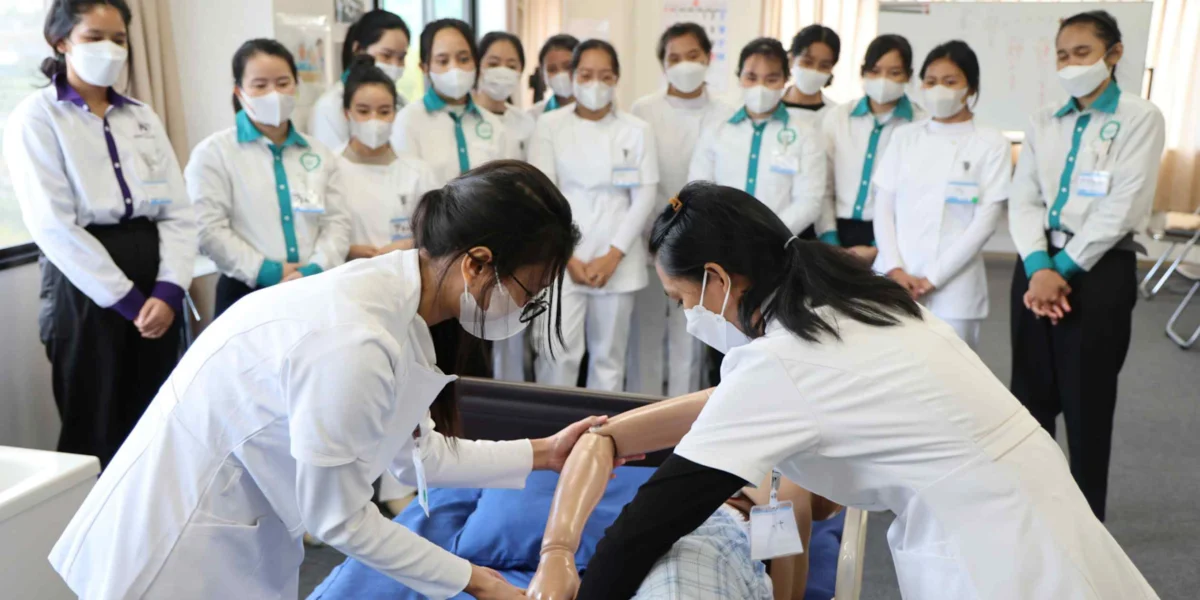
Japan is set to introduce a new mobile application designed to assist foreign nationals in preparing for the national caregiver certification exam. This initiative comes as the country grapples with a severe and deepening labor shortage in the healthcare and eldercare sectors, further exacerbated by a concerningly low pass rate for the crucial certification test and the impending expiration of a grace period for foreign workers. The government’s move underscores the urgent need to bolster the foreign workforce in a field critical to the nation’s aging population.
The Looming Crisis: A Deepening Labor Crunch
The demographic landscape of Japan presents a stark challenge. With one of the world’s oldest populations and a declining birthrate, the demand for eldercare services has surged dramatically. This has placed immense pressure on the existing workforce, leading to burnout, understaffing, and a decline in the quality of care provided. The situation is projected to worsen significantly in the coming years, as the Baby Boomer generation, the largest demographic cohort, enters advanced old age.
The caregiver sector, in particular, is facing an unprecedented crisis. The work is physically and emotionally demanding, often involving long hours and relatively low pay compared to other industries. This has historically made it difficult to attract and retain Japanese workers, prompting successive governments to look towards international recruitment as a vital solution.
Foreign Nationals: A Crucial Pillar of the Caregiver Workforce
In recent years, Japan has made efforts to open its doors to foreign workers in various sectors, including caregiving. The introduction of the Specified Skilled Worker (SSW) visa program in 2019 was a significant step, allowing individuals with specific skills to work in Japan for extended periods. Caregiving was identified as one of the priority fields for this program.
However, the success of these initiatives hinges on the ability of foreign nationals to obtain the necessary certifications. The national caregiver certification exam, a mandatory requirement for many roles within the sector, has emerged as a significant bottleneck. The recent figures reveal a deeply concerning trend: a pass rate hovering in the low 30% range. This means that for every 100 foreign nationals attempting the exam, only about 30 are successful. This low success rate directly impedes the flow of qualified caregivers into the Japanese workforce, undermining the government’s efforts to address the labor shortage.
The data further highlights the reliance on foreign talent. In fiscal year 2025, nearly 60% of the approximately 8,000 students who entered Japan’s caregiver training schools were foreign nationals. This statistic underscores the indispensable role that international trainees play in filling the vocational training pipeline for the caregiving sector. If these students cannot pass the national exam, the pipeline effectively dries up, leaving the industry in an even more precarious position.
The App: A Strategic Response to a Critical Need
The planned launch of a test-preparation app is a direct response to this critical juncture. The app aims to provide foreign nationals with accessible and comprehensive study materials, practice questions, and potentially even simulated exam environments. By digitizing and centralizing learning resources, the government hopes to:
- Increase Accessibility: Provide study materials that can be accessed anytime, anywhere, overcoming geographical and logistical barriers that might hinder traditional classroom learning.
- Improve Quality of Preparation: Offer structured and targeted learning modules that address the specific challenges and content of the national exam.
- Enhance Engagement: Utilize interactive features to make the learning process more engaging and effective, potentially leading to higher retention rates and better comprehension.
- Standardize Learning: Ensure that all foreign nationals have access to a consistent and high-quality level of preparation, regardless of their location or the specific training institution they attend.
The development of such an app reflects a pragmatic approach to problem-solving, leveraging technology to address a tangible deficit in the existing support system for foreign workers. It acknowledges that simply bringing more individuals to Japan is insufficient if they are unable to meet the qualification requirements.
Background and Chronology of Policy Shifts
Japan’s approach to foreign labor has evolved significantly over the past few decades. Initially, the country maintained a largely restrictive immigration policy, with limited pathways for foreign workers. However, the undeniable demographic shifts and the economic implications of an aging population and shrinking workforce have necessitated a gradual recalibration of these policies.
- Early 2000s: Growing awareness of demographic challenges and labor shortages in specific sectors. Initial, limited programs for "technical interns" were in place, but these were often criticized for low wages and poor working conditions.
- 2019: The introduction of the Specified Skilled Worker (SSW) visa program marked a more significant opening. This program was designed to accept workers in 14 sectors facing severe labor shortages, including nursing care. The SSW visa allows for a longer stay and offers better working conditions and social security compared to previous programs.
- Post-2019: Increased recruitment of foreign nationals into caregiver training programs under the SSW framework. However, challenges with the national certification exam quickly became apparent.
- Present: The government recognizes the urgent need to improve the success rate of the national caregiver exam for foreign nationals. The development of a dedicated app is a direct policy response to this recognized deficiency.
The grace period mentioned in the article likely refers to the initial allowance for foreign workers under certain visa categories to gain experience and undergo training before a more stringent qualification requirement takes full effect. The approaching end of this period suggests a critical deadline for many foreign nationals to obtain their certification, further amplifying the urgency of the current situation.
The Implications of the App and the Ongoing Challenge
The introduction of the caregiver training app is a positive development, but it is crucial to view it within the broader context of the challenges facing Japan’s care sector.
Potential Benefits:
- Increased Certification Rates: A well-designed app could significantly improve the pass rate for the national exam, leading to a more robust influx of qualified foreign caregivers.
- Faster Integration: By providing standardized preparation, the app could help foreign nationals integrate more smoothly into the Japanese workforce.
- Reduced Training Costs: Digital resources can be more cost-effective than traditional training methods, potentially benefiting both individuals and training institutions.
- Empowerment of Foreign Workers: Accessible learning tools can empower foreign nationals to take greater control of their career development in Japan.
Broader Context and Remaining Challenges:
- Exam Difficulty and Cultural Nuances: While an app can aid preparation, the fundamental difficulty of the exam and potential cultural nuances in understanding care practices in Japan remain significant hurdles. The exam likely assesses not only technical skills but also comprehension of Japanese societal norms and communication styles relevant to caregiving.
- Language Proficiency: While the app might be designed with multilingual support, a high level of Japanese language proficiency is essential for effective communication with patients, families, and colleagues. The app’s effectiveness will be partly dependent on its ability to bridge language gaps.
- Working Conditions and Compensation: Even with improved certification rates, the underlying issues of demanding work, long hours, and relatively modest compensation in the caregiving sector may continue to affect retention rates. Addressing these systemic issues is paramount for long-term sustainability.
- Accreditation and Quality Control: Ensuring that the app’s content is accurate, up-to-date, and aligned with the official exam syllabus will be crucial. Quality control and regular updates will be necessary.
- Beyond Certification: While certification is a critical step, ongoing professional development and support systems for foreign caregivers are also essential for their success and well-being in Japan. This includes mentorship, cultural integration programs, and access to mental health support.
The government’s proactive step in developing this app signifies a commitment to addressing the caregiver shortage through innovative means. However, the success of this initiative will ultimately be measured by its tangible impact on the pass rates of foreign nationals and its contribution to a more stable and sufficient caregiving workforce, capable of meeting the evolving needs of Japan’s aging society. The journey to a sustainable solution requires a multi-faceted approach, with technological tools like this app serving as a vital, albeit partial, component of a larger strategy.