Farhan Pambudi

The window for early-stage companies to secure a physical presence at one of the world’s most influential technology conferences is rapidly closing, with exhibit bookings for TechCrunch Disrupt 2026 set to conclude in less than 24 hours. Founders and entrepreneurs have until 11:59 p.m. PT tonight, October 2, to claim their space within the Expo Hall at San Francisco’s Moscone West, or until the remaining inventory of exhibit tables is fully exhausted. This final call marks a critical juncture for startups aiming to position themselves before an estimated audience of over 10,000 founders, investors, operators, and industry leaders who will descend upon the city from October 13-15.
The urgency of the deadline underscores the competitive nature of the modern tech ecosystem, where physical visibility often translates into tangible venture interest and strategic partnerships. As the primary hub of the three-day event, the Expo Hall serves as a high-density networking environment designed to facilitate direct interaction between builders and backers. For many emerging companies, the decision to exhibit is less about passive attendance and more about establishing a "home base" to demonstrate product viability and engage in high-stakes deal-making.
The Strategic Importance of the Moscone West Venue
The selection of Moscone West as the venue for TechCrunch Disrupt 2026 is a calculated move that aligns with San Francisco’s enduring status as the global epicenter of venture capital and technological innovation. Despite the rise of remote work and distributed teams, the concentration of capital in the Bay Area remains unparalleled. By hosting the event at Moscone West, organizers are placing startups within walking distance of the world’s largest venture firms and corporate headquarters.
Historically, the Expo Hall has functioned as a microcosm of the broader tech market. It is here that early-stage companies often find their first enterprise clients or secure the initial conversations that lead to Series A or B funding rounds. The 2026 iteration of the event arrives at a time when the "flight to quality" remains a dominant theme in investment circles. Investors are increasingly looking for startups that can demonstrate not just a vision, but a functional product and a clear path to scale. Having a dedicated exhibit table allows founders to provide live demonstrations, addressing the skepticism of a more discerning investor class.

Comprehensive Exhibit Package and Founder Benefits
The exhibit table package is structured to maximize a startup’s return on investment over the three-day period. Beyond the physical real estate in the Expo Hall, the package includes ten team passes, providing broad access for staff to engage with the various stages and networking sessions. This is particularly valuable for companies looking to train junior staff in the art of the "pitch" or for those seeking to divide and conquer the 200+ sessions scheduled throughout the week.
In addition to physical access, exhibitors gain entry to several digital and logistical tools designed to streamline the networking process. These include:
- Lead-Generation Tools: Integrated through the official event application, these tools allow exhibitors to capture and categorize contact information from booth visitors, ensuring that the momentum generated during the event can be converted into a follow-up pipeline.
- Press List Access: Exhibitors are granted access to the TechCrunch Disrupt press list, a curated directory of journalists, analysts, and influencers covering the tech sector. This provides a direct channel for companies to pitch their stories and seek earned media coverage.
- Branding and Recognition: The package includes Silver Tier branding recognition across the event’s website and mobile app, increasing brand impressions before the attendee even sets foot on the convention floor.
- Technical Support: Partner Wi-Fi and logistical support are provided to ensure that live demos—often the most fragile part of a startup’s presentation—run without technical interruptions.
Historical Context and the Legacy of Disrupt
To understand the stakes of the October 2nd deadline, one must look at the historical trajectory of TechCrunch Disrupt. Since its inception, the conference has served as a launchpad for companies that have gone on to redefine their respective industries. Notable alumni of the Disrupt stage and Expo Hall include companies like Dropbox, Mint, and Fitbit—entities that utilized the platform to gain early traction and institutional validation.
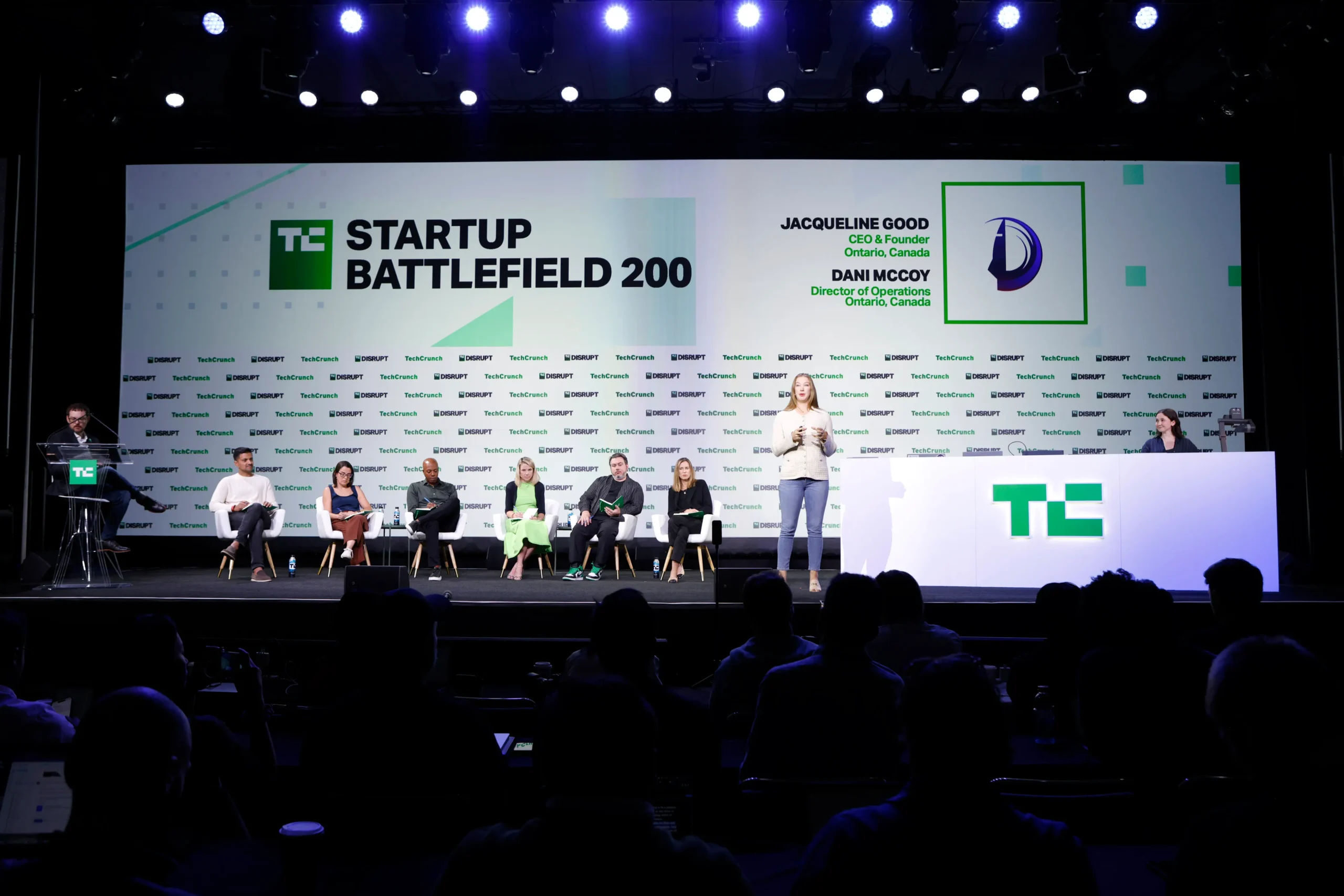
The "Startup Battlefield," a center-piece competition of the event, has historically seen its participants raise billions of dollars in aggregate funding. While the exhibit hall is separate from the main stage competition, the proximity to the Battlefield 200—the top 200 startups selected by TechCrunch editors—creates a halo effect for all exhibitors. The concentration of talent attracts a high-caliber attendee profile, including general partners from top-tier VC firms who frequent the floor in search of the next "unicorn."
Data-Driven Networking and AI Integration
A significant evolution for the 2026 event is the integration of AI-powered matchmaking. In an era where 10,000 attendees can make meaningful connections difficult to find, the TechCrunch Disrupt app utilizes machine learning algorithms to suggest meetings based on industry sectors, funding stages, and specific business needs. For exhibitors, this means the foot traffic to their tables is increasingly pre-qualified.

Data from previous years suggests that the most successful exhibitors are those who leverage these digital tools in tandem with their physical presence. By booking a table, a startup essentially pins its location on a digital map that investors use to navigate the hall. This hybrid approach to networking—combining algorithmic efficiency with the nuance of face-to-face interaction—is a hallmark of the modern Disrupt experience.
The Broader Impact on the Startup Ecosystem
The October 13-15 event is set against a backdrop of a stabilizing but rigorous venture environment. In 2026, the emphasis for many startups has shifted from "growth at all costs" to sustainable scaling and operational efficiency. Disrupt provides a forum for these discussions to take place outside of formal boardroom settings.
The conference features six industry-specific stages, covering sectors such as Artificial Intelligence, SaaS, Fintech, Healthtech, and Sustainability. For exhibitors, being situated near these specialized stages allows them to capture an audience that is already primed for their specific niche. For instance, a founder exhibiting a new AI-driven logistics tool benefits significantly from being in the vicinity of the AI stage, where keynote speakers may be discussing the very problems the founder’s product aims to solve.
Options for General Attendees and Co-Founders
For those who choose not to exhibit, TechCrunch Disrupt 2026 still offers a robust schedule of 200+ sessions and 250+ speakers. The programming is designed to provide practical insights into the mechanics of building and funding a company in the current climate. Topics range from navigating the regulatory hurdles of emerging tech to optimizing the founder-investor relationship.
Recognizing the collaborative nature of startups, organizers have implemented a pricing structure that encourages team attendance. General admission tickets are currently available with a 50% discount for co-founders, partners, or peers when purchased together. Groups of four or more are eligible for additional discounts, reflecting the event’s goal of being an inclusive gathering for the entire startup community.

Final Call: A 24-Hour Window for Action
As the clock ticks toward the 11:59 p.m. PT deadline on October 2, the opportunity to be a central part of the TechCrunch Disrupt 2026 Expo Hall is reaching its end. The event represents more than just a marketing opportunity; it is a three-day immersion into the heart of the global tech conversation. For founders, the question is whether their company will be a visible participant in that conversation or a spectator from the sidelines.
The Expo Hall is where products are stress-tested by peers, where business models are scrutinized by investors, and where the next major partnership may begin with a simple handshake. With exhibit tables selling out and the deadline looming, the final hours of October 2 represent the last chance for startups to secure their place at the center of the action in San Francisco this October.