Ella Zulfa
McDonald’s, the undisputed titan of the fast-food industry, has launched its most extensive training program in the company’s history, a multifaceted initiative designed to re-engage customers who have increasingly diversified their dining habits, often opting out of frequent fast-food visits. This ambitious undertaking aims to recalibrate the fundamental customer experience across its vast global network of restaurants, emphasizing a renewed commitment to quality, operational excellence, and enhanced hospitality. The program underscores a strategic pivot to not only retain existing patrons but also to attract new ones by ensuring that every interaction and every bite of food meets a consistently high standard.
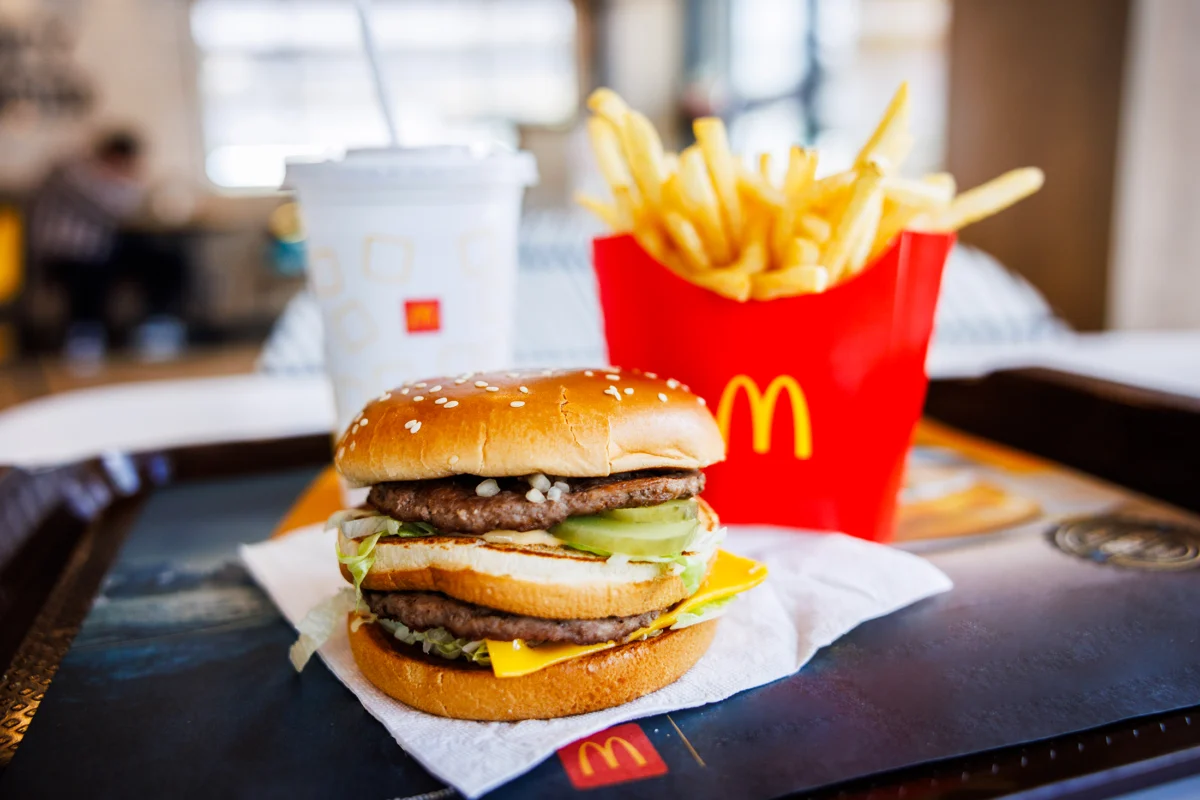
At the core of this monumental training effort is a surprisingly simple yet profoundly impactful exercise: teaching employees to discern the difference between a "gold standard" Big Mac and one that falls short. This hands-on approach is part of a broader strategy to imbue every team member with a keen understanding of McDonald’s quality benchmarks. Chief People Officer Tiffanie Boyd articulated the rationale behind this sensory training, stating, "If you taste a Big Mac that’s made to the standard, you can tell the difference between that and one that’s not quite to standard. It’s different if you actually experience that.” This experiential learning method is intended to cultivate a deeper sense of ownership and pride among staff regarding the product they serve, ultimately translating into a superior customer experience.
The "Next" Strategy: A Multifaceted Approach to Revitalization
This comprehensive training program is a cornerstone of McDonald’s overarching "Next" strategy, a forward-looking plan aimed at future-proofing the brand and adapting to evolving consumer preferences and market dynamics. The "Next" strategy encompasses several key pillars, including significant investments in restaurant remodels designed to create more modern and inviting dining spaces, the integration of artificial intelligence and advanced technology to streamline operations and enhance customer service, and the introduction of innovative new menu items. Notably, a recent development that could intersect with these efforts is the emergence of GLP-1 medications, which have influenced consumer eating habits, prompting McDonald’s to consider menu adjustments and targeted offerings to cater to this demographic.
The training initiative specifically targets all 2 million McDonald’s restaurant workers worldwide, covering critical areas such as quality standards, effective management techniques, and exemplary customer hospitality. This global reach signifies the strategic importance McDonald’s places on consistent execution across all its markets. The training modules are designed to be adaptable to local nuances while reinforcing universal principles of operational excellence and brand integrity.
Shifting from Inspection to Coaching in the U.S. Market
In a significant operational shift within the United States, McDonald’s is replacing some traditional restaurant inspections with a series of "coaching" visits. This transition, scheduled to continue through March, marks a departure from a purely evaluative approach to a more supportive and developmental one. These coaching sessions prioritize taste and quality as the initial focus, followed by assessments of shift management and overall hospitality. The underlying philosophy is to empower restaurant teams with the knowledge and skills to self-correct and continuously improve, rather than simply identify shortcomings.
This coaching model is rooted in the understanding that a motivated and well-trained workforce is directly correlated with business success. Boyd highlighted the tangible benefits of prioritizing employee engagement and retention, noting that "restaurants in the top 25% for employee engagement and retention generate 15% more sales and 20% more cash flow." This data-driven insight underscores the strategic investment in human capital as a critical driver of financial performance.
Historical Context and the Imperative for Change
The current training initiative is not an isolated event but rather a response to broader market trends and competitive pressures that have impacted the fast-food sector. For years, McDonald’s has faced increased competition from a diverse array of dining options, including fast-casual restaurants, meal kit delivery services, and a growing consumer demand for healthier, more customizable, and ethically sourced food. While McDonald’s has historically dominated the quick-service market, its market share has faced erosion as consumer preferences have shifted.
The COVID-19 pandemic further accelerated these trends, highlighting the resilience of the drive-thru and delivery models but also intensifying the need for a seamless digital and in-store experience. Customers who once relied on fast food for convenience are now seeking a more holistic value proposition that includes quality ingredients, a pleasant atmosphere, and efficient, friendly service. The "Next" strategy, and particularly this training overhaul, represents McDonald’s proactive attempt to address these evolving customer expectations and reclaim lost ground.
The Global Rollout and Its Phases
The implementation of this global training program is a complex logistical undertaking. While specific details of the phased rollout across different regions are still emerging, it is understood that the initial focus will be on core operational competencies and the foundational elements of food quality. The training is being delivered through a variety of methods, likely including in-person workshops, digital learning modules, and on-the-job coaching, tailored to the diverse needs of its international workforce.
The emphasis on taste, for instance, is a qualitative measure that requires a standardized approach to sensory evaluation. This involves training employees on the proper preparation of ingredients, assembly techniques for iconic menu items like the Big Mac, and the critical role of freshness and temperature in delivering optimal flavor. By empowering employees to be the first line of defense in quality control, McDonald’s aims to build a culture of excellence from the ground up.
Supporting Data and Projected Outcomes
The rationale behind such an extensive training investment is bolstered by industry data on the impact of employee experience on customer loyalty and financial performance. Studies by organizations like Bain & Company have consistently shown a strong correlation between employee satisfaction and customer retention. A highly engaged workforce is more likely to provide superior customer service, leading to increased customer satisfaction and repeat business.
For McDonald’s, with its immense scale, even marginal improvements in customer retention can translate into substantial revenue gains. The projection that top-tier employee engagement leads to 15% more sales and 20% more cash flow provides a compelling business case for this investment. Furthermore, in a competitive labor market, a robust training and development program can also serve as a significant differentiator in attracting and retaining talent, mitigating high turnover rates that plague the fast-food industry.
Reactions and Perspectives from Stakeholders
While official statements from McDonald’s executives have been positive and forward-looking, the reaction from franchisees and employees is a crucial element in the program’s success. Franchisees, who operate the vast majority of McDonald’s restaurants globally, are often the direct implementers of such initiatives. Their buy-in and active participation are essential. Early indications suggest a general optimism, with many recognizing the necessity of adapting to changing consumer demands and the potential for improved profitability.
Employees, the direct recipients of the training, are likely to experience a dual impact. On one hand, the enhanced training could lead to greater job satisfaction and a clearer understanding of their roles and responsibilities. On the other hand, the increased focus on quality and performance standards may present new challenges. McDonald’s stated commitment to "coaching" rather than solely "inspecting" is designed to alleviate some of these pressures by fostering a supportive learning environment.
Broader Implications for the Fast-Food Industry
McDonald’s significant investment in employee training has broader implications for the entire fast-food industry. As a market leader, its strategic decisions often set precedents and influence competitor behavior. The emphasis on experiential learning, the shift towards coaching, and the integration of quality control into the daily operations of frontline staff could inspire similar initiatives across other major fast-food chains.
The acknowledgment that "not every Big Mac is created equal" is a candid admission of the challenges inherent in maintaining consistency across a global franchise system. By directly addressing this issue through a comprehensive training program, McDonald’s is not only aiming to improve its own performance but also potentially raising the bar for quality and customer service across the entire sector. This focus on fundamental quality, coupled with technological advancements and strategic menu development, signals a renewed commitment to core principles that have long underpinned the success of the fast-food model, while simultaneously adapting to the demands of the 21st-century consumer. The long-term success of this initiative will hinge on its effective implementation, the sustained commitment of leadership, and its ability to demonstrably improve the customer experience, thereby recapturing the loyalty of a discerning public.