Putri Inara
The digital publishing landscape has reached a point of extreme saturation, with current estimates suggesting there are over 600 million blogs worldwide. As the barriers to entry for online content creation have plummeted, the technical standards for success—once considered the primary hurdles—have become commoditized. Most professional bloggers now utilize advanced Search Engine Optimization (SEO) techniques, mobile-responsive templates, and sophisticated analytics. However, industry analysts observe a growing "homogenization" of content, where many platforms remain technically proficient yet fail to secure a loyal audience. The differentiating factor in the current creator economy is no longer just the quality of information, but the depth of personalization.
Personalization acts as a bridge between cold data and human connection. In a market where Artificial Intelligence can generate well-structured, factually accurate posts in seconds, the human element—personality—has become a premium asset. Market research indicates that 70% of consumers feel more connected to a brand when they can identify the individual or values behind the content. For independent publishers, this "personality gap" is often the reason a blog with high traffic suffers from low engagement or poor conversion rates.

The Evolution of the Personal Brand in Digital Publishing
To understand the necessity of personalization, one must examine the chronology of the blogosphere. In the early 2000s, blogging was primarily a medium for personal diaries (e.g., LiveJournal, Blogger). By the 2010s, the industry shifted toward "niche authority" sites, where the focus was on specific topics and SEO-driven keywords. However, the 2020s have ushered in the era of the "Personal Brand," where the creator is the product. This shift is driven by a consumer desire for authenticity over institutional polish.
Digital marketing experts categorize personalization into several key pillars: visual identity, linguistic tone, and community identification. By examining ten industry leaders who have successfully integrated these pillars, publishers can identify a roadmap for transitioning from a generic information hub to an influential personal brand.
Visual Identity and Aesthetic Differentiation
The visual component of a blog is the first point of contact and often determines a visitor’s "bounce rate." Data suggests that users form an opinion about a website within 0.05 seconds.

Strategic Use of Original Photography
Caz and Craig of YTravel demonstrate the power of authentic visual storytelling. In the travel and lifestyle niches, stock photography has become a liability, signaling a lack of firsthand experience. The YTravel founders utilize high-resolution, candid family photos that place the human experience at the center of the destination. This approach humanizes the brand, transforming travel advice into a shared journey. Professional photographers note that including human subjects in landscape or product shots increases engagement by up to 38% on social platforms.
The Impact of Color Psychology
Jadah Sellner’s platform provides a case study in visual cohesion. Her site utilizes a specific, warm color palette that extends from the website’s UI elements to her personal attire in brand photography. This is a deliberate application of color psychology; earthy tones often evoke feelings of trust, health, and groundedness. By aligning her physical appearance with her brand’s digital aesthetic, Sellner creates a "seamless brand experience" that reduces cognitive dissonance for the reader.
Custom Illustration and the Mascot Effect
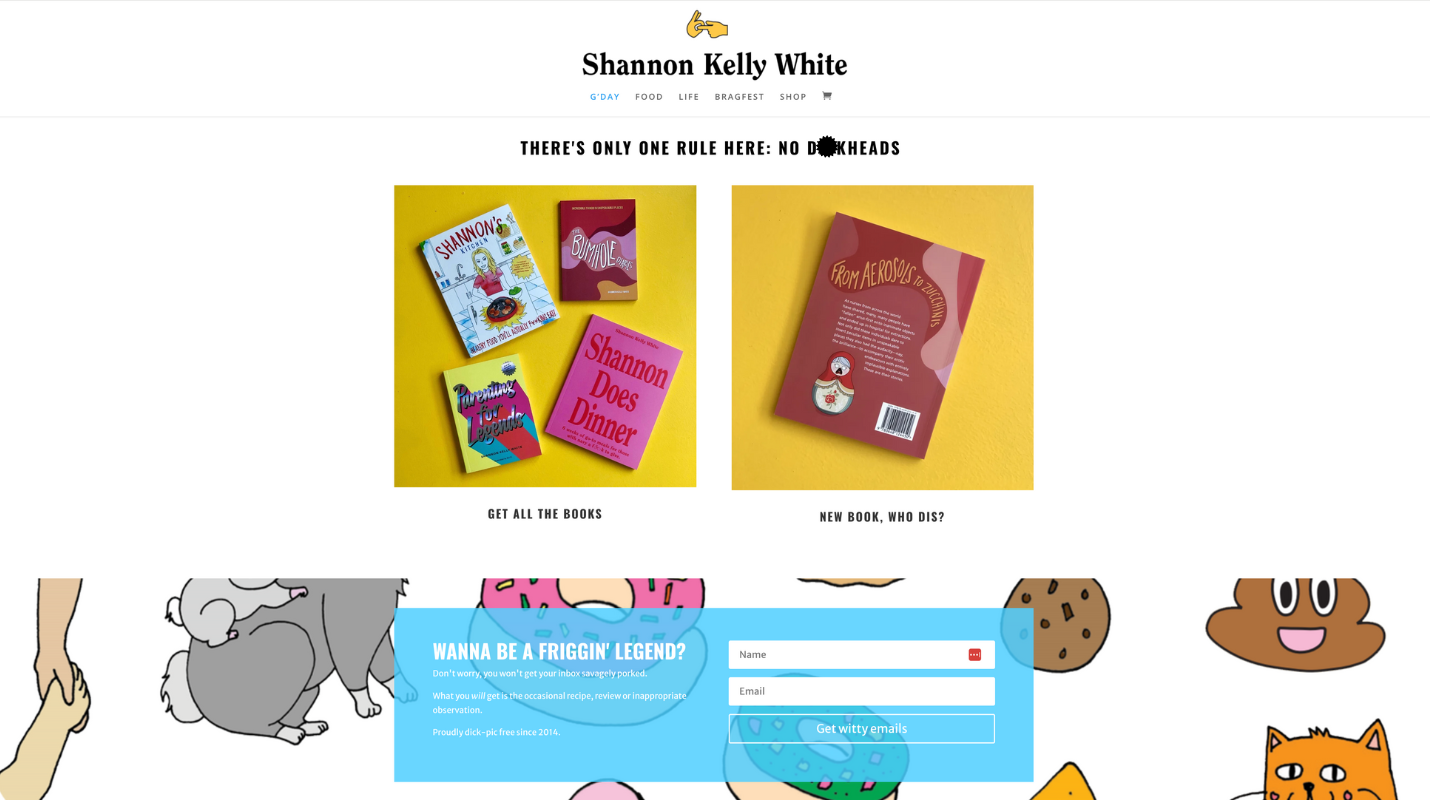
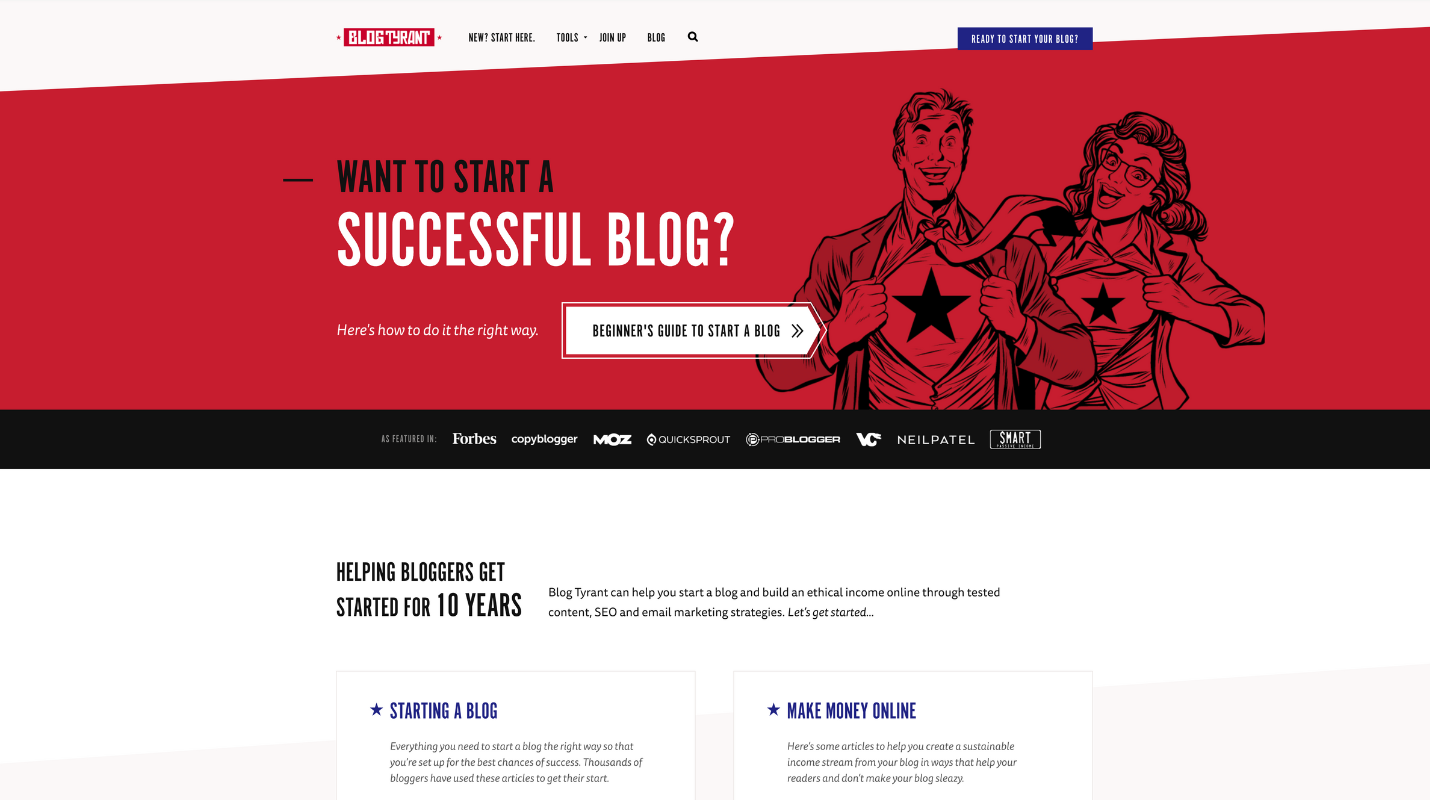
Ramsey of Blog Tyrant employs custom illustrations, specifically a red-shirted superhero avatar, to create a recognizable brand mascot. Research in brand recall shows that characters or avatars can increase brand recognition by 10-12%. This strategy allows the blogger to maintain a consistent presence across various media—from free reports to social media headers—without needing a fresh photo for every context.
Linguistic Tone and the "Niche Filtering" Effect
Beyond visuals, the "voice" of a blog serves as a filter, attracting ideal readers while intentionally repelling those who do not align with the brand’s values.
The Power of Polarization
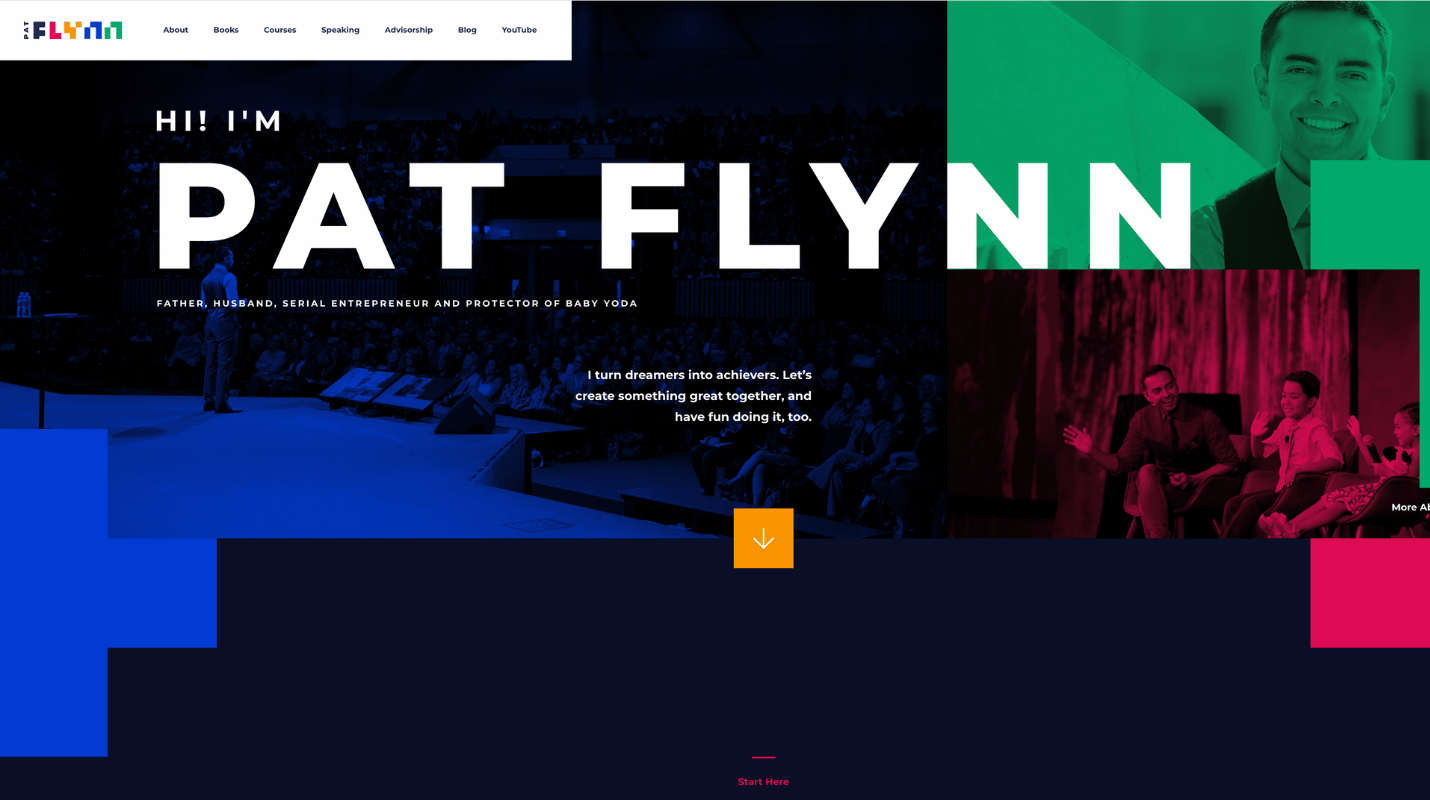
Shannon Kelly White utilizes a "salty" and unfiltered linguistic tone. While the use of profanity or aggressive language is traditionally discouraged in corporate journalism, in the personal blogging space, it serves as a powerful "tribal signal." This tone creates a sense of intimacy and "realness" that resonates with a specific demographic while effectively filtering out readers who would likely not convert into long-term fans. This is known in marketing as "attraction by subtraction."
Brand Statements and Authority
James Schramko of SuperFastBusiness utilizes a direct brand statement that immediately identifies his target audience. By stating clearly who he helps and what he does, he removes ambiguity. From a journalistic perspective, this is the digital equivalent of a "lead" in a news story. It provides the "Who, What, and Why" within the first three seconds of a user’s visit.
Taglines and Calls to Action (CTA)
Kelly Exeter exemplifies the use of a concise tagline and a friction-less CTA. Her approach focuses on the "User Experience" (UX) of personalization. By telling the reader exactly what to expect and providing a "Find Out Here" button, she minimizes the "paradox of choice," a psychological phenomenon where too many options lead to user paralysis.
Building Parasocial Relationships and Community
The final stage of personalization involves moving from a one-way broadcast to a two-way community.
The "About Page" as a Conversion Tool
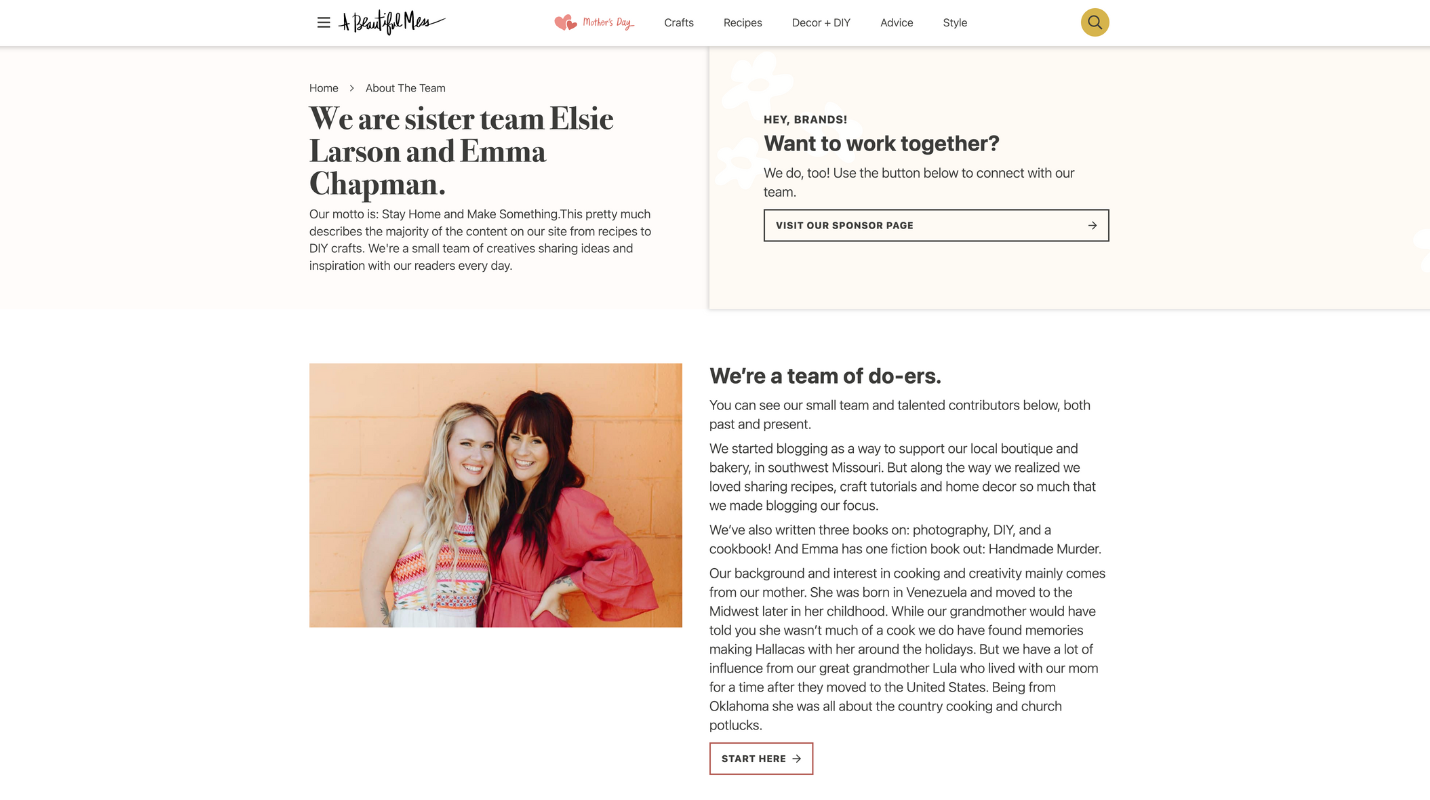
Elsie and Emma of A Beautiful Mess treat their "About" page not as a dry resume, but as a gateway to a lifestyle. Data from several blogging platforms show that the "About" page is frequently the second or third most visited page on a site. By using bold photography and a catchy introduction, they convert a casual visitor’s curiosity into a personal connection.
Omnichannel Consistency
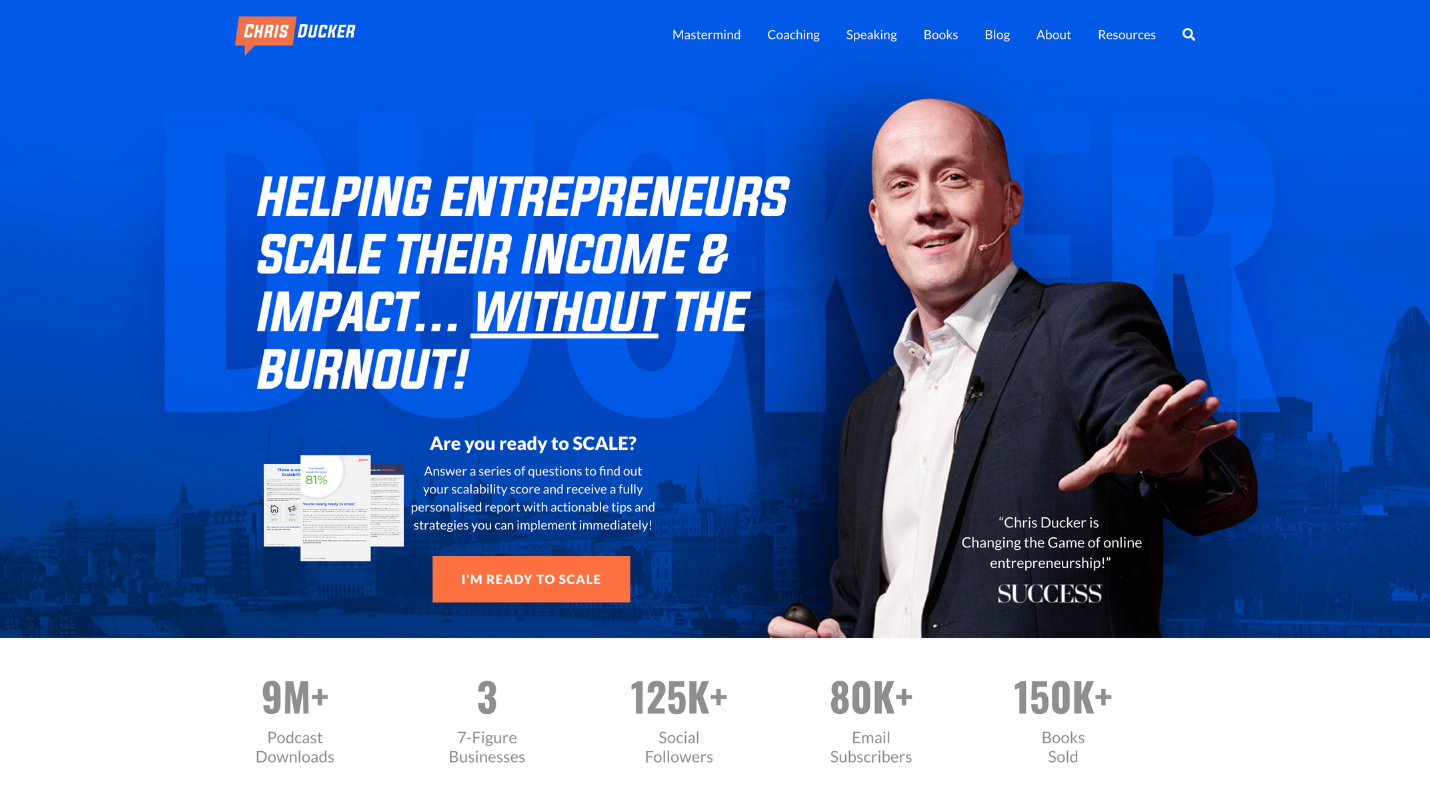
Chris Ducker emphasizes the importance of consistency across all touchpoints. By using the same professional headshots and tone across his blog, Twitter, Facebook, and LinkedIn, he builds "brand equity." In a fragmented digital landscape, this consistency ensures that the reader recognizes the creator regardless of the platform, reinforcing the "Parasocial Interaction" (PSI) where the audience begins to feel they know the creator personally.
Identity Marketing and Audience Definition
Emily Prokop of Puttylike utilizes a unique psychological approach: defining the reader. By popularizing the term "Multipotentialite," she gives her audience a label and a sense of belonging. Her use of a quiz ("Are You a Multipotentialite?") serves as a sophisticated lead magnet. This is a form of "Identity Marketing," where the product or content becomes a part of the consumer’s self-concept.
Data-Driven Analysis of Personalization Trends
The shift toward hyper-personalization is supported by significant industry data. According to a report by Epsilon, 80% of consumers are more likely to make a purchase from a brand that offers personalized experiences. Furthermore, the "State of the Creator Economy" report indicates that creators who focus on "community-led growth"—which relies heavily on personal connection—saw a 25% higher revenue growth in 2023 compared to those focusing solely on ad revenue.
Market analysts suggest that the rise of AI-generated content will only accelerate this trend. As the internet becomes flooded with "perfectly optimized" but soulless text, human idiosyncrasies, humor, and even flaws become valuable markers of authenticity.
Broader Implications for the Future of Media
The success of these ten bloggers suggests a broader shift in how information is consumed. Traditional media outlets are increasingly adopting these "personalization" tactics, encouraging their journalists to build personal brands on social media and newsletters. The "institution" is being replaced by the "individual" as the primary unit of trust.
For the independent blogger, the implications are clear: technical proficiency is the baseline, but personality is the competitive advantage. The move from a generic "how-to" site to a personalized brand involves a transition from being a provider of information to a curator of experience.
Conclusion and Strategic Outlook
As digital publishing continues to evolve, the distinction between "content" and "connection" will become the primary driver of economic success. The strategies employed by leaders like Pat Flynn, Jadah Sellner, and Chris Ducker are not merely aesthetic choices; they are calculated business decisions designed to foster loyalty in an age of infinite distraction.
The chronology of blogging has come full circle. While it began as a personal medium and professionalized into a rigid industry, it is now returning to its roots—albeit with a much higher degree of strategic intent. For those looking to replicate the success of these top bloggers, the challenge is to find the balance between professional reliability and human vulnerability. The future of the blogosphere belongs to those who are not afraid to be seen as individuals, rather than just publishers.