Ena Muazin

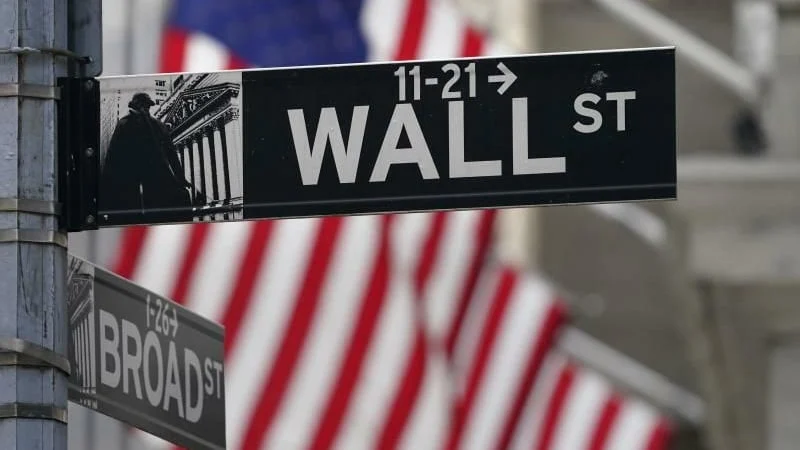
The German stock market, represented by the Dax index, concluded trading unchanged at 25,307 points, marking a period of investor uncertainty influenced by escalating protests across Europe. Despite earlier downward pressure stemming from economic data, the index managed to recover some of its losses in the afternoon session. Market observers attributed this resilience to positive movements on Wall Street and a decline in oil and gas prices, signaling a potential shift in market sentiment and investor priorities.
Market Dynamics and Investor Sentiment

The trading day saw the Dax navigate a complex landscape of economic indicators and geopolitical concerns. Initial concerns over inflation and growth prospects, as reflected in recent economic figures, cast a shadow over the German blue-chip index. However, a late-day rally in the United States and a significant drop in energy commodity prices provided a much-needed boost, allowing European markets, including the Dax, to pare back earlier declines. This suggests that while domestic economic data remains a key driver, global market trends and the cost of essential commodities are increasingly dictating investor behavior.
The Influence of Energy Prices
The decline in oil and gas prices is a significant development with broad economic implications. For several months, surging energy costs have been a primary driver of inflation and a considerable burden on businesses and consumers alike. A sustained drop in these prices could alleviate inflationary pressures, potentially giving central banks more room to maneuver and offering a more stable economic outlook. This, in turn, can foster a more positive environment for equity markets. The recent five-month high in oil prices had fueled concerns about renewed inflationary spirals, and the subsequent dip offers a degree of relief.

Geopolitical Undercurrents and Potential Resolutions
Adding another layer of complexity to the market’s behavior were signals suggesting a potential de-escalation in the protracted conflict between the United States and Iran. While details remain scarce, market participants reacted positively to rumors of a potential compromise proposal being mediated by Qatar and Pakistan. Such a diplomatic breakthrough, if realized, could have a substantial impact on global energy markets, potentially leading to increased supply and further downward pressure on oil and gas prices. This geopolitical détente would also reduce a significant source of global uncertainty, a factor that has been weighing heavily on investment decisions.
The vague hopes for a resolution in the US-Iran conflict were interpreted by market observers as a key driver for the positive market reaction. The perceived possibility of a diplomatic solution, reportedly involving mediators from Qatar and Pakistan aiming to address the demands of both parties, injected a sense of cautious optimism into the trading environment. The reduction of geopolitical risk, particularly concerning a major energy-producing region, is a well-established catalyst for improved market sentiment. Investors often favor assets that benefit from greater stability and predictability, making any sign of de-escalation in such conflicts a welcome development.
US Markets and Tech Sector Rebound
In parallel, investors in the U.S. markets demonstrated a renewed appetite for technology stocks, capitalizing on the recent significant sell-off in the sector. This strategic buying indicated a belief among some investors that the sharp declines in technology shares presented an attractive entry point. The German stock market, by contrast, had remained relatively insulated from the broad-based sell-off that affected some international tech giants. This divergence highlights varying sector-specific dynamics and regional market resilience.
The resurgence of interest in U.S. technology stocks comes at a crucial time, as several major tech corporations are scheduled to release their quarterly earnings reports in the coming week. SAP is slated to be among the first to report, with its earnings announcement on Wednesday being closely watched as an indicator of the broader tech sector’s performance. These earnings reports will provide vital insights into the financial health of these companies, their revenue growth, profitability, and future outlook, all of which will be critical in shaping investor perceptions of the tech sector’s valuation and potential.

Economic Data and Market Pressure
Throughout the trading week, various economic indicators have exerted pressure on market sentiment. While specific details were not elaborated upon in the initial report, it is reasonable to infer that these data points may have included figures related to inflation, industrial production, consumer spending, or employment. Such data often serves as a barometer for the overall health of an economy, and any readings that suggest a slowdown or persistent inflationary challenges can lead to increased investor caution and a tendency to reduce exposure to riskier assets like equities. The Dax’s initial weakness can be seen as a direct response to these economic headwinds.
A Look Ahead: Corporate Earnings and Future Outlook

The upcoming week promises to be pivotal for the technology sector, with several key earnings releases on the horizon. Beyond SAP’s report, investors will be scrutinizing the financial results of other prominent tech firms. The performance of these companies will not only dictate the short-term trajectory of the tech sector but also offer broader insights into the resilience of consumer and enterprise spending in the face of economic uncertainties. For the Dax, a strong performance from its constituent technology companies could provide further support and contribute to a more sustained upward trend. Conversely, disappointing results could reignite concerns and lead to renewed selling pressure.
The market’s reaction to economic data and geopolitical developments underscores the interconnectedness of global financial systems. While the Dax’s immediate performance was largely influenced by domestic factors and broader European market sentiment, the positive spillover from Wall Street and the potential resolution of international conflicts demonstrate how events on one side of the globe can rapidly influence markets elsewhere.
Broader Economic Context

The current economic climate is characterized by a delicate balance. On one hand, there are concerns about persistent inflation, the impact of geopolitical tensions on supply chains, and the potential for a global economic slowdown. On the other hand, there are signs of resilience in certain sectors, particularly in the labor market, and the ongoing technological advancements continue to drive innovation and create new investment opportunities. The interplay of these factors will continue to shape market dynamics in the coming months.
Analysis of Implications
The unchanged close of the Dax, coupled with the dip in oil prices and the hopeful whispers of a diplomatic resolution in the Middle East, suggests a market seeking stability and clarity. Investors appear to be weighing the immediate economic challenges against the potential for future improvements. The recovery of the Dax from earlier lows indicates a degree of underlying strength and a willingness to buy into the market on dips, especially when accompanied by positive external factors like falling energy prices.

The renewed confidence in U.S. tech stocks, despite recent volatility, points to a sector that, while facing scrutiny, is still viewed as a long-term growth engine by many investors. The upcoming earnings season will be crucial in validating this optimism. For Germany, the stability of its core index, the Dax, is a vital indicator of economic confidence. Its ability to hold its ground amidst global uncertainties highlights the robustness of some of its key industries.
Looking forward, the market will remain sensitive to economic data releases, central bank policy signals, and geopolitical developments. The direction of oil prices will continue to be a critical factor, impacting inflation, corporate costs, and consumer spending power. Furthermore, the effectiveness of governmental policies aimed at mitigating the effects of high energy prices and supporting economic growth will be closely monitored. The German economy, a powerhouse of European industry, will be a key bellwether for the continent’s economic health. The performance of its stock market, therefore, provides a valuable snapshot of investor sentiment and the broader economic outlook.
The market’s response to the rumors surrounding the US-Iran conflict also highlights the significant impact of geopolitical events on financial markets. A genuine de-escalation could unlock further investment and economic activity, particularly in sectors heavily reliant on stable energy supplies and global trade. The cautious optimism generated by these rumors, even if speculative, demonstrates the market’s inherent desire for a more predictable and less volatile global environment. This underlying sentiment could prove to be a significant tailwind for equity markets in the period ahead, provided that these hopes translate into tangible diplomatic progress.