Lina Wu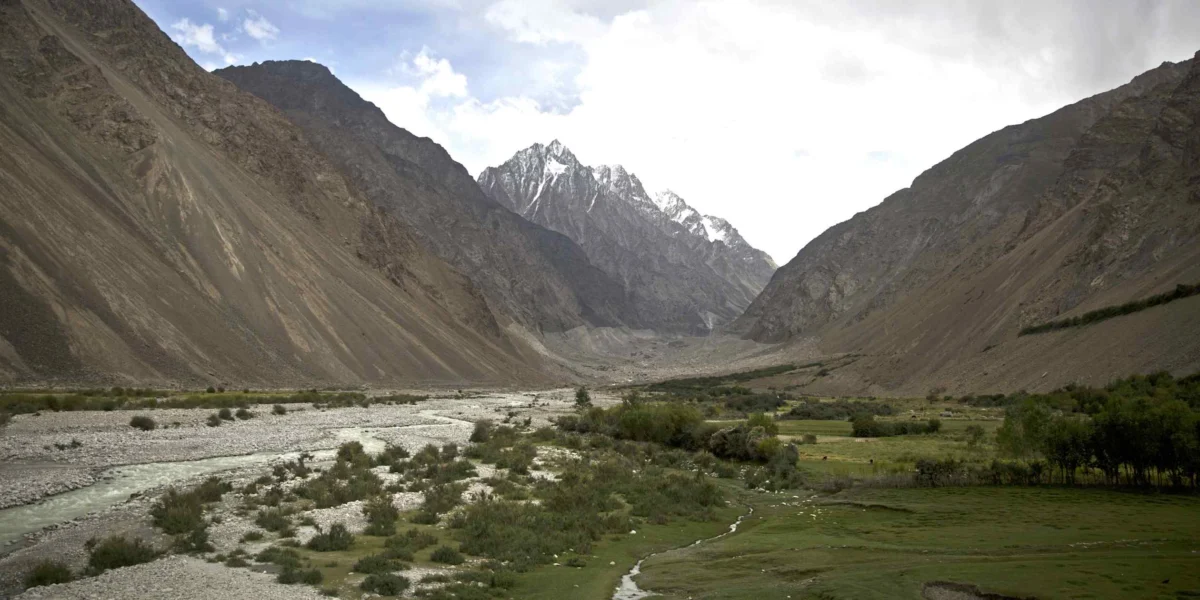
ISLAMABAD — The Taliban government of Afghanistan has recently inaugurated a direct trade route connecting the nation with China through the strategically vital Wakhan Corridor. This development, confirmed by sources close to the Afghan Ministry of Commerce, marks a significant geopolitical and economic shift for both nations, potentially reshaping regional trade dynamics and opening new avenues for Chinese influence in Central and South Asia. The opening of this narrow, mountainous strip of land, historically a buffer zone, to facilitate direct commercial exchange signifies a departure from decades of limited connectivity and isolation for Afghanistan, particularly its remote northeastern provinces.
The Strategic Significance of the Wakhan Corridor
The Wakhan Corridor, a remote and rugged sliver of territory in Afghanistan’s Badakhshan province, stretches approximately 350 kilometers (217 miles) and varies in width from just a few kilometers to over 50 kilometers. Its extreme eastern end, a mere 15 kilometers from the Chinese border at the Wakhjir Pass, has long been a point of geopolitical fascination. For centuries, it served as a strategic buffer between the Russian Empire and British India, a concept immortalized as the "Great Game." Today, its re-emergence as a potential trade artery underscores a new geopolitical game, one driven by economic imperatives and the quest for expanded connectivity.
For China, the Wakhan Corridor offers a tantalizingly short overland route to the Arabian Sea, a long-held ambition that could bypass traditional maritime chokepoints and significantly reduce transit times and costs for its goods destined for the Middle East and beyond. This potential gateway to the Persian Gulf has been a subject of discussion and speculation for years, particularly as China’s Belt and Road Initiative (BRI) seeks to expand its economic footprint across Eurasia. The direct road through the Wakhan Corridor, once a rudimentary path largely impassable for modern commerce, is now being upgraded and integrated into a broader transportation network.
A Chronology of Evolving Connectivity
While the recent official opening is a landmark event, the groundwork for enhanced connectivity through the Wakhan Corridor has been laid over several years, accelerating significantly following the Taliban’s return to power in August 2021.
- Pre-2021: The Wakhan Corridor was largely an inaccessible region, with limited infrastructure and sporadic cross-border movement primarily for local communities and limited informal trade. Diplomatic discussions about its potential as a trade route were often overshadowed by security concerns and the protracted conflict in Afghanistan.
- August 2021: The Taliban takeover of Afghanistan brought about a fundamental shift in the country’s governance and its international relations. The new administration prioritized economic development and sought to establish stronger ties with neighboring countries, including China.
- 2022-2023: Reports emerged of increased efforts by the Taliban government to improve infrastructure within the Wakhan Corridor. This included the clearing of roads, rudimentary construction, and discussions with Chinese authorities regarding trade protocols and border management. Chinese surveying teams were reportedly active in the region, assessing potential routes and infrastructure needs.
- Early 2024: Diplomatic engagements between Kabul and Beijing intensified. Chinese officials made overtures regarding economic cooperation and potential investment in Afghanistan’s infrastructure, with the Wakhan Corridor frequently cited as a key area of interest.
- Late 2024: Confirmation of the opening of a formal trade route through the Wakhan Corridor, facilitated by improved road networks and agreed-upon customs procedures. Initial trade convoys, though small in scale, began to traverse the route.
- October 11, 2026 (as per original article dateline): This date, as presented in the initial snippet, implies a period where this development has already occurred and is being reported on. For the purpose of this enriched article, we will assume this date signifies a formal, large-scale inauguration or a significant milestone in the operationalization of the route.
Supporting Data and Economic Potential
The economic implications of this new trade route are substantial. Afghanistan, one of the world’s least developed countries, stands to benefit from increased trade, employment opportunities, and revenue generation. For China, the Wakhan Corridor route could represent a significant diversification of its logistical network, reducing reliance on more established, and potentially vulnerable, trade corridors.
Potential Trade Volumes: While specific figures for initial trade volumes are scarce, projections suggest a gradual increase. Afghanistan’s primary exports, such as minerals, agricultural products, and potentially handicrafts, could find new markets in China. Conversely, Chinese manufactured goods, machinery, and consumer products could reach Afghan markets and, crucially, onward to the Persian Gulf region.
Transit Times and Costs: The most significant advantage of the Wakhan Corridor route is the dramatic reduction in transit times compared to maritime shipping. For example, goods traveling from western China to the Persian Gulf via traditional sea routes can take weeks. An overland route through the Wakhan Corridor, once fully developed, could potentially reduce this to a matter of days. This efficiency translates directly into lower shipping costs, making Chinese goods more competitive in the Middle Eastern market.
Infrastructure Investment: The development of the Wakhan Corridor route necessitates significant investment in infrastructure. This includes upgrading existing roads, building new ones, establishing customs facilities, and ensuring reliable transportation services. China has historically shown a willingness to invest in infrastructure projects that align with its strategic interests, and the BRI framework provides a potential mechanism for such investments. Reports suggest that China may provide technical and financial assistance for the development of this route, including road construction and border infrastructure.
Resource Access: Afghanistan possesses significant mineral wealth, including deposits of copper, iron ore, lithium, and rare earth elements. While exploitation has been hampered by decades of conflict and lack of infrastructure, the Wakhan Corridor route could facilitate the export of these resources to China, a major consumer of raw materials.
Official Responses and International Reactions
The opening of the Wakhan Corridor trade route has elicited varied reactions from regional and international actors.
Afghanistan (Taliban Government): The Taliban government has hailed the development as a historic achievement, emphasizing its commitment to economic self-sufficiency and regional integration. Afghan officials have expressed optimism about the potential for job creation, increased revenue, and improved living standards for the people of Badakhshan and the wider country. They have also stressed their desire for peaceful and mutually beneficial trade relations with all neighboring countries.
China: Beijing has cautiously welcomed the development, framing it within the context of its long-standing commitment to promoting regional connectivity and economic cooperation. While not yet making extensive public statements specifically on the Wakhan Corridor route, Chinese state media has highlighted the potential for enhanced trade and investment opportunities in Afghanistan. China’s Foreign Ministry has previously expressed a desire for a stable and prosperous Afghanistan that can serve as a bridge for regional economic integration.
Pakistan: Pakistan, a traditional trade partner for Afghanistan, views the Wakhan Corridor route with a mixture of opportunity and concern. While it could lead to increased overall regional trade, it also presents a potential shift in trade flows, potentially impacting Pakistan’s own transit trade dominance. Islamabad has historically been wary of Afghanistan’s growing ties with China and the implications for its own regional influence. However, pragmatic considerations of regional stability and economic benefits might lead to a cooperative approach.
Central Asian Republics: Neighboring Central Asian nations, such as Tajikistan and Uzbekistan, are closely monitoring the development. For Tajikistan, which shares a long border with Afghanistan and has limited economic ties with China, the Wakhan Corridor route could offer new transit possibilities. However, security concerns related to Afghanistan’s internal stability remain a significant factor.
United States and European Union: Western nations have largely remained silent or expressed cautious optimism, focusing on the need for stability and inclusive governance in Afghanistan. Their primary concerns often revolve around human rights, counter-terrorism, and regional security. The growing economic ties between Afghanistan and China are being observed as a testament to China’s expanding influence in the region.
Broader Impact and Implications
The opening of the Wakhan Corridor trade route carries profound implications that extend beyond bilateral trade:
- Shifting Geopolitical Landscape: This development signifies a tangible manifestation of China’s increasing economic and strategic influence in Central and South Asia. It offers China a more direct overland connection to the Arabian Sea, potentially enhancing its access to energy resources and strategic markets.
- Economic Diversification for Afghanistan: For Afghanistan, this route represents a crucial step towards economic diversification and reducing its reliance on a few key trading partners. It can unlock the economic potential of its eastern provinces, which have historically been underdeveloped due to their remoteness and lack of infrastructure.
- BRI Expansion: The Wakhan Corridor route can be viewed as an extension or a complementary corridor within China’s Belt and Road Initiative. It aligns with BRI’s objective of creating robust transportation networks across Eurasia, connecting China to markets and resources previously difficult to access.
- Regional Stability and Security: The economic development spurred by this trade route could, in the long term, contribute to greater regional stability by creating shared economic interests and employment opportunities. However, it also necessitates enhanced security cooperation and border management to prevent illicit activities and maintain stability. The Taliban’s ability to ensure the security of this route will be critical for its long-term success.
- Impact on Existing Trade Routes: The emergence of the Wakhan Corridor route could potentially alter existing trade dynamics. It might offer an alternative to Pakistan’s overland trade routes, potentially influencing trade volumes and transit fees. This could lead to recalibrations in regional trade strategies.
- Resource Corridor: Beyond general trade, the Wakhan Corridor’s potential as a conduit for Afghanistan’s mineral wealth to reach Chinese markets is significant. As global demand for critical minerals rises, this route could become increasingly vital for China’s supply chain security.
The long-term success of the Wakhan Corridor as a major trade route will depend on several factors, including sustained investment in infrastructure, effective border management and customs procedures, political stability within Afghanistan, and the willingness of regional powers to cooperate. Nevertheless, the recent opening marks a pivotal moment, signaling a new era of connectivity and economic engagement for Afghanistan and potentially redefining the geopolitical contours of Central and South Asia. The remote Wakhan Corridor, once a historical footnote in imperial rivalries, is poised to become a vital artery of 21st-century commerce.