Gilang Muhammad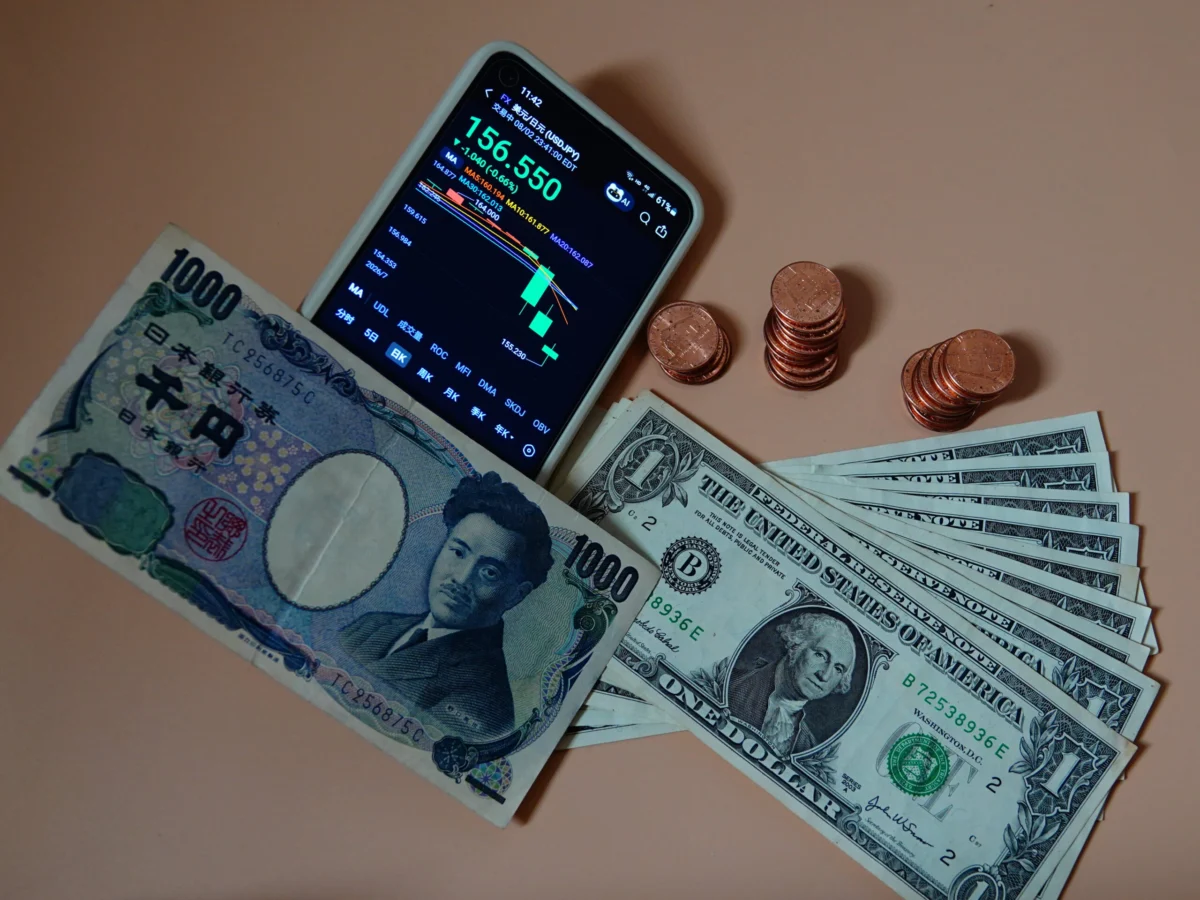
Japan’s foreign reserves experienced their most precipitous decline since the Ministry of Finance began compiling records in 2000, plummeting by an unprecedented 6.18% in August. This significant contraction, reflecting a concerted effort to stabilize the rapidly weakening yen and the broader impact of global financial shifts, underscores the escalating costs and complexities of currency defense in an environment of divergent monetary policies and rising interest rates. The data, released by the finance ministry, revealed that Japan’s foreign reserves stood at $1.207 trillion at the end of August, a stark reduction from July’s figure of $1.287 trillion.
The Unprecedented Decline in Reserve Assets
The 6.18% fall in August marks the fourth consecutive month of decline for Japan’s foreign reserves, surpassing the previous record drop of 5.58% observed in May. This sustained erosion of reserve assets is a direct consequence of a multi-pronged strategy by Tokyo to counteract the yen’s persistent depreciation against major global currencies, particularly the U.S. dollar. While the Ministry of Finance refrained from explicitly stating the reasons behind the substantial drop, official sources, as cited by Japanese media outlet Kyodo News, confirmed that the primary drivers were the government’s foreign exchange interventions aimed at propping up the yen and a parallel decline in the value of its holdings of foreign government bonds, triggered by a sharp increase in global bond yields.
Japan’s foreign reserves primarily consist of U.S. Treasury securities, gold, and deposits in foreign currencies. These reserves serve as a critical buffer against external shocks, ensure the stability of the financial system, and provide the government with the capacity to intervene in foreign exchange markets. A rapid decline, therefore, warrants close scrutiny, although analysts like Masahiko Loo, senior fixed income strategist at State Street Investment Management, emphasized that this particular reduction "reflects policy action rather than financial stress," suggesting a deliberate deployment of resources rather than an uncontrolled capital flight.
Chronology of Yen Weakness and Intervention Efforts
The yen’s journey to a 40-year low has been a defining feature of global financial markets throughout 2026, primarily driven by the stark divergence in monetary policy between the Bank of Japan (BOJ) and the U.S. Federal Reserve. While the Fed embarked on an aggressive campaign of interest rate hikes to combat persistent inflation, the BOJ maintained its ultra-loose monetary policy, including negative interest rates and yield curve control, aimed at stimulating a sluggish domestic economy. This interest rate differential made the yen an attractive funding currency for "carry trades," where investors borrow in yen at low rates and invest in higher-yielding assets abroad, thereby pushing the yen lower.
Key Events in the Intervention Timeline:
- Early 2026: The yen begins a sustained depreciation trend, breaking past psychologically significant levels against the dollar.
- April-May 2026: Tokyo initiated its first significant intervention efforts, spending approximately 11.73 trillion yen ($75.26 billion) in discreet, unannounced operations to buy yen and sell dollars. These initial attempts provided temporary relief but failed to reverse the broader trend.
- July 23, 2026: The Japanese yen weakens to a fresh 40-year low of 163.98 against the U.S. dollar, intensifying concerns among policymakers about imported inflation and the erosion of purchasing power for Japanese consumers and businesses. This critical milestone signaled the need for more decisive action.
- Late July 2026: In a significant escalation of its efforts, Japan conducted a larger intervention, spending an estimated 15.4 trillion yen. This operation was notably bolstered by a coordinated move with the United States, where the U.S. sold euros to support the yen, marking a rare instance of joint currency intervention.
- August 3, 2026: Public confirmation emerged of the joint U.S.-Japan intervention, aimed at halting the yen’s slide. This marked the first coordinated intervention by the two economic powers to support the yen since 1998, underscoring the severity of the situation and the shared concern over global financial stability.
- August 2026 Data Release: The Ministry of Finance’s data in early September revealed the record 6.18% decline in foreign reserves, directly reflecting the substantial dollar-selling activities undertaken during the intervention period.
The combined 27.1 trillion yen ($173.8 billion) spent on interventions so far this year represents the largest annual amount ever deployed for currency stabilization, eclipsing the previous record of 20.4 trillion yen set in 2003. This unprecedented outlay highlights the Japanese government’s determination to prevent further destabilization of its currency, despite the significant financial cost.
Global Bond Yields and the Depreciation of Reserve Assets
Beyond direct currency intervention, another major contributor to the decline in Japan’s foreign reserves was the depreciation in the market value of its foreign bond holdings. Global bond yields have been climbing to multi-year highs throughout 2026, a phenomenon primarily driven by persistent inflation concerns and the aggressive monetary tightening policies adopted by central banks worldwide, including the Federal Reserve, the European Central Bank, and the Bank of England.
When interest rates rise, the value of existing bonds, which pay lower fixed interest rates, falls. Since a significant portion of Japan’s foreign reserves is invested in U.S. Treasury securities, the sharp increase in U.S. Treasury yields directly led to a mark-to-market loss on these holdings. For instance, yields on U.S. Treasuries, German Bunds, and UK Gilts have all hit significant milestones, reflecting a broader repricing of global fixed-income assets. This revaluation effect means that even without direct selling, the accounting value of Japan’s reserve assets decreased, compounding the impact of the intervention-related dollar sales.

The Significance of Coordinated Intervention
The joint intervention with the United States in late July was a particularly noteworthy development. Coordinated currency interventions are rare, typically reserved for moments of extreme market dysfunction or when unilateral actions prove insufficient. The last time the U.S. and Japan jointly intervened to support the yen was in 1998, a period marked by the Asian financial crisis and significant volatility in global markets. This historical context underscores the gravity of the current situation and the perceived threat to Japan’s economic stability posed by the yen’s rapid depreciation.
Such coordinated efforts send a powerful signal to currency speculators, indicating that major economic powers are aligned in their determination to counter excessive volatility. While the direct financial impact of the U.S. selling euros to support the yen might be less than Japan’s direct dollar sales, the psychological impact of a unified front can be considerable, potentially deterring further speculative attacks on the yen.
Official Stance and Market Interpretations
Japanese finance ministry officials have consistently emphasized their readiness to take "appropriate action" against excessive currency movements, a diplomatic phrasing that signals a willingness to intervene without committing to specific levels or timings. This strategy aims to keep currency speculators on edge, preventing them from easily predicting and counteracting intervention efforts.
Masahiko Loo of State Street Investment Management reiterated that the reserve decline is a deliberate policy outcome. "The decline is primarily the result of Japan’s recent dollar-selling, yen-buying FX interventions," Loo stated, directly linking the reserve depletion to the government’s proactive measures. He also addressed concerns about the sustainability or implications of such a significant drop, advising investors that it "reflects policy action rather than financial stress." This distinction is crucial; it suggests that the decline is a controlled expenditure of resources to achieve a specific policy goal (yen stabilization) rather than an indication of underlying economic weakness or an inability to meet external obligations.
Broader Impact and Future Outlook
The record decline in foreign reserves carries several important implications for Japan and the global financial landscape.
For Japan:
- Sustainability of Intervention: While Japan still possesses substantial reserves (the second largest globally after China), the rapid pace of depletion raises questions about the long-term sustainability of aggressive intervention if the underlying causes of yen weakness (i.e., monetary policy divergence) persist.
- Fiscal Implications: Currency interventions are ultimately funded by public finances. Continued large-scale interventions could have future fiscal implications, although direct impacts are often less immediate than other forms of government spending.
- Monetary Policy Review: The intense pressure on the yen may force the Bank of Japan to reconsider its ultra-loose monetary policy sooner than anticipated. While the BOJ has steadfastly maintained its dovish stance, the economic costs of a weak yen, such as higher import prices and reduced purchasing power, could eventually compel a shift towards tightening.
- Investor Confidence: The government’s willingness to spend heavily on intervention might reassure some investors about its commitment to stability, but persistent currency weakness despite these efforts could also erode confidence over time.
For Global Markets:
- Currency Wars Risk: Aggressive interventions by one major economy can sometimes trigger similar actions by others, potentially leading to a "currency war" where countries compete to devalue their currencies for export advantage. However, the coordinated nature of the U.S.-Japan action suggests a focus on stability rather than competitive devaluation.
- Global Liquidity: Selling large amounts of dollars to buy yen can impact global dollar liquidity, though Japan’s interventions are unlikely to significantly alter the overall supply of dollars in the vast global financial system.
- Precedent for Other Nations: Other countries facing similar pressures from a strong dollar and rising global yields will closely watch Japan’s experience. The effectiveness and costs of its intervention strategy could influence their own policy responses.
As of early September, the yen trades at approximately 155.98 against the dollar, a significant recovery from its 40-year low of 163.98 in July, indicating that the interventions have had some immediate success in stemming the rapid depreciation. However, the fundamental drivers of yen weakness, particularly the interest rate differential with the U.S., remain largely unchanged. The path forward for Japan’s currency and its foreign reserves will likely depend on a complex interplay of global economic trends, central bank policies, and the sustained resolve of its policymakers to navigate these turbulent financial waters. The record decline in reserves serves as a stark reminder of the significant resources required to defend a currency against powerful global macroeconomic forces.