Gilang Muhammad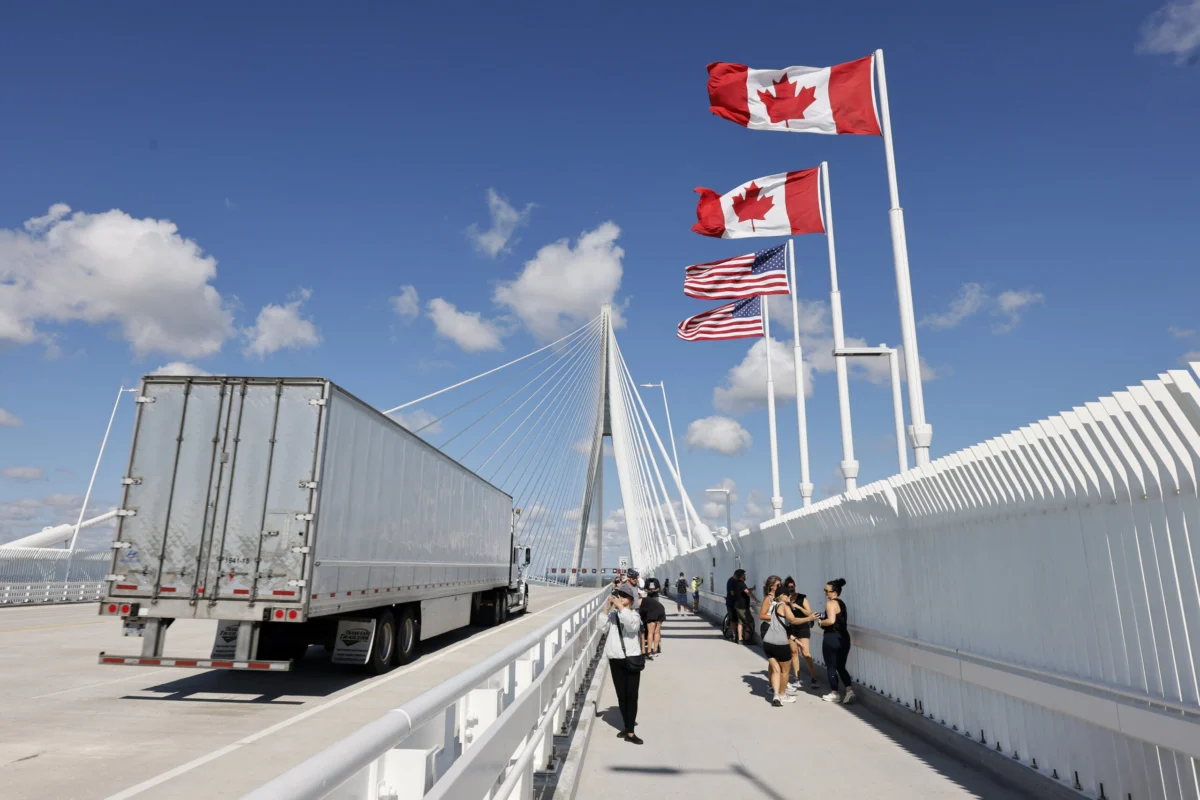
Canada’s comprehensive retaliatory tariffs on a broad spectrum of U.S. goods officially came into effect on Tuesday, marking a significant escalation in the increasingly acrimonious trade dispute between Washington and Ottawa. The move follows the dramatic collapse of bilateral trade negotiations last month, which had been aimed at averting such punitive measures. This latest volley of duties targets hundreds of U.S. products, collectively valued at CA$27.6 billion, encompassing critical sectors ranging from agriculture and manufacturing to consumer electronics and household staples, effectively deepening the rift between two of the world’s closest economic partners.
The tariffs, which vary significantly from 15% to an impactful 50%, are designed to be a "dollar for dollar" response to the United States’ decision on August 22 to impose its own 50% tariffs on approximately $20 billion worth of Canadian goods, including key exports like wine and hockey sticks. This tit-for-tat escalation underscores the growing fragility of the economic relationship, traditionally characterized by seamless cross-border trade and deeply integrated supply chains.
A Detailed Look at Canada’s New Tariffs
The newly implemented Canadian tariffs cast a wide net, affecting a diverse array of American-made products. Key categories now subject to increased duties include:
- Agricultural and Dairy Products: A sector often at the forefront of trade disputes, dairy products are among those impacted, potentially leading to higher prices for Canadian consumers and reduced market access for U.S. producers.
- Industrial Equipment: Agricultural machinery and other heavy equipment face tariffs, which could affect Canadian farmers and construction businesses reliant on U.S. imports.
- Paper Products: A staple in numerous industries, paper goods are also on the list, reflecting the breadth of the Canadian government’s response.
- Household Appliances and Electronics: Consumers can expect to see price increases on everything from refrigerators to televisions, as these popular imported items now carry higher duties.
- Metals: Tariffs on U.S. steel, aluminum, and iron products have been notably doubled to 50%. This particularly aggressive measure targets a sector that has been a flashpoint in previous trade disputes, signifying Canada’s resolve to protect its domestic metals industry.
- Consumer Goods: Furniture, motorbikes, various clothing items, and even some beauty products are among the goods hit with the highest tariff rate of 50%, directly impacting consumer choice and affordability.
Ottawa’s Department of Finance articulated the rationale behind these tariffs, stating they are essential to protect Canadian workers, producers, and manufacturers. By making U.S. products more expensive, the government aims to level the playing field and allow domestic industries to compete more effectively within the Canadian market. This defensive posture highlights the significant pressure Canadian industries face from what they perceive as unfair trade practices by their southern neighbor.
The Preceding U.S. Actions and Failed Negotiations
The immediate catalyst for Canada’s latest response was the U.S. imposition of 50% tariffs on Canadian goods on August 22. These American levies were particularly contentious, as they were enacted under a Depression-era law, a statute rarely invoked in modern trade disputes, underscoring the extraordinary nature of the current trade friction. The U.S. tariffs were introduced mere hours after high-stakes trade negotiations between the long-standing allies spectacularly collapsed.
Officials from both sides have since engaged in a public blame game, each accusing the other of introducing "untenable last-minute changes" to a deal that was reportedly on the brink of completion. This breakdown in communication and trust has exacerbated the trade tensions, transforming what might have been a series of disagreements into a full-blown economic confrontation. The specific nature of these "last-minute changes" remains a subject of speculation, but their impact has clearly derailed efforts to find common ground.
A Broader Context of Trade Friction: From NAFTA to USMCA and Beyond

The current escalation is not an isolated incident but rather the latest chapter in a series of trade disputes that have characterized the U.S.-Canada relationship, particularly in recent years. The renegotiation of the North American Free Trade Agreement (NAFTA) into the United States-Mexico-Canada Agreement (USMCA), known as CUSMA in Canada, served as a precursor to the current climate. During those contentious talks, the threat of tariffs, particularly on the politically sensitive auto sector, loomed large. Indeed, existing Canadian counter-tariffs against the U.S., including a 25% duty on the auto sector, remain in place from earlier disputes and continue to add pressure to the automotive supply chain that spans both countries.
Historically, U.S.-Canada trade relations have been robust, yet not without friction. Disputes over softwood lumber, dairy quotas, and steel have periodically strained diplomatic ties. The "America First" trade policy agenda, emphasizing domestic production and protection against perceived unfair competition, has frequently targeted Canada, despite its status as a key ally and top trading partner. This policy stance has often prioritized specific U.S. industries and jobs, sometimes at the expense of established bilateral trade norms and agreements.
The Bombardier Controversy: A Political Firestorm
Adding another layer of complexity and political drama to the unfolding trade war, former President Donald Trump on Monday called for a boycott of Canadian airplane manufacturer Bombardier. In a post on Truth Social, Trump declared, "NO MORE SELLING BOMBARDIER IN THE UNITED STATES! If they want our Market, they must build here, and stop treating America like a ‘piggybank.’" This direct attack on a prominent Canadian company, known globally for its business jets and rail equipment, immediately drew sharp reactions.
Bombardier quickly issued a rebuttal, clarifying its significant economic contributions within the United States. In a statement to CNBC, the company highlighted that it employs workers in over 20 states and incorporates numerous U.S.-made components into its products. "Bombardier values its great partnership with American companies and its U.S. employees," the company asserted, pushing back against the narrative that it does not contribute to the U.S. economy.
The former President’s broadside also triggered a swift response from some of his Republican allies, particularly those representing states where Bombardier maintains a significant presence. Senator Jerry Moran, a Republican from Kansas, where Bombardier has a substantial operation, issued a statement emphasizing the company’s importance. "Bombardier’s Wichita operation supports a local workforce of more than a thousand employees, who contribute their talent and expertise to our nation’s defense and aerospace capabilities," Moran stated. He further added that he had reached out to the Trump administration "to make certain the President is aware of the significant contributions of Bombardier to Kansas."
Echoing his colleague’s sentiments, Senator Roger Marshall, also a Republican from Kansas, took to X (formerly Twitter) to express his commitment to protecting local jobs. "I’m going to fight to keep Bombardier’s over 1,200 Kansas jobs. I’ve already taken that concern inside the Oval Office," Marshall wrote, underscoring the political sensitivity and domestic economic implications of such trade rhetoric. These reactions highlight the intricate web of economic interdependence between the two nations, where punitive actions against a foreign company can directly impact American jobs and communities.
The Interconnected North American Economy: Trade Data and Shared Sectors
The economic ties between the United States and Canada are among the most extensive and integrated in the world. According to the U.S. Trade Representative’s office, in 2025, the U.S. exported goods valued at $333.6 billion to Canada, while importing $381.9 billion from its northern neighbor. This staggering volume of trade underscores the profound interconnectedness of their economies.
Both nations engage in substantial trade across a multitude of shared sectors, illustrating the depth of their economic partnership. These include:

- Energy: A critical component of bilateral trade, with Canada being a major supplier of oil and natural gas to the U.S.
- Vehicles and Heavy Machinery: The automotive industry, with its complex cross-border supply chains, is a cornerstone of North American manufacturing. Heavy machinery is also a significant trade item.
- Aircraft and Aerospace Components: Despite the Bombardier controversy, the aerospace sector sees substantial two-way trade, with parts and finished aircraft moving across the border.
- Pharmaceuticals: The health sector relies on a steady flow of pharmaceutical products between the two countries.
- Consumer Goods: This vast category includes everything from gems and jewelry to furniture, clothing, and a wide variety of foods and beverages, all of which are now vulnerable to the escalating tariffs.
The sheer volume and diversity of this trade highlight why disruptions, even in what economists term "a relatively small portion of overall trade," can have disproportionately severe impacts on specific industries and businesses.
Economic Fallout and Mitigation Efforts
While the immediate economic impact of the tariffs might represent a fraction of the total bilateral trade, economists widely agree that the blow to small and medium-sized businesses (SMEs) and those operating in the most-impacted sectors will be significant. These businesses often lack the resources and flexibility of larger corporations to absorb increased costs, reconfigure supply chains, or explore alternative markets. Higher input costs for manufacturers, reduced competitiveness for exporters, and increased prices for consumers are all anticipated outcomes.
In anticipation of the economic hardship, Ottawa announced a CA$7.5 billion support package for Canadian businesses and workers last month. This new funding is an extension of an existing CA$25 billion program that Canada initiated in response to the broader U.S. global tariff offensive, which began in April 2025. These support measures aim to cushion the impact on affected industries, help businesses adapt to the new trade environment, and protect jobs. However, such packages, while helpful, cannot fully negate the distortions and inefficiencies introduced by tariffs.
The impact on consumers is also a serious consideration. Tariffs are essentially taxes on imported goods, which are typically passed on to consumers in the form of higher prices. This could contribute to inflationary pressures and reduce purchasing power for Canadian households, particularly for essential goods and popular consumer items from the U.S.
Geopolitical Ramifications and the Path Forward
The escalating trade war between the United States and Canada carries significant geopolitical ramifications. It strains diplomatic relations between two nations that have historically been close allies, sharing a common border, democratic values, and intertwined security interests. Such disputes can undermine trust and cooperation on broader issues, from continental defense to environmental policy. The construction of infrastructure projects like the Gordie Howe International Bridge, which is expected to further enhance connectivity between Windsor, Ontario, and Detroit, Michigan, by 2025, underscores the long-term vision of integration, which contrasts sharply with the current protectionist measures.
The current situation presents a formidable challenge to de-escalation. With both sides feeling justified in their actions and accusing the other of bad faith, finding a diplomatic off-ramp requires significant political will and a renewed commitment to negotiation. The prospect of further retaliatory measures remains a distinct possibility, potentially dragging more sectors into the dispute and further entrenching protectionist policies. For the North American economy, characterized by its high degree of integration, sustained trade friction risks disrupting supply chains, deterring investment, and ultimately hindering economic growth across the continent. The long-term stability and prosperity of both nations depend on finding a constructive resolution to this escalating trade conflict.