Ena Muazin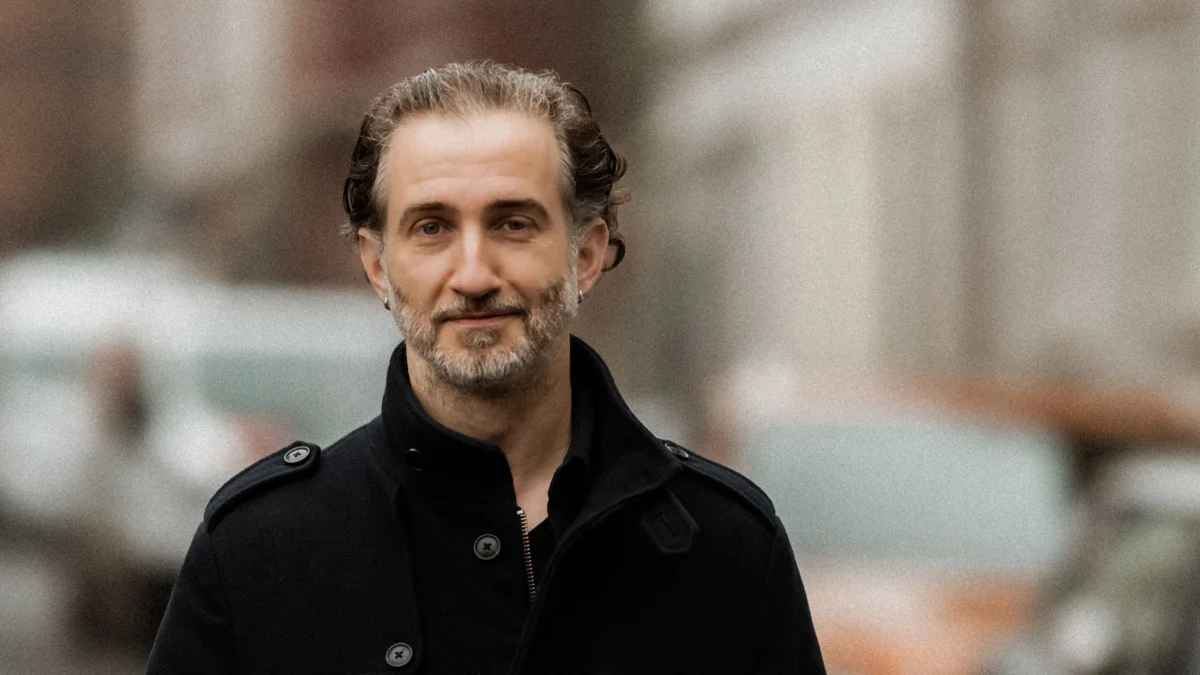
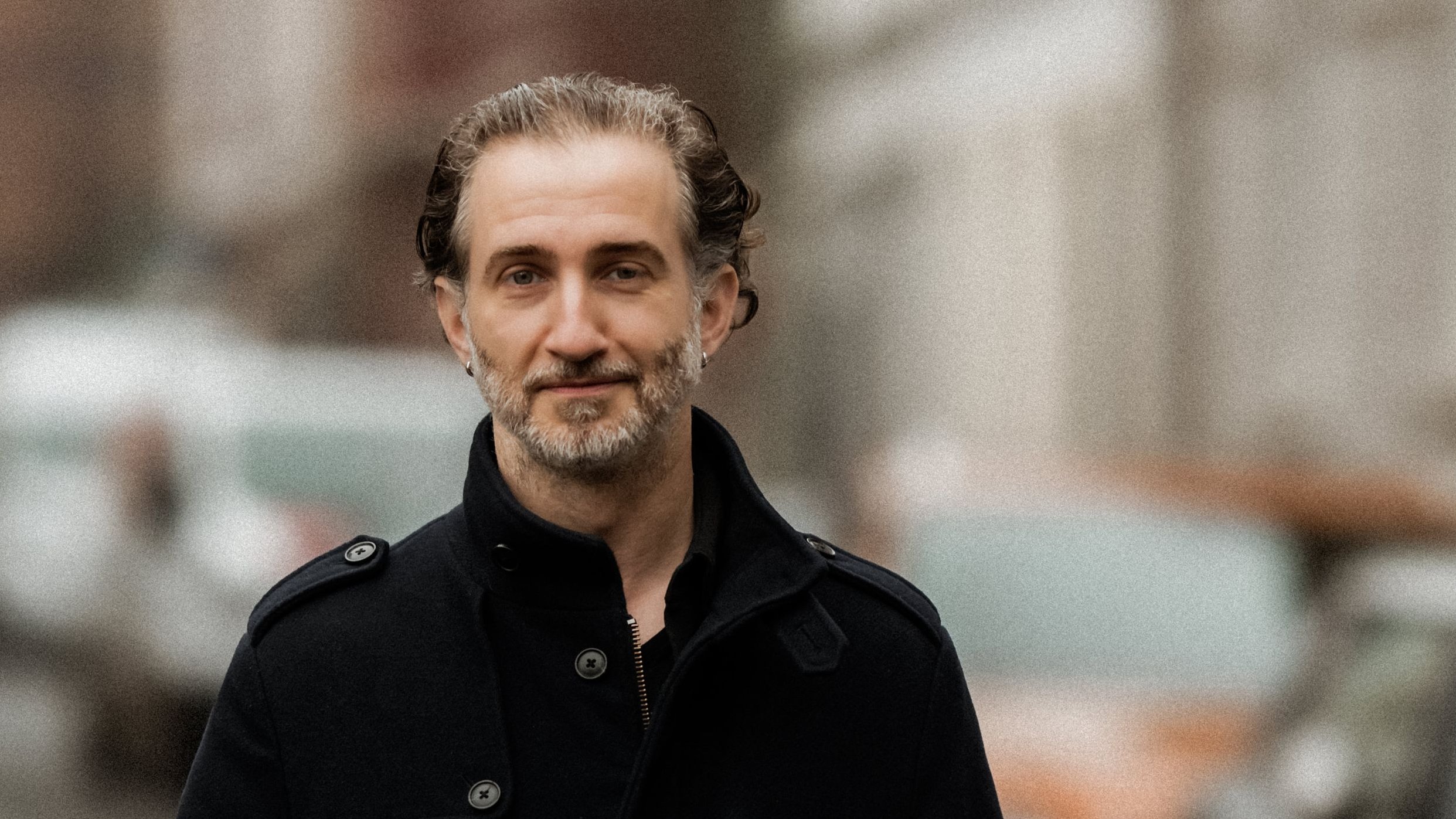
Kai Viehof, a 44-year-old from Mönchengladbach, defies the typical image of a millionaire. His understated appearance—a simple black t-shirt and shirt, slightly disheveled beard, and rings in both ears—belies a significant inheritance. He gained public attention for his measured participation in an ARD talk show, "Hart aber fair," discussing inheritance. In contrast to a more ostentatious fellow guest, an electrical engineering entrepreneur from Neuss, Viehof presented a reserved demeanor, focusing on the societal implications of inherited wealth.
The foundation of Viehof’s wealth stems from his grandfather, Eugen Viehof, who established the "Allkauf" retail chain in the 1960s. This business was sold in 1998 to Metro AG for approximately one billion German Marks, a sum that profoundly impacted the family’s financial standing. However, when it was Kai Viehof’s turn to receive his share of this considerable fortune, he made a remarkable decision: he declined it. This act positions him as a new face among a growing cohort of millionaires who are not focused on accumulating more wealth but rather on its redistribution.
This movement includes figures like Sebastian Klein, author of "Toxic Rich," who amassed his fortune through the app Blinkist, and Marlene Engelhorn, an heir to the chemical giant BASF. Their shared ethos centers on questioning the origins and purpose of vast inherited wealth, advocating for its strategic dispersal for societal benefit.
The significance of inherited wealth in Germany is substantial. According to the German Institute for Economic Research, over half of private assets are not earned but acquired through inheritance or gifts. A 2025 report by the Boston Consulting Group highlighted that only the United States and China surpass Germany in the number of ultra-wealthy individuals—those with assets exceeding $100 million. In Germany, these individuals control 27 percent of the nation’s financial assets, underscoring the immense concentration of wealth often passed down through generations.
A New Vanguard: Millionaires Advocating for Redistribution
Kai Viehof’s public emergence signifies a departure from the traditional narrative of inherited wealth. Like Marlene Engelhorn, whose family founded BASF, Viehof did not earn his fortune through personal endeavor. His father had gifted him a substantial sum in the tens of millions during his youth. However, the true inheritance, estimated to be in the hundreds of millions, was ultimately renounced by Kai.

This decision is not merely a personal one; it is part of a broader philosophical shift. Viehof, despite his reserved public persona, has chosen to speak openly about wealth distribution. He rejects the dismissal of such discussions as mere "envy debates." "This is not an envy debate for me," he stated, emphasizing its critical importance. "This is a central debate that those who have profited from the system must also confront."
This conviction has led Viehof to a rather unconventional path. He intends to donate, or invest in enterprises prioritizing social impact over financial returns, approximately seven-eighths of the tens of millions he had already received. This commitment to distributing wealth, particularly inherited wealth, marks him as a distinct voice in contemporary discussions on economic inequality.
The Roots of Renunciation: A Developing Conscience
Viehof was a teenager, just 17 years old, when his family’s company was sold. It was during this period that he resolved to donate his future inheritance, a decision he kept from his family for some time, grappling with the internal conflict it presented. His youthful idealism included aspirations of working in development aid, and he perceived a deep connection between immense wealth and profound poverty, viewing them as two sides of the same coin.

This sense of justice and equity was a driving force. "It was a feeling of justice," he reflects. This intrinsic moral compass guided his subsequent actions.
His father, also named Eugen, had gifted him stocks and other assets valued at a significant sum in the tens of millions. Viehof admits that at the time, he didn’t fully grasp the implications or the precise value of what he was signing. This lack of immediate comprehension, coupled with his developing ethical framework, likely contributed to his later decision regarding the larger inheritance.
A Fork in the Road: Renouncing the Main Inheritance
A decade ago, in his mid-thirties, Viehof was poised to inherit a sum in the hundreds of millions. This was the substantial family fortune, the legacy of his grandfather Eugen’s successful business ventures. However, he chose to refuse this inheritance. His reasoning, he explains, acknowledges the "luxury problems" associated with such wealth but highlights a perceived lack of complete freedom—both legally and morally—to dispose of it as one wishes.
The pressure to pass wealth down through family lines is a powerful societal norm within dynastic wealth structures. Viehof foresaw a potential transactional relationship with his family, particularly his father and future children, if he were to accept the inheritance. This he wished to avoid, seeking a more equitable and less obligation-laden connection. Furthermore, he wrestled with the notion of possessing such vast wealth without having personally earned it.
Navigating the Nuances: The Dilemma of Personal Use
When questioned about whether he would refuse the initial gift of tens of millions today, Viehof expresses a degree of internal conflict. "I am ambivalent about that," he confesses. "If I have it, I can use it for other purposes." This admission reveals a pragmatic approach: while he is committed to distributing the majority of his wealth, he acknowledges the potential benefits of retaining a portion for personal security and family needs. This pragmatic stance, while potentially drawing criticism for inconsistency, underscores the complex realities of managing and distributing inherited wealth.
A Strategic Diversion: The Family Foundation and the Gifted Assets
The substantial inheritance, destined for Kai, was channeled into a charitable foundation. His father, Eugen, serves as the authorized representative for this foundation. Kai himself has no direct involvement with its management, a decision that underscores his desire to distance himself from the direct control of this significant portion of the family’s wealth.
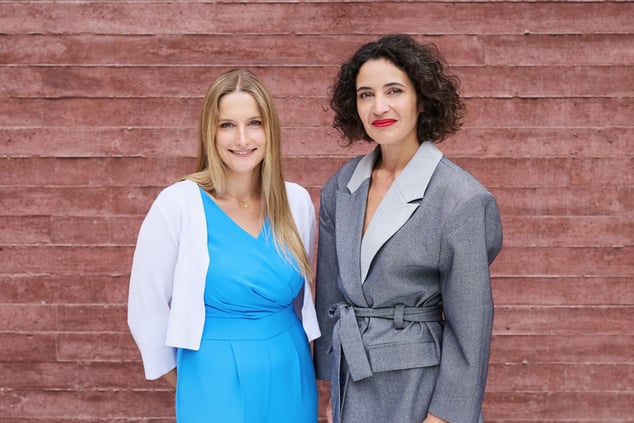
However, Kai retained the gifted assets, the tens of millions. He can exercise considerably more autonomy over these funds compared to the main inheritance. He plans to keep one-eighth of this amount for himself and his family, viewing it as a financial buffer. He has not calculated how long this reserve will last and is prepared to seek employment if it depletes. He acknowledges that even this decision to retain a portion draws criticism, with some suggesting greater consistency would be to forgo all of it. This illustrates the tightrope he walks between his commitment to distribution and the practicalities of personal financial security.
A Focus on Democracy: Targeted Philanthropy
Viehof dedicates the remaining seven-eighths of his gifted assets to donations and investments in companies that prioritize social good over profit. His primary focus is on supporting initiatives that strengthen democracy. He credits Anna-Lena von Hodenberg, founder of the organization Hate Aid, with impressing upon him the foundational importance of democracy for addressing other critical issues like climate change.
His philanthropic strategy is not haphazard. While he receives numerous requests, he also relies on his network, including the Schöpflin Foundation, which champions democracy. Organizations appearing on their funding lists serve as a positive signal for him. Beyond this, personal intuition plays a role. "Sometimes it’s just a gut feeling: I like them, I’ll give them money," he admits.

Strategic Investments in Democratic Institutions
Viehof’s commitment extends to organizations actively working to bolster democratic processes and combat societal challenges. For instance, he is providing multi-year, six-figure support to Hate Aid, an organization dedicated to fighting online hate and extremism. This support aims to ensure that more individuals can participate in public discourse without fear of harassment, thereby strengthening democratic participation.
Similarly, he supports Correctiv, a media organization known for its investigative journalism, particularly its reporting on the Alternative for Germany (AfD) party. This aligns with his belief that robust, independent journalism is crucial for a healthy democracy.
Another significant recipient of his support is Brand New Bundestag, an organization focused on promoting progressive political candidates. He also contributes to Finanzwende, a citizens’ movement advocating for fair, stable, and sustainable financial markets that serve the public interest.
Impact Investing: Empowering Women and Sustainable Finance
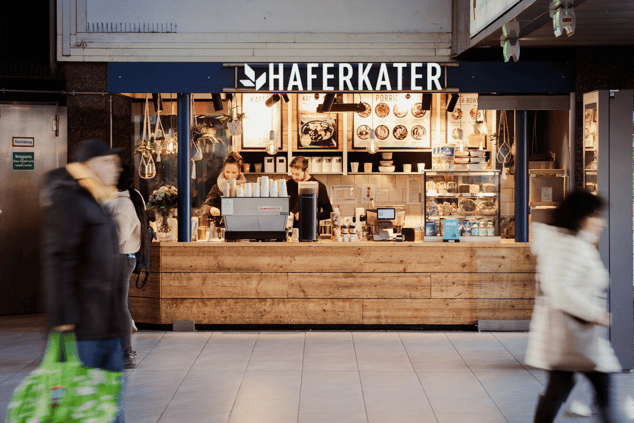
Viehof’s philanthropic approach extends to impact investing, where financial returns are secondary to social and environmental impact. He has provided a €750,000 loan to Vyld, a tampon startup, partly recognizing the systemic challenges women-led businesses face in securing funding. He also contributed a six-figure sum to Haferkater, a porridge startup, to facilitate its transition to a "responsible ownership" model, which involved repurchasing shares of its GmbH. This model emphasizes long-term sustainability and stakeholder value over short-term shareholder profit.
A New Paradigm for Wealth: Responsible Ownership and Generational Impact
The concept of "responsible ownership" or "steward ownership" is gaining traction among a new generation of entrepreneurs and inheritors. This model aims to prevent the privatization of wealth and ensure that companies remain focused on their mission and societal contribution, rather than on maximizing shareholder returns and distributing profits. By investing in companies that adopt such structures, Viehof is not only providing capital but also actively promoting a more equitable and sustainable economic paradigm.
The Challenge of Generosity: A Learning Process
Viehof acknowledges that effective philanthropy is a skill that requires learning and adaptation. He has previously invested in projects that yielded less impact than anticipated. He has also experienced situations where initial funding commitments led to the expansion of non-profit structures, which then became unsustainable when public funding dried up.

To mitigate these risks, he structures his support with multi-year commitments rather than single lump-sum transfers. This approach allows non-profit organizations to plan more effectively for the long term and encourages them to utilize funds efficiently. He recognizes the inherent power of money and the difficult decisions involved in its allocation. "There are individual fates behind this, people who lose their jobs. That is a difficult decision," he states, highlighting the profound responsibility that accompanies his philanthropic endeavors.
Strategic Funding and the Limits of Influence
When organizations he supports mismanage funds or request additional support after initial funding has been depleted, Viehof is generally hesitant to provide further assistance. However, he admits to occasionally breaking this rule. He understands that his financial resources, while substantial, are not limitless. Currently, he estimates that approximately three-eighths of his initial gifted amount remains, including committed but not yet disbursed support.
The Future: Beyond Philanthropy to Activism
Looking ahead, Viehof contemplates a future where he will no longer be in a position of financial giving. "Of course, I have thought about that. It will hurt me, but I want to leave the role of the giver behind at some point too," he states. At that juncture, he intends to intensify his activism for distributive justice, shifting his focus from financial contributions to advocacy and systemic change.

A Growing Movement: Inheritors Reimagining Generosity
Felix Oldenburg, CEO of the foundation startup Bcause, observes that Viehof represents a new wave of inheritors who are actively engaging with the complex issues of wealth and societal responsibility. "You can tell that he gives a lot of thought to these matters. Years of internal conflict lie behind this," Oldenburg notes. He further explains that inheritors who choose to diverge from their family’s wealth-building traditions often face resistance from family members and financial advisors.
Oldenburg identifies a generational shift in philanthropy, with younger inheritors increasingly prioritizing issues like climate change and democratic reform, moving beyond traditional areas like education and the arts. This evolution is driving the creation of new organizations focused on these critical contemporary challenges.
The Paradox of Visibility: A Lose-Lose Situation?
Oldenburg characterizes the situation for these visible inheritors as a "lose-lose" scenario. They face criticism from those who believe they are not donating enough, as well as from those who argue they are giving away too much. Viehof, by openly discussing his approach and motivations, navigates this complex landscape, contributing to a broader public discourse on wealth and its societal role.

Family Dynamics and Evolving Perspectives
Viehof’s relationship with his father has improved. He notes that his father is increasingly contemplating the issues of distributive justice, engaging in discussions about the need for change. "He is in discussions with me that something needs to happen. I admire him greatly for continuing to think progressively," Viehof shares. This evolution within his own family highlights the potential for intergenerational dialogue and evolving perspectives on wealth management.
A New Generation of Donors: Engaging with Systemic Issues
The current generation of wealthy inheritors is marked by a heightened awareness of systemic challenges such as climate change and the fragility of democratic institutions. This contrasts with earlier generations of philanthropists who often focused on more traditional areas like arts, culture, and education. Viehof’s engagement with organizations like Hate Aid and Brand New Bundestag exemplifies this shift, demonstrating a commitment to addressing the root causes of societal problems.
The Future of Wealth Distribution: A Paradigm Shift
Kai Viehof’s journey represents a significant departure from traditional models of inherited wealth. By choosing to actively distribute his fortune and invest in organizations dedicated to social and democratic causes, he is not only challenging conventional norms but also pioneering a new approach to philanthropy. His story underscores the growing recognition among a new generation of the wealthy that their resources carry not just opportunity but also profound responsibility. As more individuals like Viehof engage in these critical conversations and actions, the landscape of wealth distribution and its impact on society is likely to undergo a transformative evolution. His commitment to transparency and open discussion further solidifies his role as a thoughtful and influential voice in this evolving discourse.