Ena Muazin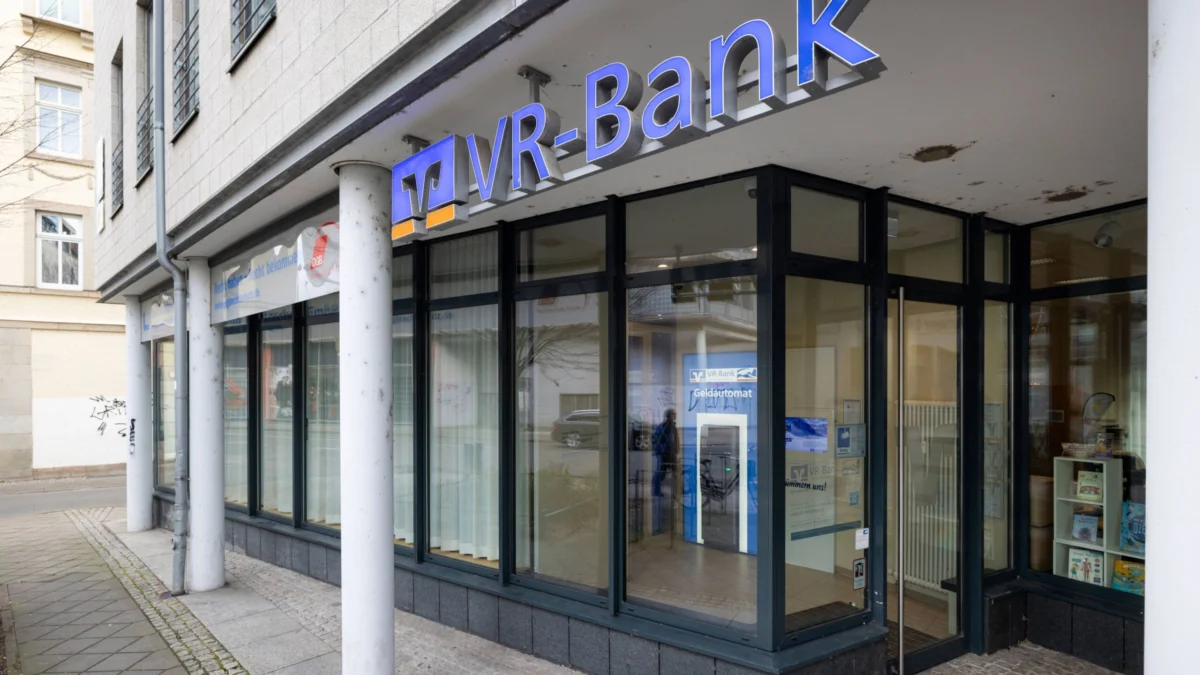
Cooperative Banks Face Scrutiny Over Executive Liability Amidst Financial Strain
A wave of financial difficulties affecting several cooperative banks is poised to trigger significant repercussions for some of their former executives. Handelsblatt’s investigative efforts have revealed that potential claims for damages are currently under examination, signaling a heightened period of accountability within the cooperative banking sector. This development comes at a time when several cooperative banks have experienced substantial financial distress, necessitating rescue measures and prompting a thorough review of past management decisions.

The cooperative banking model, a cornerstone of the German financial landscape, is built on principles of shared ownership and mutual support. Unlike publicly traded banks, cooperative banks are owned by their members, who are typically also customers. This structure fosters a strong sense of community and local economic development. However, recent events have highlighted vulnerabilities within this system, particularly when faced with economic downturns or mismanagement.
A Series of Stresses: Unpacking the Financial Difficulties
The current scrutiny stems from a series of challenging situations faced by various cooperative banks. While specific details of each case vary, a common thread appears to be the impact of economic headwinds, potentially exacerbated by strategic decisions made under previous leadership. These challenges have, in some instances, led to situations where banks required significant financial support to maintain solvency.

One prominent case that has drawn considerable attention is the situation surrounding Volksbank Brawo. This institution has reportedly faced significant financial strain, leading to a substantial rescue package. Such interventions, often involving public funds or significant capital injections from other cooperative entities, inevitably trigger a demand for accountability from those who may have contributed to the bank’s precarious financial state. The scale of the support required in such instances often prompts regulators and stakeholders to investigate the decisions and oversight processes that were in place.
The specifics of the financial distress at Volksbank Brawo, for example, have been linked to a significant capital requirement, reportedly up to €720 million, underscoring the magnitude of the issues at play. Such a figure suggests not only potential miscalculations in risk assessment or investment strategies but also raises questions about the efficacy of internal controls and external oversight mechanisms.
Tracing the Timeline: From Management to Scrutiny
The investigations into executive liability are likely to follow a complex timeline, often spanning several years. Typically, financial difficulties do not emerge overnight. They are often the result of a gradual accumulation of risks, poor investment choices, or shifts in market conditions that were not adequately addressed.
- Pre-Crisis Period: During this phase, former executives would have been responsible for the strategic direction and day-to-day operations of the banks. Decisions regarding lending policies, investment portfolios, risk management, and strategic partnerships would have been made during this time.
- Emergence of Distress: As financial problems began to surface, the bank’s performance would have shown signs of strain. This could include increasing non-performing loans, declining profitability, or negative market sentiment.
- Intervention and Support: In cases of severe distress, regulatory bodies or other financial institutions step in. This may involve restructuring, recapitalization, or other forms of financial assistance. The Volksbank Brawo situation, requiring substantial support, falls into this category.
- Post-Intervention Review: Following stabilization efforts, a comprehensive review of the bank’s financial health and past management practices typically commences. This is when potential liabilities of former executives are brought into focus. The current investigations are part of this post-intervention review phase.
- Legal Proceedings: If evidence of mismanagement or negligence is found, legal actions, including claims for damages, can be initiated. The report mentions that in at least one case, a legal dispute is already underway.
Data and Evidence: The Foundation of Claims
The pursuit of damages claims necessitates robust evidence. Investigations will likely delve into a range of data points, including:

- Financial Statements and Audits: Detailed analysis of annual reports, balance sheets, income statements, and audit findings from the period in question.
- Loan Portfolios: Examination of the types of loans issued, their performance, and the due diligence conducted during the approval process. This is particularly relevant in sectors prone to economic volatility.
- Investment Decisions: Scrutiny of the bank’s investment strategies, including any high-risk ventures or significant allocations to specific asset classes. The mention of Volksbank Brawo’s involvement with fitness studios, from which it is reportedly exiting, could be a point of investigation.
- Risk Management Frameworks: Assessment of the effectiveness of the bank’s internal risk management policies and procedures. Were early warning signs identified and acted upon?
- Executive Compensation and Incentives: Review of compensation structures to determine if they incentivized excessive risk-taking.
- Regulatory Compliance: Examination of adherence to banking regulations and any instances of non-compliance.
The involvement of entities like Bafin (the German Federal Financial Supervisory Authority) in other cooperative bank cases, such as the fines levied against Volksbank Düsseldorf Neuss, indicates a heightened regulatory focus on the sector. While these specific cases may not directly involve the same executives, they signal a broader trend of increased oversight and enforcement.
Potential Legal Ramifications and Implications
The investigation into damages claims against former executives carries significant implications for both the individuals involved and the broader cooperative banking sector.

- Personal Liability: If found liable, former executives could face substantial financial penalties, potentially impacting their personal assets. This underscores the personal responsibility that comes with leadership positions in financial institutions.
- Deterrent Effect: The prospect of facing damages claims can serve as a powerful deterrent against reckless or negligent decision-making. It reinforces the importance of prudent management and adherence to best practices in the banking industry.
- Reputational Damage: Beyond financial penalties, legal proceedings and findings of liability can lead to severe reputational damage for the individuals involved, impacting their future career prospects in the financial sector.
- Strengthening Governance: For the cooperative banking sector as a whole, these investigations highlight the need for continuous improvement in corporate governance, risk management, and internal controls. It may prompt a review of selection processes for leadership roles and the robustness of oversight committees.
- Member Confidence: The financial struggles of cooperative banks and the subsequent investigations can impact the confidence of their members. Transparency and clear communication about the resolution of these issues are crucial for maintaining trust.
The legal battles and investigations into executive liability are not merely about assigning blame but are integral to reinforcing the integrity and stability of the financial system. They serve as a mechanism to ensure that those entrusted with managing financial institutions are held accountable for their actions, particularly when those actions lead to financial hardship for the institution and its stakeholders. The ongoing examinations within the cooperative banking sector are a testament to this commitment to accountability and the long-term health of Germany’s financial ecosystem.