Ena Muazin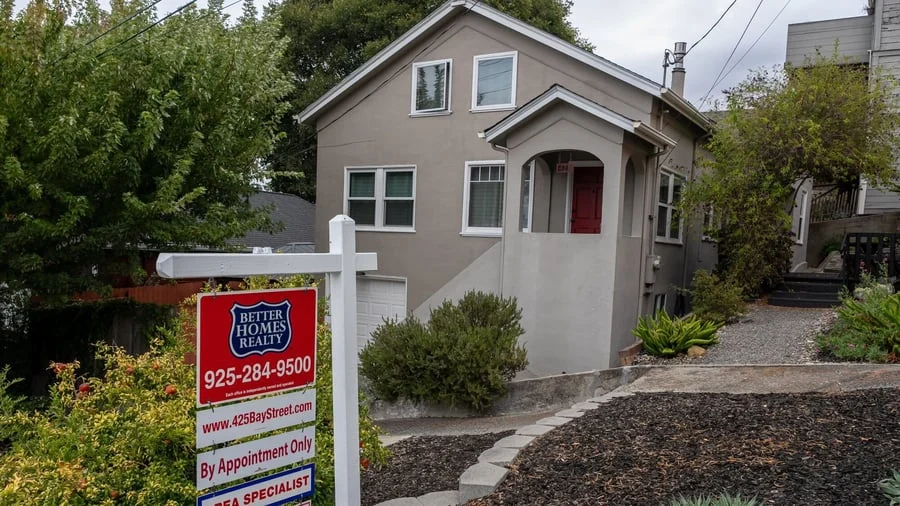
The surge in yields on U.S. Treasury bonds is sending ripples through various sectors of the economy, significantly impacting the cost of borrowing for consumers. This trend is particularly relevant as "affordability" emerges as a key theme in the upcoming November midterm elections, making the economic pressures faced by Americans a central campaign issue.
Bond Market Dynamics and Their Reach
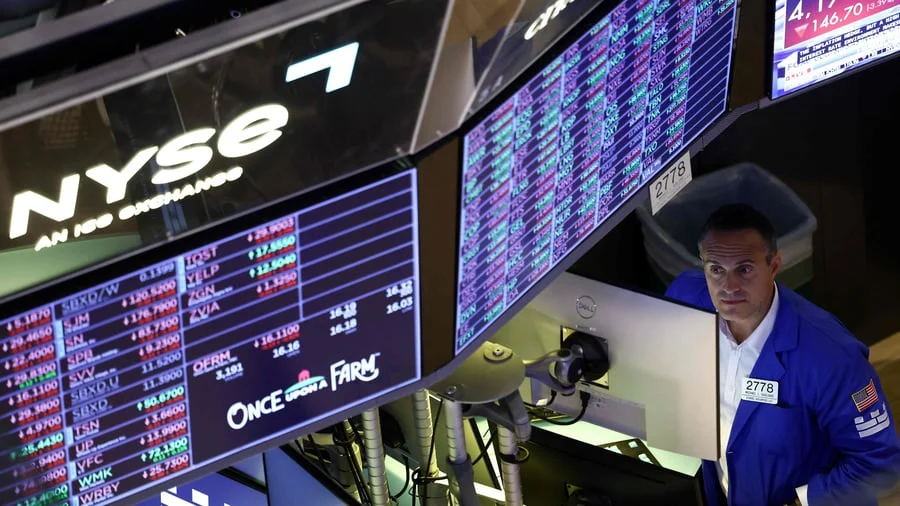
In recent weeks, yields on U.S. Treasury bonds of varying maturities have experienced a notable increase. On Thursday, a renewed sell-off in the benchmark 10-year U.S. Treasury note led to declining prices and, consequently, higher yields. Investors are now demanding a yield of 5.5 percent for these 10-year government bonds. This phenomenon, driven by a complex interplay of inflation concerns, Federal Reserve monetary policy, and global economic uncertainties, is not confined to the bond market. Its effects are cascading into other areas of consumer finance, from mortgages to auto loans and beyond.

The rising cost of borrowing on the government bond market serves as a benchmark for interest rates across the broader financial landscape. When the government must offer higher returns to attract investors to its debt, private lenders also face increased costs of capital. This, in turn, forces them to charge higher interest rates on loans to individuals and businesses.
The Ripple Effect on Consumer Borrowing
Mortgage Rates: The most direct and widely felt impact of rising bond yields is on mortgage interest rates. As yields on long-term Treasury bonds, particularly the 10-year note, climb, so do the rates for fixed-rate mortgages. This has a profound effect on housing affordability. For potential homebuyers, higher mortgage rates translate directly into larger monthly payments, reducing their purchasing power and potentially pricing them out of the market altogether.
For instance, a homeowner looking to purchase a $400,000 home with a 30-year fixed mortgage might see their monthly principal and interest payment increase by several hundred dollars if rates rise from 4% to 6%. This added expense can strain household budgets, forcing difficult choices about housing budgets, savings, or other discretionary spending. Data from mortgage industry groups consistently shows a strong correlation between 10-year Treasury yields and the average 30-year fixed mortgage rate. When yields are climbing, mortgage rates tend to follow suit, often with a slight lag.

Auto Loans: The increased cost of capital also extends to auto loans. As interest rates rise, the cost of financing a new or used vehicle becomes more expensive. This can deter consumers from purchasing vehicles or lead them to opt for less expensive models. For those who rely on financing, higher rates can significantly increase the total cost of ownership over the life of the loan. The average interest rate for a new car loan has seen a steady upward trend in conjunction with broader interest rate movements, impacting millions of car buyers annually.
Credit Cards and Other Consumer Debt: While credit card interest rates are often more directly tied to the Federal Reserve’s prime rate, which is influenced by the federal funds rate, broader increases in the cost of capital can indirectly affect them. Banks may adjust their pricing strategies in response to changing market conditions, and higher overall borrowing costs can lead to increased interest charges on credit card balances, personal loans, and other forms of unsecured debt. This can be particularly burdensome for households already carrying significant debt, potentially leading to increased financial stress and reduced consumer spending.
Housing Market Implications
The housing sector is particularly sensitive to interest rate fluctuations. Higher mortgage rates can lead to a cooling of the housing market, characterized by:
- Reduced Demand: As affordability diminishes, fewer buyers can qualify for mortgages or afford the monthly payments, leading to a decrease in demand for homes.
- Slower Home Price Appreciation or Declines: With less demand, the rapid home price appreciation seen in recent years may slow, stabilize, or even reverse in some markets.
- Increased Inventory: Homes may stay on the market longer as demand wanes, leading to an increase in the supply of available properties.
- Impact on Construction: Developers may scale back new construction projects in response to decreased buyer interest and higher financing costs for construction loans.
The current situation in the U.S. housing market is complex, with ongoing supply shortages in many areas counteracting some of the downward pressure from higher rates. However, the trend towards reduced affordability is undeniable and a significant concern for policymakers and consumers alike.
Broader Economic Context and Federal Reserve Policy
The current rise in bond yields is occurring within a broader economic environment shaped by persistent inflation and the Federal Reserve’s efforts to combat it. The Federal Reserve has been systematically raising its benchmark interest rate, the federal funds rate, to cool down an overheating economy and bring inflation back to its target of 2%.
The Fed’s aggressive rate-hiking cycle directly influences short-term borrowing costs. However, the bond market’s reaction, particularly the rise in longer-term yields, reflects market expectations about future inflation and the Fed’s commitment to tightening monetary policy. Investors demand higher yields to compensate for the erosion of purchasing power due to inflation and the opportunity cost of tying up their capital for longer periods.

The Fed’s dual mandate is to promote maximum employment and price stability. As inflation has remained stubbornly high, the Fed has prioritized bringing it under control, even at the risk of slowing economic growth. The current yield environment is a testament to the market’s pricing in of this commitment.
Political Ramifications and Midterm Elections
The economic pressures stemming from rising borrowing costs are poised to play a significant role in the upcoming midterm elections. For many Americans, the ability to afford a home, a car, or even to manage their existing debt is a tangible measure of economic well-being.
Candidates from both major parties are likely to address these concerns. Incumbent parties may face scrutiny over their handling of inflation and the economy, while opposition parties will likely highlight the financial burdens on consumers and propose solutions. The concept of "affordability" encompasses not just housing but also everyday expenses, energy costs, and the general cost of living, all of which are exacerbated by higher interest rates.

Voters’ perceptions of their personal financial situations and their outlook on the national economy will be crucial in determining electoral outcomes. Issues like mortgage affordability, the cost of financing major purchases, and the overall burden of debt are likely to resonate deeply with the electorate.
Historical Perspective and Future Outlook
The current bond market environment is not unprecedented. Periods of rising interest rates have occurred in the past, often in response to inflationary pressures or the unwinding of accommodative monetary policy. However, the speed and magnitude of some of these recent movements have been notable.
Looking ahead, several factors will influence the trajectory of bond yields and their impact on consumers:

- Inflation Data: Continued high inflation will likely prompt the Federal Reserve to maintain its tightening stance, keeping upward pressure on yields. Conversely, signs of moderating inflation could lead to a reassessment of monetary policy and potentially a stabilization or even a decrease in yields.
- Federal Reserve Actions: The Fed’s future interest rate decisions will be a primary driver of short-term rates, with a significant influence on longer-term yields.
- Global Economic Conditions: International economic developments, including geopolitical events and the policies of other central banks, can also affect U.S. bond markets.
- Market Sentiment and Investor Behavior: Investor confidence and risk appetite play a crucial role. Any shifts in sentiment can lead to rapid changes in bond prices and yields.
The interconnectedness of the bond market and consumer finance means that the current high yield environment will likely continue to shape the financial landscape for Americans for the foreseeable future. The challenge for policymakers will be to navigate these economic headwinds while addressing the pressing concerns of affordability and economic stability for households across the nation. The decisions made by the Federal Reserve and the broader economic forces at play will ultimately determine the extent to which these elevated borrowing costs continue to impact the daily lives and financial decisions of U.S. consumers.