Ena Muazin
The major indices on Wall Street have once again ascended to new historical peaks, continuing a dynamic rally that has captivated investors. Mid-week trading saw key benchmarks surpass their recently established all-time highs, a testament to the prevailing bullish sentiment. However, this upward momentum has been tempered by some profit-taking as investors begin to reassess their positions in light of the significant gains.
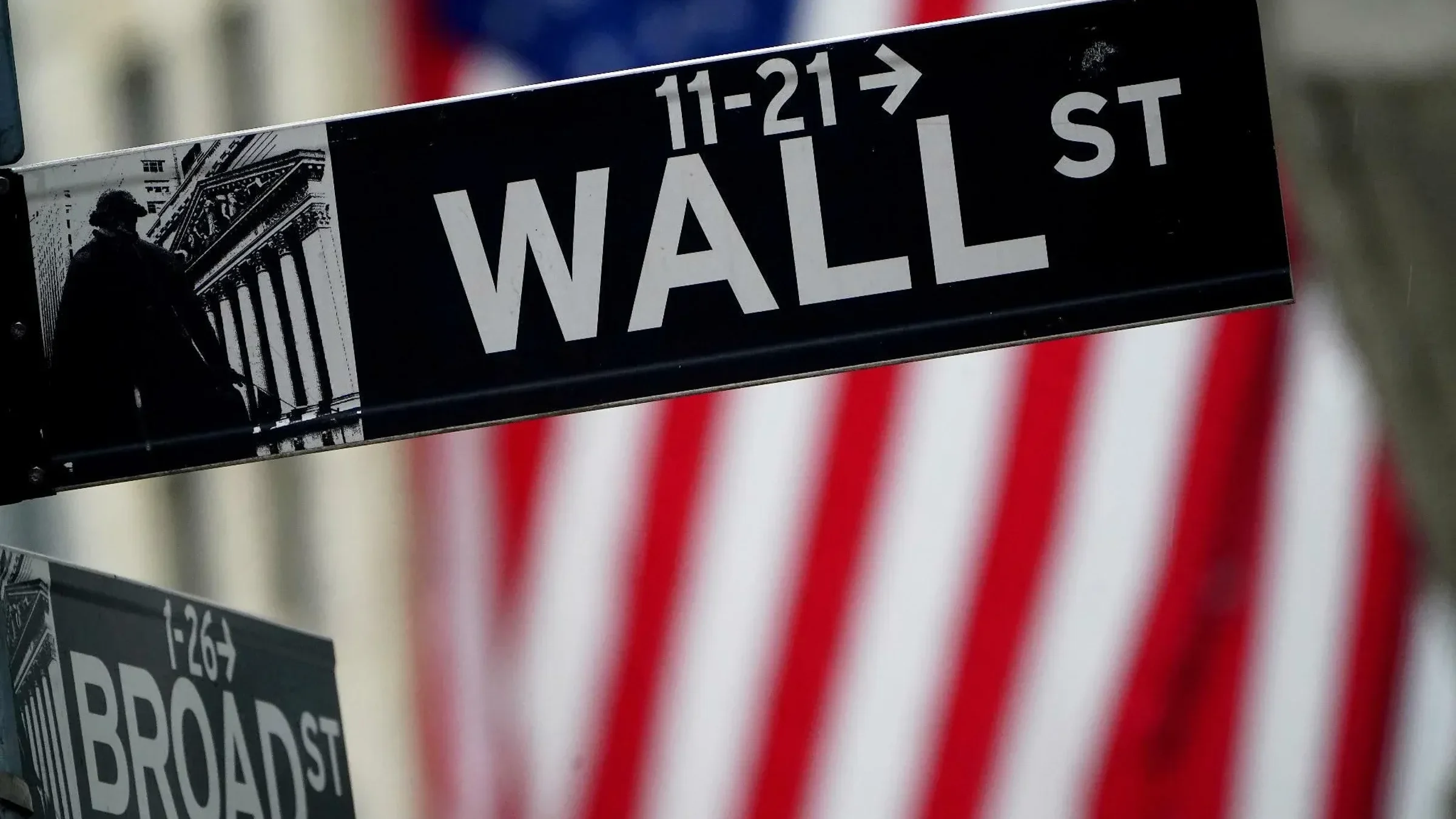
Over the preceding days, U.S. stock markets have experienced substantial gains. The S&P 500, a broad market index, has posted gains exceeding six percent on a weekly basis, while the Dow Jones Industrial Average has climbed by more than five percent. The technology sector has been a particularly strong performer, registering an impressive nine percent increase. This surge in tech stocks, however, follows a preceding period of decline, which had presented more favorable entry points for investors.
Geopolitical Developments and Market Optimism
A significant catalyst for the recent market surge appears to be the growing optimism surrounding potential de-escalation in the Iran conflict. U.S. political leadership has been emphasizing progress toward an agreement concerning the opening of the Strait of Hormuz, a vital chokepoint for global oil trade. This diplomatic overture, coupled with President Trump’s firm stance towards Iran and a generally muted sentiment emanating from Tehran, has led investors to largely discount immediate geopolitical risks. The hope is that a resolution, or at least a reduction in tensions, could lead to greater stability in the global energy markets, which in turn would benefit the broader economy.

The Strait of Hormuz, a narrow waterway between the Persian Gulf and the Gulf of Oman, is critically important for the transit of oil. Approximately 20-30% of the world’s seaborne crude oil passes through this strait. Any disruption or significant increase in tensions in this region can lead to volatile oil prices, impacting inflation and global economic growth. The prospect of an agreement that ensures the free flow of traffic through the strait is therefore a significant positive development for market sentiment.
Corporate Earnings: A Pillar of Strength
Beyond geopolitical considerations, the ongoing earnings season has provided a robust foundation for the market’s ascent. The financial results reported by a substantial number of U.S. corporations have reinforced the narrative of a resilient American economy, even in the face of inflation rates that remain above the Federal Reserve’s target. According to data from FactSet, an impressive 84% of companies listed on the S&P 500 have surpassed earnings expectations thus far. This widespread outperformance suggests that many businesses have managed to navigate inflationary pressures and supply chain challenges effectively, translating into strong profitability.

The robust earnings environment has provided a clear indication that corporate America is performing well. For instance, the technology sector, which has been a significant driver of the recent market rally, has seen companies like Alphabet and Microsoft report strong financial results. Alphabet, despite some internal restructuring, has seen its revenue grow, and its cloud computing division continues to expand. Similarly, the semiconductor industry, a bellwether for technological innovation and demand, has shown resilience, with companies like Eli Lilly reporting better-than-expected earnings. This broad-based strength across various sectors provides a solid underpinning for the market’s upward trajectory.
Economic Indicators: A Mixed but Generally Positive Picture
The upcoming July jobs report, scheduled for release on Friday, will serve as the next crucial test of the U.S. economy’s strength. Investors will be closely scrutinizing these figures for further insights into the labor market’s health. The earlier ADP National Employment Report, released on Wednesday, showed a significant miss on expectations for private sector job creation. Despite this disappointing figure, it did not immediately dampen market sentiment, suggesting that investors may be looking past a single data point in favor of the broader positive trends.

In the services sector, sentiment in July showed a slight improvement, although it too did not meet expectations. Nevertheless, the Purchasing Managers’ Index (PMI) for the services sector, released by the Institute for Supply Management (ISM) on Thursday, remains comfortably above the 50-point threshold, which separates contraction from expansion. This indicates continued growth in this vital segment of the economy. Furthermore, the ISM’s manufacturing index also remains in expansionary territory, suggesting that the industrial sector is also holding up well. These indicators, taken together, paint a picture of an economy that, while facing some headwinds, is demonstrating considerable resilience.
Individual Stock Performance: Key Movers and Shakers
Alphabet (GOOGL): The technology giant Alphabet has seen its stock price decline by approximately four percent following a significant restructuring within its artificial intelligence (AI) division, Google DeepMind. Nobel laureate Demis Hassabis is stepping down from his leadership role to focus more intensely on the research into artificial general intelligence (AGI) within the broader Google organization. This leadership change occurs at a critical juncture for the company’s AI ambitions, a field experiencing rapid innovation and intense competition. The market’s reaction suggests investor concern about the immediate impact of this strategic shift on the company’s competitive positioning and future growth prospects.

SpaceX (SPCE): Elon Musk’s aerospace company, SpaceX, has reported a nearly doubled revenue, a remarkable achievement. However, the company still posted a net loss of $541 million, a narrowing from the approximately $1 billion loss recorded in the previous year. The primary driver of this loss is the substantial investment in expanding its AI data centers, a crucial undertaking for its future development. Despite the revenue growth, the market’s reaction has been negative, with the stock price falling by nearly thirteen percent, indicating investor concern over the high cost of expansion and the continued unprofitability of the venture.
Disney (DIS): The entertainment conglomerate Disney has exceeded expectations for its past quarter’s performance. Chief Financial Officer Hugh Johnston indicated that the company is performing "very well" in its domestic market, particularly in the United States. This positive outlook has boosted investor confidence, driving the stock price up by three percent, pushing it back above the $100 mark. This resurgence suggests that Disney’s strategic initiatives and content offerings are resonating with consumers, a positive sign for its future revenue streams and market share.

Eli Lilly (LLY): The pharmaceutical giant Eli Lilly has also surpassed both revenue and earnings expectations for the second quarter. This strong financial performance has led to a nearly four percent increase in its stock price, reflecting investor confidence in the company’s product pipeline and market strategy. Eli Lilly’s consistent ability to deliver strong financial results highlights its robust position within the pharmaceutical sector and its capacity for sustained growth.
AMD (AMD): In contrast to the positive performance of some tech and pharmaceutical companies, chipmaker AMD’s latest earnings report has disappointed investors. The company’s financial results have led to a six percent decline in its stock price, moving against the prevailing market trend. This downturn suggests that AMD may be facing specific challenges or that its growth projections are not aligning with investor expectations, despite the broader positive sentiment in the technology sector.

Future Outlook and Investor Considerations
As the market navigates these new highs, the upcoming July jobs report will be a critical indicator of the U.S. economy’s underlying strength. While recent economic data has been mixed, the overall picture remains one of resilience, supported by strong corporate earnings and a cautious optimism regarding geopolitical stability. Investors will be closely watching for any signs of a significant slowdown in job creation, which could prompt a reassessment of the Federal Reserve’s monetary policy stance.
The current market environment is characterized by a complex interplay of positive factors, including strong corporate performance and hopes for reduced geopolitical tensions, alongside potential headwinds such as persistent inflation and the possibility of unexpected economic data. The ability of companies to continue delivering strong earnings and the effectiveness of diplomatic efforts in resolving international conflicts will be key determinants of the market’s trajectory in the coming weeks and months. Investors are likely to remain vigilant, balancing the pursuit of further gains with prudent risk management strategies. The ongoing trend of profit-taking, even amidst record highs, underscores the inherent volatility of financial markets and the importance of a well-diversified investment approach.