Ena Muazin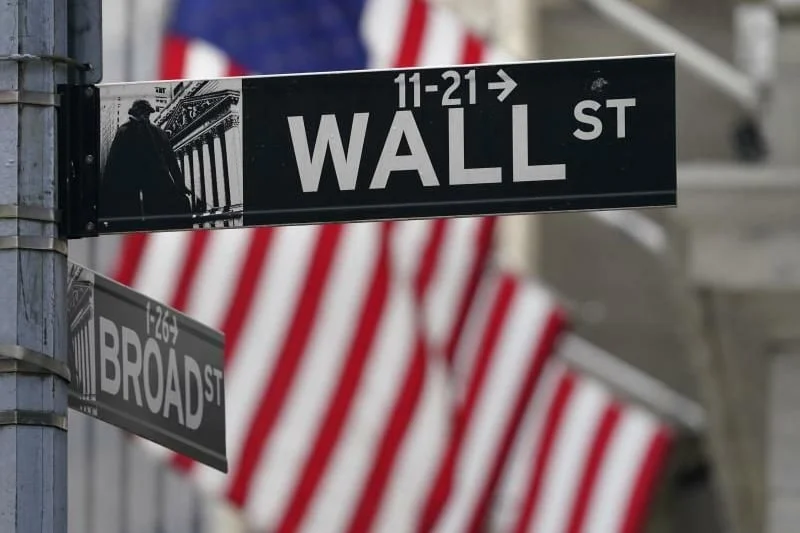
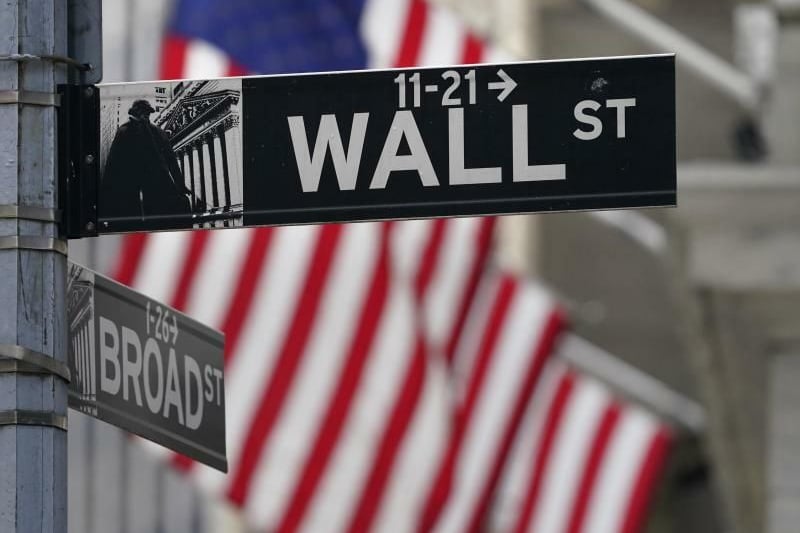
Despite a backdrop of escalating US Treasury yields, elevated oil prices, and persistent geopolitical tensions, major U.S. stock indices have managed to claw their way into positive territory, concluding the trading week on an unexpectedly optimistic note. This resilience on Wall Street signals a determined investor sentiment that is actively looking past a series of macroeconomic challenges that, on the surface, would suggest a more cautious market outlook. The Dow Jones Industrial Average, the S&P 500, and the Nasdaq Composite all registered gains, demonstrating a broad-based recovery that defied earlier bearish signals.

Rising Treasury Yields and Their Market Impact
The current market environment is significantly influenced by the upward trajectory of U.S. Treasury yields, which have reached levels not seen in over two decades. The auction of 30-year U.S. Treasury bonds recently saw yields climb above the 5% threshold, a benchmark that harks back to periods before the 2008 global financial crisis. According to analysis from DWS, such elevated yields on government debt have historically served as a significant headwind for equity markets. Higher yields on safer assets like bonds typically make riskier investments, such as stocks, appear less attractive by comparison, potentially drawing capital away from equities and into fixed income.
The climb in Treasury yields is a complex phenomenon driven by several interconnected factors. A primary contributor is the persistent inflation concerns, which have been exacerbated by global events. The disruption of shipping lanes in the Strait of Hormuz, for instance, has predictably driven up crude oil prices. This surge in energy costs not only directly impacts consumer spending and corporate profitability but also fuels broader inflationary pressures. Central banks, including the U.S. Federal Reserve, are closely monitoring these inflationary trends. The market anticipates that if inflation remains stubbornly high, central banks might be compelled to consider further interest rate hikes or maintain restrictive monetary policies for an extended period. Expectations of higher interest rates generally translate into higher yields on government bonds as new debt is issued at these increased rates, and existing bonds are repriced downwards to offer competitive returns.
Geopolitical Instability and Investor Behavior
The ongoing geopolitical landscape adds another layer of uncertainty, which typically weighs on market sentiment. While the article mentions "geopolitical crises," specific events, if detailed in the original source, would provide further context. However, generally, conflicts and international instability create a climate of fear and unpredictability, leading investors to seek safer havens. Historically, assets like gold and, to a lesser extent, cryptocurrencies like Bitcoin, have seen increased investor interest during times of heightened geopolitical risk. This trend suggests that while traditional equity markets are showing resilience, alternative assets are also capturing investor attention, potentially indicating a diversification strategy in response to global uncertainties. The outflow of capital towards these assets could, in theory, reduce demand for equities, yet the market’s upward movement suggests that other forces are currently dominating.
U.S. Fiscal Policy and Debt Concerns
Adding to the complex economic narrative is growing skepticism regarding U.S. fiscal policy and the nation’s ballooning debt. The U.S. national debt has now surpassed the $40 trillion mark, a staggering figure that raises long-term concerns about fiscal sustainability. Bankhaus Metzler estimates that the U.S. Treasury is currently spending approximately $100 billion per month solely on interest payments for this debt, a figure that is on an upward trend. This substantial interest expenditure represents a significant portion of the federal budget and can limit the government’s ability to invest in other critical areas or respond to future economic downturns. The continuous increase in debt can also lead to concerns about the long-term value of the U.S. dollar and the stability of U.S. financial markets, potentially influencing investor confidence.
Market Dynamics: A Battle of Forces
The prevailing market sentiment appears to be one where investors are actively weighing these negative factors against underlying economic strengths and a degree of optimism for future corporate earnings. The fact that Wall Street managed to turn positive suggests that the market may be anticipating a "soft landing" scenario, where inflation is brought under control without triggering a severe recession. Furthermore, corporate America has, in many sectors, demonstrated a remarkable ability to adapt and maintain profitability even in challenging environments. Positive earnings reports from key companies can act as powerful catalysts, overshadowing broader macroeconomic concerns for periods.
The resilience of the U.S. stock market in the face of these headwinds can be attributed to several potential factors. Firstly, investor psychology plays a crucial role. After periods of significant declines or uncertainty, markets often experience a "relief rally" as short-sellers cover their positions and opportunistic buyers step in. Secondly, the sheer volume of capital that remains invested in equities, seeking long-term growth, can absorb selling pressure and drive prices upward. Finally, the market’s forward-looking nature means that investors are constantly trying to price in future events. If a significant portion of the market believes that the worst of the inflation and interest rate hikes is behind us, or that corporate earnings will continue to grow despite these challenges, then a rally is plausible.

The Dollar’s Weakening Position
The observation that the U.S. dollar is losing interest among investors, while Bitcoin and gold gain traction, is a significant indicator of shifting global financial preferences. A weakening dollar can have several implications. For U.S. exporters, it makes their goods and services cheaper for foreign buyers, potentially boosting sales. Conversely, it makes imports more expensive for U.S. consumers and businesses. For global investors, a declining dollar can make dollar-denominated assets, including U.S. stocks and bonds, less attractive unless the returns are sufficiently high to compensate for the currency depreciation. The increased interest in Bitcoin and gold suggests a desire for assets perceived as hedges against inflation and currency devaluation, or as stores of value in times of uncertainty. This trend could reflect a growing distrust in traditional fiat currencies or a search for alternative investment avenues that are less susceptible to monetary policy fluctuations.
Looking Ahead: A Need for Clear Signals
For the markets to sustain their upward momentum, investors will be looking for clear signals that the current economic challenges are being effectively managed. This includes continued signs of moderating inflation, a stable or declining trend in interest rates, and a de-escalation of geopolitical conflicts. The Federal Reserve’s future monetary policy decisions will be closely scrutinized, with any indication of a pause or pivot in interest rate hikes likely to be met with further market optimism. Similarly, positive developments on the geopolitical front could reduce the appeal of safe-haven assets and redirect capital back into growth-oriented investments.

The current market performance, while encouraging for investors, highlights the dynamic and often unpredictable nature of financial markets. The ability of Wall Street to rally despite significant headwinds underscores the complex interplay of economic data, investor sentiment, and global events that shape market movements. The coming weeks and months will be critical in determining whether this positive trend is sustainable or if the underlying economic pressures will eventually reassert themselves. The ongoing interest in alternative assets like Bitcoin and gold, juxtaposed with the resilience of U.S. equities, paints a picture of a global financial landscape in flux, with investors actively seeking the most advantageous and secure avenues for their capital.