Ena Muazin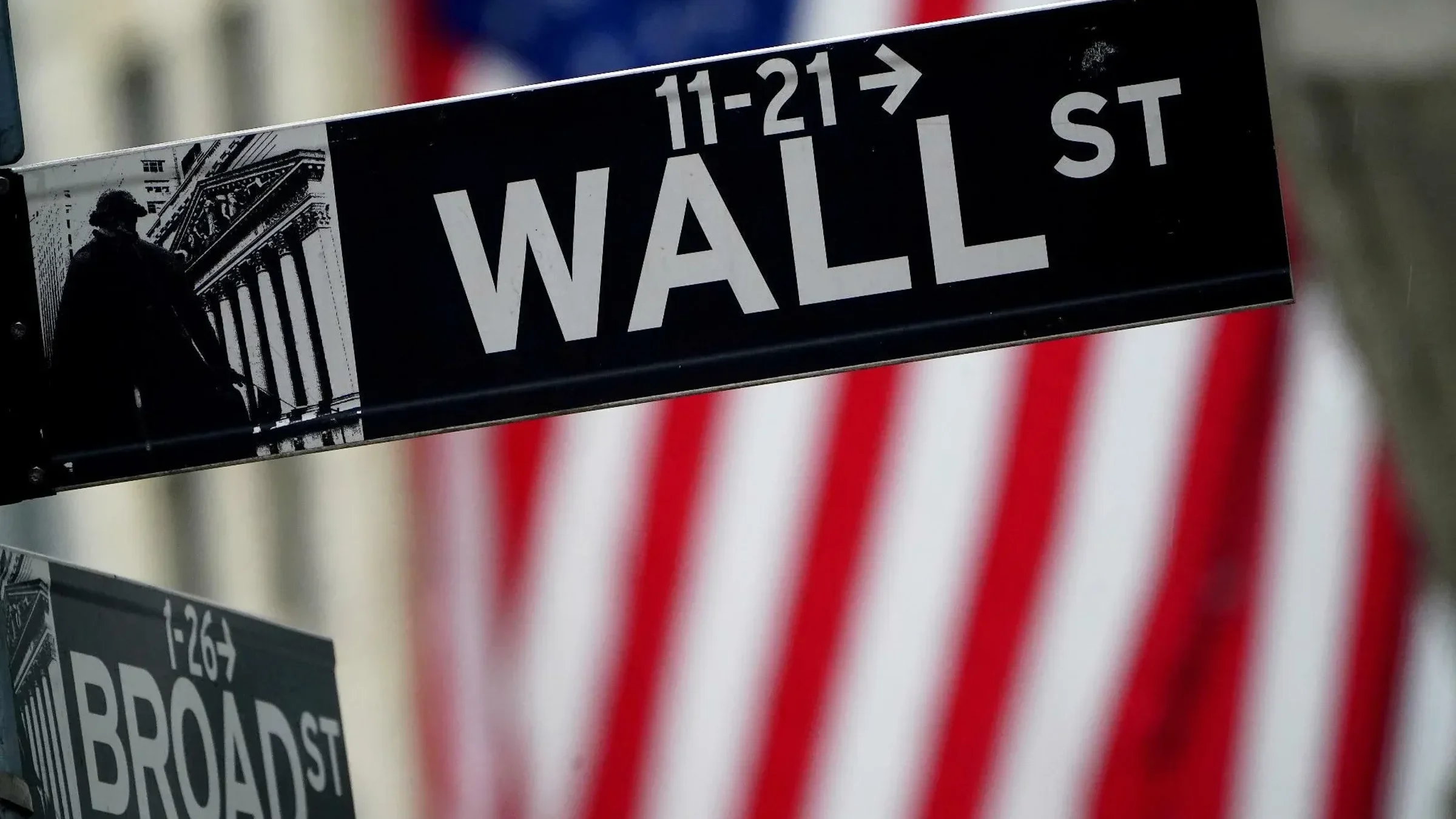
Following a week characterized by significant record highs, investors on Wall Street adopted a measured approach on Monday, with major indices exhibiting minimal movement. This cautious sentiment mirrored the subdued opening of European markets at the start of the trading week. The recent surge in stock values was propelled by a confluence of factors, including the prospect of de-escalation in the Middle East and surprisingly weak U.S. employment figures, which collectively delivered the most substantial weekly gains since April. However, the rapid ascent has also heightened the likelihood of some traders opting to secure their profits, contributing to the current period of consolidation.
Geopolitical Tensions Ease, Fueling Market Optimism
The past week witnessed a notable shift in market sentiment, largely attributed to perceived advancements in diplomatic efforts concerning the volatile Middle East. Reports suggesting a potential de-escalation of tensions, particularly between the United States and Iran, provided a significant tailwind for global equity markets. While specific details remained scarce, the mere prospect of reduced geopolitical friction in a region critical to global energy supplies injected a wave of optimism. This easing of geopolitical anxieties allowed investors to focus on economic fundamentals, leading to a broad-based rally across various sectors.
Simultaneously, the release of U.S. labor market data painted a picture of a cooling economy, a development that paradoxically bolstered stock markets. The surprisingly weak jobs report, which indicated slower-than-anticipated job creation and a potential softening of wage growth, was interpreted by many market participants as a signal that the U.S. Federal Reserve might be less inclined to pursue further aggressive interest rate hikes. This recalibration of expectations regarding monetary policy proved to be a significant catalyst for the recent market highs.
The U.S. Labor Market: A Double-Edged Sword for Monetary Policy
The Bureau of Labor Statistics reported that the U.S. economy added 130,000 nonfarm payrolls in August, falling short of economists’ median forecast of 145,000. This figure represented a slowdown from the 164,000 jobs added in July and was the weakest monthly gain since May. Furthermore, revisions to previous months’ data indicated a net downward adjustment of 59,000 jobs. The unemployment rate held steady at 3.7%, but the average hourly earnings, a key inflation indicator, rose by a modest 0.3% month-over-month and 3.0% year-over-year, both below expectations.
This deceleration in job growth and wage inflation has significant implications for the Federal Reserve’s monetary policy stance. For months, the Fed has been navigating a delicate balance, aiming to curb inflation without tipping the economy into a recession. The recent labor market data suggests that the cumulative effect of past rate hikes may be beginning to take hold, potentially reducing the need for further tightening.
Fed Interest Rate Expectations Shift Dramatically
Prior to the release of the August jobs report, the market consensus largely anticipated a quarter-percentage-point interest rate cut by the Federal Reserve at its September policy meeting. However, the weaker-than-expected employment figures have significantly altered these expectations. According to CME’s FedWatch Tool, which tracks market expectations for Federal Reserve rate movements, the probability of a September rate cut has diminished. While the possibility remains, the market is now pricing in a greater chance of the Fed holding interest rates steady or even considering a smaller rate cut.
This recalibration in Fed policy expectations is a crucial driver behind the recent market rally. Lower interest rates generally make borrowing cheaper for businesses, encouraging investment and expansion. They also tend to make equities more attractive relative to fixed-income investments, leading to increased demand for stocks.
Geopolitical Undercurrents: The Strait of Hormuz and Oil Prices
Amidst the positive economic indicators, geopolitical developments, particularly concerning the Strait of Hormuz, continue to cast a shadow over market stability. This strategically vital waterway, through which a significant portion of the world’s oil supply transits, has been a focal point of regional tensions. Recent statements from Iran suggested progress towards an agreement with Oman regarding new shipping routes. However, Tehran also reiterated its stance that the United States must meet certain conditions before the Strait can be fully reopened and its security guaranteed.
The ongoing uncertainty surrounding the Strait of Hormuz has direct implications for global oil prices. Any disruption to supply from this region can lead to sharp increases in crude oil prices, which in turn can fuel inflation and dampen economic growth. While the immediate prospect of de-escalation has provided some relief, the underlying tensions remain a significant risk factor for the global economy.
Analysis: The Balancing Act for Investors
The current market environment presents investors with a complex balancing act. On one hand, the prospect of a less hawkish Federal Reserve and easing geopolitical tensions provides a supportive backdrop for equities. The record highs achieved last week demonstrate the market’s optimism about these developments.
However, the inherent volatility of geopolitical situations, coupled with the ongoing debate about the trajectory of inflation and economic growth, introduces a degree of caution. The fact that investors are treading carefully on Monday, despite the positive momentum from the previous week, suggests a recognition of these underlying risks.
The strategy of "taking profits" is a natural consequence of rapid market appreciation. As prices reach new highs, some investors, particularly those with shorter-term investment horizons, may decide to lock in their gains rather than risk a potential downturn. This profit-taking can contribute to periods of consolidation or minor pullbacks in the market, even in the absence of new negative catalysts.
Looking Ahead: Key Factors to Monitor
Moving forward, several key factors will shape the trajectory of the markets:
- Federal Reserve Communication: Any further statements or economic projections from the Federal Reserve will be closely scrutinized for clues about future monetary policy. The market will be particularly attuned to any shifts in language regarding inflation, employment, and interest rate expectations.
- Geopolitical Developments in the Middle East: The situation in the Strait of Hormuz and broader U.S.-Iran relations will remain a critical focus. Any escalation or de-escalation of tensions will have immediate and significant impacts on energy prices and investor sentiment.
- Inflation Data: Future inflation reports will be crucial in determining the Fed’s policy path. Persistent inflationary pressures could force the Fed to reconsider its dovish stance, while continued disinflation would reinforce expectations of accommodative monetary policy.
- Corporate Earnings: As companies begin to report their quarterly earnings, investors will be looking for signs of corporate health and future growth prospects. Strong earnings can provide further support for stock prices, while disappointing results could trigger sell-offs.
- Global Economic Conditions: The health of the global economy, including growth rates in major economies such as China and the Eurozone, will also play a role in shaping market sentiment.
The recent record-breaking performance of the stock market is a testament to the market’s ability to adapt to changing economic and geopolitical landscapes. However, the current cautious stance on Wall Street indicates that investors are keenly aware of the inherent uncertainties and are likely to remain vigilant in their assessment of evolving risks and opportunities. The coming weeks and months will be critical in determining whether the current bullish trend can be sustained or if a period of recalibration is on the horizon. The delicate interplay between monetary policy, geopolitical stability, and economic fundamentals will continue to dictate the rhythm of the financial markets.