Ena Muazin
Düsseldorf – The major U.S. stock indices, including the Dow Jones Industrial Average, the S&P 500, and the Nasdaq Composite, concluded Tuesday’s trading session on an upward trajectory, demonstrating resilience despite ongoing geopolitical tensions in the Middle East. While threats from Houthi rebels in Yemen initially weighed on market sentiment, investors appear to be prioritizing corporate earnings reports, particularly those from technology titans Alphabet and Intel, scheduled for release later in the week. Oil prices, however, saw an increase, reflecting the persistent supply-side concerns.
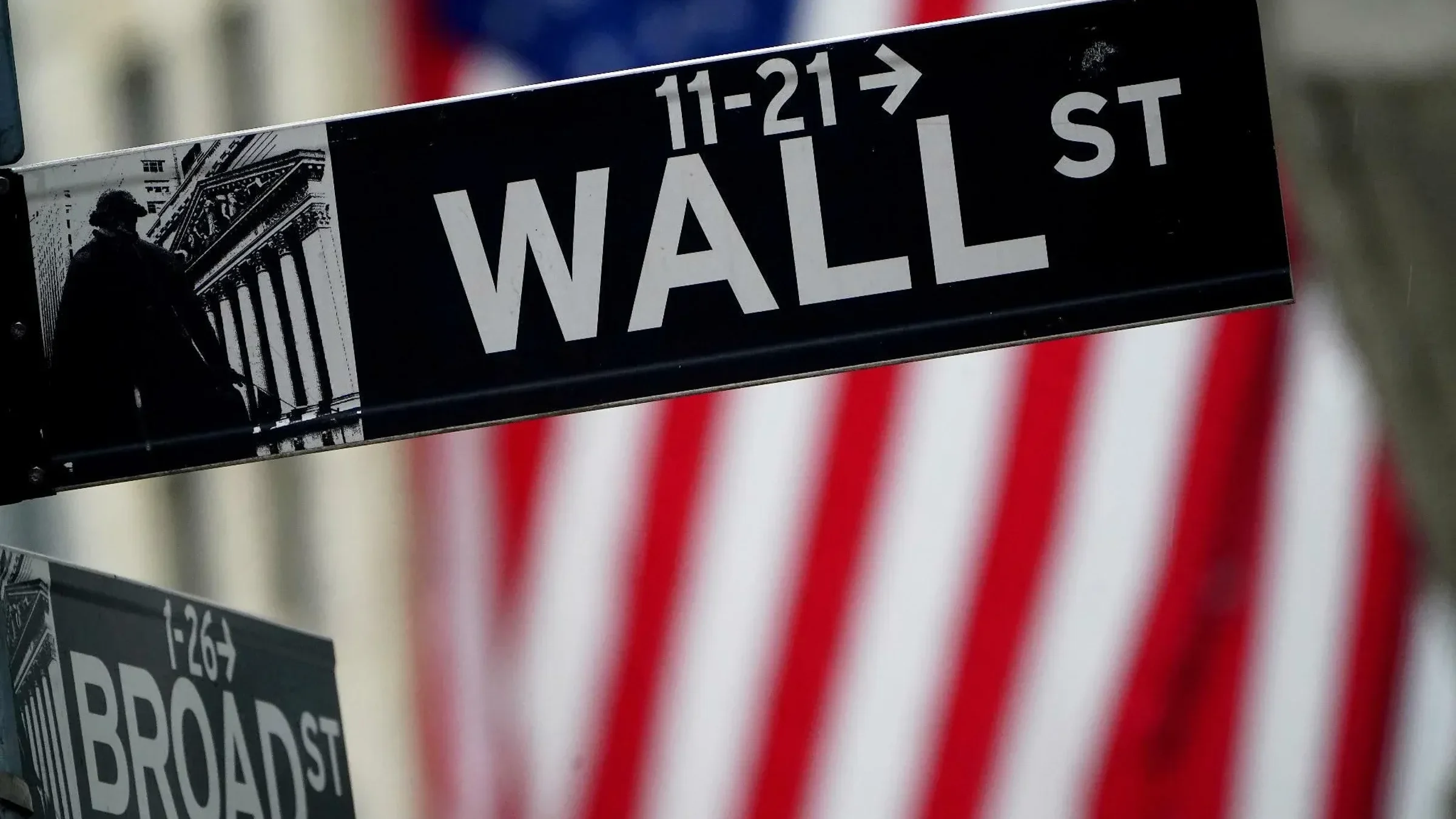
Market Performance Overview
On Tuesday, the Dow Jones Industrial Average advanced, signaling a positive sentiment among industrial and established companies. The S&P 500, a broad benchmark of the U.S. equity market, also posted gains, indicating a general uplift across a wider spectrum of publicly traded companies. The technology-heavy Nasdaq Composite registered a notable increase, underscoring investor optimism surrounding the upcoming earnings of major tech players. This upward movement suggests that, for the moment, the market is absorbing geopolitical anxieties and focusing on fundamental company performance and future growth prospects.
Geopolitical Undercurrents and Market Resilience
The shadow of escalating tensions in the Middle East, specifically the renewed threats from Houthi rebels in Yemen, had previously cast a pall over global markets. On Monday, reports emerged detailing the Houthi rebels’ announcement of a naval blockade against Saudi Arabia in the Red Sea. This development, centered around the strategically vital Bab al-Mandab strait, raised concerns about potential disruptions to global shipping lanes, echoing earlier anxieties surrounding the Strait of Hormuz. The blockade declaration stipulated that vessels would be prohibited from loading or unloading cargo at Saudi ports, with a spokesperson for the rebels warning of potential attacks on ships.
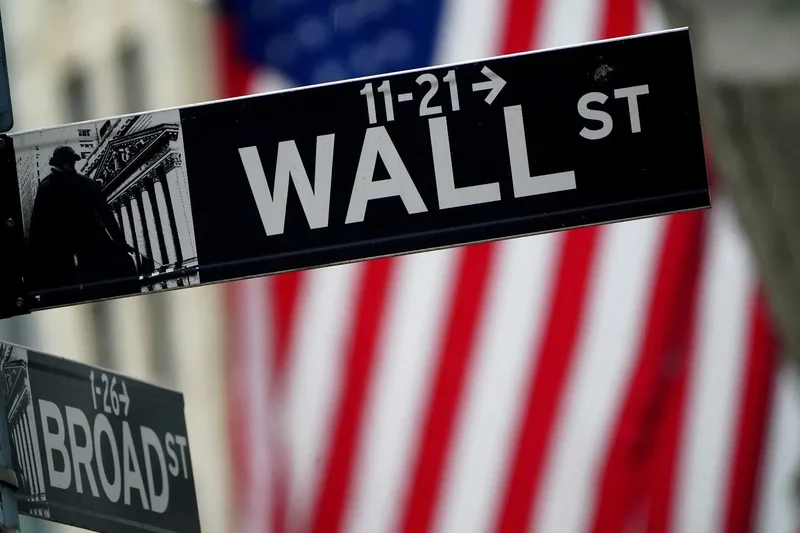
Despite these significant geopolitical risks, the U.S. stock market displayed a remarkable degree of resilience on Tuesday. This suggests that investors have, to some extent, factored in the potential impact of these regional conflicts or are finding reasons to look beyond them. Several factors could contribute to this resilience. Firstly, the direct impact on the U.S. economy from this specific blockade might be perceived as less immediate or severe compared to broader disruptions. Secondly, the market may be taking a more pragmatic view, recognizing that while tensions persist, immediate, widespread escalation that directly impacts major oil supply routes might be averted. Furthermore, the anticipation of strong corporate earnings in the technology sector is providing a powerful counterbalancing force, drawing investor attention and capital away from immediate geopolitical concerns.
Focus on Upcoming Earnings Reports
The market’s forward-looking nature is prominently displayed in the heightened attention paid to upcoming corporate earnings. Tech giants are particularly in the spotlight, with investors eagerly awaiting their quarterly financial results.
Alphabet (GOOGL), the parent company of Google, is scheduled to release its earnings report on Wednesday. Analysts will be scrutinizing its performance across its various segments, including Search, Cloud, and its "Other Bets." Key metrics to watch will include advertising revenue growth, cloud computing expansion, and the profitability of its newer ventures. The performance of Alphabet’s advertising business, a cornerstone of its revenue, is often seen as a bellwether for overall digital advertising spending and consumer confidence. Its cloud division, Google Cloud, is also a critical growth engine, competing fiercely with Amazon Web Services and Microsoft Azure.
Following Alphabet, Intel (INTC) is set to unveil its earnings on Thursday. As a leading semiconductor manufacturer, Intel’s results are crucial for understanding the health of the technology hardware sector and the broader demand for computing power. Investors will be keen to see updates on its foundry business, its progress in developing next-generation processors, and its outlook for the PC and data center markets. The ongoing global semiconductor supply chain dynamics and the company’s efforts to regain market share will be key areas of focus.

The anticipated strong performance from these tech behemoths is likely providing a significant tailwind for the Nasdaq and the broader market. Positive earnings reports can boost investor confidence, signal robust underlying economic activity within the tech sector, and encourage further investment. Conversely, any disappointing results could trigger a reassessment of valuations and potentially lead to market volatility.
Oil Prices on the Rise
In contrast to the broader stock market’s relative calm regarding the geopolitical situation, oil prices have shown an upward trend. This divergence highlights the direct impact that Middle Eastern instability can have on energy markets. The Bab al-Mandab strait is a critical chokepoint for oil tanker traffic, and any perceived threat to its unimpeded flow can lead to immediate price reactions.

- Crude Oil Benchmark: West Texas Intermediate (WTI) crude futures saw an increase, reflecting the immediate concerns about supply security.
- International Benchmark: Brent crude futures also experienced a rise, mirroring the global impact of potential shipping disruptions in the Red Sea.
The rise in oil prices has broader economic implications. Higher energy costs can translate into increased transportation expenses for businesses, potentially impacting supply chains and consumer prices. For consumers, this could mean higher gasoline prices at the pump, affecting household budgets and discretionary spending. Central banks also monitor oil price movements closely, as they can contribute to inflationary pressures.
Historical Context and Market Behavior
The market’s reaction to geopolitical events is a complex phenomenon, often characterized by initial volatility followed by a gradual normalization as investors assess the actual economic impact. The Houthi threats are the latest in a series of geopolitical challenges that have tested market resilience in recent years.

- Previous Market Reactions: Historically, significant geopolitical events, such as the escalation of conflicts in the Middle East or major political shifts, have often led to short-term stock market downturns. However, markets have a demonstrated ability to recover and often reach new highs once the immediate uncertainty subsides and economic fundamentals remain sound.
- The "Fear Premium": Geopolitical instability can introduce a "fear premium" into asset prices, leading to increased demand for safe-haven assets like gold and government bonds, while driving down riskier assets like equities. The fact that equities have largely shrugged off the latest threats suggests that either the perceived risk is manageable, or the potential upside from corporate earnings is currently outweighing the downside risk.
Analysis of Implications
The current market environment presents a fascinating dichotomy: geopolitical anxieties on one hand, and robust corporate outlooks on the other.
- Diversification of Risk: The market’s ability to absorb geopolitical shocks while still advancing suggests a degree of diversification in investor concerns. While the potential for regional conflict to escalate and impact global energy supplies remains a significant risk factor, the underlying strength of the U.S. economy, as indicated by positive corporate earnings, is providing a strong foundation.
- The Role of Technology: The dominance of technology companies in driving market gains highlights their continued importance in the global economy. Their ability to innovate and generate substantial profits, even in the face of broader economic uncertainties, makes them attractive investments. However, this also means that the market’s performance is increasingly tied to the fortunes of a few large tech firms.
- Inflationary Pressures: The rise in oil prices serves as a reminder of the persistent risk of inflation. While the Federal Reserve has made progress in taming inflation, any sustained increase in energy costs could complicate these efforts and potentially influence future monetary policy decisions. Investors will be closely watching the interplay between corporate pricing power, wage growth, and commodity prices.
Conclusion
Tuesday’s trading session demonstrated the U.S. stock market’s capacity to navigate complex geopolitical landscapes by focusing on fundamental economic drivers. The resilience shown in the face of Houthi threats, coupled with the optimistic outlook for key technology earnings, paints a picture of a market that is cautiously optimistic. However, the concurrent rise in oil prices underscores the persistent risks associated with global instability. As investors turn their attention to the crucial earnings reports from Alphabet and Intel, the coming days will be pivotal in shaping the near-term trajectory of the market, testing whether the current optimism can be sustained or if geopolitical concerns will reassert their influence. The market’s ability to balance these competing forces will be a key determinant of its performance in the weeks and months ahead.