Ena Muazin
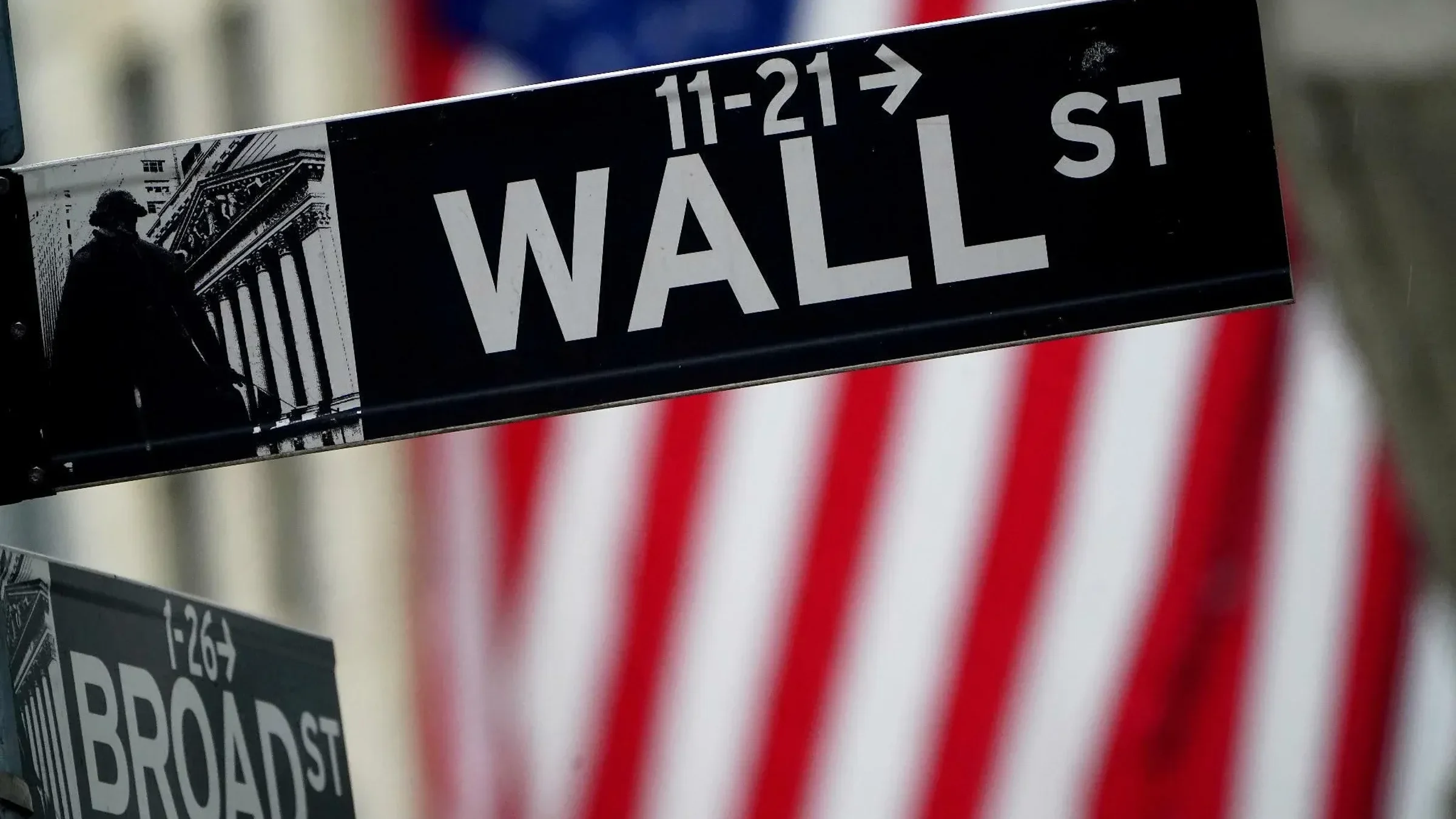
New York – Investors in the United States demonstrated a palpable sense of relief on Monday as signs of a potential de-escalation in the Iran conflict emerged, despite Tehran’s denials of ongoing negotiations with Washington. Equity markets on Wall Street edged closer to record highs, buoyed by the news that U.S. President Donald Trump had, at least temporarily, halted planned military strikes against targets in Iran. This development significantly altered the market sentiment, which had been braced for further geopolitical escalation.
The decision to pause military action, according to President Trump, was intended to create an opening for new negotiations with Iran. He indicated that discussions were scheduled to commence on Monday afternoon, though specific details remained scant. However, this assertion was directly contradicted by Iran, which stated on Monday that no talks with the U.S. were currently underway, nor were any meetings planned. This divergence in statements highlights the complex and often opaque nature of diplomatic engagements in such high-stakes geopolitical situations.
Timeline of Events and Market Reactions
The recent escalation began with Iran’s downing of a U.S. drone, a move that Iran claimed was in its airspace, while the U.S. maintained it was in international territory. This incident triggered a sharp increase in geopolitical tensions, leading to fears of a wider conflict. In response, President Trump had reportedly authorized retaliatory strikes, which were then called off at the last minute. This last-minute reprieve from military action sent immediate ripples through global financial markets.
The announcement of the aborted strikes on Monday morning led to a significant drop in energy commodity prices. Brent crude oil for October delivery saw a decline of over four percent, while WTI (West Texas Intermediate) crude for October delivery was down four percent, and for September delivery, it dropped by six percent. This price correction reflects the market’s immediate assessment that a direct military confrontation, which would have likely disrupted oil supply routes and driven prices higher, had been averted.

Analysis of Oil Price Movements
Analysts at the energy consulting firm Ritterbusch characterized the sell-off in crude oil as another instance of the market overreacting to President Trump’s pronouncements. They noted that the market often interprets such statements as an indication that a deal with Iran is imminent, particularly after periods of heightened threats. "Trump continues his pattern of occasionally pressuring the oil market through his statements to prevent a sustained rise in gasoline prices," commented one analyst. This strategy aims to alleviate inflationary pressures on consumers by keeping fuel costs down. On Monday, President Trump reiterated his call for oil companies to lower gasoline prices for American consumers, underscoring his administration’s focus on domestic economic well-being.
The inverse relationship between energy prices and inflation is a critical factor for central banks. When oil and gas prices fall, it typically leads to a reduction in expectations for inflation. Consequently, the likelihood of central banks raising interest rates in response to heightened price pressures diminishes. This, in turn, tends to boost bond prices and lower bond yields, as investors anticipate a less aggressive monetary policy stance. Bond yields move inversely to bond prices and generally in line with interest rate expectations.

Impact on Bond Markets
Following the news of the averted strikes and the subsequent fall in oil prices, U.S. Treasury yields experienced a decline. Ten-year U.S. Treasury bonds were yielding less than 4.7 percent on Monday, a decrease of five basis points. Shorter-term bonds, specifically those with a two-year maturity, saw a drop of four basis points, yielding 4.25 percent. Thirty-year Treasury bonds also experienced a similar downward trend, trading at 5.23 percent, down by four basis points. This movement in bond yields suggests a reduced expectation of imminent interest rate hikes by the Federal Reserve, as the immediate inflationary threat from oil price spikes has lessened.
Federal Reserve and the U.S. Labor Market

Looking ahead, market participants are keenly focused on the upcoming U.S. labor market data, scheduled for release on Friday. This monthly jobs report is considered a crucial barometer of the economy’s health and a key input for the Federal Reserve’s monetary policy decisions. The Fed’s dual mandate includes maintaining price stability and promoting maximum employment. Therefore, the strength of the labor market has a direct bearing on the central bank’s outlook on inflation and its potential actions regarding interest rates.
Economic Outlook and Fed Policy
Experts forecast that the U.S. economy added approximately 57,000 new jobs outside of the agricultural sector in July. The unemployment rate is expected to see a slight increase to 4.3 percent. While these figures represent a potential moderation in job growth, they are still indicative of a relatively robust labor market. A strong labor market can support consumer spending and economic growth, but it can also contribute to wage pressures that feed into inflation. The Federal Reserve has maintained its benchmark interest rate within the range of 3.5 to 3.75 percent in recent meetings. The resilience of the U.S. economy, bolstered by a strong job market, suggests it can withstand current interest rate levels. However, any significant deviation in the jobs report could influence future policy considerations.

Positive Industrial Data and Boeing’s Revival
Adding to the positive market sentiment on Monday were encouraging figures from the U.S. manufacturing sector. The Institute for Supply Management (ISM) reported that its Purchasing Managers’ Index (PMI) for July rose to 55.6, up from 53.3 in June. This marks the highest level reached in over four years and indicates a strong expansion in manufacturing activity, exceeding expectations. The PMI has remained above the critical growth threshold of 50 for seven consecutive months, reaching its highest point since May 2022. This robust performance in the industrial sector signals underlying strength in the U.S. economy.
Furthermore, the Federal Aviation Administration (FAA) granted certification to Boeing’s 737 MAX 7 aircraft on Monday, following years of delays. This approval is a significant milestone for Boeing, allowing it to bring the smallest variant of its best-selling aircraft to market. The certification process had fallen considerably behind Boeing’s initial timelines, which had anticipated approval before the end of 2022. The news propelled Boeing shares upward by more than six percent, reflecting investor confidence in the company’s path forward and its ability to overcome regulatory hurdles.

Individual Stock Performance and Market Movers
Several individual companies also captured investor attention on Monday, influencing broader market movements:
-
Amazon: Following a historic 15 percent surge in the preceding trading session, Amazon’s stock continued its upward trajectory, gaining nearly five percent on Monday. This sustained rally pushed the e-commerce and cloud computing giant’s market capitalization to over three trillion dollars. Amazon now joins an elite group of technology companies, including Apple, Microsoft, Nvidia, and Alphabet, to have achieved this valuation milestone.

-
AstraZeneca: Reports from the Financial Times and Reuters indicated that the British pharmaceutical firm AstraZeneca and its U.S. counterpart Bristol Myers Squibb have held discussions regarding a potential merger. Such a combination would create one of the world’s largest pharmaceutical entities, with an estimated combined market value of nearly $400 billion (approximately 345 billion euros). In the U.S. market, AstraZeneca shares saw an eight percent decline, while Bristol Myers Squibb shares opened flat, reflecting initial investor reactions to the speculative news. This potential consolidation highlights the ongoing trend of M&A activity within the pharmaceutical sector, driven by the pursuit of innovation and market share.
-
Alibaba: The Chinese technology conglomerate announced the development of a new artificial intelligence (AI) model, which boosted its stock price. U.S.-listed shares of Alibaba climbed by 4.4 percent. The company unveiled its most advanced and powerful AI model to date, Qwen3.8-Max, scheduled for release next week. On the comparison platform Arena.AI, the model quickly ascended the performance rankings, particularly in the analysis of visual data, where it reportedly ranks second globally, trailing only a variant of Anthropic’s Claude Fable 5 model. This development underscores the intensifying global competition in AI development and its potential to drive significant business growth.
-
GameStop: Plans by the video game retailer to convert billions in debt into equity have reportedly spooked investors, leading to a nearly 13 percent drop in its stock price. GameStop announced that it would exchange approximately $1.4 billion worth of convertible notes for shares of its Class A common stock in privately negotiated transactions with existing noteholders. The company stated that this move aims to reduce its long-term debt obligations, though it would not generate any cash proceeds from the transaction. This debt restructuring strategy often signals financial strain and can be viewed negatively by the market.

-
Marriott: The hotel operator reported quarterly earnings that slightly missed expectations, resulting in a more than six percent decline in its stock price. However, Marriott also raised its full-year forecast for revenue growth per available room, signaling underlying optimism about the hospitality sector’s recovery and future performance.
The interplay of geopolitical developments, economic data, and corporate news continues to shape market dynamics, offering investors a complex landscape to navigate. The averted military action in the Middle East has provided a temporary reprieve, allowing attention to shift back to fundamental economic indicators and corporate performance.