Ena Muazin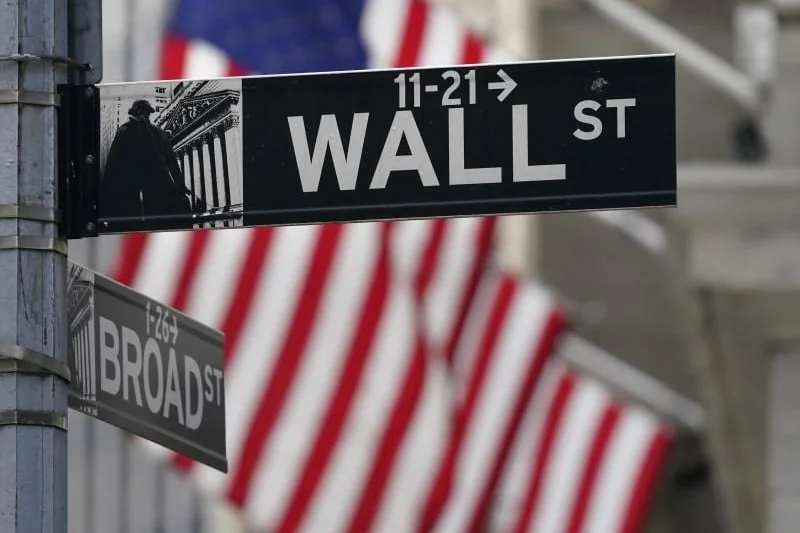
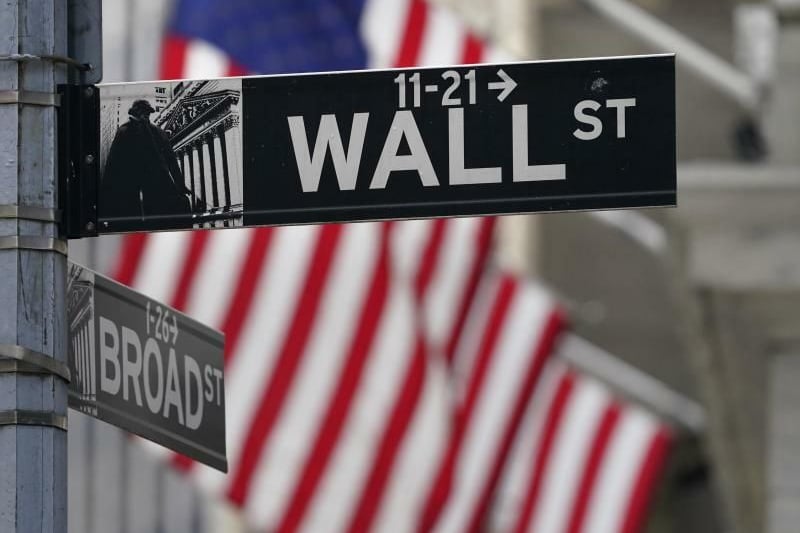
Wall Street investors are approaching the new trading week with a sense of caution as major U.S. stock indices are experiencing a downturn during intraday trading. Despite the current dip, the overall performance for the month of August is poised to conclude on a positive note. The Dow Jones Industrial Average is on track for its fifth consecutive month of gains, while the S&P 500 and the Nasdaq Composite are heading towards their first positive monthly performance since May. This mixed sentiment is largely attributed to the persistent rise in bond yields, which continues to exert pressure on equity markets.

Market Performance and August’s Positive Trajectory
As the trading day unfolded, the Dow Jones Industrial Average, a key barometer of large-cap U.S. stocks, showed signs of weakness. Similarly, the S&P 500, which tracks the performance of 500 of the largest companies listed on U.S. stock exchanges, and the Nasdaq Composite, known for its heavy weighting of technology companies, were also trading lower. However, when viewed through the lens of the entire month of August, these indices are expected to close with gains.
The Dow Jones’ anticipated fifth consecutive monthly win signifies a period of sustained investor confidence in the blue-chip sector. For the S&P 500 and the Nasdaq, a positive August would mark a welcome reversal of recent trends, offering a much-needed boost after a challenging period. This positive monthly outlook is a testament to the market’s resilience in the face of evolving economic indicators and geopolitical developments.
The Shadow of Rising Bond Yields
The primary headwind for the equity markets, as noted by financial analysts, is the ongoing ascent of bond yields. When bond yields rise, they offer a more attractive alternative for investors seeking returns with lower risk compared to equities. This can lead to a reallocation of capital away from stocks and towards fixed-income securities.
The increase in bond yields is often a reflection of several macroeconomic factors, including expectations of continued interest rate hikes by central banks to combat inflation, stronger economic growth signals, or increased government borrowing. In the current environment, the Federal Reserve’s commitment to price stability has been a significant driver.
Federal Reserve’s Stance on Inflation and Monetary Policy
The unwavering focus of the Federal Reserve on controlling inflation has been a recurring theme in recent market commentary. Fed Chair Jerome Powell’s statements have consistently emphasized the central bank’s dedication to bringing inflation back down to its 2% target. This hawkish stance suggests a willingness to maintain or even increase interest rates if inflationary pressures do not subside rapidly.
A recent speech by Fed Governor Michelle Bowman underscored this commitment. Bowman reiterated the central bank’s resolve to use its tools to restore price stability, noting that restrictive monetary policy may need to remain in place for some time. She further indicated that the Fed would be prepared to raise interest rates further if incoming economic data suggests that inflation is not moving sustainably toward the 2% objective. This message, perceived as particularly hawkish by market participants, reinforces the notion that the Fed is prioritizing inflation control over immediate economic growth stimulus.

Moritz Kraemer, Chief Economist at Landesbank LBBW, characterized Bowman’s remarks as "exceptionally hawkish." In economic parlance, "hawks" are proponents of a more stringent monetary policy, advocating for higher interest rates and tighter credit conditions to curb inflation. This sentiment from a Fed official can significantly influence market expectations and investor behavior.
Underlying Economic Data and Investor Sentiment
The market’s reaction to the persistent rise in bond yields and the Fed’s hawkish rhetoric highlights a delicate balance. While the prospect of a recession has receded for some economists, the lingering threat of elevated inflation and the associated monetary policy tightening continue to cast a shadow over the economic outlook.

Investor sentiment, therefore, remains a critical factor. The current intraday declines suggest a degree of nervousness among market participants, who are weighing the positive aspects of the August rally against the potential headwinds of higher borrowing costs and a prolonged period of restrictive monetary policy.
The broader economic context includes robust labor market data, which has provided a foundation for consumer spending, but also persistent concerns about the trajectory of inflation. The interplay between these factors will be crucial in shaping market performance in the coming months.

Historical Context: August’s Performance and Market Cycles
August has historically been a month of mixed performance for U.S. stock markets. It often marks the transition from the summer doldrums to the more active fall season. While some Augusts have seen significant rallies, others have experienced notable declines, influenced by economic news, geopolitical events, or shifts in investor sentiment.
The current situation, where major indices are on the cusp of positive monthly closes despite intraday weakness, illustrates the market’s ability to absorb negative news and find underlying strength. The sustained gains for the Dow Jones, in particular, suggest a confidence in the stability and earning power of established industrial and financial companies.

Implications of Rising Bond Yields for Different Sectors
The impact of rising bond yields is not uniform across all sectors of the stock market. Growth-oriented sectors, such as technology, which often rely on future earnings potential and are more sensitive to discount rates (influenced by interest rates), can be disproportionately affected. Conversely, value stocks and sectors that are less sensitive to interest rate changes, or even benefit from higher rates (such as financials), may fare better.
The continued upward pressure on yields suggests that investors are pricing in a scenario where interest rates remain higher for longer than previously anticipated. This could have significant implications for corporate borrowing costs, investment decisions, and overall economic activity. Companies with substantial debt burdens may face increased financial strain, while those with strong balance sheets and consistent cash flows are likely to be more resilient.

Looking Ahead: The Path Forward for U.S. Equities
As August draws to a close, the focus will inevitably shift to September and the remainder of the year. Investors will be closely monitoring upcoming economic data releases, including inflation reports, employment figures, and consumer sentiment surveys. The Federal Reserve’s next policy meeting and any further guidance from Fed officials will also be closely scrutinized.
The current market environment underscores the importance of a diversified investment strategy and a long-term perspective. While short-term volatility is a given, the underlying strength of the U.S. economy and the continued innovation within key sectors provide a foundation for potential long-term growth. However, the persistent challenge of inflation and the Federal Reserve’s commitment to addressing it will remain central themes influencing market direction. The ability of companies to navigate a higher interest rate environment and maintain profitability will be a key determinant of their stock performance. The positive momentum built in August, despite current headwinds, suggests a market that is actively seeking opportunities and demonstrating resilience.