Lina Wu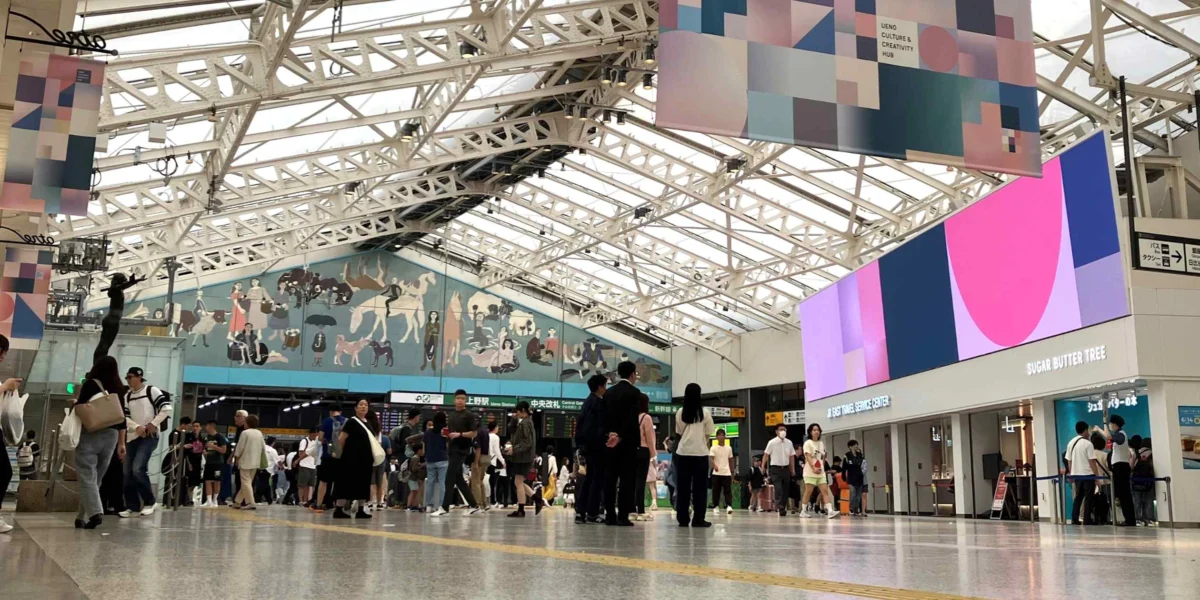
Tokyo’s Ueno Station, a vital transit hub and gateway to a district steeped in history and culture, has officially concluded an extensive, nearly two-year renovation project. The revitalization effort, which commenced in late 2024, has not only modernized the station’s infrastructure but also introduced a significant digital enhancement: a sprawling LED display designed to serve as an informative and engaging portal for visitors, highlighting the myriad attractions in the surrounding Ueno area.

A Revitalized Hub for Culture and Connectivity
The completion of the renovation marks a significant milestone for Ueno, a district renowned for its concentration of museums, parks, and cultural institutions. Ueno Station, itself a historic landmark, has been transformed to better accommodate the increasing flow of domestic and international travelers, while also enhancing the experience for local commuters. The project’s scope encompassed various upgrades, from improved passenger flow and accessibility to aesthetic enhancements that reflect the area’s rich heritage.
A centerpiece of the renewed station is the impressive, large-scale LED display located in the Grand Concourse. This dynamic digital canvas is far more than just an information board; it is envisioned as a digital concierge, offering real-time updates and insights into the diverse offerings of Ueno. Visitors can now access information about nearby museums such as the Tokyo National Museum, the Tokyo Metropolitan Art Museum, and the National Museum of Nature and Science, alongside details on Ueno Park’s seasonal beauty, the Ueno Zoo, and the Ameya-Yokocho market, a bustling shopping street. The display also provides practical information like transportation schedules, event listings, and local dining recommendations, aiming to streamline the visitor experience and encourage deeper exploration of the district.

A Strategic Investment in Tokyo’s Cultural Tourism
The renovation of Ueno Station is a strategic investment by East Japan Railway (JR East), the operator of the station, aimed at bolstering Tokyo’s position as a premier global tourist destination. Ueno has long been recognized as a cultural nexus, attracting millions of visitors annually. By modernizing its primary access point, JR East aims to create a more welcoming and efficient entry point, thereby encouraging longer stays and greater economic activity within the district.
The project’s timeline involved meticulous planning and phased execution to minimize disruption to the station’s daily operations. Construction began in earnest in late 2024, with significant structural and aesthetic improvements taking place throughout 2025. The installation of the advanced LED display was a key component of the latter stages of the renovation, culminating in its unveiling alongside the official completion of the project in August 2026. This phased approach allowed for continuous service while ensuring the highest quality of work.

Background: Ueno’s Enduring Appeal and the Need for Modernization
Ueno’s significance dates back to the Meiji era, when the Imperial University and the Imperial Library were established in the area, laying the foundation for its academic and cultural prominence. Ueno Park, originally part of Kaneiji Temple, was opened to the public in 1873, becoming one of Japan’s first public parks. Over the decades, the park and its surroundings have evolved into a vibrant hub, attracting families, students, art enthusiasts, and history buffs alike.
However, as visitor numbers continued to climb, particularly with the surge in international tourism leading up to and following the Tokyo Olympics, the existing infrastructure at Ueno Station began to show its age. Congestion during peak hours, outdated signage, and a lack of integrated digital information systems presented challenges for both travelers and the local tourism ecosystem. The decision to undertake a comprehensive renovation was driven by the need to address these issues and to ensure Ueno could effectively leverage its cultural assets in an increasingly competitive global tourism market.

The Artistry of "Freedom": A Welcoming Landmark
Adding a touch of artistic grandeur, the renovation also saw the prominent display of Genichiro Inokuma’s mural "Freedom" in the Grand Concourse. This iconic artwork, previously housed elsewhere, now serves as a striking visual welcome to visitors, imbuing the station with a sense of artistic heritage and cultural depth. The placement of "Freedom" underscores the station’s role not just as a transit point, but as an extension of the cultural experiences Ueno offers. The mural, a vibrant depiction symbolizing liberation and progress, complements the modern technological advancements of the new LED display, creating a harmonious blend of past and future.
Supporting Data and Impact Analysis
The economic impact of enhanced tourism infrastructure is well-documented. According to data from the Japan National Tourism Organization (JNTO), inbound tourism spending in Japan has seen consistent growth in the years preceding the pandemic and is projected to rebound strongly. Ueno, as a key cultural destination, stands to benefit significantly from improved accessibility and visitor engagement.

The introduction of the large LED display is expected to have several tangible benefits:
- Increased Visitor Engagement: By providing readily accessible information on attractions, events, and services, the display can encourage visitors to explore more of Ueno, leading to longer stays and increased spending at local businesses, including museums, restaurants, and shops.
- Enhanced Visitor Experience: Reduced confusion and easier navigation can lead to a more positive overall visitor experience, fostering repeat visits and positive word-of-mouth recommendations.
- Support for Local Businesses: The display can act as a promotional tool for smaller businesses and cultural venues within Ueno that may have limited marketing budgets, thereby fostering a more inclusive and vibrant local economy.
- Data-Driven Insights: The digital nature of the display allows for the collection of anonymized data on visitor interests and engagement patterns, which can inform future tourism strategies and infrastructure development within the district.
Industry analysts suggest that such integrated digital information systems are becoming standard in major international transport hubs. Cities that invest in these technologies are better positioned to attract and retain tourists. The Ueno Station renovation, particularly the innovative use of its LED display, exemplifies a forward-thinking approach to urban tourism management.

Official Statements and Future Outlook
While specific official statements from JR East or local tourism boards regarding the renovation’s completion were not immediately available for this report, the scale and nature of the project strongly suggest a commitment to enhancing Ueno’s appeal. Representatives from JR East are likely to emphasize the project’s role in improving passenger convenience and contributing to the economic vitality of the Ueno district.
The Tokyo Metropolitan Government, which has consistently supported initiatives to boost tourism and cultural engagement, is expected to view the Ueno Station renovation as a positive development. The enhanced connectivity and information provision align with broader city-wide strategies to showcase Tokyo’s diverse cultural offerings.

The successful completion of the Ueno Station renovation, marked by its blend of modern amenities and artistic appreciation, signals a renewed commitment to preserving and promoting Tokyo’s rich cultural heritage. The large LED display, in particular, represents a significant step forward in leveraging technology to create a more engaging and informative gateway to one of the city’s most cherished cultural districts. As visitor numbers continue to grow, Ueno Station is now better equipped than ever to welcome the world to the heart of Tokyo’s artistic and historical treasures.