Clara Shinta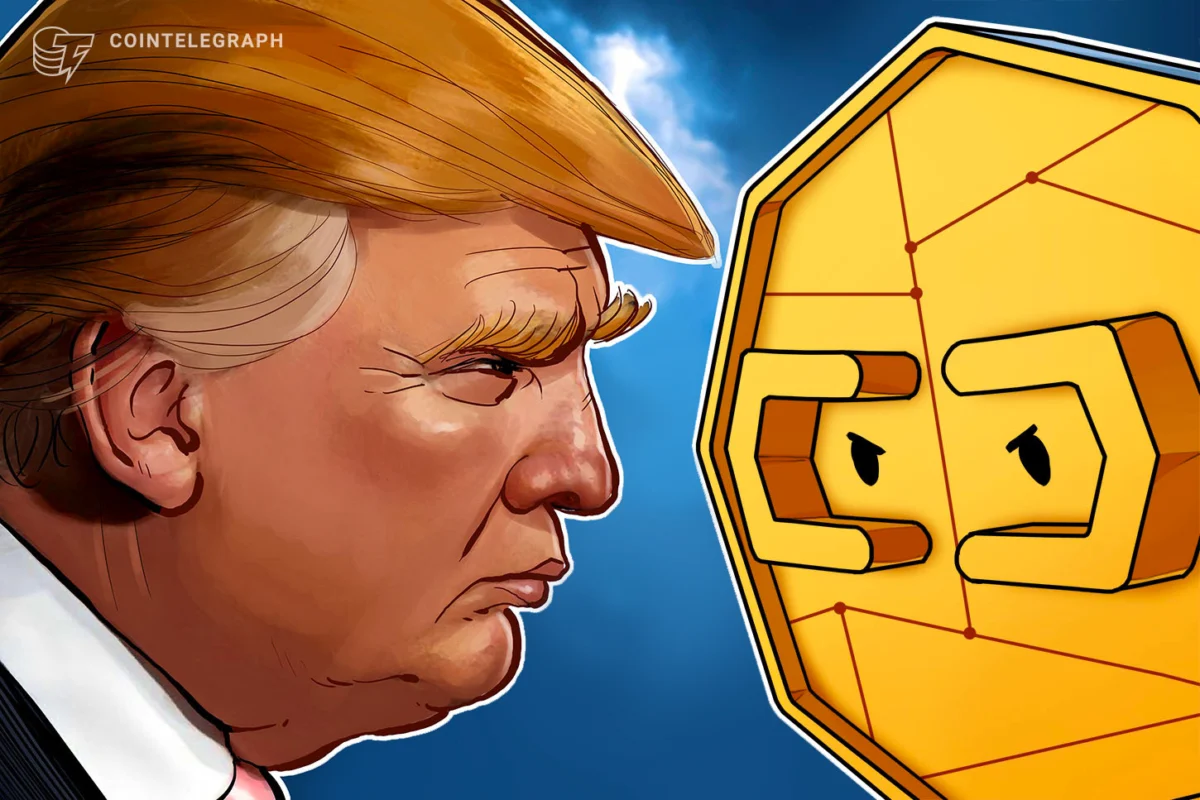
The token, dubbed "Trump Digital GOLD" (ticker: GOLD), was actively promoted on the social media platform X by "Real Trump Coins," a brand that Donald Trump himself had publicly championed in 2024. However, posts related to the GOLD token’s promotion were conspicuously deleted from the Real Trump Coins X account on Saturday, a move that only intensified scrutiny and concern among crypto observers. Despite the social media retraction, the Real Trump Coins website continued to feature the GOLD token prominently as of the time of reporting, advertising a 4% trading fee and making an ambitious pledge to allocate 99% of these fees towards buying back the token. This strategy, it claimed, was designed to propel GOLD into the top-10 crypto assets by market capitalization. The swift and dramatic failure of the token has left the broader cryptocurrency community questioning GOLD’s legitimacy, with some analysts and community members speculating that the Real Trump Coins brand or its associated social media accounts may have been compromised.
Chronology of a Rapid Collapse: From Launch to "Rug Pull"
The "Trump Digital GOLD" token first surfaced in the early hours of Saturday, when the Real Trump Coins X account, notably followed by Donald Trump’s official X account, announced the token’s launch. This announcement directed prospective investors to RealTrumpCoins.com to purchase the new asset. The connection to a brand endorsed by a prominent political figure immediately garnered attention, drawing in a segment of the crypto market often keen on politically themed digital assets.
However, the token’s launch almost immediately triggered alarm bells within the blockchain analytics community. Lookonchain, a reputable platform specializing in on-chain data analysis, swiftly flagged the launch for highly suspicious characteristics. According to their analysis, the token’s developer held a massive 600 million GOLD tokens, representing a significant portion of the total supply. Concurrently, 15 newly created wallets collectively spent a modest $18,657 to acquire an additional 224.5 million tokens. Lookonchain’s findings revealed a staggering concentration of ownership, stating, "The team currently controls 82.45% of the total supply." This level of centralized control is a widely recognized red flag in the cryptocurrency space, often indicative of potential manipulation or a "rug pull" scam, where developers or insiders dump their holdings, causing the token’s value to plummet. Lookonchain proactively issued a public advisory, urging users to exercise extreme caution when considering investment in GOLD.
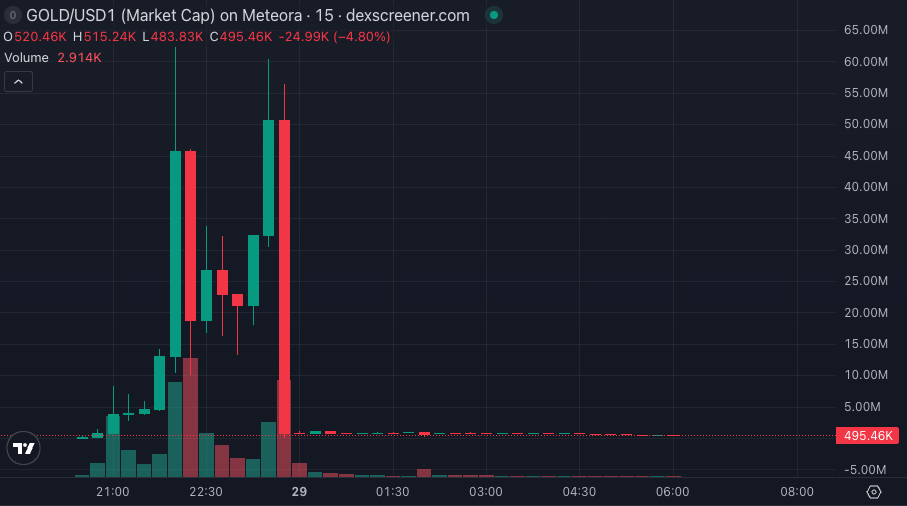
The cautionary advice proved prescient. Shortly after their initial warning, Lookonchain reported a critical development: the 15 wallets, which they had identified and linked directly to the token’s development team, executed a mass sell-off. These wallets offloaded all 224.5 million GOLD tokens they had acquired, exchanging them for 3,178 Solana (SOL), an amount valued at approximately $330,000 at the time. The immediate consequence of this large-scale sell-off was catastrophic for the GOLD token. Its value plummeted almost instantaneously, with its market capitalization collapsing from an initial peak of around $50 million to a mere $500,000, as reported by DEX Screener, a platform tracking decentralized exchange data.
Lookonchain unequivocally declared, "GOLD just rugged!" The term "rug pull" is industry jargon describing a malicious maneuver in the crypto world where developers abandon a project and run away with investors’ funds, typically by selling off a large portion of the token supply they control. The analytics firm estimated that the wallets involved in the sell-off generated a profit of approximately $312,000, representing an astounding 17 times their initial investment. This rapid and calculated liquidation, coupled with the immediate deletion of promotional content, strongly reinforced the assessment of a deliberate scam designed to extract value from early investors.
Understanding Real Trump Coins and Its Link to Donald Trump
The "Real Trump Coins" brand, central to the GOLD token’s promotion, is not a direct venture of Donald Trump but rather a third-party entity that has leveraged his public image and endorsements. Trump publicly promoted RealTrumpCoins.com in September 2024, specifically endorsing the website as the exclusive platform for purchasing his silver medallions. In a post on Truth Social, his own social media platform, Trump highlighted the brand, lending it a significant degree of visibility and perceived legitimacy among his supporters.
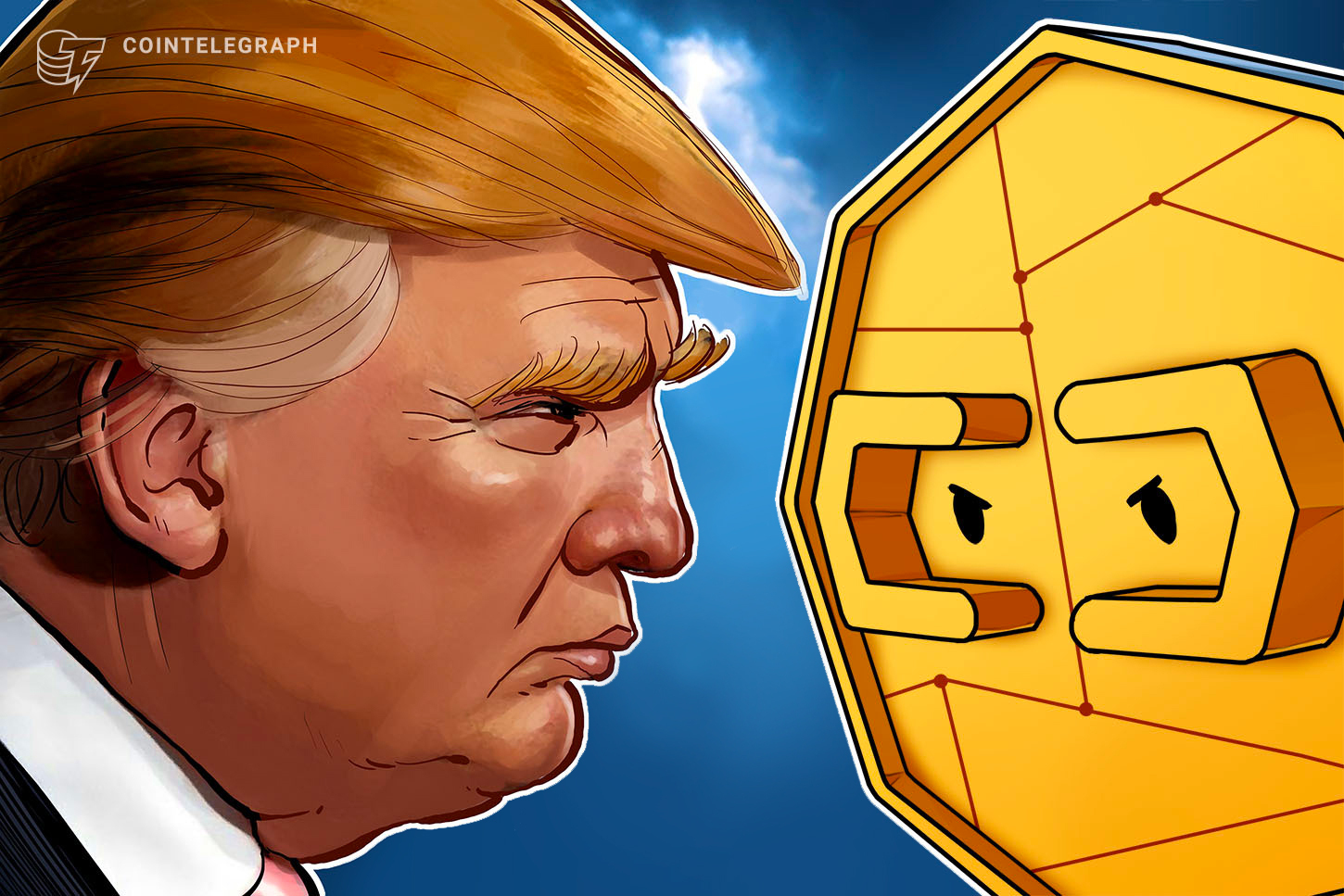
It is important to note, however, that the Real Trump Coins website includes a disclaimer stating that its products are "not manufactured, distributed or sold by the Trump Organization." This separation is crucial, as it creates a buffer between Trump’s official business entities and the activities of the Real Trump Coins brand, even as Trump’s public promotion provides a strong implicit endorsement. The fact that Trump’s official X account follows the Real Trump Coins X account further solidified this perceived connection, making the brand’s promotional messages, including those for the GOLD token, appear to carry a certain weight of authenticity or approval from the former president’s orbit. This indirect but powerful association played a significant role in attracting investors to the newly launched token.
Reactions and Speculation: Compromise or Deliberate Deception?
The sudden promotion of the GOLD token, its subsequent rapid collapse, and the immediate deletion of related posts from the Real Trump Coins X account ignited a firestorm of speculation within the crypto community. Many observers quickly questioned the integrity of the brand and its social media presence.
One prominent theory that emerged was that the Real Trump Coins X account had been compromised. Fabiano.sol, a well-known member of the Solana community, publicly claimed that the account had been hacked. This sentiment was echoed by others, suggesting that malicious actors might have taken control of a seemingly legitimate account to perpetrate the scam, leveraging its established following and association with Trump. On-chain analyst EmberCN directly described the GOLD token as a "scam," without explicitly endorsing the hacking theory but underscoring the fraudulent nature of the event. Further fueling the speculative environment, X user TITAN shared claims alleging that "Iranian hackers" were purportedly behind the "fake Trump launch," introducing a geopolitical dimension to the incident, though such claims remain unsubstantiated by official sources.
As of the time of reporting, there has been no official statement or confirmation from Real Trump Coins or representatives of Donald Trump regarding the alleged compromise of the X account or the legitimacy of the GOLD token launch. The silence from the brand and Trump’s official channels in the immediate aftermath of the incident has only served to deepen the mystery and heighten concerns among investors and the broader public. The absence of a clear explanation leaves a void filled by speculation, ranging from internal malfeasance to external cyberattacks.
Broader Implications: Scrutiny of Trump-Linked Crypto Ventures
The "Trump Digital GOLD" episode adds another layer of scrutiny to Donald Trump’s growing entanglement with the cryptocurrency world, a domain that is becoming increasingly relevant to his political ambitions and policy positions. As Trump actively campaigns for a return to the White House, his administration’s potential approach to crypto regulation is a topic of intense interest, making any crypto ventures linked to him subject to significant public and media examination.
This incident is not isolated. Trump and members of his family have been associated with, or have launched, several other crypto-related ventures. These include the "Official Trump" (TRUMP) memecoin, which has seen considerable speculative trading, and World Liberty Financial, another digital asset initiative. These ventures have consistently drawn concerns regarding potential conflicts of interest, particularly given Trump’s position as a former president and current presidential candidate, with the power to influence and shape US crypto policy. Critics argue that his involvement in such projects, even indirectly, could create a perception of impropriety or influence peddling, especially as his administration might be tasked with crafting the regulatory framework for the very industry he benefits from. The White House, during Trump’s previous term and his campaign, has consistently denied any impropriety, asserting that his engagements are legitimate and transparent.
Moreover, the "Trump Digital GOLD" incident unfolds against a backdrop of Trump’s increasingly vocal advocacy for clearer crypto regulation. On August 19, he urged lawmakers to pass a "fair version" of the CLARITY Act. This proposed legislation aims to establish a comprehensive regulatory framework for crypto assets, crucially clarifying whether specific tokens should be classified as securities or commodities. The distinction has profound implications for how digital assets are regulated and which government agencies (e.g., SEC or CFTC) would oversee them. Ironically, as Trump champions regulatory clarity, projects indirectly linked to his brand continue to highlight the very risks and ambiguities that a robust regulatory framework seeks to address.
Further underscoring the financial risks associated with politically linked crypto endeavors, a report by Public Citizen, a consumer advocacy organization, previously alleged that "Trump cost investors $4.7B through crypto ‘schemes’." While the methodology and scope of this report are subject to debate, it highlights a persistent narrative that associates certain Trump-affiliated crypto ventures with significant investor losses. Such reports, whether fully substantiated or not, contribute to a broader atmosphere of skepticism and caution surrounding political figures’ involvement in highly speculative digital asset markets. The GOLD token collapse will undoubtedly fuel these existing concerns and contribute to ongoing discussions about accountability and investor protection in the nascent crypto industry.
Technical Analysis and Market Dynamics: Anatomy of a Rug Pull
The "Trump Digital GOLD" event serves as a textbook example of a "rug pull," a prevalent type of crypto scam. The fundamental mechanics involve developers creating a new token, often promoting it heavily through social media and influencer endorsements, and then attracting initial investment. Crucially, these developers retain a significant portion of the token’s supply. In the case of GOLD, the developer held 600 million tokens, and the "team" wallets acquired an additional 224.5 million, leading to an 82.45% control of the total supply. This high concentration of ownership gives the creators immense power over the token’s price and liquidity.
The advertised 4% trading fee and the pledge to use 99% of these fees for token buybacks were likely designed to create a false sense of security and generate artificial demand. Buybacks, in theory, reduce supply and increase price, signaling a long-term commitment to the token’s value. However, in a rug pull scenario, these promises are mere window dressing. The actual intent is to lure in retail investors who, seeing an initial price surge or perceived legitimacy due to the Trump association, buy into the token.
Once sufficient liquidity is established in the trading pool (e.g., on a decentralized exchange like those on Solana), the developers or their associated wallets execute a massive sell-off. By dumping 224.5 million GOLD tokens for SOL, the team flooded the market with supply, instantly crashing the price. The initial investment of $18,657 rapidly turned into $330,000, demonstrating the lucrative, albeit illicit, nature of such scams for the perpetrators. The immediate and near-total loss of value for other investors underscores the extreme risks associated with tokens having highly concentrated ownership and lacking verifiable audit trails or transparent development teams.
Regulatory Landscape and Investor Protection in Focus
The "Trump Digital GOLD" incident starkly highlights the persistent challenges within the largely unregulated or inconsistently regulated cryptocurrency market. In the United States, the regulatory landscape for digital assets remains fragmented, with different agencies asserting jurisdiction over various aspects of the industry. This lack of a clear, unified framework often leaves investors vulnerable to scams like rug pulls, as there may not be established legal avenues or robust enforcement mechanisms to protect them effectively.
The collapse of GOLD reinforces the urgent need for clearer regulations and enhanced investor protection measures. Such incidents not only result in significant financial losses for individuals but also erode trust in the broader digital asset ecosystem, potentially hindering legitimate innovation. While Donald Trump advocates for the passage of the CLARITY Act to bring structure to the industry, the very events linked to brands he promotes ironically underscore the existing gaps and the imperative for regulatory action. For investors, the lesson is clear: extreme caution is warranted when dealing with newly launched tokens, especially those with high ownership concentration, vague development teams, and promotional tactics heavily reliant on celebrity or political endorsements without robust underlying fundamentals or transparency.
In conclusion, the rapid rise and fall of "Trump Digital GOLD" serve as a potent reminder of the volatile and often treacherous nature of the cryptocurrency market, particularly within the speculative realm of politically themed tokens. The incident raises serious questions about authenticity, potential compromise, and the ethical boundaries of endorsements in the digital age. As the cryptocurrency space continues to evolve and intersect with mainstream politics, the need for transparency, accountability, and comprehensive investor protection becomes ever more critical to safeguard participants and foster a credible and sustainable digital economy.